A Legal Guide to Export Regulations and Taking Nihontō Abroad — Practical Notes on the Act on Protection of Cultural Properties and Weapons Export Controls
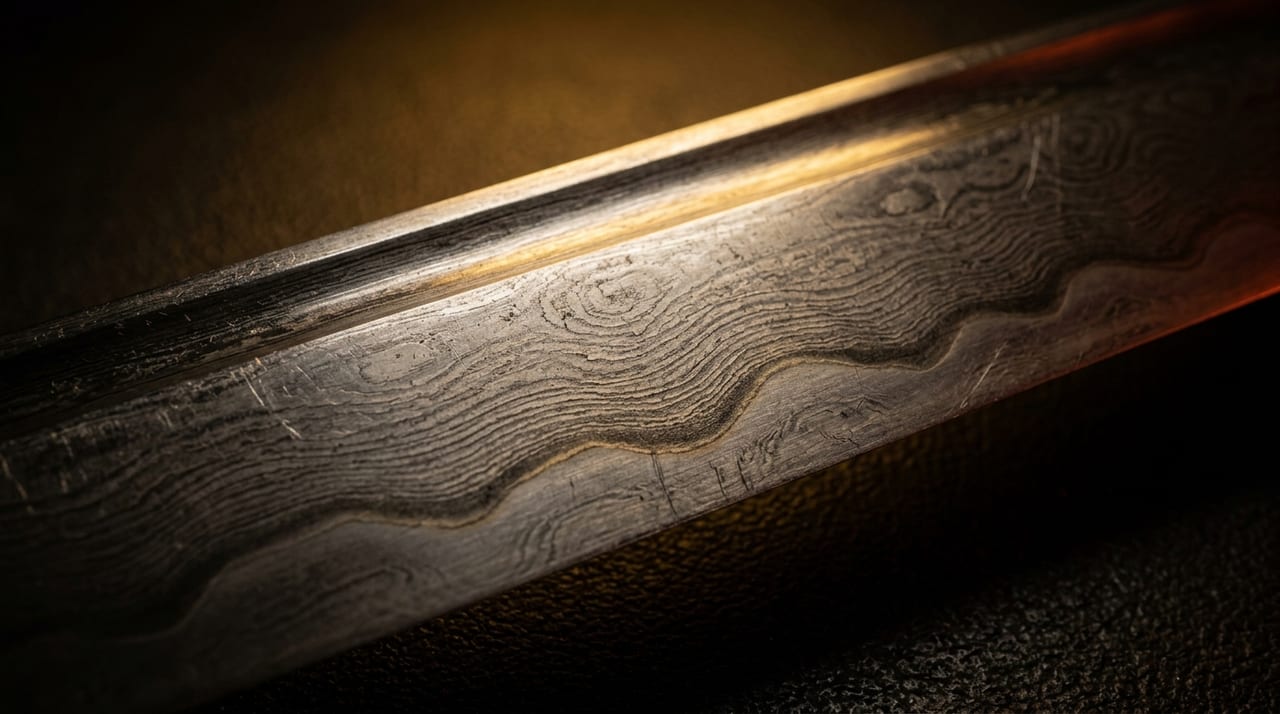 * Image is for illustrative purposes only.
Table of Contents
The Legal Framework Governing the Export of Nihontō
When taking a nihontō abroad or exporting one to a foreign buyer, a complex regulatory environment exists in which multiple laws intersect. The two pillars of the main legislation are the Act on Protection of Cultural Properties and the Act for Controlling the Possession of Firearms or Swords and Other Such Weapons (Jūtōhō). Regardless of whether the form is sale, transfer, or personal carriage, export is unlawful unless the requirements of these laws are met. Advance preparation of documents and applications to the relevant authorities are indispensable for a lawful export of a nihontō, and neglecting the procedures carries the risk of the sword being seized at customs.
Export Controls under the Act on Protection of Cultural Properties
Swords designated as kokuhō (National Treasure) or jūyō bunkazai (Important Cultural Property) are in principle prohibited from being taken out of the country. Swords recognized as jūyō bijutsuhin (Important Art Object) under the Act for the Preservation of Important Works of Art (1933) are subject to the same restrictions. Exporting any of these designated items requires the permission of the Commissioner of the Agency for Cultural Affairs. With regard to jūyō bunkazai, Article 44 of the Act on Protection of Cultural Properties provides an exception for cases in which the Commissioner of the Agency for Cultural Affairs has specifically found it necessary and granted permission on grounds such as international cultural exchange (Act on Protection of Cultural Properties (e-Gov Law Database)).
Kotō and shintō that have not been designated may be exported, but certain procedures are required. Specifically, it is a prerequisite that the sword has been registered by a prefectural Board of Education and that a registration certificate (a certificate issued under the Act for Controlling the Possession of Firearms or Swords and Other Such Weapons (Jūtōhō)) exists. Because unregistered swords may in principle not be possessed within Japan (Act for Controlling the Possession of Firearms or Swords and Other Such Weapons (Jūtōhō) (e-Gov Law Database), Article 3, Paragraph 1), it is essential to first complete the registration process for any unregistered sword. Note that for swords recognized as having particularly high cultural property value, prior consultation with the Agency for Cultural Affairs is recommended even if they are not designated items.
Practical Workflow for Export Procedures
Registered swords are treated as "works of art," and obtaining the "Antique Art Object Export Inspection Certificate" issued by the Agency for Cultural Affairs is the single most important step in the export process. This is a procedure based on the Act on Protection of Cultural Properties; note that an export license from the Ministry of Economy, Trade and Industry (METI) under the Foreign Exchange and Foreign Trade Act (the weapons-export route) does not apply to ordinarily registered art swords.
- Confirm the registration certificate: Verify that the sword being sold or purchased has a registration certificate issued by a prefectural Board of Education.
- Apply to the Agency for Cultural Affairs for an Antique Art Object Export Inspection Certificate: Submit an application to the Agency for Cultural Affairs based on the Act on Protection of Cultural Properties and obtain an "Antique Art Object Export Inspection Certificate." This certificate is the single most important document constituting the legal basis for export. As the review process takes a certain amount of time, begin the application well in advance.
- Return the registration certificate: After export, there is a legal obligation to return the registration certificate to the prefectural Board of Education that issued it. The registration certificate attests to lawful possession within Japan, and after the sword has been taken abroad it must be returned domestically.
- Customs declaration: At the time of export, submit a copy of the registration certificate and the Antique Art Object Export Inspection Certificate to customs.
- Confirm import regulations in the destination country: The laws and regulations of the importing country regarding weapons and swords must also be confirmed separately.
Relationship with the Act for Controlling the Possession of Firearms or Swords and Other Such Weapons (Jūtōhō)
Nihontō are subject to the Act for Controlling the Possession of Firearms or Swords and Other Such Weapons (Jūtōhō) as "swords," and the registration certificate serves as the basis for lawfully possessing a sword. When exporting a registered sword, the registration certificate must be returned to the prefectural Board of Education that issued it after export. In addition, when ownership of a sword changes hands, a notification of change of registered owner to the Board of Education is also required. For iai-tō (replica swords) and guntō (such as type94/98), there are cases where sword registration does not apply, so it is first necessary to confirm their legal status before export.
Practical Considerations
The export procedures from within Japan also apply when consigning to overseas auction houses (Bonhams, Christie's, etc.). Because the Agency for Cultural Affairs advises that the volume of applications has increased and that the issuance of the Antique Art Object Export Inspection Certificate may take longer than usual (Agency for Cultural Affairs, "Antique Art Object Export Inspection Certificate"), it is important to build sufficient lead time into the schedule of any sale agreement. Cases of customs and clearance problems arising in the importing country have also been reported, making prior coordination with a local agent indispensable. Working with a reliable sword dealer and customs broker is the key to navigating this process in practice.
Points to Note After Export
Even after the export is complete, several important procedures remain. First, returning the registration certificate to the prefectural Board of Education is a legal obligation, and failure to do so means the unlawful situation continues. When returning the certificate, it is advisable to bring along documents that can prove the fact of export (such as a copy of the customs declaration) to the counter.
Furthermore, if a sword that has been taken abroad is later re-imported into Japan, registration procedures will be required anew. Since the registration certificate for a sword that has been exported once will already have been returned, the sword must undergo a new registration review by a prefectural Board of Education upon re-import. This also applies to cases where the sword is temporarily sent back to Japan for transport or exhibition after being sold at auction, so prior confirmation with the Board of Education is strongly recommended.
The export of a sword goes beyond a mere commercial transaction; it is the movement of a cultural property, and it is the responsibility of the owner to go through the lawful and proper procedures. For any points that are unclear, it is advisable to contact the nearest prefectural Board of Education or the Agency for Cultural Affairs (page on Antique Art Object Export Inspection Certificate).