Bidding Strategy at Japanese Sword Auctions: How Domestic and International Sales Work
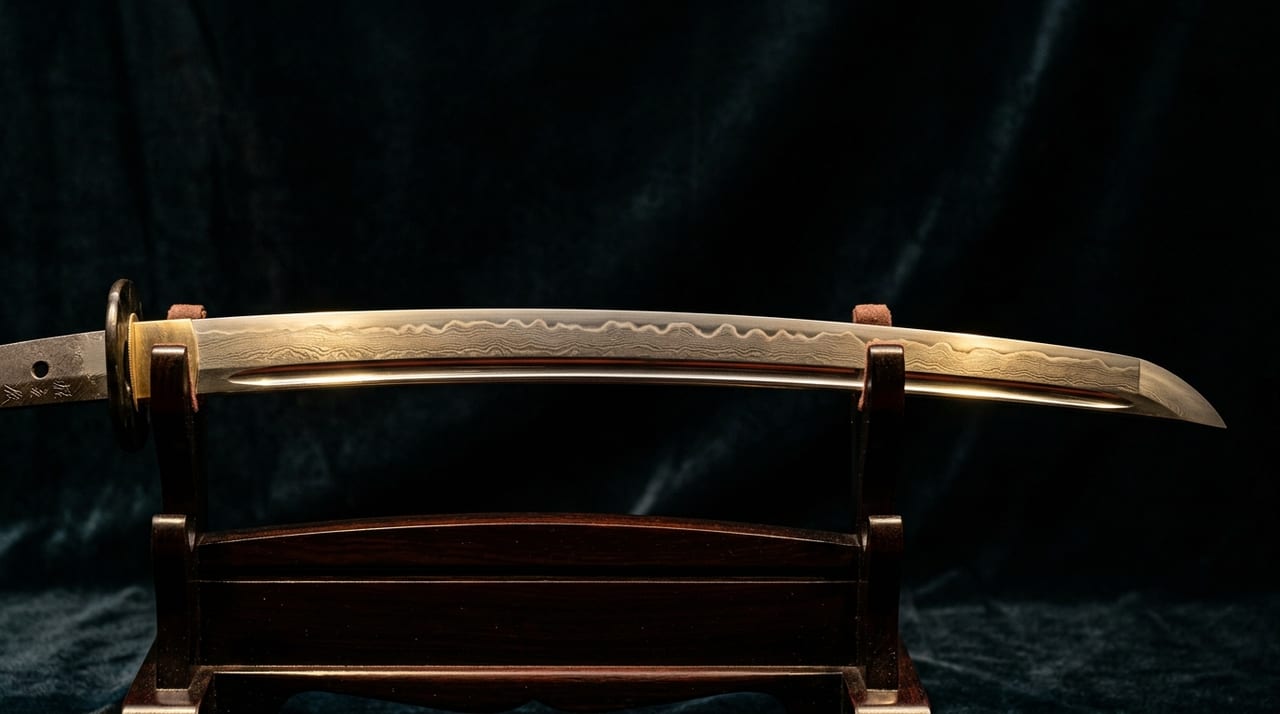 * Image is for illustrative purposes only.
Table of Contents
Overview of Specialized Japanese Sword Auctions
Japanese sword auctions fall into two main categories. One consists of specialized sword auctions (the "Sword Auction" hosted by the Japanese Art Sword Preservation Association, and bidding events hosted by individual sword dealers), while the other involves major international art auction houses such as Bonhams, Christie's, and Sotheby's handling swords. In domestic specialized auctions, prices tend to be established more readily since most participants are professionals in the sword world, while at major overseas auctions, prices can be driven up due to participation by foreign collectors.
Reality of Buyer's Premium
When purchasing a sword at auction, you must be aware that a buyer's premium (auction fee) is added on top of the hammer price (the winning bid price). Overlooking this can result in the actual amount you pay significantly exceeding your budget.
Fee structures by company:
Bonhams (UK/US): Uses a tiered system where the fee rate decreases depending on the hammer price bracket. For sales in the UK, value-added tax (VAT) is added to the commission.
Sotheby's: The fee structure has been revised in recent years. Be sure to check the latest rates on the official Sotheby's website before bidding.
Christie's: Check the official website directly for specific revision dates and fee rates. Since all companies review their rates frequently, make it a habit to confirm the latest rates before bidding.
Domestic Japanese sword auction sites may also charge winning bid fees, with rates varying from site to site. You should budget for the total amount including not just the hammer price, but also commissions, taxes, shipping, and if purchasing from overseas, import costs.
Items to Research Before Bidding
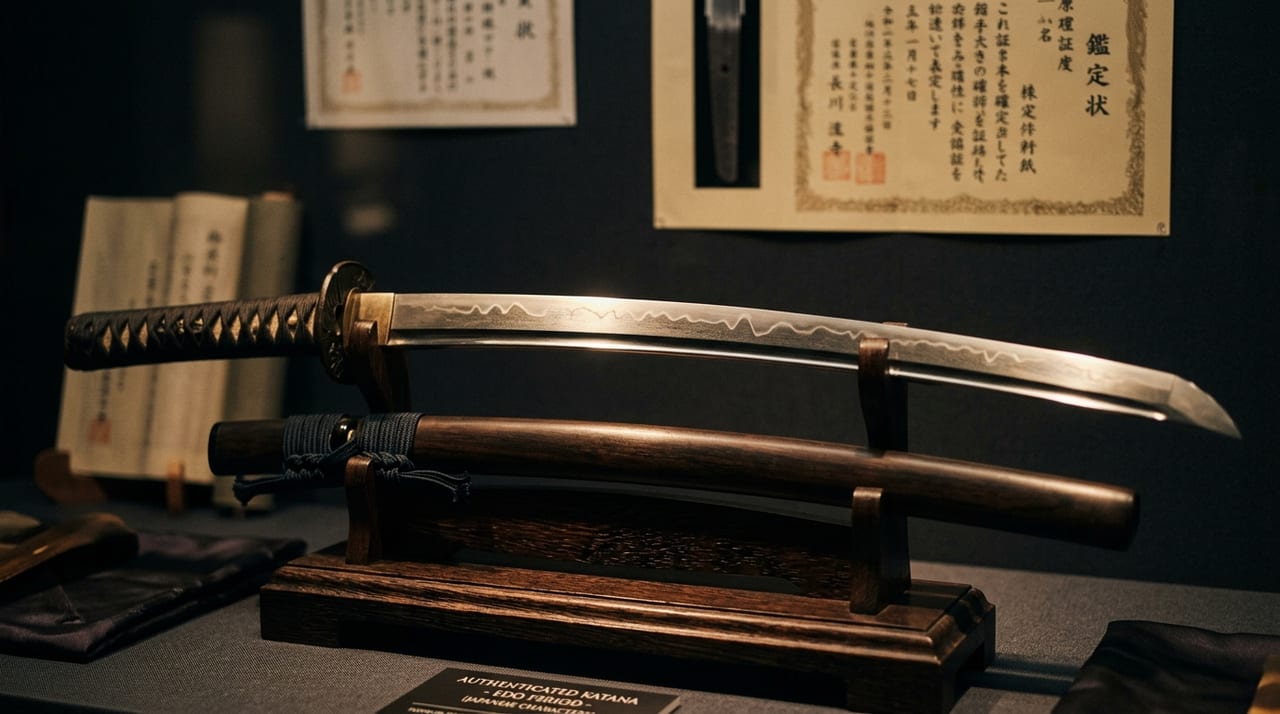
Confirming catalog information: Verify the blade length, curvature, signature (mei), period, and whether a certificate of authenticity exists and its type. Market prices differ significantly between NBTHK Tokuju (Specially Important Swords) and Hozon (Swords for Preservation).
Researching provenance: Swords formerly owned by old daimyo families, former nobility, or renowned collectors receive high valuations in the market. If the catalog notes "formerly owned by ○○ family," this serves as provenance documentation.
Comparing with estimated prices (estimates): The estimate listed in the catalog serves as a market reference, but actual hammer prices may vary above or below it. It is important to research the hammer prices of similar works sold in the past.
Checklist for Preview Viewing
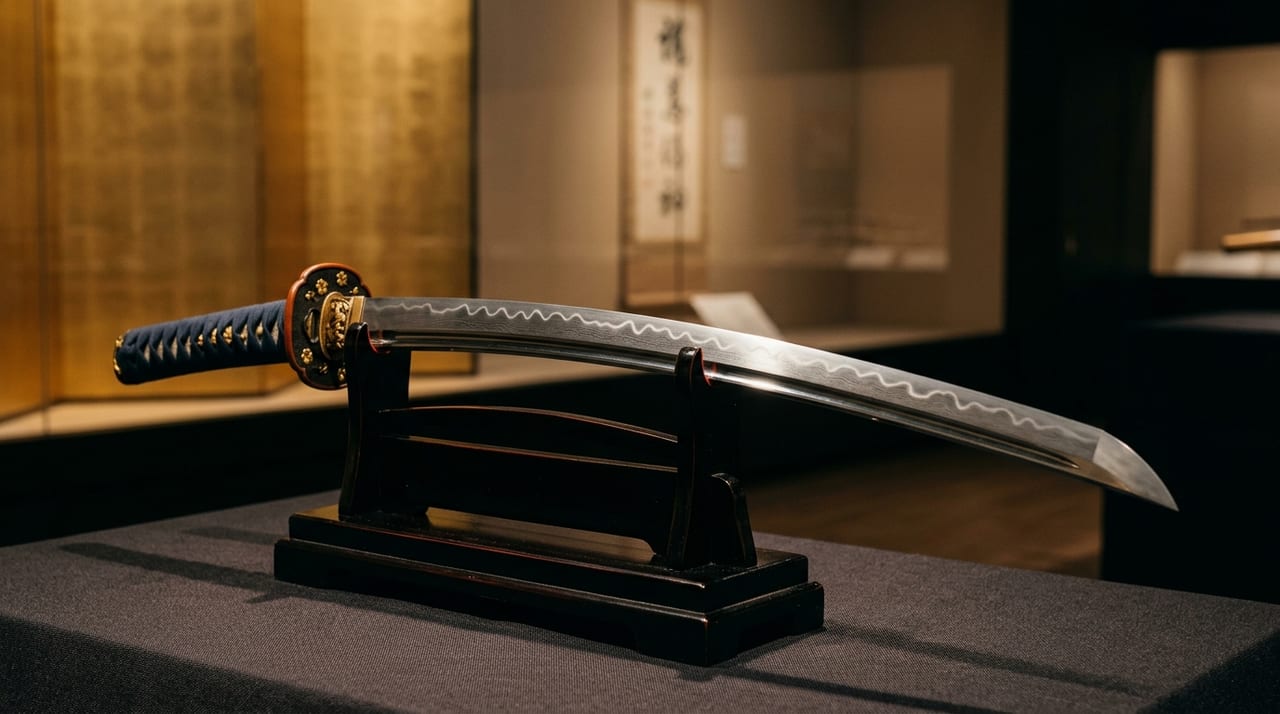
Make maximum use of the opportunity to handle and inspect directly. Verify in person the brightness of the hamon, the grain of the jihada, the color of rust on the nakago, the condition of the handle and scabbard. Do not overlook "whiteness" (lack of brightness in the hamon) or "damage" (scratches) that are difficult to discern in photographs.
Key Factors Affecting Hammer Price
- Certificate rank: Market valuation decreases in the order of Tokuju > Important > Tokubetsu Hozon > Hozon
- Blade smith's reputation: Demand concentrates on specific smiths such as Masamune, Osafune Nagamitsu, and Rai Kunitoshi
- Completeness of accessories: Whether fittings, koshirae, and sword box are complete
- Condition: Presence or absence of re-hardening, wear from polishing, damage, or blade chips
- Provenance: Whether it is from a renowned former collection
Post-Auction Procedures
After winning a bid, you are required by Article 17 of the Swords and Firearms Control Law to notify the prefectural board of education that issued the registration certificate within 20 days (Swords and Firearms Control Law (e-Gov Legal Search)). If you import a sword purchased at an overseas auction, separate procedures will be required both in the exporting country (according to each country's laws) and in Japan (customs clearance and new registration procedures). For online bidding, it is essential to calculate in advance the "effective acquisition cost," which combines exchange rate risk and fees.
Fundamental Principles of Bidding Strategy
Let me organize practical principles to avoid disadvantageous bidding at auction.
Setting a bidding limit in advance: Before bidding, clearly set a maximum price (effective cost including buyer's premium) up to which you are willing to purchase, and do not exceed that amount due to the emotions of competition. In international auctions, the excitement of competition particularly tends to cloud judgment.
Using proxy bidding: If you cannot attend the auction in person, you may be able to use a "proxy bid" (absentee bid) system where you entrust your maximum price to the auction representative. While online bidding platforms exist, consider telephone bidding for important purchases due to the risk of connection failures.
Observing lots at preview: When multiple lots are offered at the same auction, observe earlier lots to understand the price range at which swords with similar provenance and rank are being purchased. This allows you to set a realistic bidding price for your target lot.
We recommend reviewing prices, condition, and registration certificate information in advance before making your decision.