The Sword Revolution of the Nanbokucho Period: Why the Great Tachi and Field Swords Emerged
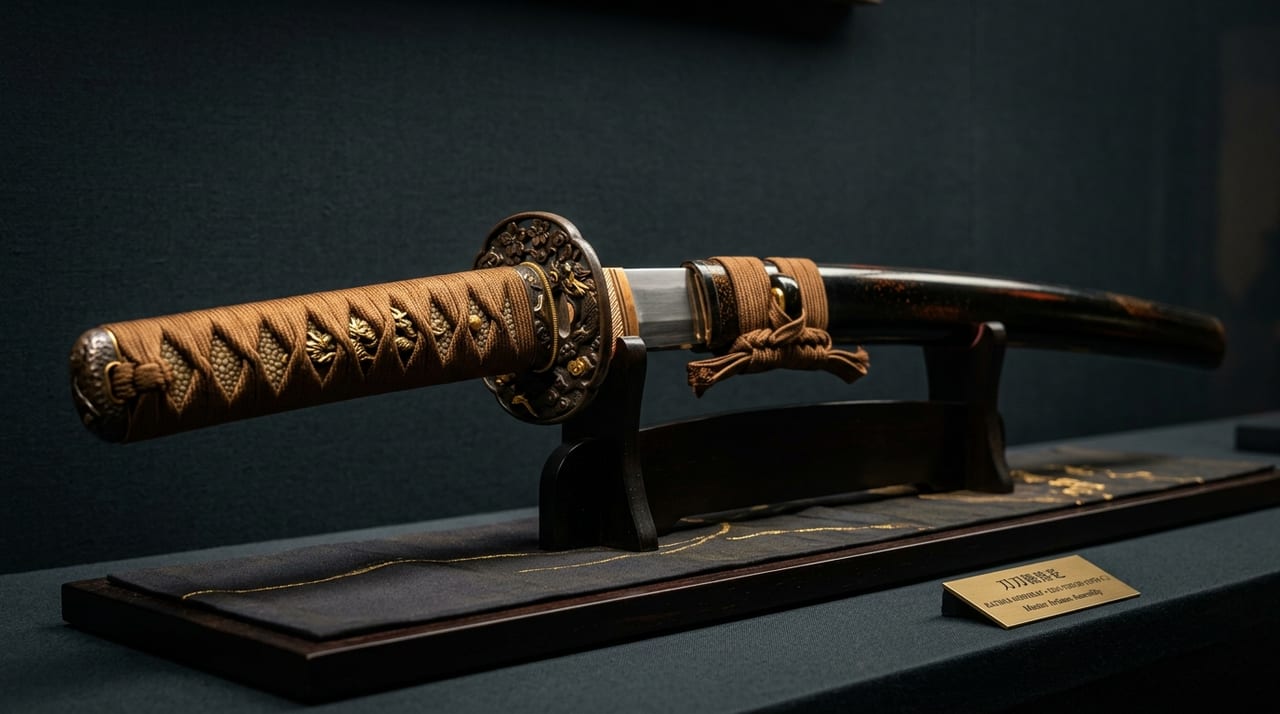 * Image is for illustrative purposes only.
Table of Contents
The Nanboku-chō Upheaval—The Greatest Revolution in Sword History
In 1336, when Ashikaga Takauji established the Muromachi Shogunate by enthroning Emperor Kōmyō, Emperor Go-Daigo simultaneously founded the Southern Court at Yoshino, initiating an unprecedented civil war lasting approximately 56 years. Renowned generals including Kusunoki Masashige, Nitta Yoshisada, Ashikaga Takauji, and Kō no Moronao led massive armies that clashed throughout the nation, with battlefields far exceeding those of the Kamakura period in scale and frequency. This "Nanboku-chō Upheaval" was also the era that brought about the most dramatic changes in Japanese sword design in history.
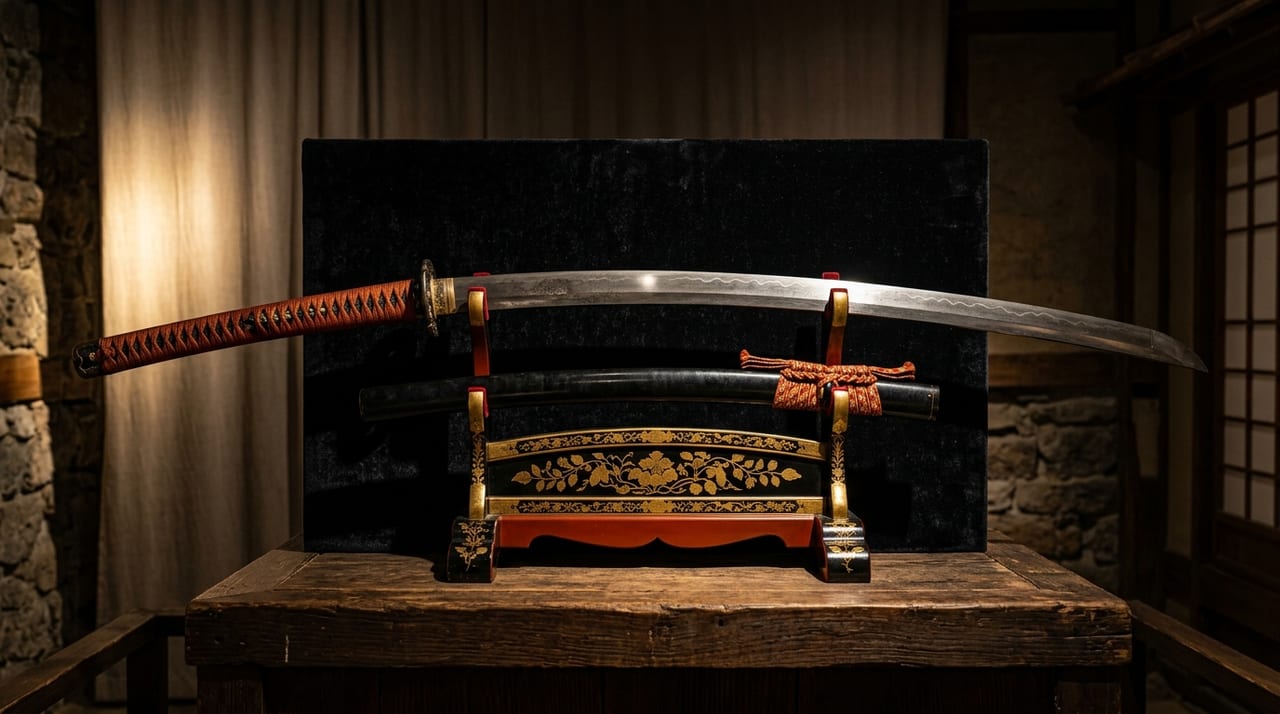
The tachi, which had standardized at approximately 2 shaku (about 60 cm) in blade length, grew into the oversized ōtachi exceeding 3 shaku (about 90 cm), and eventually evolved into the nodachi, which reached 4–5 shaku and was carried on the back. This enlargement was not mere display but a functional evolution demanded by battlefield realities.
Why Did Swords Grow Larger?—Triple Pressure from Tactics, Armor, and Infantry Combat
- Shift to Massed Infantry Combat: Battles during the Heian and Kamakura periods were ideologically centered on one-on-one mounted combat. However, during the Nanboku-chō period, non-samurai known as ashigaru and akutō were mobilized by the thousands and tens of thousands, and long swords capable of mowing down massed infantry became tactically superior.
- Adoption of Naginata-like Techniques: The ōtachi and nodachi were well-suited for wide horizontal sweeps that simultaneously subdued multiple enemies and severed the legs of mounted warriors to render them helpless. Examining the curve of extant ōtachi reveals designs suited to overhead strikes and sweeping cuts rather than drawing cuts.
- Evolution of Armor and Demand for Impact Force: As armor evolved from dōmaru to dōmaru and haramaki, becoming lighter yet stronger, the great centrifugal force and kinetic energy generated by longer blades became essential for penetrating sturdier armor.
Master Swordsmiths of the Nanboku-chō Period—Craftsmen of a Golden Age
This era stands out as an exceptionally concentrated period for "masterpieces in sword history." Continuous large-scale warfare cultivated swordsmiths of the highest caliber, and practical demands pushed technique to its limits.
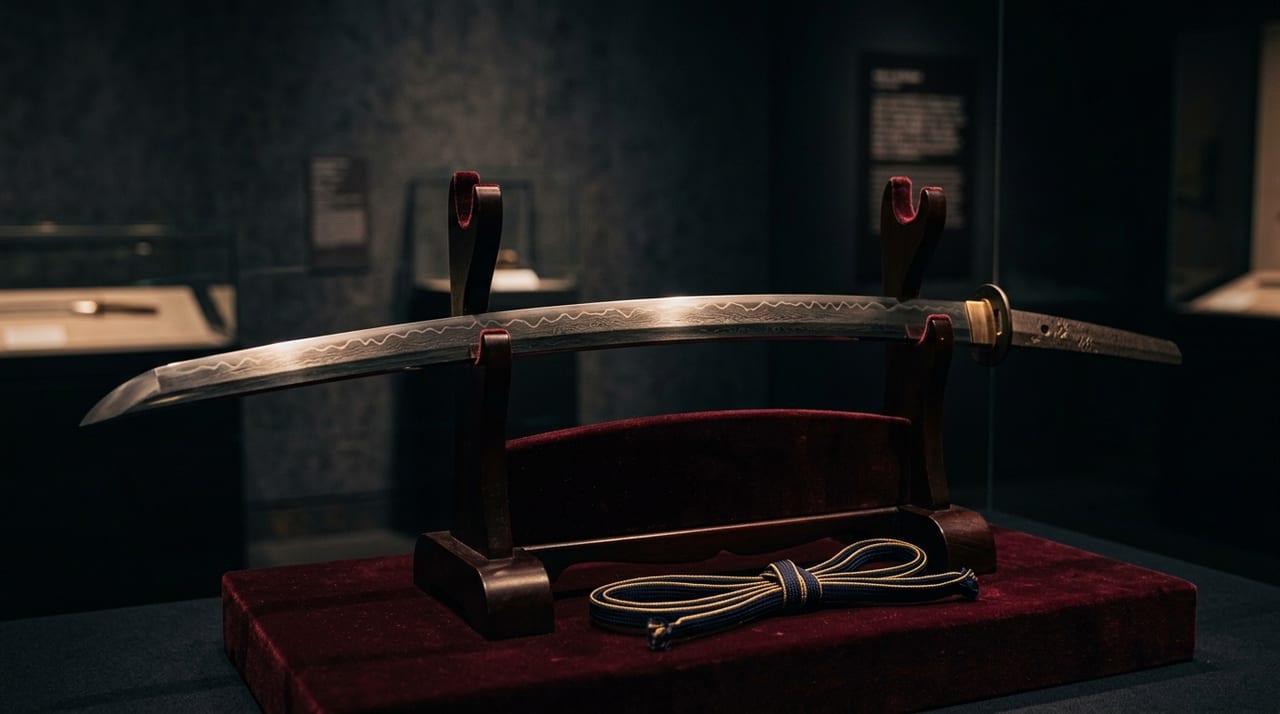
Osafune Kanemitsu represented the Osafune Bizen school and is regarded as the greatest master of the Nanboku-chō period. Active primarily from Enbunn through Teiji (around 1356–67), he forged numerous ōtachi exceeding 3 shaku in blade length. With thick nie adorning a grain pattern of itame and nagare-jita, his hamon—featuring wide suguha and gunome midare—is both magnificent and elegant, radiating an overwhelming presence that continues to captivate viewers across 700 years.
Heirs of the Sōshū Tradition: The generation of Masamune's disciples brought the Sōshū tradition to its peak. Sadamune inherited the depth of nie and beauty of jikei, while Gō no Yoshihiro demonstrated exceptional talent in both tachi and tantō. Extant works by Gō are extremely rare, and each authenticated piece is a treasure coveted by master sword connoisseurs both domestically and abroad.
The Rai school (Yamashiro) produced refined Yamashiro-tradition swords under Rai Kunitoshi, Rai Kunimitsu, and Rai Kunitsugu, while the Aoe school (Bichū) imparted distinctive dignity to ōtachi through its antique-toned jigane and serene hamon. As multiple schools refined their techniques in competition, the Nanboku-chō period became one of the greatest golden ages in Japanese sword history.
Comparing the characteristics of each school is one of the great pleasures of appreciating Nanboku-chō swords.
| School | Characteristics |
|---|---|
| Bizen | Ornate appearance with complex hamon such as chōji midare and gunome on itame and nagare-jita jigane |
| Sōshū | Linear patterns visible along the forging known as jikei, with a powerful appearance featuring abundant ara-nie |
| Yamato | Predominantly suguha and ko-gunome hamon with fine nie on jigane mixed with masame, conveying an antique and refined impression |
| Yamashiro | Dense jigane with evenly distributed nie, projecting an elegant and dignified atmosphere |
Opportunities to verify these characteristics in actual ōtachi are limited to special museum exhibitions and similar venues, but the experience gained there is incomparable as the essence of sword appreciation.
"Suriage": What Modified Blades Reveal About the Era
Many ōtachi from the Nanboku-chō period underwent modification called suriage in later eras. This process, undertaken during the Edo period to conform to the portable standard for uchigata (blade length approximately 2 shaku 3–4 sun), involved shortening the blade length and removing part or all of the nakago. In this process, the swordsmith's signature (mei) carved into the nakago was lost, resulting in numerous swords becoming "suriage-mumei" (unsigned after modification).
For experts, attributing suriage-mumei blades to specific makers is an extraordinarily difficult task. It requires sophisticated connoisseurship to comprehensively assess the jigane's texture, the quality of nie and nioi, hamon form, and kissaki processing to estimate period and school, then narrow down to individual attribution. Conversely, Nanboku-chō ōtachi with completely intact nakago and mei possess special historical value as "zaimei" (signed blades), commanding significantly higher valuations.
The Tangible Reality of History Conveyed by Extant Ōtachi
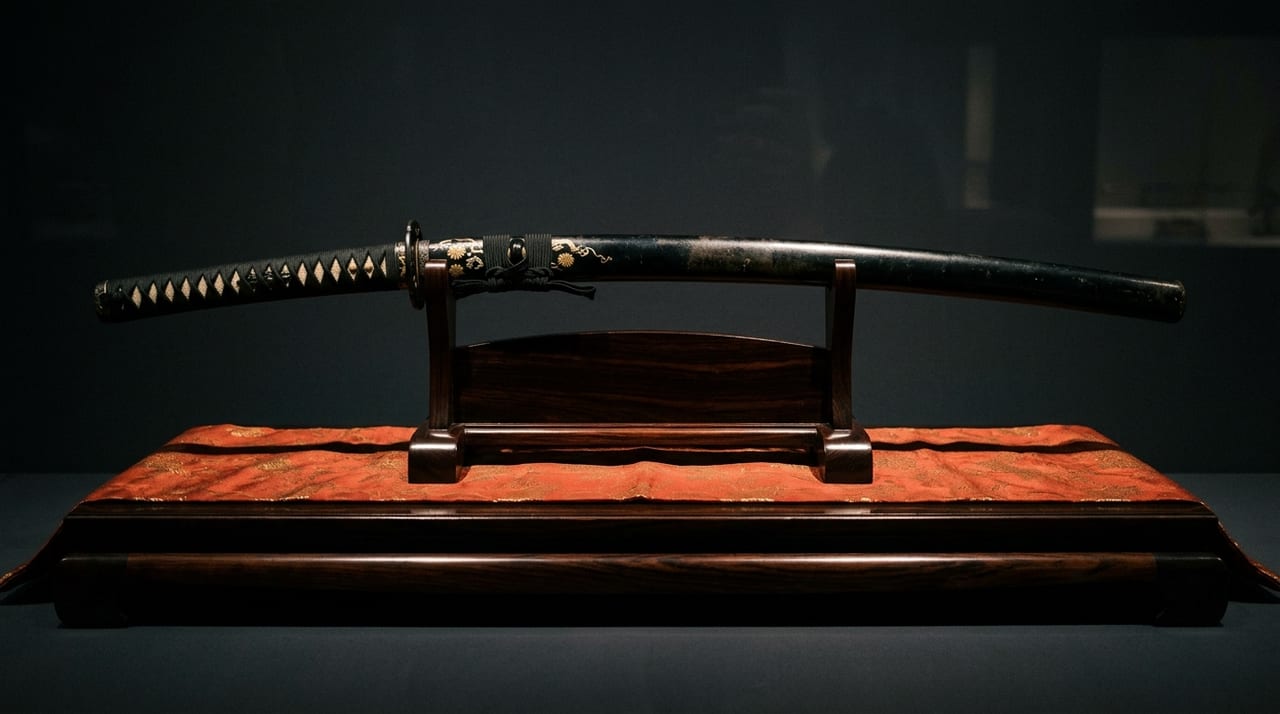
The Nanboku-chō ōtachi preserved in museums and shrine treasuries convey an overwhelming sense of historical reality to the modern viewer. When viewing a nodachi of approximately 4 shaku (about 120 cm) blade length through display glass, the sheer length and weight evoke vivid, concrete images of the ferocity of battlefields 700 years ago.
Most ōtachi transmitted to shrines as votive swords were dedicated by warlords as offerings of prayer for victory or gratitude. Some pieces are traditionally said to have been dedicated after actual use in battle, and these are not mere works of art but historical witnesses embodying the faith and worldview of samurai who survived the Nanboku-chō upheaval.
Into the Warring States—The Legacy of Nanboku-chō
In 1392, with Emperor Go-Kameyama's reunification with the Northern Court, the upheaval reached a temporary resolution, yet the authority of the Muromachi Shogunate declined, and the Warring States period returned following the Ōnin War of 1467.
Swords of the Warring States period evolved in a different direction than those of the Nanboku-chō era. Mass production necessitated the popularization of kazuuchi-mono, and blade shapes shifted from the impressive ōtachi to the more maneuverable uchigata and wakizashi. Yet the ōtachi and nodachi of the Nanboku-chō period remain unparalleled in sword history—not merely as records of scale but as qualitative peaks where historical giants like Masamune, Kanemitsu, and Yoshihiro exhausted their technical mastery. Their legacy continues to powerfully captivate the curiosity of contemporary enthusiasts and scholars.