Classification Guide by Nagasa: How to Calculate Shi, Sun, and Shaku, and the Boundaries Between Tachi, Katana, Wakizashi, and Tantō
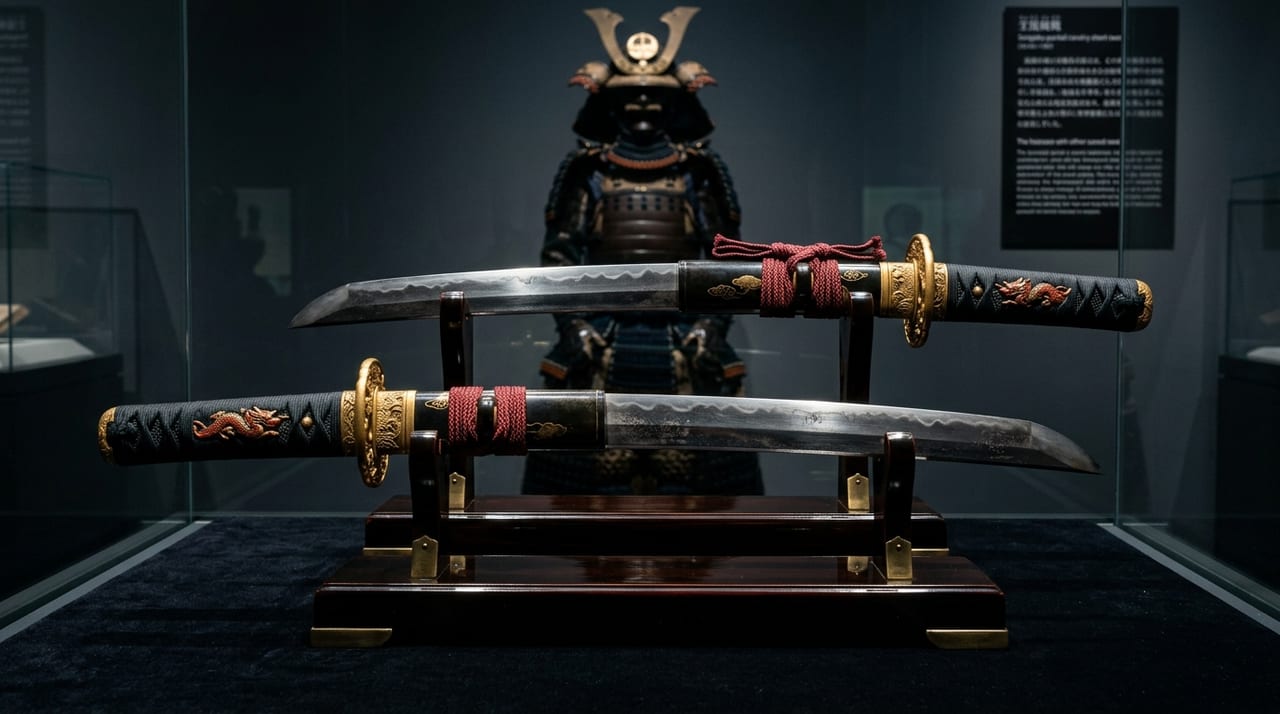 * Image is for illustrative purposes only.
Table of Contents
Classification by Nagasa — The Standards of Japanese Swords and Their Meaning
There are multiple criteria for classifying Japanese swords, but the most fundamental of these is classification by nagasa (blade length). Nagasa refers to the length from the kissaki (point) of the blade to the base of the nakago (habaki moto). This simple figure serves as an important indicator of the sword's intended use, period, and place of manufacture.
Nagasa is not merely a numerical measurement; it is an important characteristic that reflects the sword's function and historical background. Knowing the nagasa allows one to infer the environment and purpose for which the sword was used.
How to Measure Nagasa
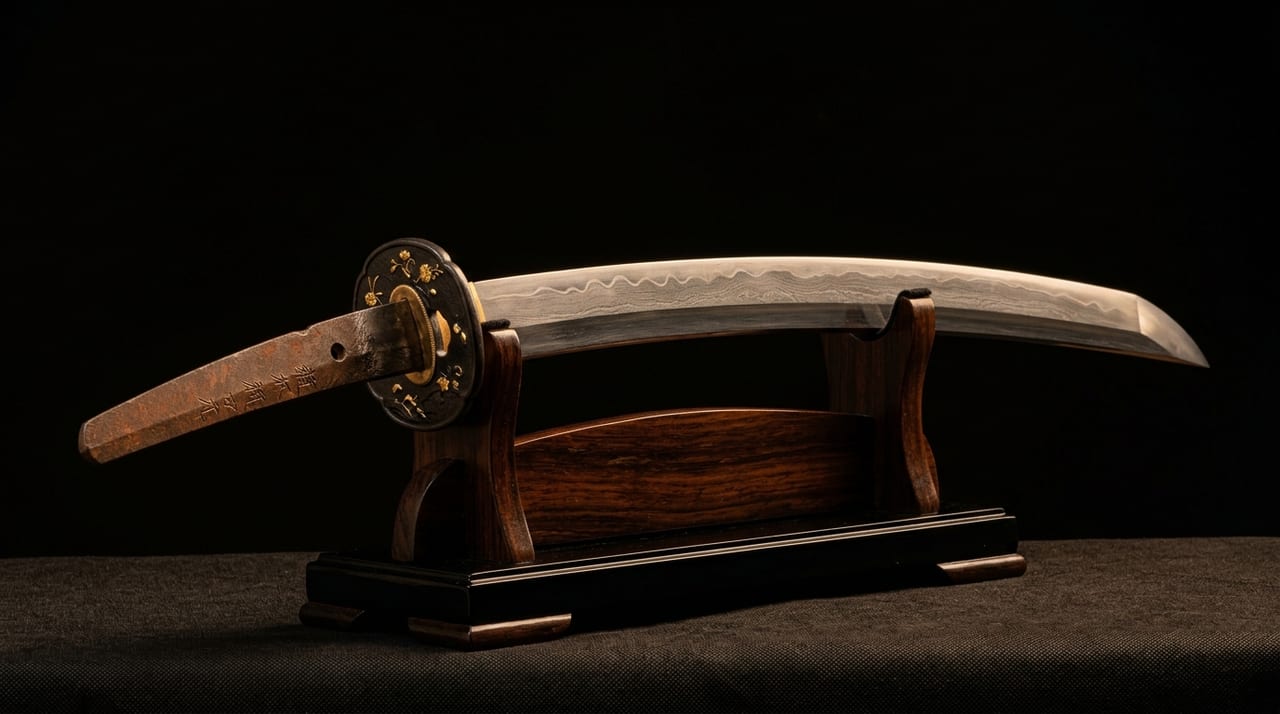
There is a strict and standardized method for measuring nagasa. The sword is placed horizontally, and the distance from the very tip of the kissaki to the habaki at the base of the nakago (the metal collar at the junction between the blade and the tsuka (hilt)) is measured in a straight line. The sori (curvature) of the blade is not included in this measurement. In other words, nagasa is a straight-line distance, not a measurement along the sori.
In practice, measurement is often taken along the back of the blade (the mune (back of the blade) side). This is because a slight difference arises between the front and back sides. This measurement method is standardized among specialists and is used in the appraisal and evaluation of swords.
When measuring, it is important to hold the sword firmly in place and to apply a ruler or tape measure precisely. Even a slight margin of error can affect the evaluation, so careful work is required.
Classification Standards and Nomenclature
The classification of Japanese swords is based on the following nagasa standards, and each category has its own characteristics and uses.
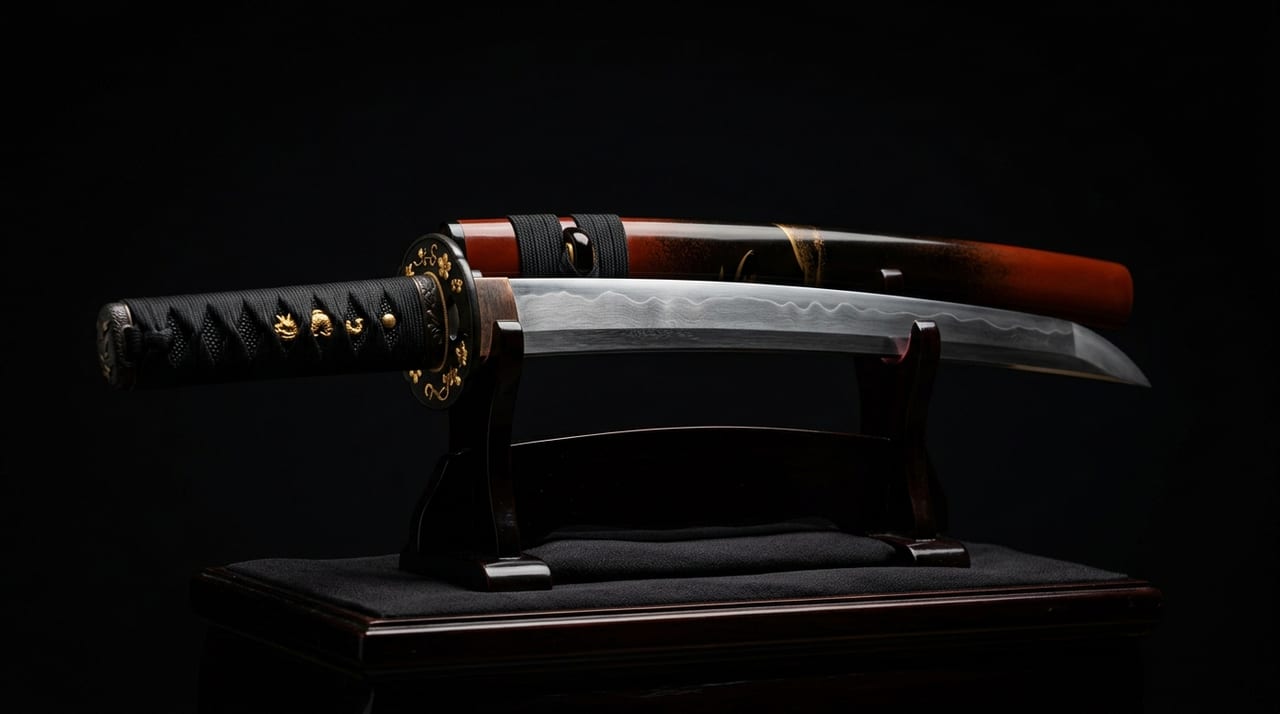
Tantō: nagasa under 30 cm The tantō is a weapon designed with portability in mind. It can be carried in the breast of one's garment, making it suited for combat indoors or in confined spaces. Shorter than the wakizashi, it is designed for uses closer to those of a knife. During the Edo period, such small blades were valued both as personal weapons and as ceremonial implements.
Wakizashi: nagasa 30 cm or more and under 60 cm The wakizashi is a sword worn thrust through the sash at the waist. Serving an intermediate role between the tachi and the tantō, it was prized as a highly versatile weapon. In the Edo period, it became a symbolic weapon indicating a warrior's social standing. The right to carry a wakizashi was restricted according to one's status.
Katana: nagasa 60 cm or more and under 80 cm The katana is the most common type of Japanese sword. It became the primary weapon of the warrior class in the Edo period and is recognized as the archetypal form of the Japanese sword. Excelling in balance and practicality, it was the weapon of choice for many warriors. The katana's design is the form in which the skill and aesthetic sensibility of tōkō (swordsmiths) is most fully expressed.
Tachi: nagasa 80 cm or more The tachi is the longest type of sword. Originally manufactured for use on horseback, it was the primary weapon from the Kamakura period through the Muromachi period. Its greater nagasa allowed it to reach more distant opponents and deliver greater force. The tachi is the highest class of work, requiring the advanced skill of tōkō.
Relationship to Ancient Units of Measurement
The classification of Japanese swords is related to old Japanese units of length. Understanding these units allows one to interpret descriptions in historical documents more accurately.
Shi: the width of the spread between the thumb and index finger; equivalent to approximately 18–20 cm. The tantō is sometimes described as "1 to 1.5 shi." Tōkō of earlier times expressed sword sizes using such body-based units of measurement.
Sun: a length of approximately 3.03 cm; this unit was officially used during the Edo period. The wakizashi is sometimes described as "20 sun or more and under 40 sun." This unit is based on more precise measurement.
Shaku: a length of approximately 30.3 cm. The tachi is sometimes described as "3 shaku or more." The shaku was the most common unit of length in old Japan. Knowing these units enables one to convert descriptions in old documents into modern lengths.
Nagasa and Historical Context
The length of the nagasa reflects the military technology and combat style of its era. Changes in sword form are closely linked to changes in the methods of warfare.
Kamakura Period (the era of the tachi): In an age when mounted combat was predominant, the tachi (80 cm or more) was the primary weapon. Its long blade made it easier to reach enemies from horseback. Mounted warriors trained extensively to master the tachi.
Muromachi Period (a transitional era): As combat styles shifted from mounted fighting to infantry warfare, the katana (60–80 cm) grew in popularity. In infantry combat, shorter swords offered superior maneuverability. Demand for the katana grew rapidly, and tōkō began devoting their efforts to producing swords in this new form.
Edo Period (the era of the katana): In a time of peace, the katana became a symbol of a warrior's status. In this era, the katana (60–80 cm) became the most common form. At the same time, the wakizashi became established as a secondary weapon for warriors, and carrying both the katana and the wakizashi became a symbol of social standing.
Blade Balance and Practicality
The longer the nagasa, the farther one can reach an opponent, but the greater the difficulty of handling. Tōshō (swordsmiths) answered the combat needs of each era by crafting well-balanced swords in accordance with the nagasa.
Even among tachi of the same 80 cm, the sori, width, and thickness differ according to the period and place of manufacture, with each designed to achieve optimal combat performance. The skill of the tōkō is expressed in the precision of such balance adjustments.
The Significance of Nagasa in the Modern Era
For modern collectors of Japanese swords, classification by nagasa remains important. Knowing the nagasa makes it possible to infer, to a degree, the sword's intended use, period, and regional characteristics. Nagasa also serves as a criterion in aesthetic value assessment. Nagasa is a fundamental element for understanding the Japanese sword as a cultural heritage.