Mune Types and Morphology — How iori-mune, maru-mune, kaku-mune, and mitsu-mune Reveal Sword Schools and Eras
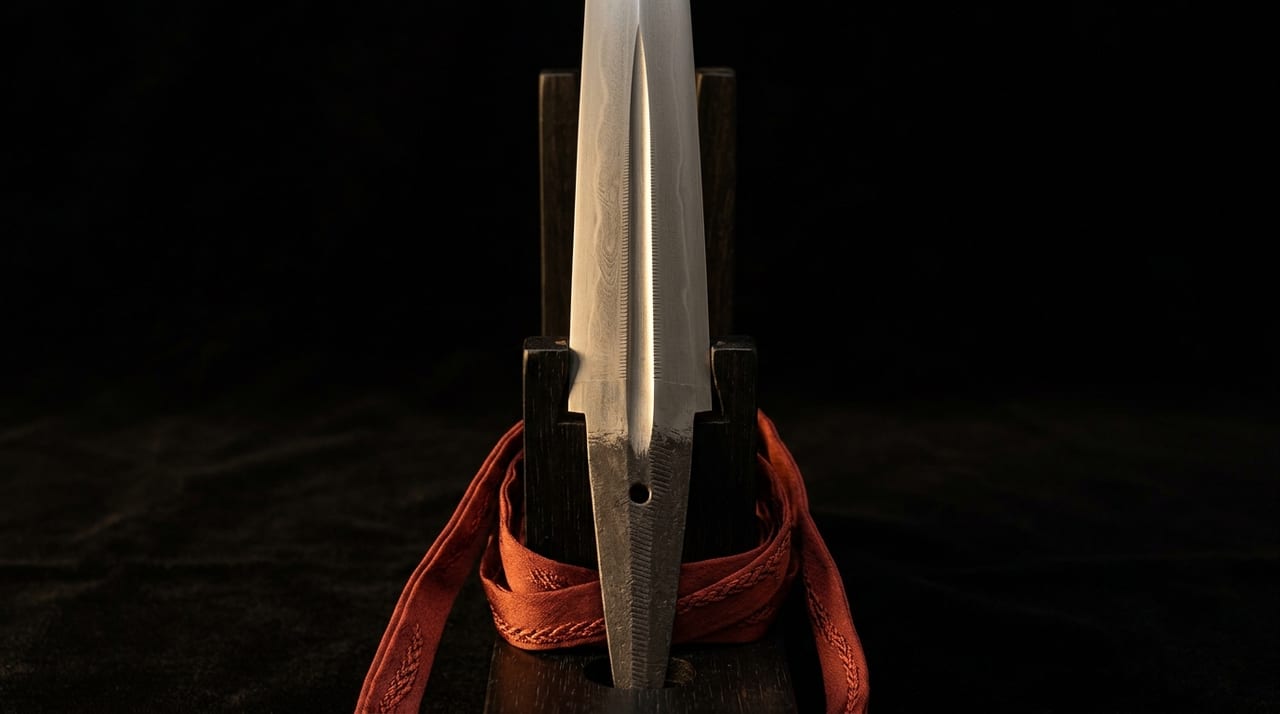 * Image is for illustrative purposes only.
Table of Contents
What is the Mune? — The Meaning of the Ridge Line on the Sword's Back
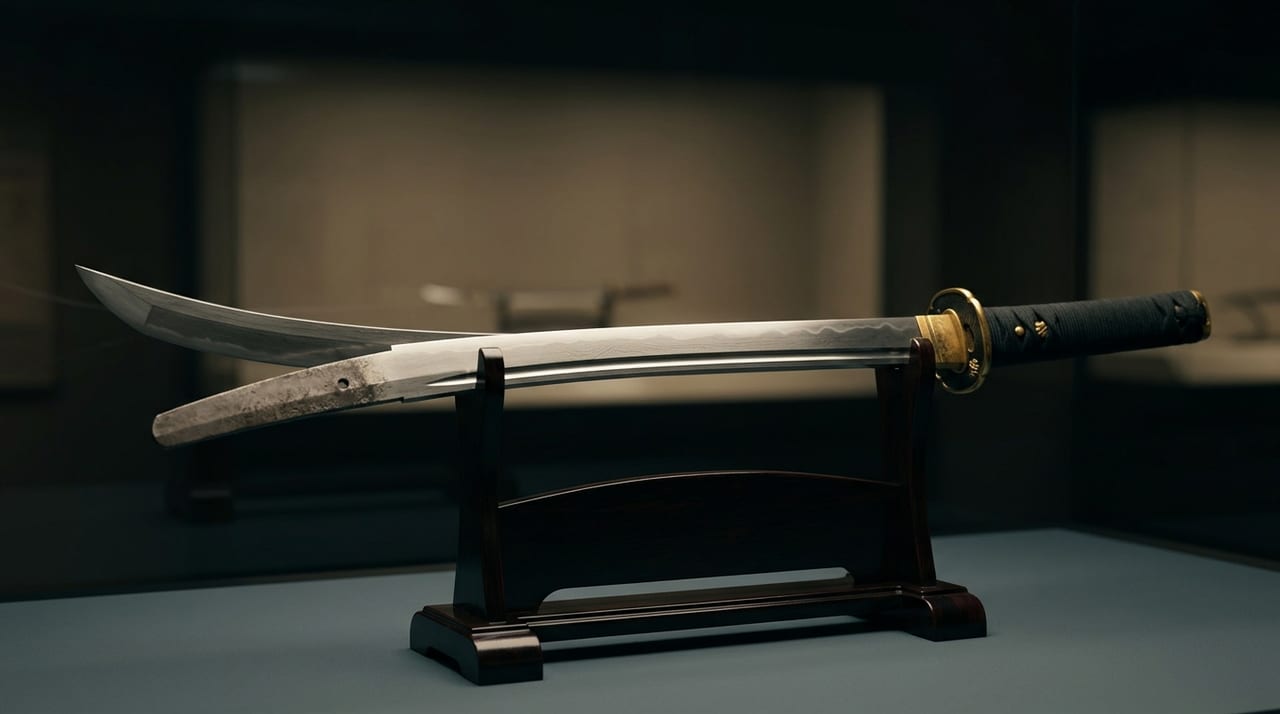
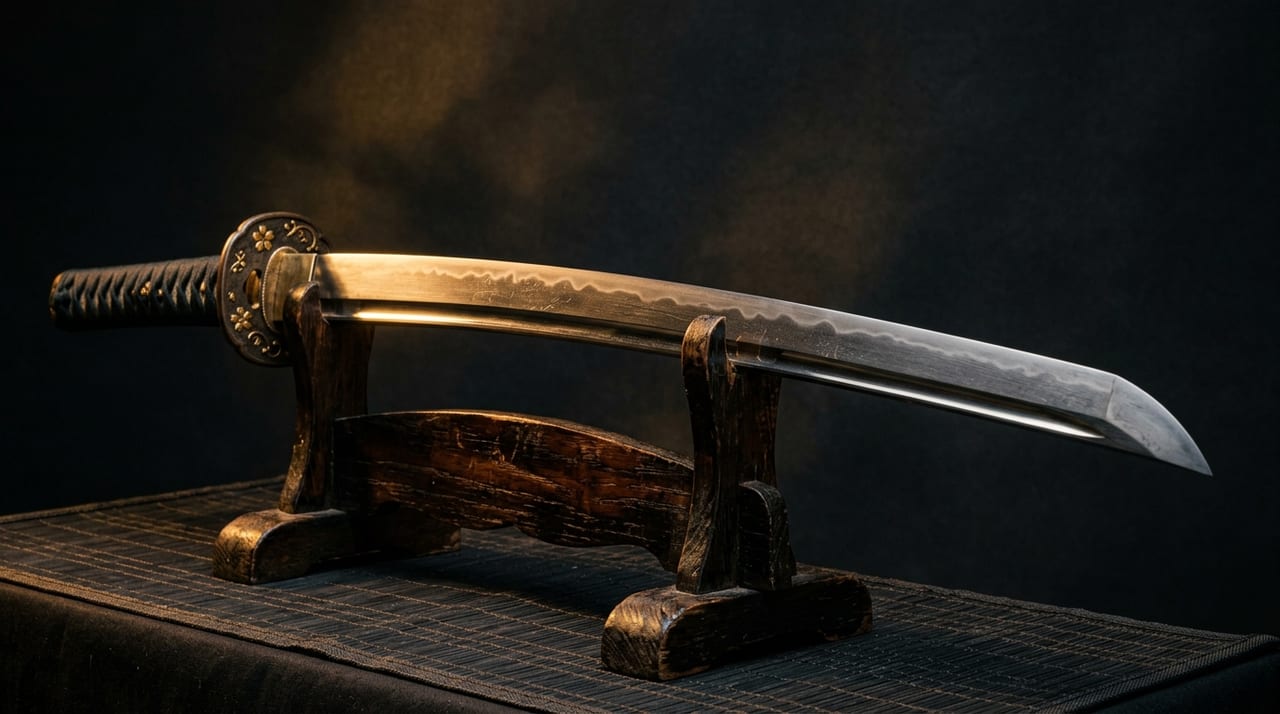
When appreciating a Japanese sword, most people's gaze first turns to the hamon and the jigane. However, the mune that runs along the back of the blade is also an indispensable element in understanding the morphology of the sword. The mune is the ridge line on the opposite side of the edge—in other words, the back of the sword—and is classified into multiple types depending on the cross-sectional shape of the blade.
Although the shape of the mune does not produce as dramatic a visual effect as the hamon, it deeply reflects the technical traditions of schools and the aesthetic preferences of the era. The choice of which mune a swordsmith selected was not merely a matter of aesthetic preference, but a decision deeply connected to forging techniques, hardening methods, and intended use. In sword appraisal and authentication, the shape of the mune is also considered one of the important clues for estimating the sword's school of origin and period of manufacture.
The Four Basic Types of Mune — Iori Mune, Maru Mune, Kaku Mune, and Mitsu Mune
The shape of the mune is broadly classified into four types.
| Type | Alternative Name | Characteristics | Era / School |
|---|---|---|---|
| Iori Mune | The cross-section forms a gentle triangular ridge at the apex (suggesting the shape of a roof structure), with the ridge sides tilting equally on both sides to form the edge. The standard mune used in shinogizukuri blades. The angle of the mune's beveled edge varies subtly from swordsmith to swordsmith and can serve as a clue in authentication. It is noted that the mune side deflects force smoothly during parrying, which is an advantage. | Adopted continuously from the ancient blade period to modern blades | |
| Maru Mune | Kusa no Mune | The apex of the mune has a rounded, semicircular curve, and the cross-section forms a gentle curve, giving a softer visual impression. The ridge side tends to be thicker, creating a form with a distinctly soft quality. | Frequently seen in tachi of the Yamashiro school (Raiden-ha and Awataguichi-ha) from the Heian to Kamakura periods, connected to the Yamashiro school's unique aesthetic preference for rounded lines |
| Kaku Mune | Tai Mune | The apex of the mune has a flat surface, and the cross-section is nearly trapezoidal. Although often mistakenly thought to be common in the Soshu school, it is originally positioned as a remnant from the straight-blade era. | The oldest and most frequently seen mune form in ancient blades (straight blades from the Nara period and earlier). After the Heian period, when swords developed a curve, it became rarely used |
| Mitsu Mune | Shin no Mune | A special form with multiple ridge lines running along the mune, where the cross-section forms a three-sided trapezoidal structure with the central face of the mune and its side faces clearly separated by distinct edges. Requires high technical skill of the swordsmith. Often discussed in relation to naginata, but originally, examples of use in swords and tanto are important authentication indicators. | A form commonly seen in swords and tanto of the Yamashiro and Soshu schools |
The Relationship Between Mune Shape and School
The shape of the mune is closely connected to the characteristics of a school. As mentioned earlier, there were periods when the maru mune was preferred in the Yamashiro school, and the iori mune was standard in the Bizen school (centered in Okayama Prefecture, a major sword-producing region). Bizen swordsmiths such as those of the Bizen Ichimonji School and Osafune School achieved a clean, refined appearance of the sword through the iori mune.
In the works of representative Soshu swordsmiths such as Masamune and Sadamune, the mune is typically relatively thin and sharp, appearing as an iori mune or shape close to a kaku mune. The technical characteristic of the Soshu school, the "vigorous hamon with nie," also affects the mune side, and a hamon phenomenon on the mune called mune-yaki sometimes occurs. The presence or absence of this mune-yaki is also an important observation point in authentication.
In the Sanjo and Awataguichi schools of the Yamashiro school (a major sword-producing region centered in Kyoto), iori mune and maru mune are used, but in both cases, the ridge line of the mune tends to be finished with extreme delicacy and symmetry. The refined and sophisticated appearance of the sword characteristic of the Yamashiro school is evident in the precise finishing of the mune.
Finishing the Mune — File Marks and Ornamentation
The surface of the mune not only exhibits a simple shape, but may also receive finishing treatment called kesho-yasuri (ornamental file work). Kesho-yasuri is a technique of applying a file to the mune surface and various parts of the blade to create a specific pattern, reflecting the individuality of the swordsmith and the fashions of the era.
There are various patterns in the kesho-yasuri of the mune, such as "kesho-kiri" (creating horizontal grooves one at a time) and styles of applying diagonal file marks. These finishing patterns serve as evidence of the "hand habits" of the swordsmith alongside the maker's signature, and are referenced by researchers as a basis for attributing unsigned blades.
Additionally, the rounding of the mune's edge and the shape of the mune-machi (the section corresponding to the shinogi-machi on the mune) also serve as indicators of the care taken in finishing. In the works of master swordsmiths, the line of the mune from the mune-machi to the kissaki is perfectly balanced like a taut thread, and its gentle curve enhances the dignity of the entire sword.
Mune-Yaki and the Structural Significance of the Mune
Mune-yaki is a phenomenon where, during hardening, the hardening either intentionally or incidentally extends to the mune side. As exemplified by the hitatsurate technique of the Soshu school, there was a technique of applying bold hardening that extends to the entire blade body. Hitatsurate is a technique perfected by Soshu swordsmiths during the Nanbokucho period, creating a magnificent landscape with nie, ha, and tobigyaki scattered across the entire blade surface.
Swords with mune-yaki have increased points of interest for appreciation, but the hardening of the mune side also increases the risk of breaking or chipping. Swordsmiths who valued practical combat use chose designs that kept the mune side flexible, while those intending swords for viewing and ceremonial use pursued the visual richness provided by mune-yaki. Such differences in design philosophy were also reflected in the selection of mune shape.
Appreciating in Practice — How to View the Mune
When actually handling and appreciating a Japanese sword (observing it in soft light after removing it from its white scabbard), the following steps are recommended for observing the mune:
- Tilt the blade to check the symmetry of the ridge line on the mune side. For an iori mune, verify that the triangular ridge is symmetrical on both sides; for a maru mune, observe whether the curve is smooth; for a kaku mune, check whether the flat surface is clearly defined.
- Observe the overall line of the mune—confirm whether the curve of the mune from the nakago to the kissaki harmonizes with the curvature of the blade. The beauty of this line is an important element that determines the "quality of the sword's appearance."
When authentication documents or exhibition descriptions note "Mune—Iori Mune" or "Mune—Maru Mune," this information serves as one factor in comprehensively assessing the sword's origin, school, and period. By understanding just the shape of the mune, the technical choices of the swordsmith and the depth of tradition behind the sword become more concretely apparent.
The appeal of the Japanese sword does not lie in the hamon alone. In the mune, the "back" of the sword, the aesthetic sensibility and technical philosophy of the swordsmith are also inscribed. TOUKENZA's online catalog features swords from diverse schools and eras, and you can also view information about mune shapes. If you find a sword of interest, please contact us through our inquiry form.