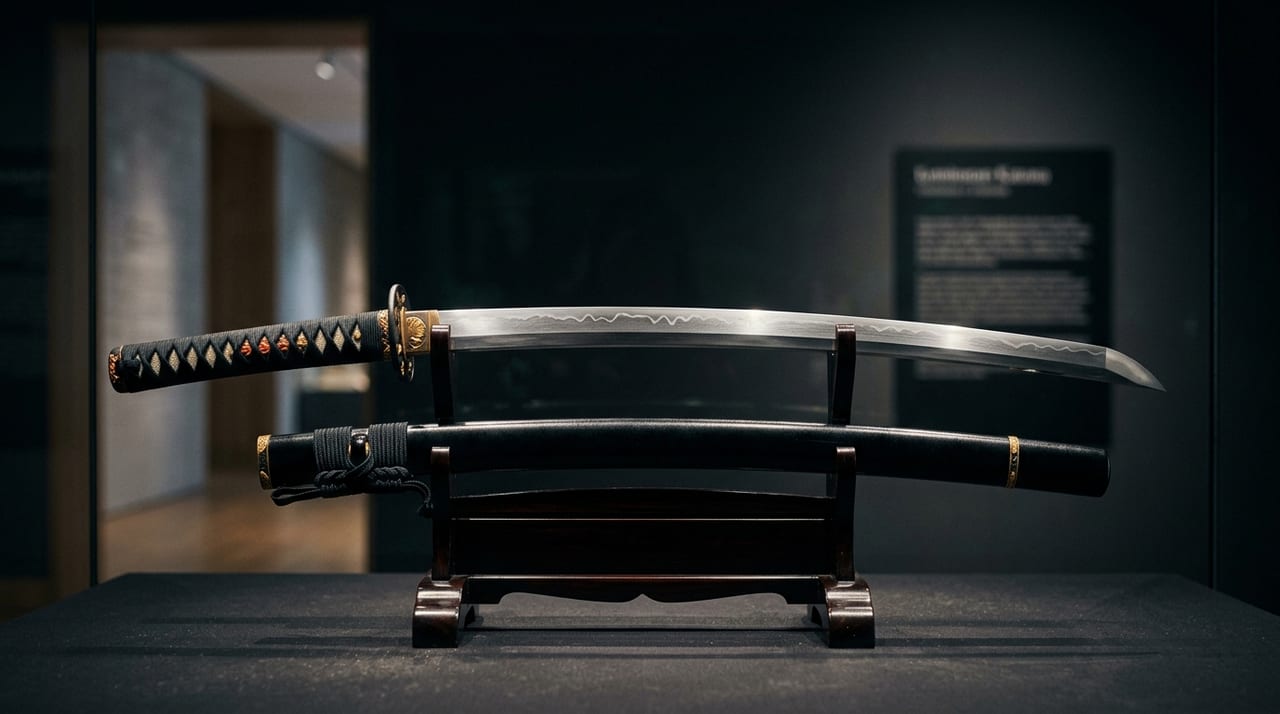
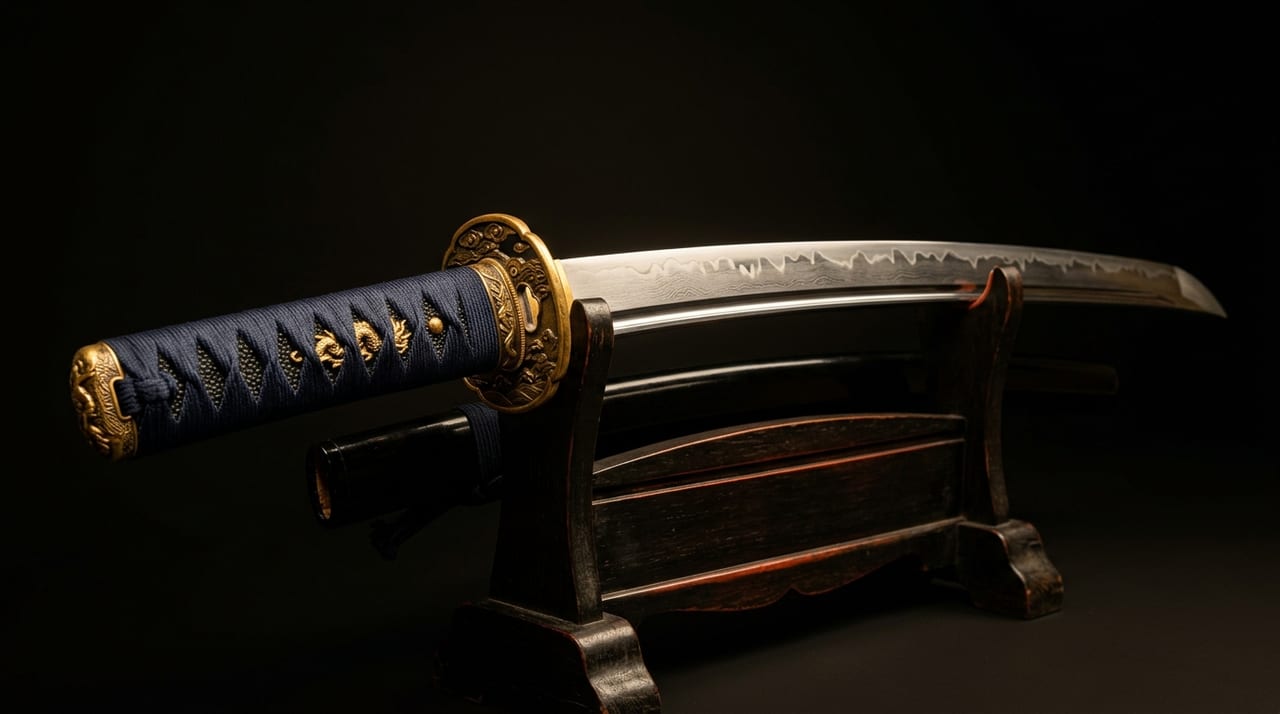
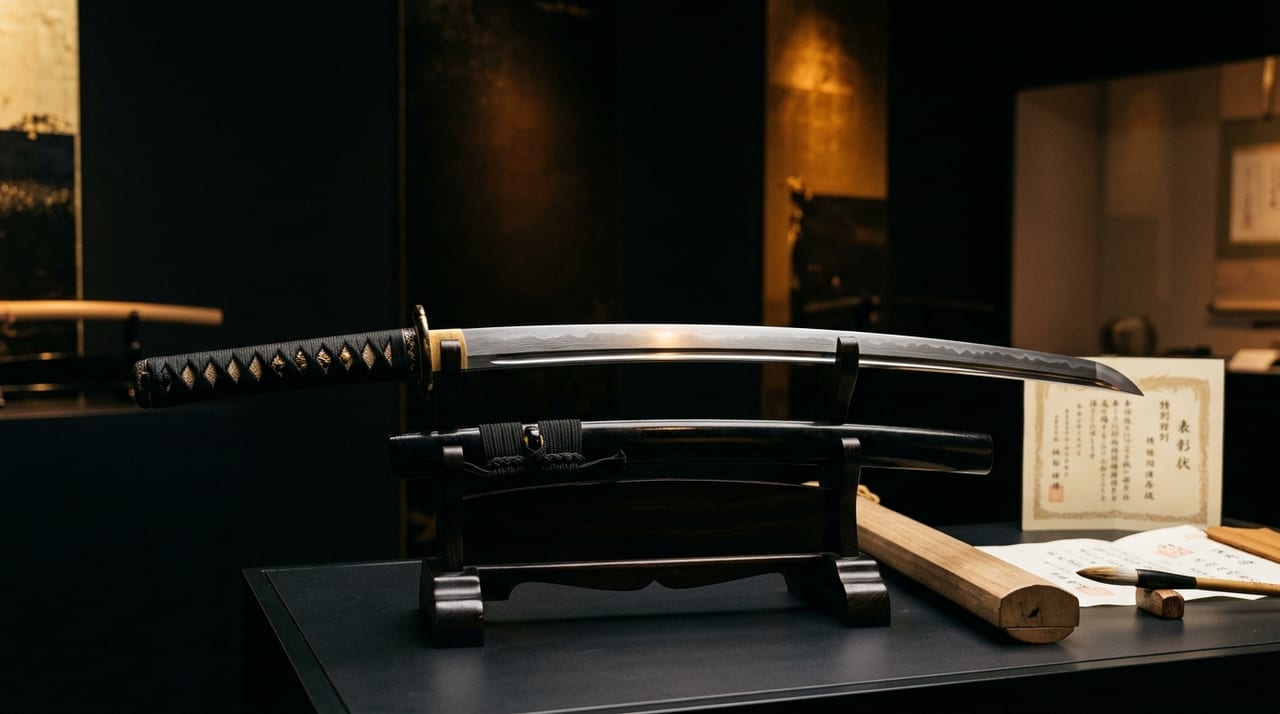
The Industrial Structure of Replica and Iaido Practice Swords: Manufacturing and Distribution Coexisting with Authentic Tōken
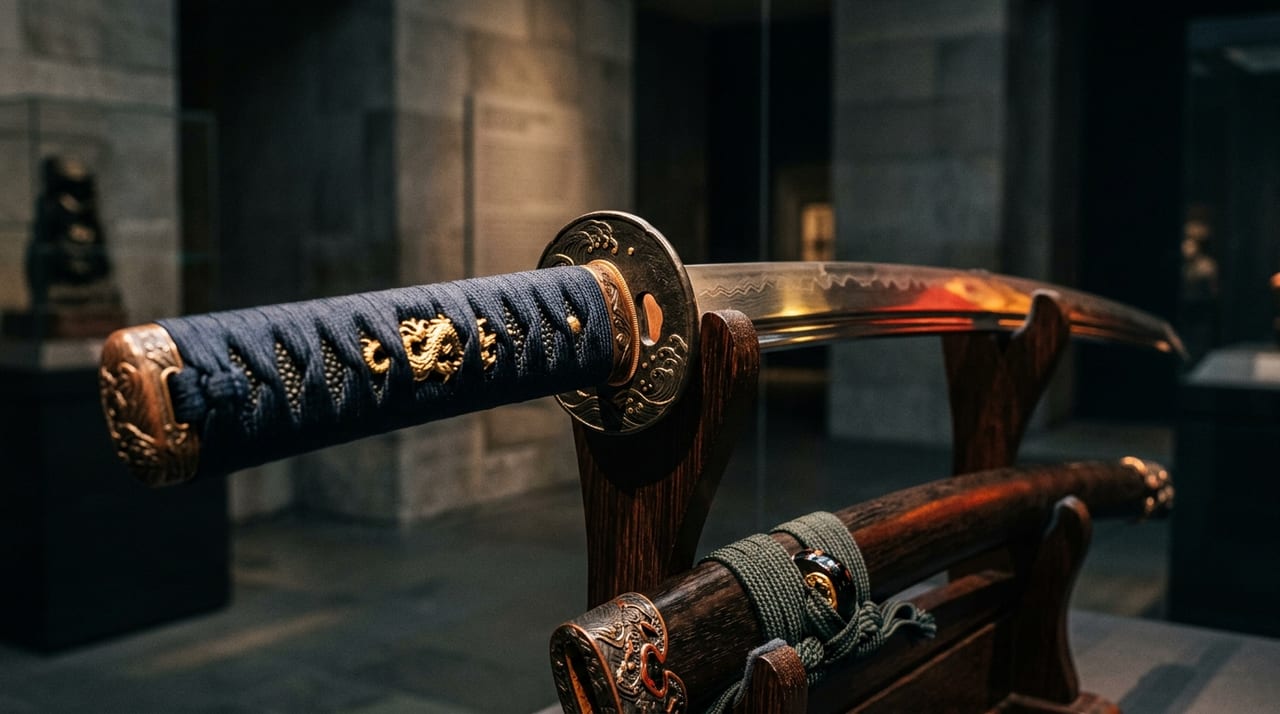 * Image is for illustrative purposes only.
Table of Contents
In the world of Japanese swords, alongside culturally significant authentic blades, there exists an independent industry of replica swords and iaido training swords. Though these appear to be the same "swords" at first glance, they have different industrial structures in terms of legal regulation, manufacturing processes, distribution channels, and customer base. This article examines the reality of the replica sword and iaido training sword industry from an industrial perspective.
What Are Replica Swords — Legal Definition and Product Categories
In the Firearms and Swords Control Act (Gun and Sword Law), "swords" refers to swords, spears, naginatas, and similar items with a blade length of 15 centimeters or more. In contrast, replica swords are a category of products designed to fall outside this legal definition. The main product categories are as follows.
- Imitation swords: These have no blade, are made of metal, have the appearance of a sword, but lack cutting functionality.
- Iaido swords (also called "iaido-iai swords" or "training swords"): Designed exclusively for practice in iaido and battoujutsu, the blade is made of non-ferrous metal such as zinc alloy and is not used for test cutting; no registration certificate is required. Real swords (authentic Japanese blades) are necessary for test cutting using bundled straw and bamboo, while iaido swords are for appreciation and form practice.
- Replica swords as decorative items: Made of aluminum alloy or zinc die-cast, these circulate in the market.
These are legally distinguished from authentic Japanese swords (art swords) and can generally be purchased and possessed without a registration certificate. This difference in regulation forms the foundation that allows the replica sword industry to exist as a market completely separate from authentic swords.
Manufacturing Reality — Production Areas, Materials, and Processes
The main production centers for iaido training swords are Seki City in Gifu Prefecture and the adjacent cutlery manufacturing region of Aichi Prefecture. Seki has long been known as a center for cutlery production, and apart from authentic Japanese sword forging, it holds a leading domestic share in mass production of iaido swords. Overseas, Longquan (龍泉) in Zhejiang Province, China, has become a major global production center for replica Japanese swords, with most inexpensive replica products being imports from this region.
The manufacturing process for domestically produced iaido swords differs greatly from authentic Japanese sword forging. Special machine tool steel is often used for the blade material, and mass production is achieved through press forming and grinding. However, higher-end products incorporate hand-crafting techniques similar to Japanese sword forging methods, and products priced above 100,000 yen form the upper segment of the training sword market.
Handle, sheath, and guard components range from plastic to high-quality products using genuine water buffalo horn and genuine shark skin. This high level of customization supports demand among iaido enthusiasts for "training swords to their own preference."
Distribution Channels and Customer Characteristics
The distribution of replica swords and iaido training swords operates through independent channels that barely intersect with the authentic sword industry. The main sales routes are as follows:
- Martial arts equipment specialty shops for iaido, battoujutsu, and related disciplines: The largest distribution hub, with martial arts supply stores nationwide serving as the primary sales outlet for iaido swords. These stores maintain close relationships with training halls and offer a wide range of products from beginner to advanced levels.
- Online sales: In recent years, this channel has grown in importance, with purchases increasingly occurring through manufacturers' direct e-commerce sites and martial arts equipment retailers.
The customer base can be broadly divided into three categories.
- Practitioners of iaido, kendo, and battoujutsu: The largest segment with clear practice-oriented needs.
- Cosplay and filming prop purchasers: This segment has grown rapidly in recent years, driven by demand for replica swords coordinating with anime and period drama costumes in the e-commerce market.
- Beginner collectors seeking interior decoration or collection purposes: Many cases involve purchasing replica swords as an entry point to the authentic sword market.
Price ranges are as follows:
| Category | Price Range |
|---|---|
| Inexpensive Chinese-made decorative items | From several thousand yen |
| High-end domestically produced iaido swords | 200,000–300,000 yen |
| Authentic art swords | Several hundred thousand to several million yen |
Compared to authentic art swords, which are priced in the several hundred thousand to several million yen range, the replica and iaido sword market is centered on mass-market price points.
Market Segmentation and Interaction Between Replica Swords and the Authentic Sword Industry
The replica sword industry and the authentic sword market are fundamentally segmented based on different legal regulations, price ranges, and customer bases. However, there are significant interactions between the two that cannot be ignored.
It is not uncommon for enthusiasts who began with replica swords or iaido training swords to deepen their interest in authentic Japanese swords through martial arts practice and eventually transition to becoming art sword collectors. This "entry to advancement" pathway serves as an important customer development route for the authentic sword market.
Conversely, the mixture of authentic and replica products poses a challenge in overseas markets. Particularly on online platforms, inexpensive Chinese-made replica swords are frequently mislabeled and sold as "Japanese swords," a problem that affects the credibility of authentic Japanese sword products—an issue that industry associations have also pointed out.
Changes in the iaido population also affect the industry. The number of registered iaido practitioners remains in the tens of thousands, forming a stable foundation for training sword demand. However, demographic decline and shifts in the martial arts population cast shadows on medium and long-term demand prospects, leading manufacturers to pursue demand diversification through responses to cosplay and content-related needs.
Conclusion
The replica sword and iaido training sword industry, while having different legal regulations, manufacturing processes, and distribution structures from authentic Japanese swords (art swords), forms an independent market that supports the broader foundation of Japanese sword culture. This market, centered on domestic production in Seki and competing with overseas inexpensive products, serves a diverse customer base including iaido enthusiasts, cosplay demand, and collector beginners. The interaction between the two industries, particularly the migration of users from replica swords to authentic blades, holds important significance from the perspective of customer development for the Japanese sword industry as a whole. Those interested in authentic art swords can browse various blades in the TOUKENZA online catalog, so please take advantage of inquiries and browsing.