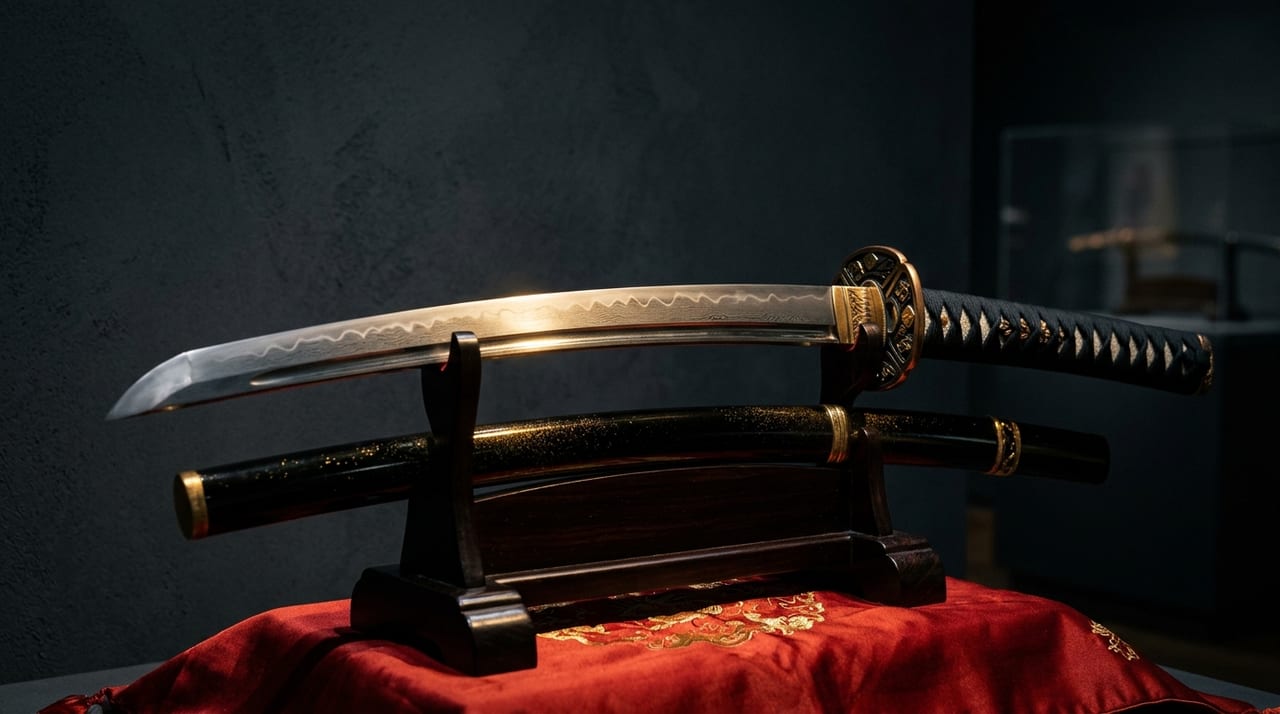
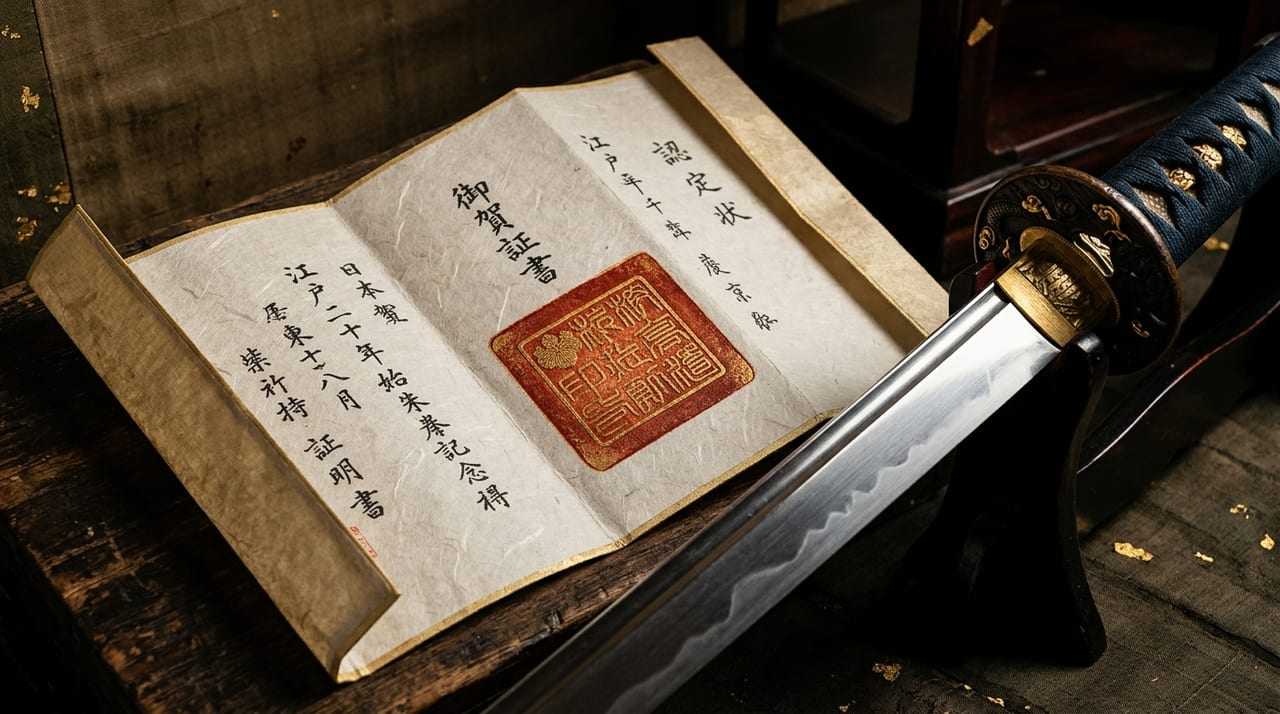
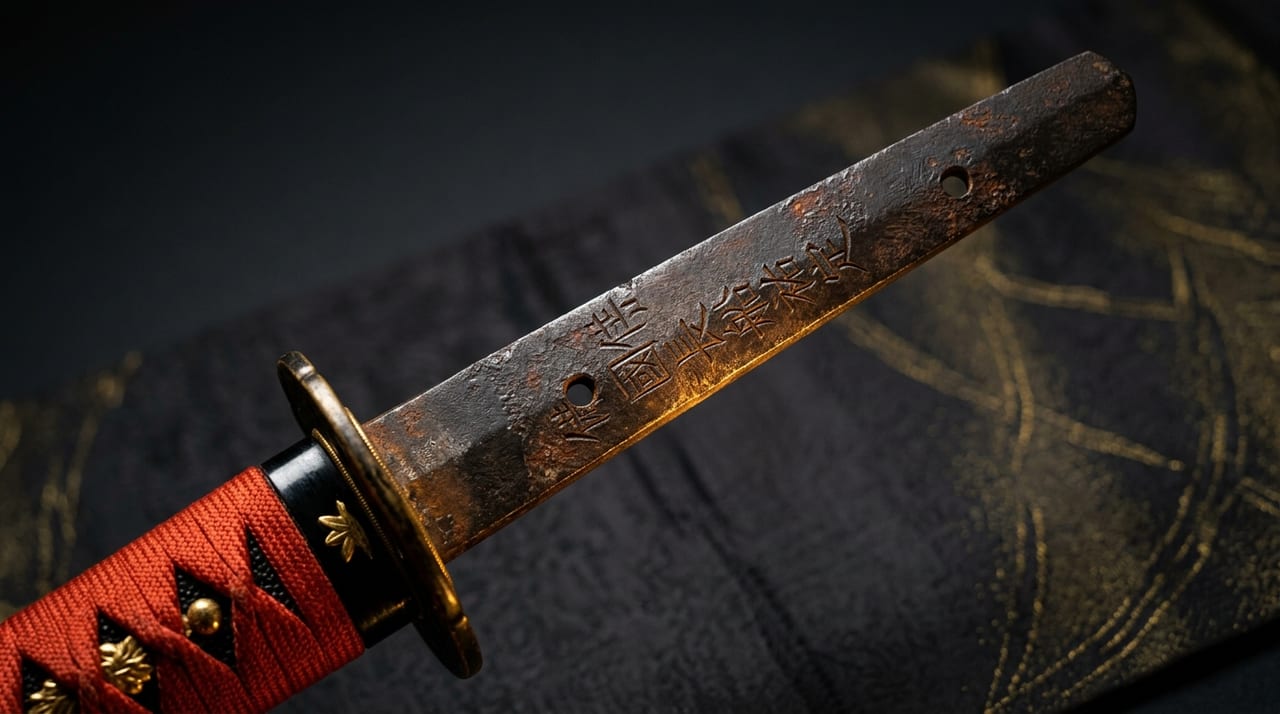
What Is an Uritate Mokuroku — The Distributed Booklet of "Uritate Sales" for Selling Collections from Private and Distinguished Families, and How to Read Records of Sword Circulation
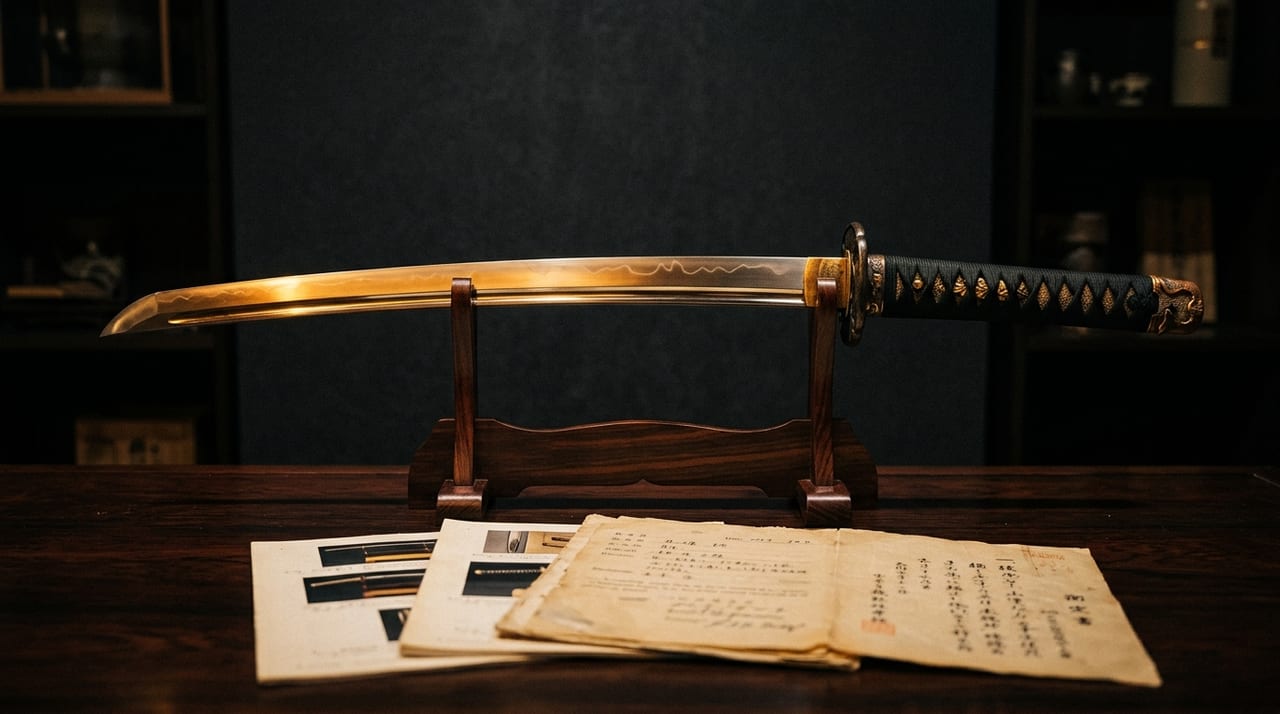 * Image is for illustrative purposes only.
Table of Contents
Uritate (uritate) is an auction-style sale at which private collectors and distinguished families sold their collections on a set date. The booklet distributed before an uritate sale is the uritate mokuroku, also known as the nyusatsu mokuroku or uritate nyusatsu mokuroku. In the world of swords, it is one of the sources used as a clue when tracing the provenance of a collection. Here we organize what the uritate mokuroku does and does not contain, and describe points to note when using it for research and appreciation.
How Uritate Sales and Uritate Mokuroku Work
An uritate sale is an auction-style event at which collectors and distinguished families bring items to market. Participants examine the catalog distributed before the sale and consider which items to bid on. The catalog served to announce in advance the items to be handled at the sale.
What appears in the catalog are illustrations, item names, and physical descriptions of artworks such as paintings, calligraphy, and antiques. Bid amounts and winning bid amounts, however, are not included. As a result, it is not possible to judge price levels from the catalog alone.
Source: National Diet Library Research Navigator "Uritate Mokuroku"
The Art Clubs That Organized Uritate Sales
Uritate sales were organized by art clubs in various regions, which were trade associations of art dealers. That art clubs in Tokyo, Osaka, Kyoto, Nagoya, Kanazawa, and other cities each held auction sales can also be confirmed from the scope of content covered in related books.
Bijutsusho no Hyakunen covers auction sales held by art clubs in various regions from 1903 to 1943, and also covers major uritate sales from 1951 onward. Tokyo Bijutsu Ichiba Shi covers approximately 20,000 items priced at or above the standard price from among the approximately 850 auction sales held at the Tokyo Art Club between 1911 and 1977. These books serve as useful references to supplement the content of uritate mokuroku.
Source: National Diet Library Research Navigator "Uritate Mokuroku"
The Scope of Digitally Released Uritate Mokuroku
The Tokyo National Research Institute for Cultural Properties holds uritate mokuroku in its collection and has released the "Uritate Mokuroku Artwork Information" database. Of the 2,565 uritate mokuroku in its collection, 2,328 are available to the public. The available catalogs are those published before the end of World War II, and information on approximately 337,000 works can be searched as text data.
However, because the catalogs themselves do not contain bid amounts or winning bid amounts, separate sources are needed to track price movements. The primary use of the released artwork information is to trace when and through which channels works were put up for sale, using item names and other details as clues.
Source: National Diet Library Current Awareness — Release of "Uritate Mokuroku Artwork Information"
Points to Note When Using It for Research
Unlike general publications, uritate mokuroku are sources that often lack bibliographic information such as publication year and publisher. When citing a catalog, it is therefore necessary to verify the publication year and organizer as far as possible.
- From the catalog's illustrations and item names, one can trace works put up for sale in a given period
- Since winning bid prices are not in the catalog, price trends must be confirmed using separate sources such as Bijutsusho no Hyakunen and Tokyo Bijutsu Ichiba Shi
- The overall bibliographic picture can be grasped from Tsumori Atsuo, ed., Uritate Mokuroku no Shoshi to Zenkoku Shozai Ichiran (2001, Bensei Shuppan)
Source: National Diet Library Research Navigator "Uritate Mokuroku"
Reading Sword Circulation from Uritate Mokuroku
Reading through uritate mokuroku one entry at a time provides clues for tracing whose collection a given sword came from when it was brought to market, and in which period it was put up for sale. When researching the provenance of an individual sword, it is essential to cross-reference the catalog record against records held by the current owning institution and appraisal records.
In today's sword market, auction-style sales continue to be held. Knowing how past uritate sales worked makes it easier, when reading records of current auction sales, to distinguish what is and is not recorded.
An online catalog allows you to browse swords currently for sale.
When reading a catalog, the basic approach is to identify works from the item names and illustrations listed, and to cross-reference how the same works are recorded in other sources. Not determining works solely from catalog entries, but rather verifying them by cross-referencing against records of owning institutions and appraisal records, is a prerequisite for handling sources accurately.
When multiple catalogs are available for comparison, it is safest to cross-check each entry against the others. Not determining provenance from a single record alone is fundamental when working with old uritate mokuroku.
Uritate mokuroku can also be used as records for learning about the movement of art objects from the late Meiji era through the Showa era. Organizing which sale handled a collection in which period makes for a source that is also easy to verify for those researching provenance later.