Modern Swordsmith Economics: Business Models, Pricing Strategy, and Customer Acquisition Under Production Limits
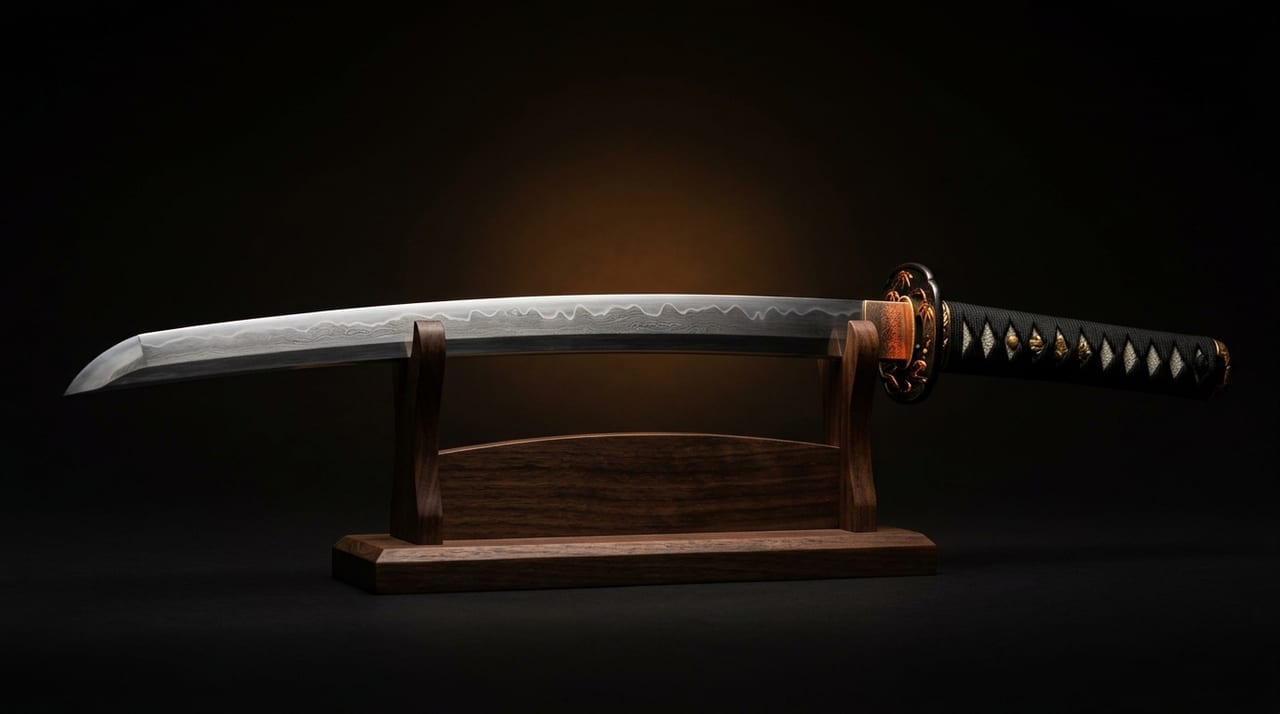
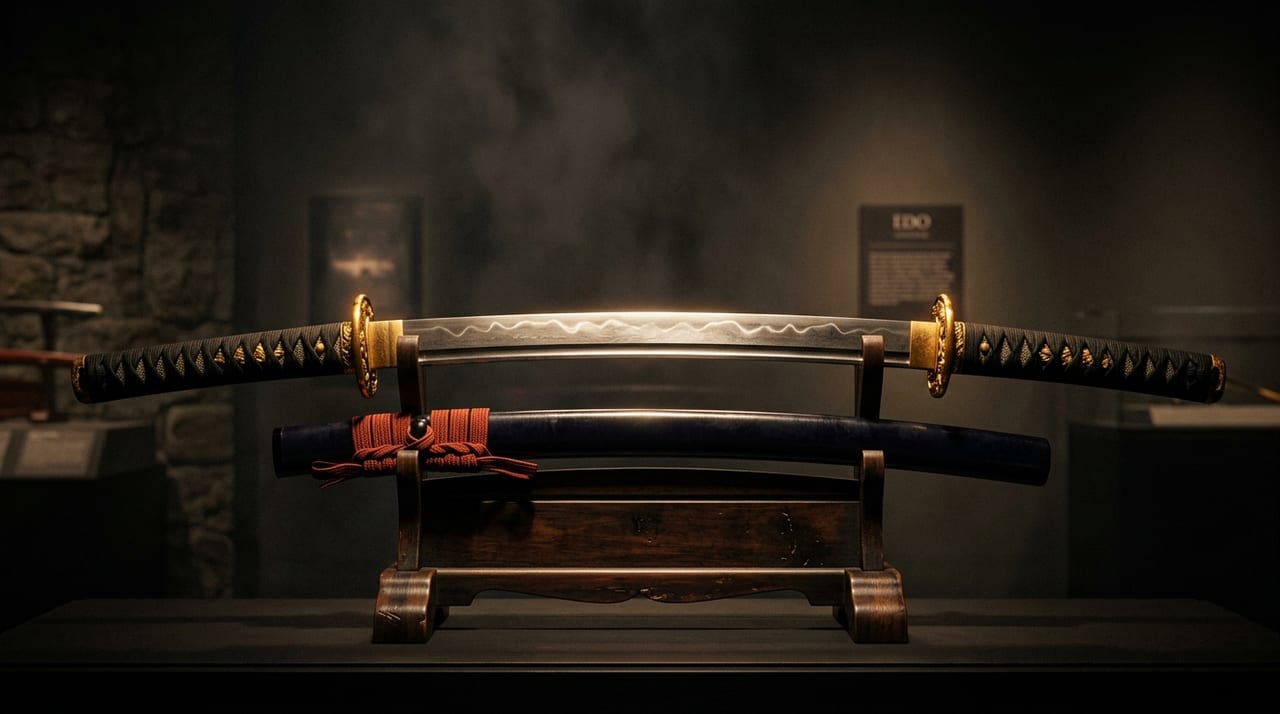
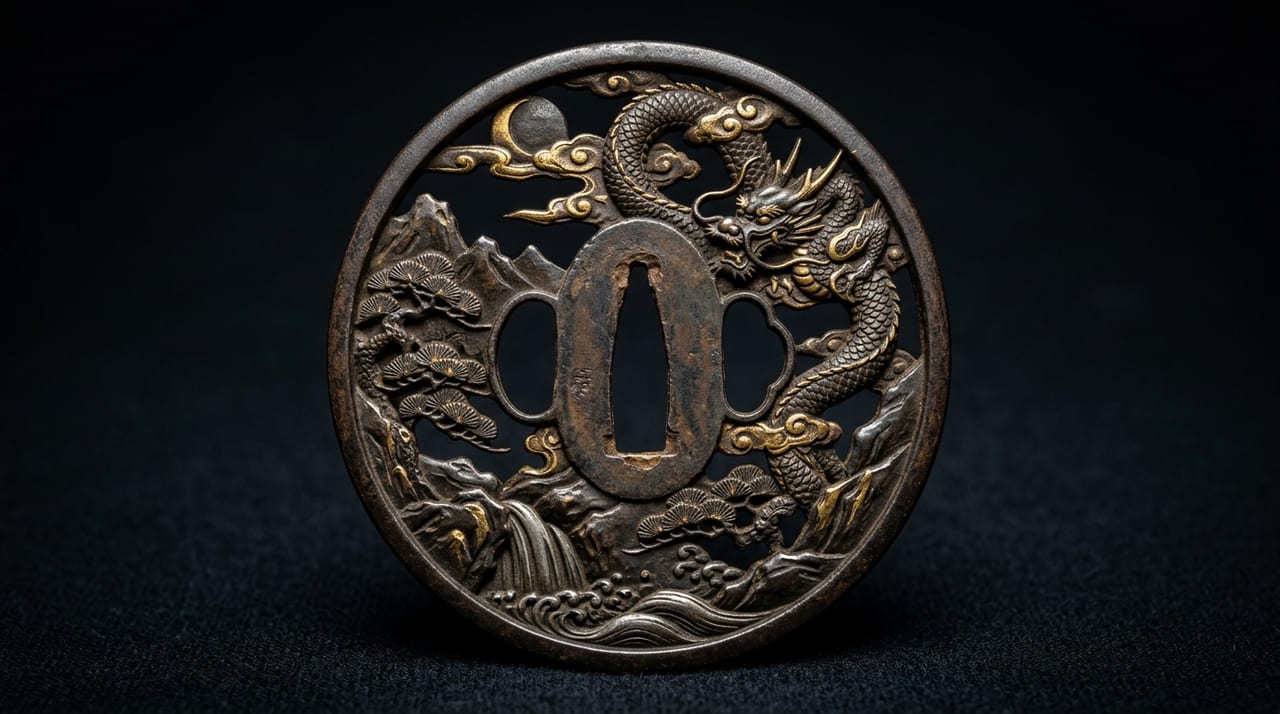
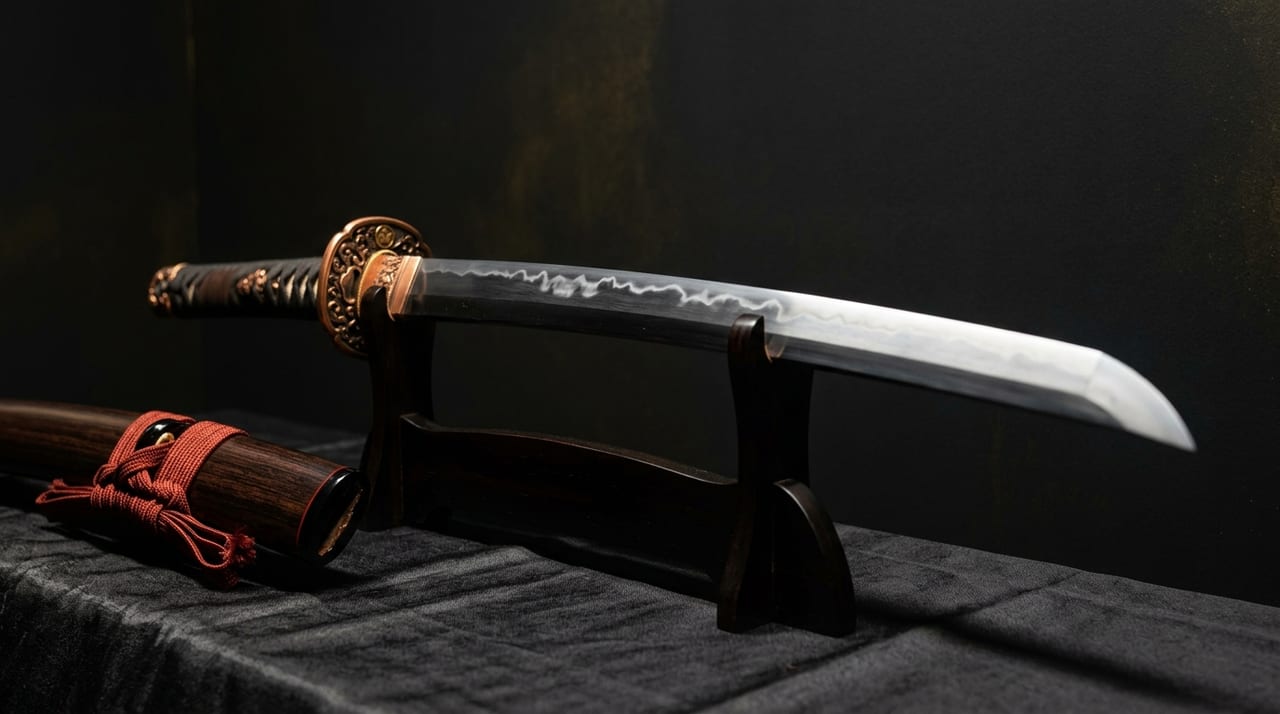 * Image is for illustrative purposes only.
Table of Contents
Introduction
The world of contemporary sword makers (tosho) who make Japanese swords as a profession is filled with management challenges and strategies beyond what is generally known. Under many constraints including regulations from the Firearms and Swords Control Law, an annual production cap of 24 blades, fluctuating material costs, and a limited customer base, how do sword craftsmen maintain viable businesses? This article introduces the business realities of contemporary sword makers, the mechanisms of price formation, and customer acquisition strategies in the age of online sales.
Regulatory Environment and Production Limits
Actual Regulations Under the Firearms and Swords Control Law
Japanese swords are permitted to be manufactured only under the following conditions as stipulated by Article 25 of the Firearms and Swords Control Law.
- Application and Approval System: A "Japanese Sword Manufacturing Approval Application" must be submitted to the relevant local police station, and recognition as a "tosho" (sword maker) is required
- Annual Production Limit: Certified tosho are permitted to manufacture no more than 24 blades/year (in exceptional cases, approval for increased production may be granted for works of important cultural property)
- Sales Method Restrictions: Sales must generally be conducted by the certified sword craftsman themselves, their family members, or through official sales representatives
- Possession and Transfer Procedures: Purchasers must follow registration systems by prefecture, recording ownership and transfers
This regulatory environment fundamentally constrains the business scale of sword craftsmen.
The Business Significance of 24 Blades/Year
The annual production limit of 24 blades fixes the ceiling on business scale. This results in a production pace of approximately 2 blades per month, creating the following management challenges:
- Sales Revenue Ceiling: Even top-tier works generally fetch around 500,000 to 1,000,000 yen per blade (varying by degree of recognition and reputation), so maximum annual revenue would be approximately 12 to 24 million yen
- Balance of Fixed and Variable Costs: Workshop maintenance costs, apprentice salaries, and material costs occur regardless of production volume, making production efficiency crucial
- Limited Capacity for Large Orders: Even museum exhibitions or multiple-blade orders from high-end collectors are constrained by the annual ceiling
- Vulnerability to Market Fluctuations: Since the value per blade is high, recovery is difficult if sales underperform
These constraints necessarily push contemporary sword makers toward a "small volume, high quality, high price" strategy.
Price Formation Mechanisms
Cost Structure and Profitability
Contemporary sword makers' price determination is based on the following cost elements:
- Material Costs (tamahagane and steel): 100,000 to 300,000 yen per blade depending on quality. Traditional tamahagane is particularly expensive
- Auxiliary Materials (quenching sand, charcoal, etc.): Approximately several thousand to 10,000 yen
- Tool and Equipment Depreciation: Initial investment and maintenance for specialized tools such as anvils, furnaces, and files
- Utility Costs: Fuel (charcoal and electricity) and temperature control during forging
- Labor Costs: The sword maker's working hours (typically 200-300 hours per blade) and wages for apprentices and collaborators
- Fittings and Accessories: Often outsourced, approximately 100,000 to 300,000 yen
List Prices and Production Costs
Generally, works by certified tosho circulate in the following price ranges:
Beginner to Mid-Level Sword Craftsmen (in training or early in certification):
- 500,000 to 800,000 yen (simple hilt and scabbard, works at market entry stage)
- Production volume: 24 blades or fewer, fragile business foundation
Sword Craftsmen with Established Reputation:
- 800,000 to 1,500,000 yen (refined finishing, stable customer base)
- Order wait period: Several months to 1 year
- Sales channels: Direct sales to individuals or through specialized dealers
Renowned Sword Craftsmen and Important Intangible Cultural Property Holders:
- 2,000,000 to 5,000,000 yen or more (masterpieces with demand from museums and collections)
- Order wait period: 1 year or longer
- Sales channels: Domestic and international collectors, museums, premium sales platforms
This price-tier stratification results from reputation, work quality, and market evaluation, but is also closely tied to profitability considerations.
Customer Acquisition and Sales Strategy
Traditional Sales Routes
Historically, sword makers have created customer contact points through the following channels:
- Direct Sales to Individuals: Direct sales to new customers and collectors through referrals and word of mouth
- Transactions with Sword Dealers and Antique Art Dealers: Distribution through consignment sales or purchases
- Sword Exhibitions and Appraisal Meetings: Sales activities at exhibitions held by organizations such as the Japan Art Sword Preservation Association
- Information Networks Through Apprentice Training: Discovery of new customer segments accompanying expansion of apprentices' personal networks
These are analog methods emphasizing face-to-face interaction and trust building.
New Strategies in the Digital Age
In recent years, some contemporary sword makers have adopted the following new strategies:
- Online Presentation: Introduction of works through SNS and specialized sales sites, disclosure of manufacturing processes
- Online Sales Platforms: Registration on sword e-commerce sites like toukenza expands reach to potential domestic and international customers
- Content Articulation Through Articles and Videos: Explanation of the sword maker's philosophy and technical background, educating purchasers and raising product added value
- Niche Targeting: Segment-specific sales to iaido enthusiasts, collectors, corporate gifts, and museums and facilities with deposit programs
These digital initiatives enable sword makers to reliably reach "customers who truly need their work" under the absolute supply constraint of 24 annual blades.
Sustainability of Operations and Business Model Challenges
Apprentice Training and Technical Succession
One of the greatest management challenges contemporary sword makers face is training successors.
- Length of Training Period: 10 to 20 years of training are necessary to become a full-fledged sword maker
- Management Difficulty: Need to secure sales revenue to employ apprentices while also bearing training costs
- Maintenance of Technical Standards: If an apprentice's finishing quality is low, it affects the entire workshop's reputation
Many sword makers address this challenge through "family business succession" (sons or relatives) or "long-term apprenticeship systems."
Reality of Side Businesses and Diversified Operations
Given the production volume constraint, many contemporary sword makers build diversified revenue sources:
- Sword Appraisal and Restoration Services: Secondary income from polishing (togi) and appraising antique swords
- Teaching Activities: Instruction in iaido and lectures or workshops on sword-making techniques
- Related Product Manufacturing: Production and sale of hilts, sheaths, sword stands, and other accessories
- Art Product Planning: Increasing added value through decorative swords (gold and silver inlay, etc.)
This diversification suggests that management based solely on sword manufacturing is difficult.
Purchaser Perspective: Relationship Between Price and Quality
When purchasing a sword through toukenza, understanding the relationship between price and quality is key to finding the right choice.
- High Price = High Quality: This is not necessarily the case. The sword maker's reputation, rarity, and luxury of accessories may be included in the price
- Reputation and Actual Ability: Excellent works by young sword makers often cost less than works by mid-level or senior craftsmen
- Respect for Individuality: "Top tier = most suitable" is not always true; selecting a work that matches your own use and aesthetic sensibility is important
For more information, the toukenza staff will consult with you through the contact form.
Conclusion
The management of contemporary sword makers exists in an extraordinarily unique business environment where strict regulation, limited markets, and advanced technical skill intersect. Within the ceiling of 24 annual blades, maintaining workshop operations and technical succession requires sword makers' ingenuity and a trust-based relationship with customers. Even in the age of online sales, the value of "limited production by authentic craftsmen" remains unchanged. We hope you will select your own blade with understanding of the sword makers' management efforts.