The Kyōhō Reforms and Sword Policy — Tokugawa Yoshimune's Reorganization of Samurai Sword-Wearing Culture and the Reality of Swordsmith Protection
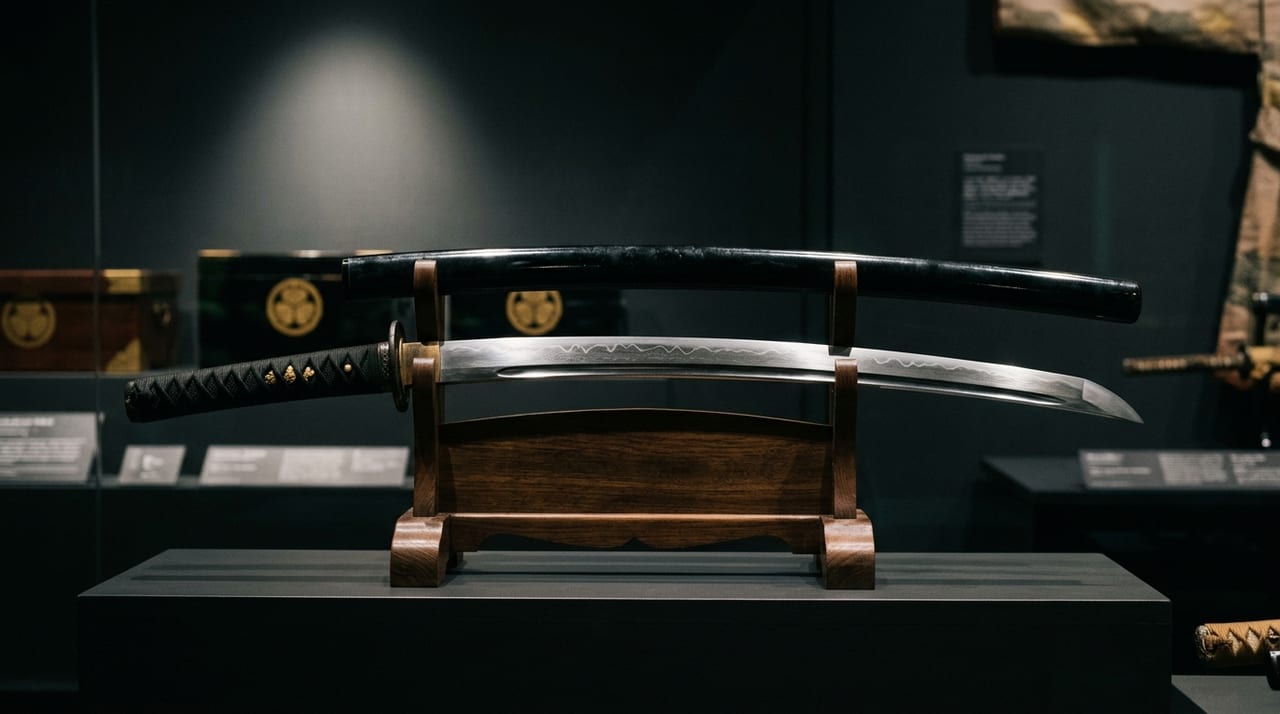 * Image is for illustrative purposes only.
Table of Contents
Yoshimune's Era and Sword Culture
In 1716 (Kyōhō 1), Tokugawa Yoshimune, who became the eighth shogun of the Tokugawa shogunate, carried out the "Kyōhō Reforms" under the banner of fiscal reconstruction and the tightening of discipline. Although the reforms extended across the broad domains of administration, finance, and social customs, they also had a profound impact on sword culture, the spiritual pillar of the samurai.
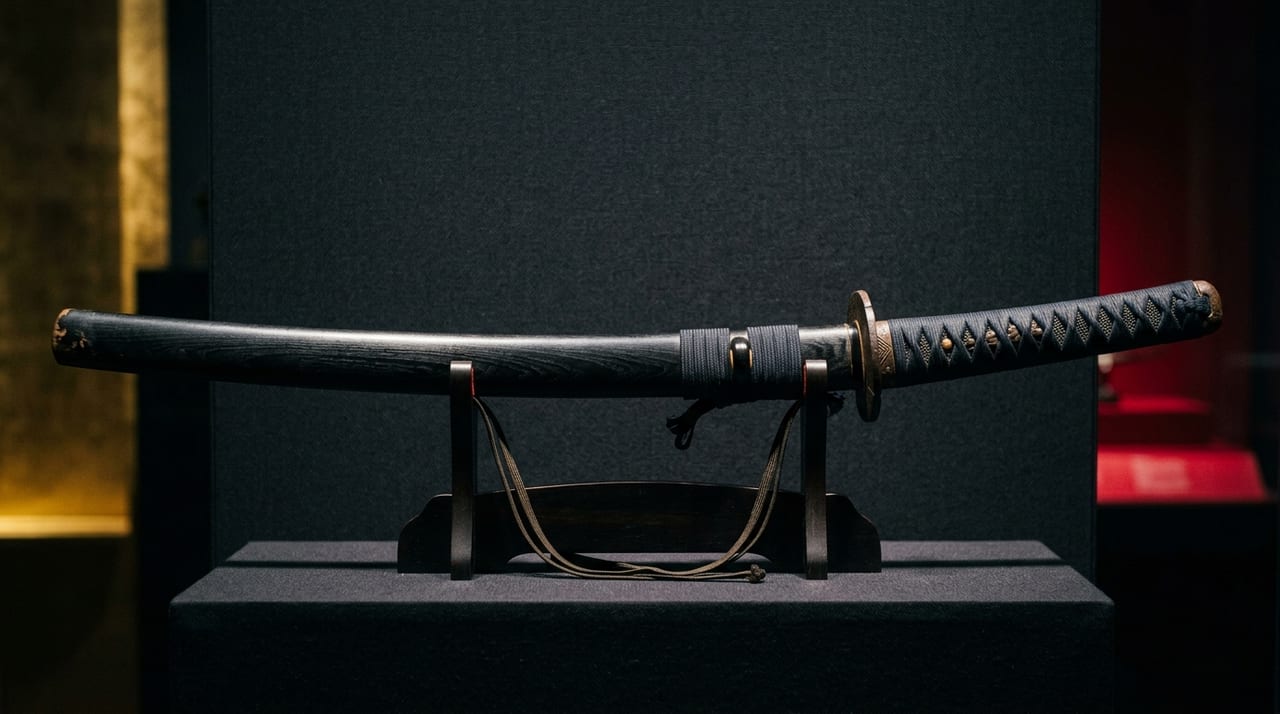
The shogunate of the day was suffering from chronic financial difficulties. After the collapse of the Genroku bubble, a culture of extravagant consumption had spread from samurai to commoners, and the excessive ornamentation of tōsōgu (sword fittings) — tsuba (hand guard), menuki, fuchi-kashira, and so forth — had come to be seen as contrary to the proper role of the samurai. Yoshimune's reforms cut directly into this situation.
How the Sumptuary Edicts Changed the Style of Tōsōgu
The sumptuary edicts that formed the core of the Kyōhō Reforms also imposed clear restrictions on the materials and designs of tōsōgu. Elaborate tōsōgu making heavy use of gold leaf, silver work, and mother-of-pearl inlay were banned as "luxury contrary to the samurai's proper role," and a plain, sturdy style using iron and plain wood was encouraged.
This policy contributed in particular to the spread of the Higo koshirae style. Higo koshirae is a practical, unadorned koshirae (mounting) characterized by the following combination:
- A black-lacquered saya (scabbard)
- An iron tsuba (hand guard)
- A cotton-wrapped tsuka (hilt)
Yoshimune himself is said to have favored this style, and the shogun's preference influenced the koshirae styles of shogunal retainers and domain lords alike.
At the same time, the sumptuary edicts also gave rise to a paradoxical phenomenon. In the competition to achieve outward simplicity, appreciation of the blade itself — its hamon (temper line), jigane (steel of the blade surface), nakago (tang), and so forth — deepened all the more. The spirit of "do not adorn the outside; polish the inside" led to a heightened sophistication in blade appreciation.
Yoshimune's Collection of Famous Blades and the Redefinition of Samurai Culture
Even as he preached frugality, Yoshimune himself devoted himself enthusiastically to the collection of celebrated blades. This apparently contradictory behavior had a clear policy rationale. To Yoshimune, celebrated blades were "symbols of the samurai class," and collecting them was not mere personal interest but a political act demonstrating the legitimacy of samurai rule.
What Yoshimune particularly treasured were masterworks from the kotō period (up to the Keichō era). Tachi from the Kamakura and Nanbokuchō periods, and masterpieces of the Bizen and Sōshū-den traditions, were collected into the shogunate's gyobutsu, with the Hon'ami family — experts in sword appraisal — responsible for assessment and recording. The kanteisho (appraisal certificate) produced through this work became the foundation for later sword evaluation.
Yoshimune also devoted effort to protecting the skills of tōkō (swordsmiths) who were in decline. At the time, there were concerns about a drop in the technical standards of tōkō due to the complacency of the peaceful Genroku era. Yoshimune indicated a policy of having the shogunate's hatamoto and gokenin purchase high-quality shintō blades, and established a system to commend outstanding tōkō.
Tōkō of the Kyōhō Period and "The Eve of the Shinshintō"
The Kyōhō period (1716–1736) was a transitional era between the shintō period (Keichō–Hōreki) and the Shinshintō period (An'ei–Bakumatsu). The tōkō of this period lived in an era of technical searching.
Moves to attempt a return to the techniques of the kotō period had already begun to stir during the Kyōhō era, and this mood became a distant cause of the kotō revival movement by Shinshintō period tōkō such as Suishinshi Masahide and others, several generations later. The Yoshimune administration's encouragement of the appreciation of celebrated blades and its support of the Hon'ami family's appraisal activities advanced the study of kotō forms and hamon. This became the soil from which the later Shinshintō-era "kotō revival movement" would grow.
The Kyōhō period was also an era in which tōkō from across the country engaged in technical competition in their bids to be appointed to shogunal service. In the vicinity of Edo, tōkō from Musashi province rose to prominence, while in Osaka, tōkō from Settsu were active. This inter-regional competition became a factor generating the diversity of blades in the later shintō period.
The Relationship Between Rural Policy and Kaji
The Kyōhō Reforms also extended to agricultural policy. Under the apparently contradictory directives of "encouraging new field development" and "increasing land-tax levies," the rural economy was reorganized. This policy also had an indirect impact on the kaji (smith) trade.
Agricultural kaji — those who made farming tools and carpenter's tools — were directly tied to the rural economy, and fluctuations in rural policy during the Kyōhō period affected demand for agricultural kaji. Sword kaji, meanwhile, depended on samurai demand, and some tōkō began producing metal goods other than swords — farming tools and the like — in order to weather the demand fluctuations under the sumptuary edicts.
The dual structure of "samurai swords and rural farming tools" in this era foreshadowed the industrial transformation of sword kaji in the later period of modernization.
Conclusion: The Legacy of Sword Culture Left by the Kyōhō Reforms
Tokugawa Yoshimune's Kyōhō Reforms influenced Japanese sword culture from the following three aspects:
- Simplification of tōsōgu styles
- Deepening of kotō appreciation
- Protection of tōkō craftsmanship
The sumptuary edicts suppressed the "outward appearance" of swords, but this in turn heightened interest in the "inner qualities" of the blade — its kitae-hada (forging grain), hamon (temper line), and jigane (steel of the blade surface). Ironically, this worked to purify the artistic value of the Japanese sword.
And the collection of celebrated blades to which Yoshimune himself devoted his passion, together with the collaboration with the Hon'ami family, contributed to the establishment of an academic evaluation system for Japanese swords. The Kyōhō period can be said to have been a richly contradictory era that regulated the "aesthetics of the samurai" from without while deepening them from within.