Modern Challenges for Sword Dealers — Trust, Regulation, and Succession Issues Facing Established Sword Shops and Online Sellers
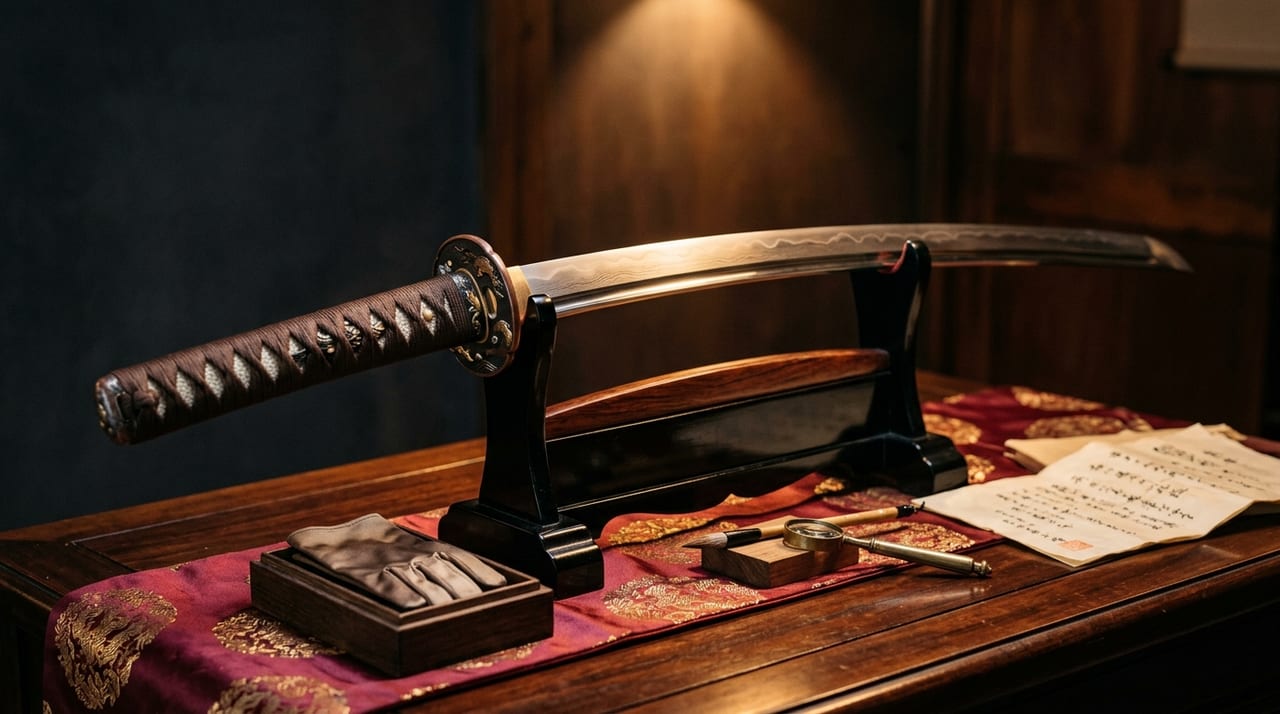 * Image is for illustrative purposes only.
Table of Contents
The Sword Dealer Profession Today
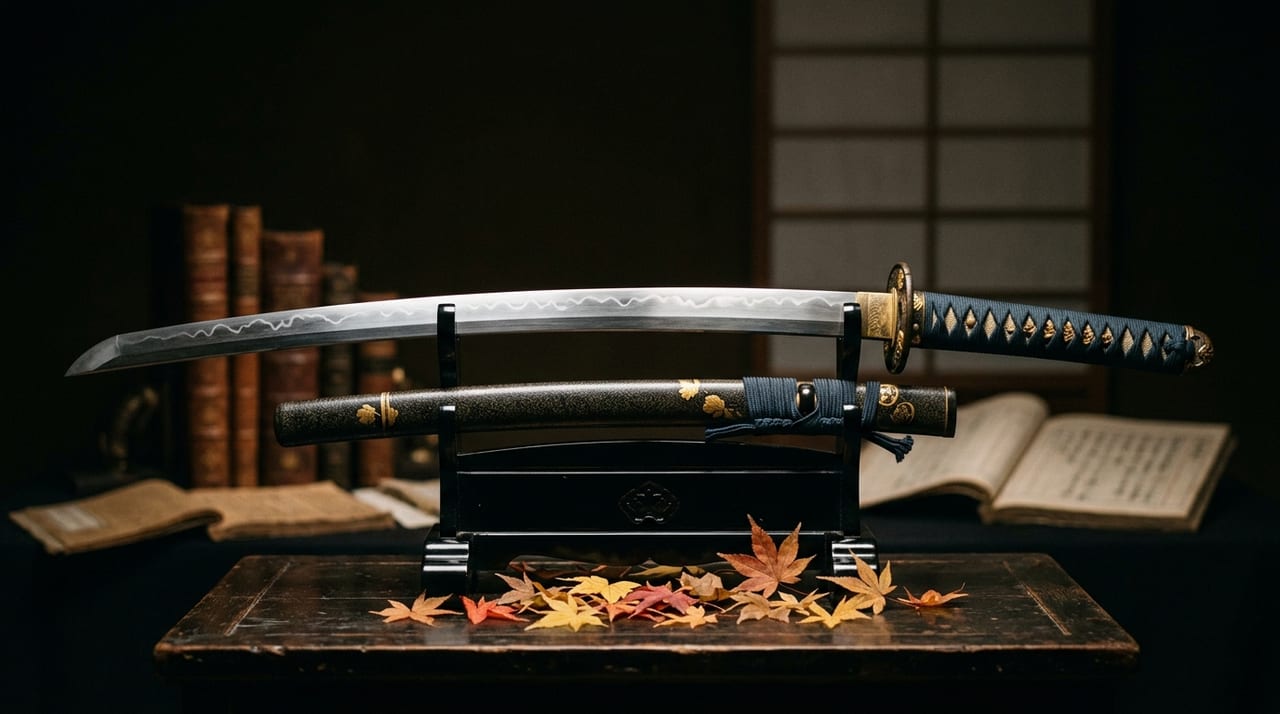
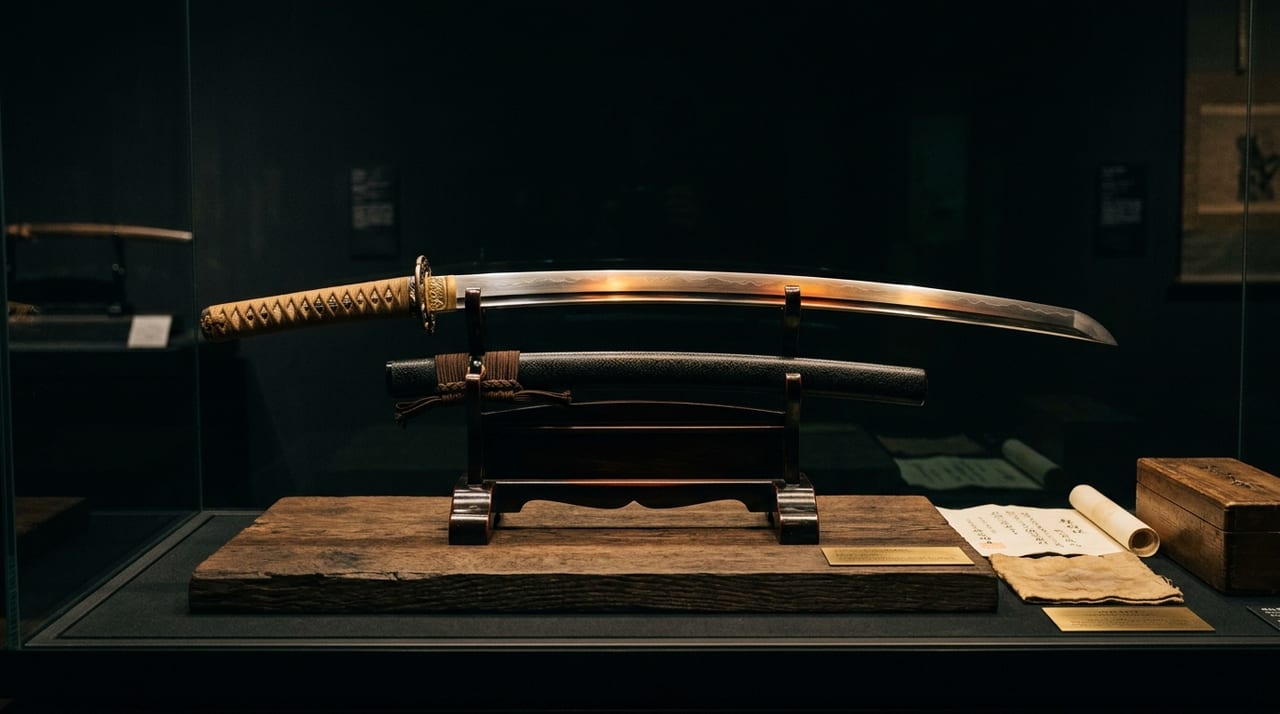
"Sword dealers," who specialize in buying and selling swords, are vital players supporting the distribution of nihontō. However, the environment surrounding sword dealers is changing rapidly, and a wide range of challenges are piling up, from long-established sword shops to online-only dealers.
Japan currently has approximately 1,200 registered sword dealers (including individuals) who hold firearm and sword registrations, but most operate on a small scale, and many long-established shops are struggling with a shortage of successors. Meanwhile, new operators leveraging e-commerce sites and social media are rising to prominence, and the industry is at a major turning point.
Structural Challenges Facing Established Sword Dealers
The Succession Problem and Business Transfer
Most long-established sword dealers found throughout the country have operated as family businesses spanning three or four generations. In recent years, however, the number of closures due to the absence of a successor has been increasing.
To set up independently as a sword dealer, it is said to require a minimum of 10 to 15 years of apprenticeship to develop the "eye" for judging the authenticity of swords. Furthermore, securing an initial inventory requires tens of millions of yen, making the barriers to entry high. For this reason, there is a strong tendency for younger generations to avoid taking over the family business as sword dealers.
Some established shops have introduced apprenticeship systems to train successors from outside the family, but low income during the apprenticeship period remains a barrier.
Inventory Risk and Cash Flow
Holding expensive swords as inventory carries significant risk for sword dealers. Even when they acquire famous swords worth several million to tens of millions of yen, the time it takes for them to actually sell is uncertain, and tight cash flow situations often arise.
Sword dealer businesses have been directly hit by the following events:
- Price adjustments following the collapse of the asset bubble
- A drop in affluent-class spending during the Lehman shock
- The disappearance of inbound foreign demand due to the COVID-19 pandemic
The sword boom from 2015 onward boosted demand, yet price levels have not risen dramatically except for certain popular swords.
Authentication Disputes and Legal Risks
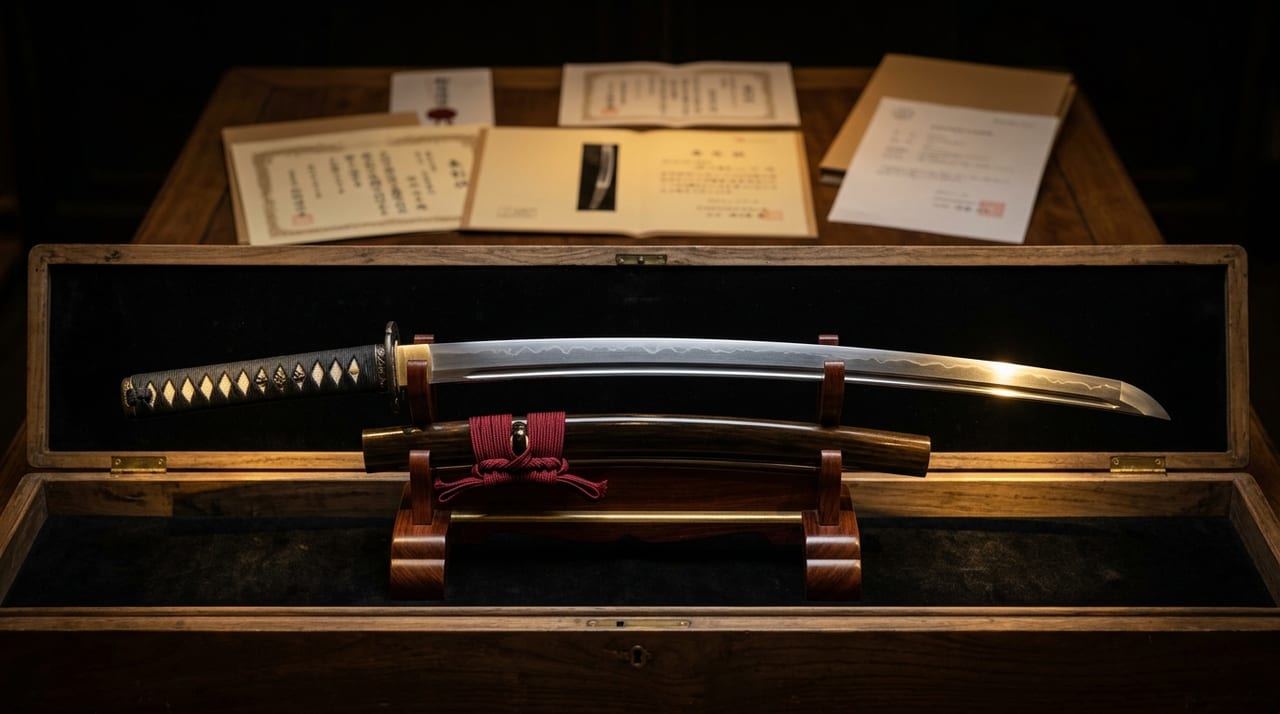
What sword dealers fear most is the mistaken purchase or sale of forged swords or copies (swords made in imitation of genuine works). Among swords sourced via the internet in particular, there are cases where the kanteisho (appraisal certificate) has been forged, and authenticity issues discovered after the fact can develop into legal disputes.
From the standpoint of the Act against Unjustifiable Premiums and Misleading Representations enforced by the Consumer Affairs Agency, sword dealers who make "false representations concerning important matters" may face administrative sanctions or liability for damages. In cases involving expensive items in particular, civil litigation has also been reported, and legal risk management has become an important business challenge.
The Rise of Online-Only Dealers and the Problems They Create
A Surge in E-Commerce and Flea-Market App Listings
Against the backdrop of the sword boom from 2015 onward, the number of individuals and businesses selling swords on platforms such as Yahoo! Auctions, Mercari, and Rakuten increased sharply. Among these, it is said that unregistered operators who have not obtained registration as sword dealers are included, and industry associations have been sounding the alarm.
Particularly problematic are cases where swords purchased as antiques are sold cheaply as "modern replicas," or conversely, where replicas are listed at high prices as kotō. As such disputes have increased, confidence in the online sword market as a whole has declined.
Marketing via Social Media and YouTube
At the same time, a new generation of sword dealers who actively use social media and YouTube has also emerged. The model of presenting sword care methods and appreciation tips in videos, building trust with viewers before leading them toward a purchase, is effective as an approach to younger audiences.
Among these emerging operators, some have shallower knowledge than traditional sword dealers, but there are also cases where they attract customers through communication skills and marketing acumen. While they are expected to be the people who drive the industry's digitalization, concerns about quality and the accuracy of information also remain.
Serving Foreign Customers: Inbound Tourism and Overseas Sales
A Growing Number of Foreign Collectors
Since the 2010s, purchases of nihontō by foreign collectors from Europe, North America, and Asia have surged. Collectors from the United States, Germany, France, Taiwan, Hong Kong, and China in particular are actively participating in Japan's sword market.
For sword dealers, foreign customers tend to spend more per transaction and represent an attractive customer segment. However, serving them involves the following complex procedures:
- Language barriers
- Firearms and sword regulations in each country (whether or not bringing swords home is permitted)
- Export procedures (the Agency for Cultural Affairs' antique art export inspection certificate and the return of the registration certificate)
- Customs tariff issues
Navigating Export Regulations
When exporting swords from Japan overseas, swords designated as kokuhō (National Treasure), jūyō bunkazai (Important Cultural Property), jūyō bijutsuhin (Important Art Object), or equivalent are in principle prohibited from export. For ordinary swords, one must obtain the Agency for Cultural Affairs' "Antique Art Export Inspection Certificate" confirming they do not fall into those categories, and return the registration certificate to the Board of Education of the prefecture where registration was made (Tokyo Metropolitan Board of Education, "When Exporting Firearms and Swords").
Because of the complexity of these procedures, only a limited number of sword dealers specialize in serving foreign customers, and demand is concentrated among operators with specialist expertise. Sword dealers who can communicate in English and Chinese hold a significant competitive advantage in capturing inbound demand.
Industry Association Initiatives and the Outlook for the Future
Initiatives of the National Sword Dealers' Cooperative Association
The National Sword Dealers' Cooperative Association (abbreviated Zentōshō, established in 1987) is advancing various measures to improve the health of the industry and raise its standing. The "Sword Sales Ethics Code" drawn up in 2025 established the following standards:
- Obligation to disclose information regarding authenticity
- Rules for handling kanteisho (appraisal certificates)
- Standards for return and exchange policies
In addition, a "Sword Dealer Apprenticeship Program" has been established as a successor-training program, and efforts are underway to create an environment in which young people can more easily enter the world of sword dealing.
Leveraging Digital Technology
Development of AI-assisted sword appraisal support systems is advancing. Systems that use image-recognition technology to analyze parameters such as hamon (temper line), jigane (steel of the blade surface), and nagasa (blade length) to estimate the maker and period have the potential to contribute to the digitalization of the industry. However, there is a shared understanding within the industry that this is merely a supplement to the expert's eye, and that the final appraisal should rely on human expertise.
The Future of Sword Dealers
The sword dealer profession is a one-of-a-kind specialization that supports the distribution of nihontō, a cultural craft with a history of more than 500 years. While the wave of digitalization and globalization brings challenges, it also presents opportunities that enable access to new customer segments.
The next generation of sword dealers, who build on the trust and expertise of long-established shops while adding digital marketing, foreign-language capability, and legal knowledge to their arsenal, will be the ones to carry the industry's future. In order to pass on nihontō — the finest expression of Japanese culture — to future generations, the continuation and renewal of the sword dealer profession is being tested right now.