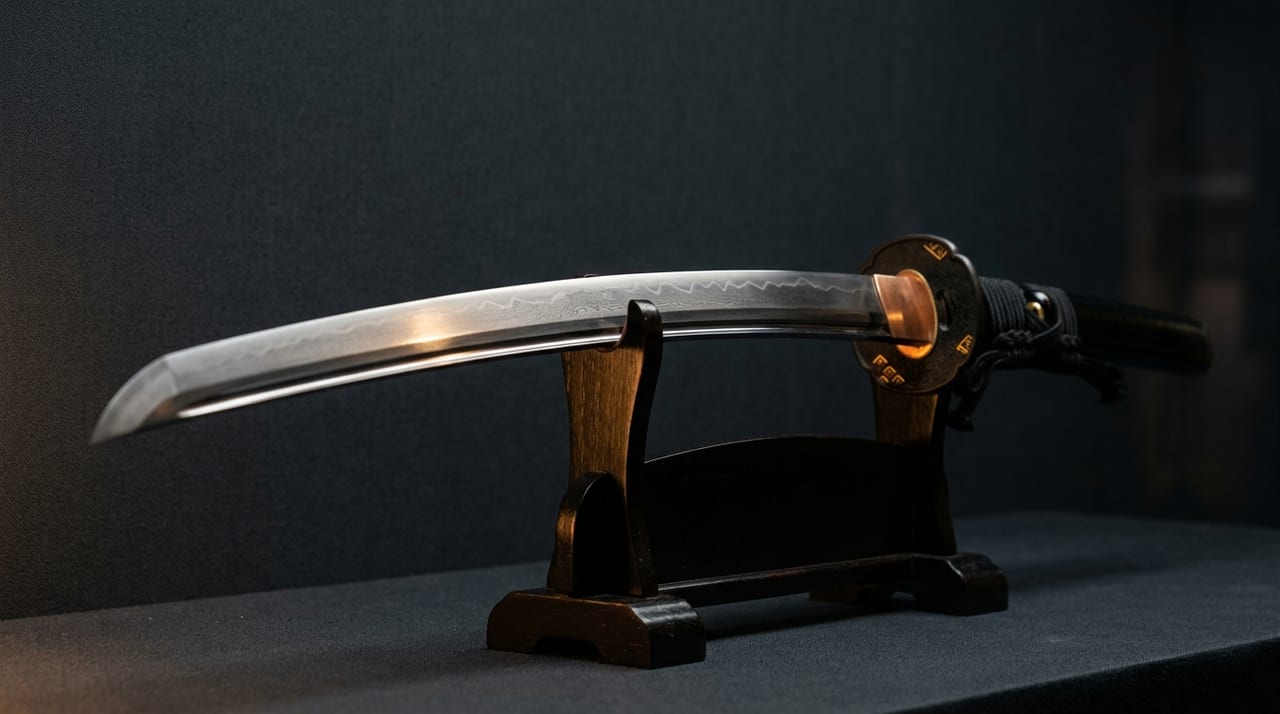
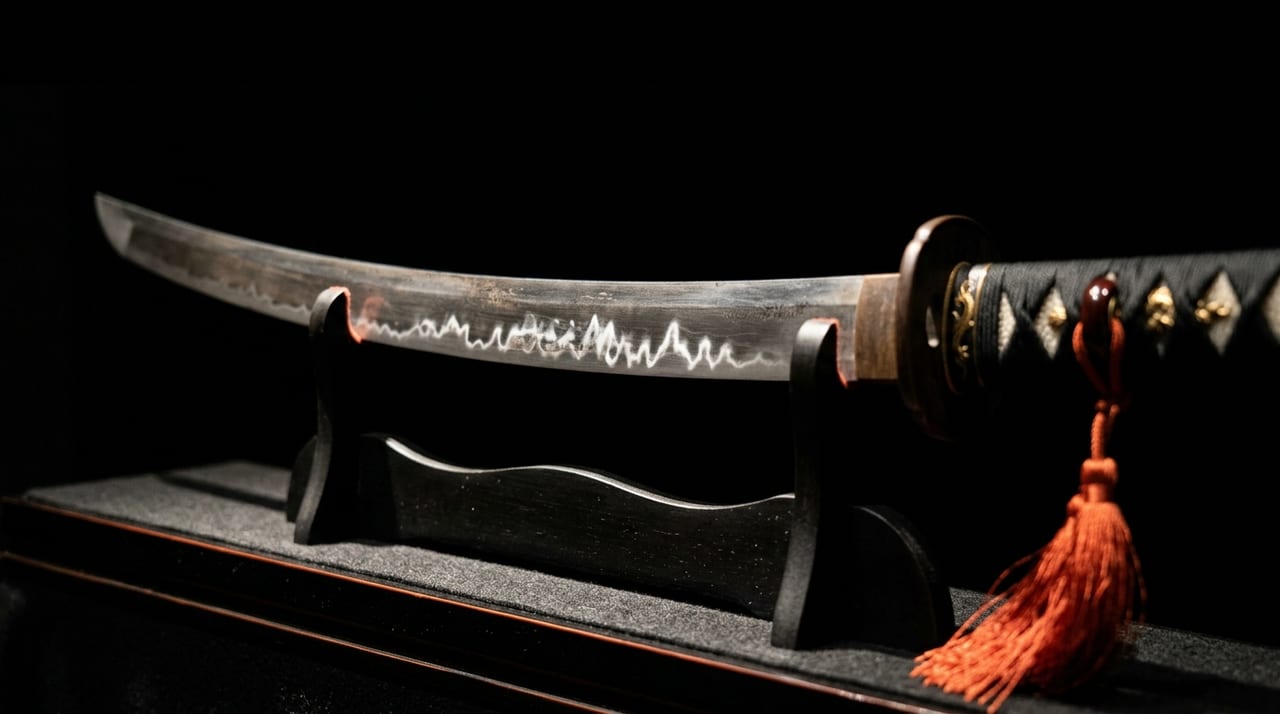
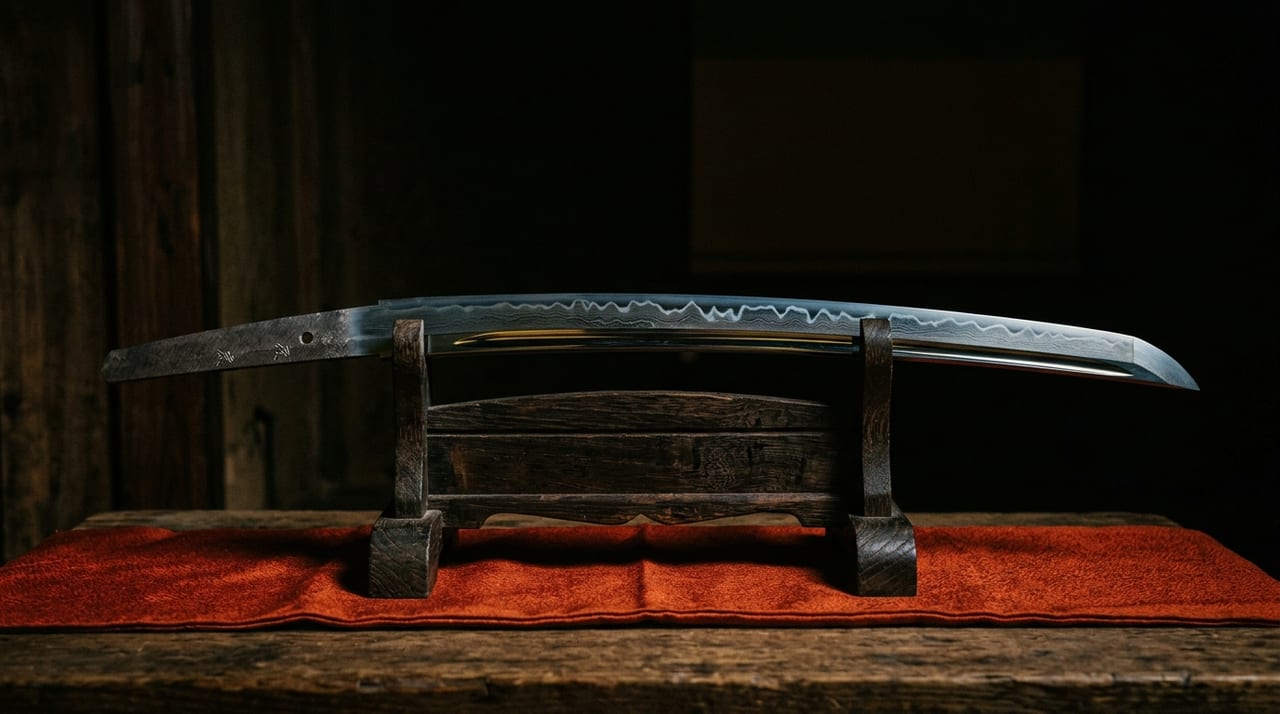
Kanayago Kami (金屋子神) and Forge Rituals: The Shinto Steelmaking Tradition Guarded by Sword Smiths and the Reality of Pre-Forging Prayers
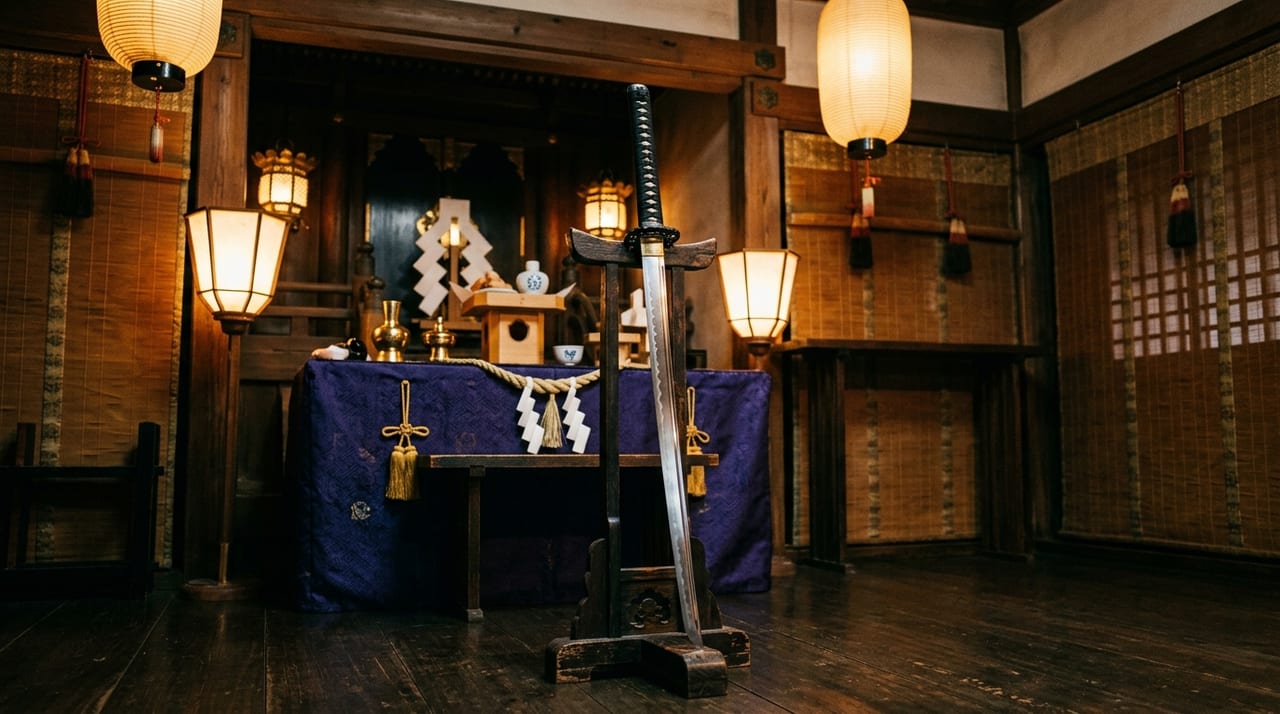 * Image is for illustrative purposes only.
Table of Contents
The God of Iron—What is Kanayago-kami?
The most widely worshipped guardian god of Japanese ironmaking and blacksmithing has been "Kanayago-kami (the God of Iron)." This god has Kanayago Shrine in Yasugi, Shimane Prefecture as its head shrine, and has been deeply revered by tatara ironmakers (ironmakers or kanashi) and blacksmiths throughout the Chugoku Mountains.
There are multiple traditions regarding the origin of Kanayago-kami, but the most widely told is the theory that she was "a goddess who descended from Takamahara." According to Shimane legend, a god carrying ironmaking technology wandered throughout various regions, eventually descended in the town of Yasugi, and is said to have taught the local people the techniques of iron sand collection, tatara ironmaking, and blacksmithing.
The essence of this legend lies in "the sanctification of ironmaking technology." Tatara ironmaking was a technique granted by the gods, and consciousness arose that those engaged in ironmaking and blacksmithing practiced their profession under a covenant with the gods. This concept became the foundation for the many religious rites, taboos, and ceremonies observed by blacksmiths.
Tatara Ironmaking and the System of Religious Rites
Tatara ironmaking in the Chugoku Mountains was conducted not merely as industrial work, but as a religious act integrated with Shinto ritual. At the start of operations, there was invariably an offering and prayer to the gods (an operational prayer ritual), and a kamidana (Shinto altar) was established at the center of the furnace (takadono), where a sacred tablet of Kanayago-kami was enshrined.
A representative religious rite is the "Chinkaesai (Fire-Pacifying Ceremony)." It was a prayer for protection from fire disasters in the dangerous work of handling ironmaking fire, and was conducted by inviting a Shinto priest before operations began. During operations, the concept that the furnace fire was "the fire of the gods" was maintained, and anything impure was strictly forbidden from approaching the furnace.
Particularly noteworthy is the practice of "exclusion of women." Women were forbidden from entering the site of tatara ironmaking. This was based on the belief that Kanayago-kami is a goddess who dislikes the presence of other women. This taboo was gradually lifted after modernization, but even into the twentieth century, it was unofficially maintained at some ironmaking sites.
Pre-Forging Rites of Sword Makers—The Prayers of Sword Smiths
Sword makers (sword smiths) who received tamahagane from tatara ironmakers and forged swords also had their own system of religious rites. The form of religious rites observed by sword makers varied by region and family lineage, but the common elements are as follows.
- Pre-Forging Purification: Before forging important swords—swords to be dedicated to lords or shrines and temples, or swords aimed to become masterpieces—sword makers purified themselves. This practice, called saikai mokugyoku (purification and ablution), maintained physical cleanliness and required dietary restrictions (avoiding meat), bathing, and clean clothing.
- Altar at the Furnace: A kamidana was invariably established in the blacksmith's workshop (kajiba), where either Kanayago-kami or Inari-kami was enshrined. It was customary to bow before beginning work and to report after finishing.
- Selection of Auspicious Days: The date for beginning sword forging and the date for important processes (hardening and application of quenching clay) were chosen by consulting calendars for auspicious days. Since hardening is a "one-shot" process, the auspiciousness or inauspiciousness of the day was considered in addition to weather, temperature, and water temperature.
- Taboos in the Blacksmith's Workshop: There was a custom of avoiding certain words in the workshop. This was based on the belief in the spiritual power of words (kotodama), which avoided inauspicious words such as "death" and "break." Instead, customs of using auspicious words remain in various regions. Also, the practice of forbidding women who were menstruating from approaching the blacksmith's workshop was widely observed in connection with Kanayago-kami beliefs.
Faith Inherited by Modern Sword Smiths
To what extent do modern sword smiths observe the above religious rites? When referring to interview records with Living National Treasures and unexamined sword smiths, as well as works by sword smiths, while there is individual variation, many sword smiths continue to observe religious rites, purification, and taboos in some form.
Miyairi Yukihira (1913–1977) was a renowned sword smith from Nagano who held devout Shinto beliefs and is said to have never neglected throughout his lifetime the careful selection of tamahagane, purification before forging, and gratitude to the furnace. Through Miyairi's master-student relationships, such spiritual attitudes have been passed down to later generations.
Many modern sword smiths describe the interpretation that "religious rites are not superstition, but a means of spiritual concentration." Praying before hardening functions as a psychological ritual to reaffirm the gravity of the work and heighten concentration. It contributes to the spiritual stability of the craftsman, operating on a different dimension from scientific rationality.
Furthermore, at Nittoho Tatara (tatara ironmaking that operates once a year in Okuizumo, Shimane Prefecture) which supplies tamahagane, an operational festival inviting a priest from Kanayago Shrine continues to be held in modern times. The conscious incorporation of Shinto ritual into the revitalization of traditional ironmaking reflects the Japanese sword industry's stance that technical transmission and spiritual-cultural transmission are inseparable.
The God of Forging and the Soul of the Sword—Sacredness Permeating Japanese Swords
Behind the reverence for Japanese swords as "beings in which a soul dwells" beyond mere weapons or works of art lies this Shinto and religious context. Swords forged by sword makers who prayed to the gods, handled fire with purified bodies, and were watched over by the kamidana had their manufacturing process itself sanctified.
Behind swords dedicated to shrines and swords kept as family treasures by warrior families being treated as "special beings" was a deep-rooted cultural concept of the sacredness of swords. Even in modern times, this concept of sacredness continues to live on in the form of "reverence for swords" among sword collectors and connoisseurs. For details, please check the listed swords page within our site.