Iron Sand to Tamahagane: The Tatara Smelting Process and Japan's Sword Material
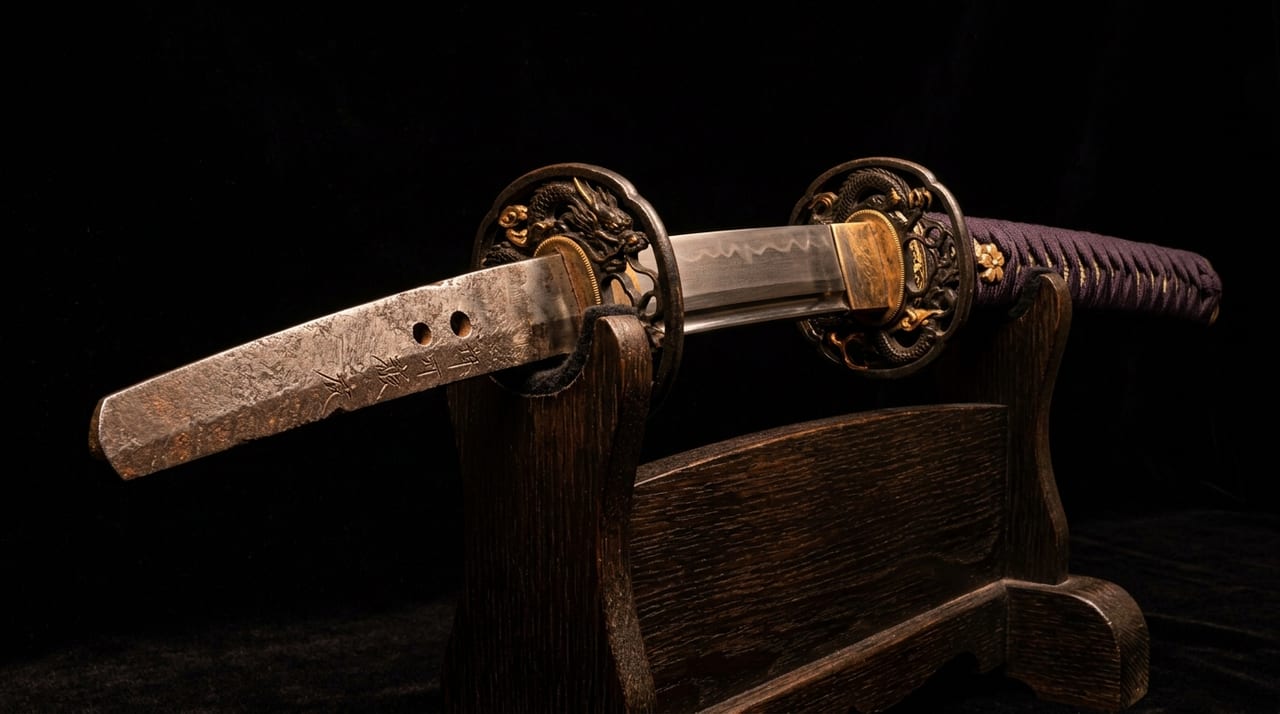 * Image is for illustrative purposes only.
Table of Contents
Tamahagane: The Lifeblood of Japanese Swords
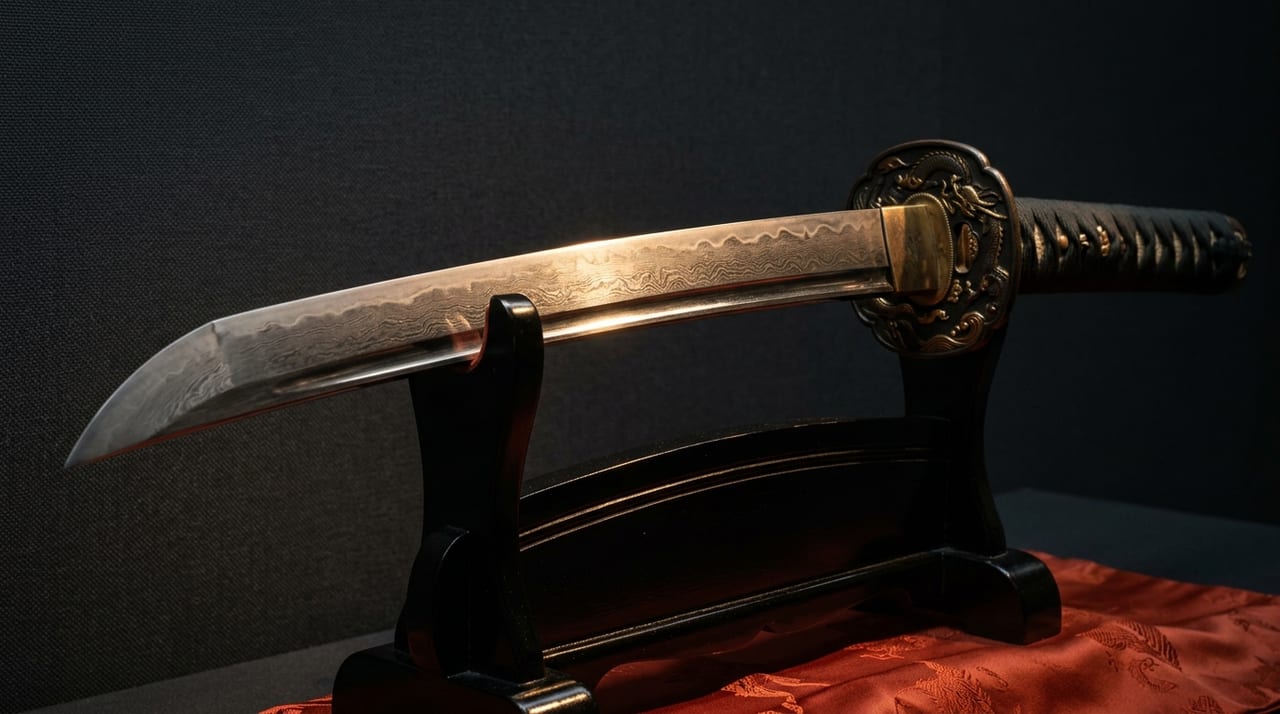
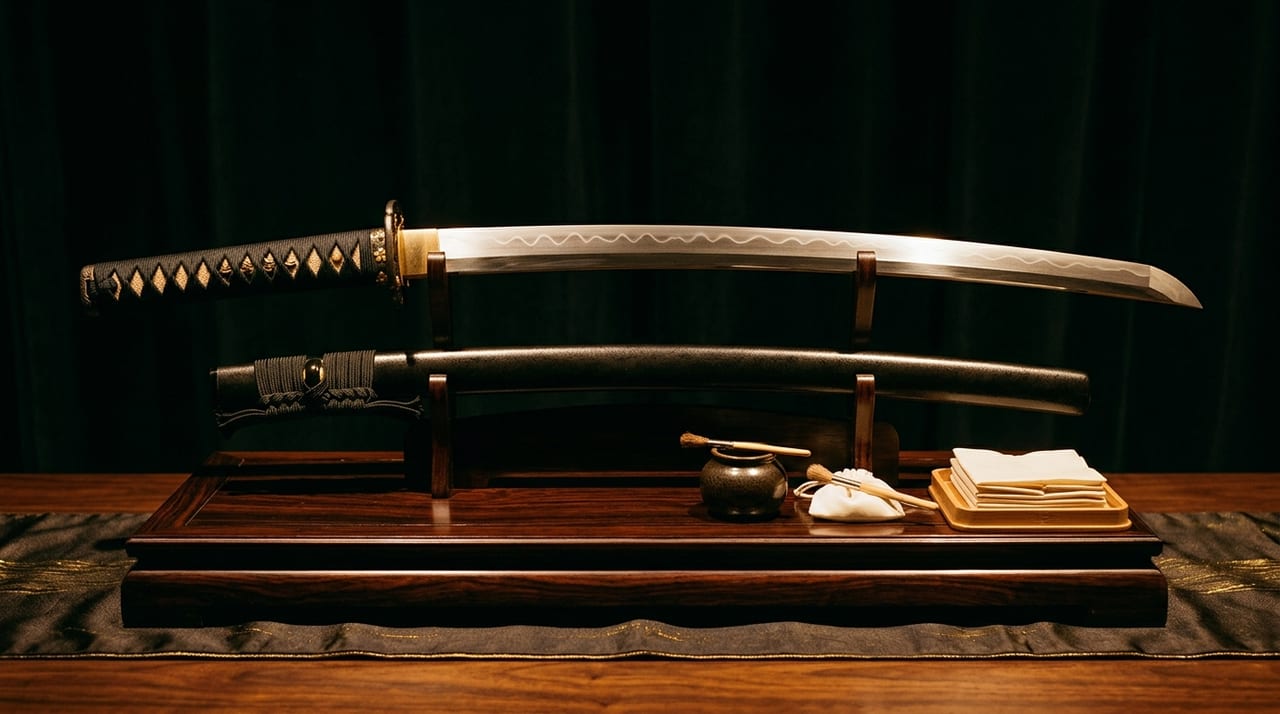
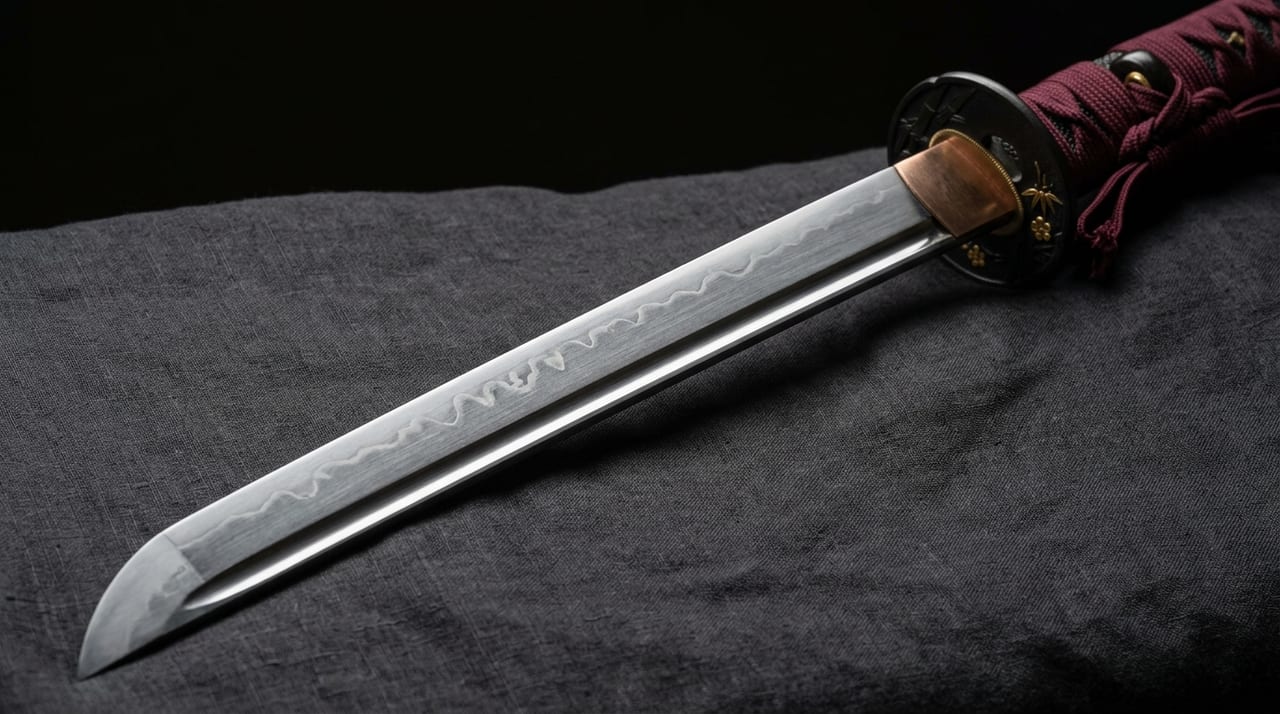
The quality of Japanese swords is greatly influenced by their material, "tamahagane" (玉鋼). Tamahagane is a high-purity steel produced by smelting iron sand in a traditional smelting furnace called a "tatara" (たたら炉) over the course of three days and three nights.
Tamahagane contains extremely few impurities and has appropriately adjusted carbon content, which enables bladesmiths to forge swords that combine "hard blades" with "flexible bodies."
Iron Sand Extraction and Distribution
Distribution of Iron Sand in the Japanese Archipelago
Iron sand is widely distributed throughout the river basins and coastlines of the Japanese archipelago. In particular, iron sand is thickly deposited in the lower reaches of large rivers such as the Hii River (Shimane Prefecture), the Yoshino River (Kochi Prefecture), and the Tone River (Gunma and Niigata Prefectures).
From ancient times through the medieval period, tatara smelting was actively conducted in these regions, producing steel supplied throughout the Japanese archipelago. In particular, the Hii River basin in Shimane Prefecture was known as the largest source of iron sand in the Japanese archipelago and was evaluated in the Edo period as "the finest in Japan in both quality and quantity of iron sand."
Methods of Iron Sand Extraction
Iron sand is extracted from sandbars in rivers and sandy areas along the coast. The extraction methods are as follows:
- Removing topsoil: Remove 20–50 cm of surface sand to reach the layer rich in iron sand
- Manual excavation: Dig out sand with wooden shovels and flow it into large water channels
- Hydraulic washing: Use river water to separate iron sand from other gravel
- Purification by sedimentation: Since iron sand has high specific gravity, it settles to the bottom of barrels while lighter sand floats
From ancient times through the Edo period, these extraction operations required enormous amounts of labor. In fact, workers engaged in iron sand extraction often performed it as a secondary occupation during the winter months.
Quality Assessment of Iron Sand
Relationship Between Iron Sand Color and Composition
Iron sand quality is determined by its color, which indicates the types of minerals and impurities it contains. Bladesmiths could judge the quality of iron sand simply by looking at its color.
- Dark brown iron sand: Contains abundant iron oxide (magnetite) and is high quality
- Reddish-brown iron sand: Contains abundant hematite (red iron ore) and shows advanced oxidation, with slightly inferior quality
- Yellowish-brown iron sand: Contains mixed silica and impurities, with low quality
Bladesmiths regarded dark brown iron sand as the highest grade and particularly favored its use in the tatara furnace.
Drying and Storage of Iron Sand
Extracted iron sand contains moisture and is further refined using a method called "magnetic separation" (磁力選別).
Specifically, iron sand is poured into a large wooden vessel and passed through a magnet (natural magnetite or forged iron magnets), which attracts the iron sand while allowing other gravel to flow away.
Afterward, the iron sand is dried and stored in containers. Insufficient drying allows oxidation to progress during storage and degrades quality, making the degree of drying extremely important.
Structure of the Tatara Furnace
Furnace Size and Shape
The tatara furnace is a rectangular earthen furnace approximately 2 meters tall and 1.5 meters deep. The furnace floor is lined with refractory clay called "rokuzoko" (炉底), and iron sand is stacked on top.
Multiple air inlets called "haguchi" (羽口) are opened on all four sides of the furnace for burning charcoal. Strong air is blown through these openings to maintain furnace temperatures of 1000–1200°C.
Surrounding Structure of the Furnace
Multiple workers are stationed around the tatara furnace. Their roles are as follows:
- Sumiko (charcoal handlers): Insert charcoal into the iron sand layers to increase combustion efficiency
- Fukiko (bellows operators): Operate the bellows (large ventilation devices) to pump air into the furnace
- Bannin (furnace keepers): Monitor furnace temperature, color, and sound, issuing instructions to the charcoal handlers
Role of Charcoal
Tatara smelting consumes enormous quantities of charcoal. A single operation (three days and three nights) requires approximately 10 tons of charcoal.
Charcoal is manufactured from hardwoods such as oak (kashi) and pine (matsu), and its quality is extremely important. Using charcoal with high moisture content or uneven charring causes furnace temperatures to become unstable and greatly degrades tamahagane quality.
In fact, Edo-period records stated that "securing high-quality charcoal was the most critical factor determining the success or failure of tatara smelting."
The Operation: The Three Days and Three Nights Process
Day One: Furnace Preparation and Operation Start
- Checking the furnace floor: Verify that the refractory clay is undamaged and repair as necessary
- Laying charcoal: Spread 50 cm of charcoal on the furnace floor
- Beginning operation: Start operating the bellows, ignite the charcoal, and begin raising furnace temperature
- Beginning iron sand input: When temperature reaches approximately 700°C, begin gradually adding iron sand
Day Two: Stable Operation
- Continuous input: Continue alternately adding iron sand and charcoal around the clock
- Temperature management: Monitor furnace color (bright red to yellow) and adjust to maintain 1000–1200°C
- Bellows operation: Multiple workers take turns operating the bellows to maintain stable air supply
- Keeper's instructions: Experienced furnace keepers issue detailed instructions to charcoal handlers based on furnace sound, color, and smoke
Day Three: Final Stage and Tapping
- Reducing input: Gradually decrease iron sand input and prepare for the final stage
- Adjusting heat: Manage charcoal burning, gradually raise furnace temperature, and reach maximum temperature (approximately 1300°C)
- Tapping (shusutsen): Molten iron (tamahagane) flows out from the bottom of the furnace. This iron flows onto sand and cools
- Tamahagane recovery: After cooling, remove the hardened tamahagane, measure its weight, and evaluate its quality
Quality Evaluation of Tamahagane
Assessment by Color
The quality of tapped tamahagane is assessed based on its color.
- Silver-white (ginpaku-shoku): Highest quality. Carbon content is appropriate and represents what bladesmiths most desire
- Light gray: Second grade. May contain slightly more carbon, but many bladesmiths prefer it
- Dark gray: Inferior quality. Contains more carbon and tends to be brittle
Assessment by Weight and Shape
A single operation typically produces 50–100 kg of tamahagane. Its shape is irregular and varies greatly depending on the keeper's skill.
In operations by experienced keepers, tamahagane becomes larger and more uniform, reducing losses when bladesmiths divide it.
Use of Tamahagane by Bladesmiths
Division and Selection of Tamahagane
Tapped tamahagane is finely divided by bladesmiths. Typically, approximately 2–3 kg of tamahagane is needed to forge a single sword (blade length 70 cm).
Bladesmiths carefully inspect the purchased tamahagane for color, density, and cracks, then select the optimal tamahagane for each sword. Lower-quality tamahagane is reserved for smaller swords such as wakizashi and tanto.
Annealing of Tamahagane
Purchased tamahagane undergoes a process called "annealing" (焼き鈍), in which it is heated in the bladesmith's furnace and cooled slowly. This relieves internal stress in the tamahagane, making it easier to work and stabilizing its quality.
Modern Tatara Smelting and Transmission
Tradition Preservation in Shimane Prefecture
Currently, the only facility in the Japanese archipelago continuing traditional tatara smelting is operated by the "Association to Preserve Tatara Smelting Technology" in Shimane Prefecture.
The facility conducts tatara operations lasting three days and three nights one to two times per year, producing 200–300 kg of tamahagane annually. Bladesmiths purchase this tamahagane to forge Japanese swords.
However, supply falls vastly short of demand, and many bladesmiths have no choice but to use "modern tamahagane equivalents" purchased from steel manufacturers.
Challenges in Transmitting Traditional Techniques
The number of craftspeople engaged in tatara smelting (tatara masters) has dwindled to just a few. Operations involve enormous labor and danger, and annual income is limited, making it extremely rare for young people to pursue this profession.
The Agency for Cultural Affairs has designated tatara smelting as an "Important Intangible Cultural Property" and provides subsidies for successor training. However, this has not achieved a fundamental solution.
Conclusion
The process of manufacturing tamahagane from iron sand is the source and most important foundation of Japanese sword making. The entire process from extracting dark brown iron sand through three days and three nights of tatara operation to the production of silver-white tamahagane represents the crystallization of knowledge and techniques that bladesmiths cultivated from ancient times through the medieval period and the Edo era.
Modern tatara smelting may evolve into a simpler form through mechanization and chemical optimization. However, the time axis of "three days and three nights" in traditional tatara smelting and the craftsman's intuition and experience embedded within it possess a value that can never be mechanically replicated.
The future of Japanese swords depends on how this traditional tatara smelting is inherited and modernized.