Toyotomi Hideyoshi's Sword Control and Prohibition Edicts
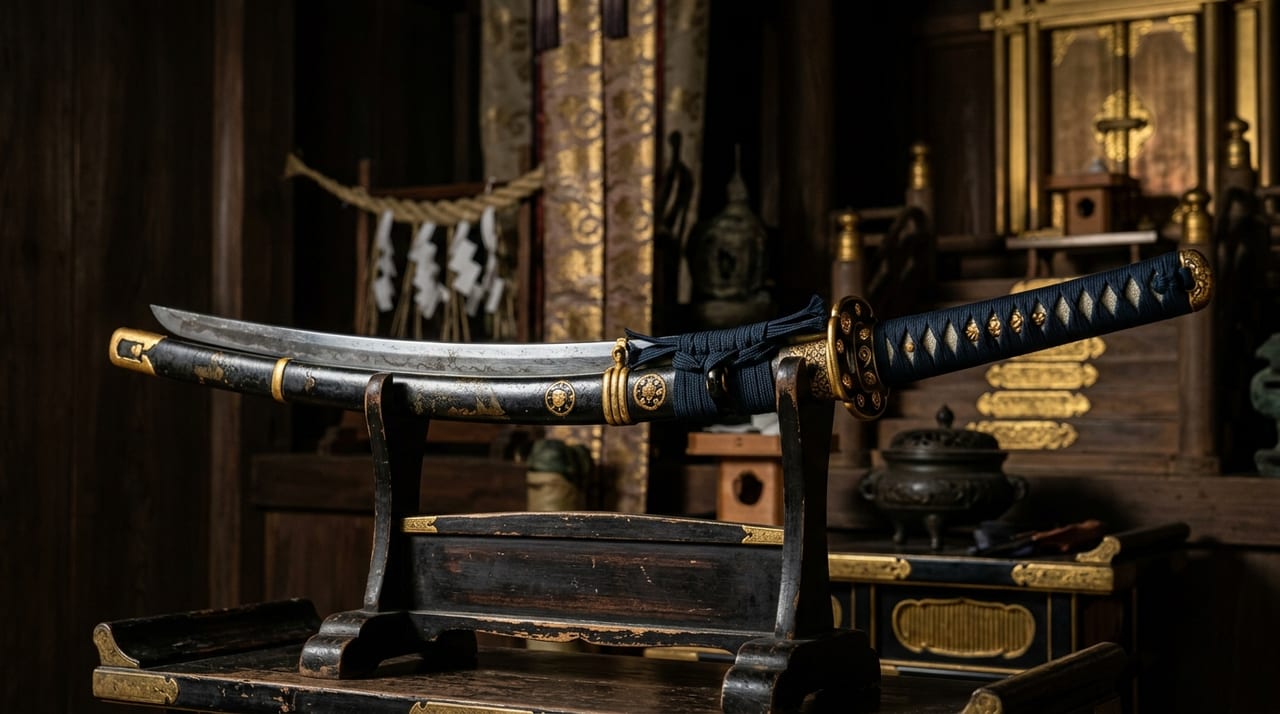
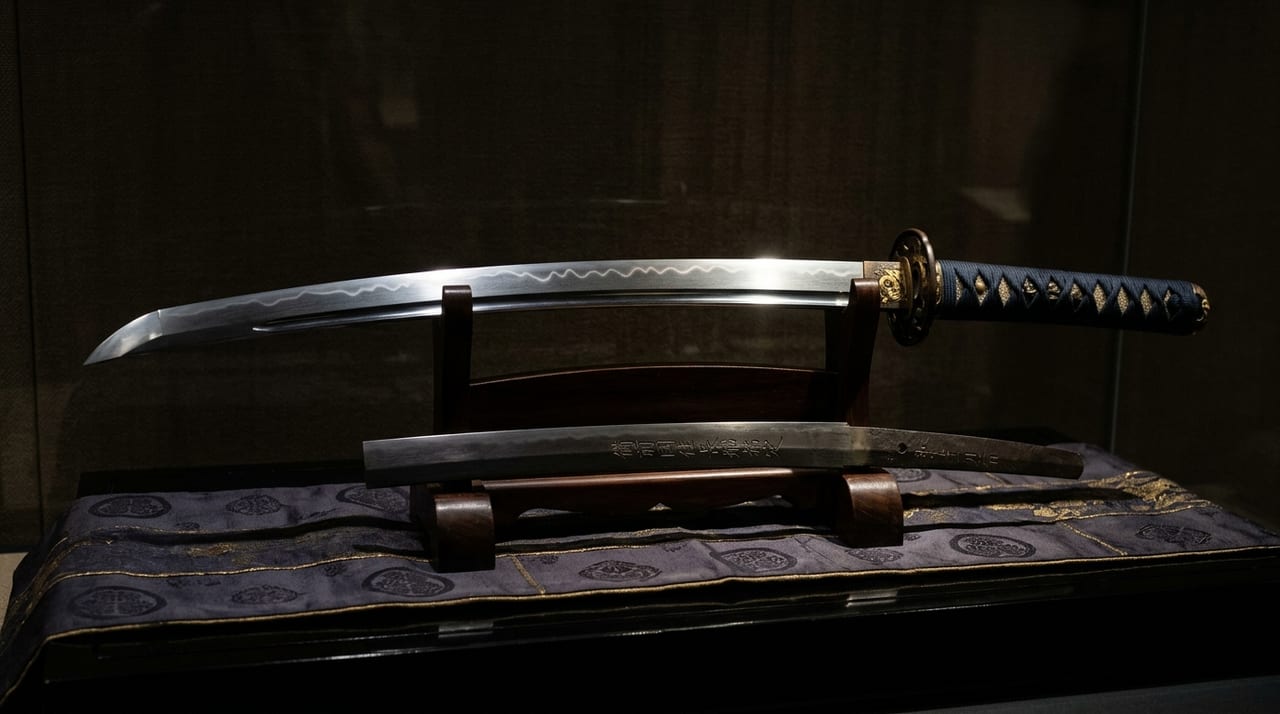
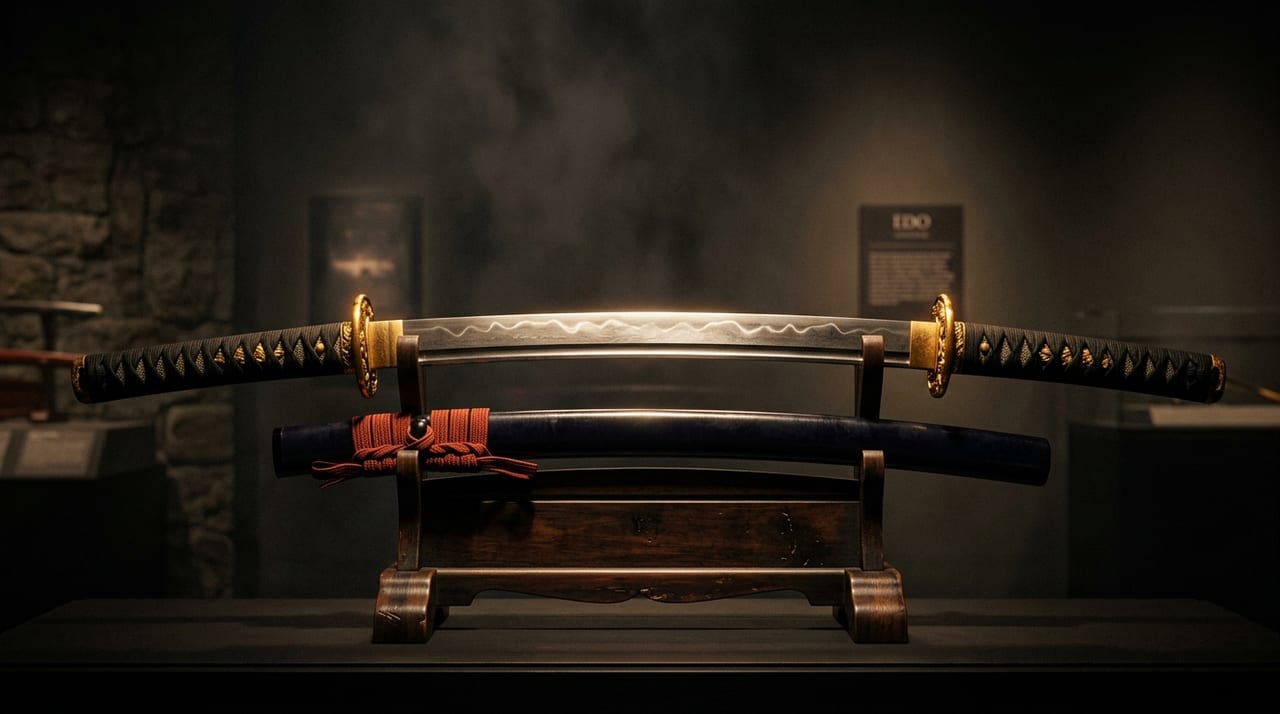
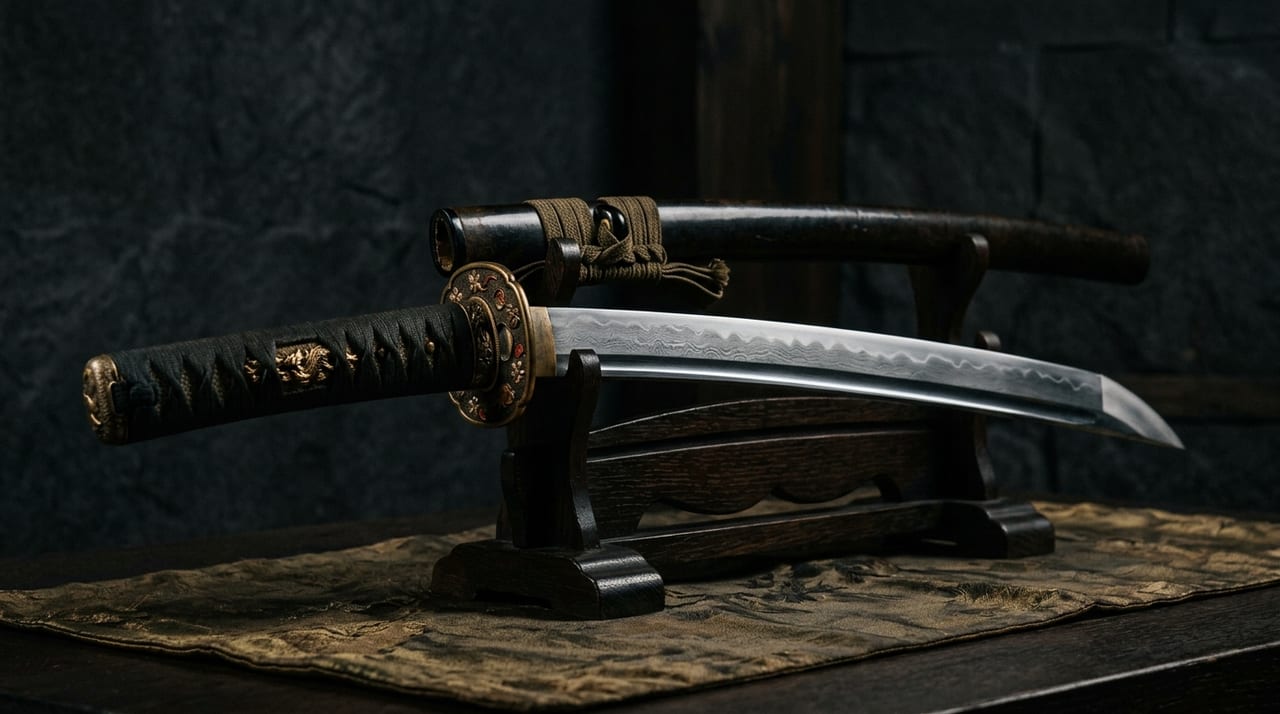 * Image is for illustrative purposes only.
Table of Contents
The "katanagari" (sword confiscation) implemented by Toyotomi Hideyoshi during his process of unifying the realm was not merely a disarmament policy, but rather a strategic measure that supported the establishment of a feudal class system and the foundation of domain governance. In the latter half of the 16th century, as Japan moved from the chaos of the Sengoku period toward unification, Hideyoshi's confiscation of swords from commoners had a dual purpose: the ideology of separating peasants from warriors and the suppression of peasant uprisings. This article traces how Hideyoshi's sword prohibition edict changed the history of the Japanese sword and its influence on the feudal class order of the Edo period.
Historical Necessity of Unification and Sword Confiscation
Hideyoshi undertook the katanagari in 1588 (Tensho 16). During this period, Hideyoshi faced the imminent Korean campaigns (the Imjin War) and urgently needed to stabilize governance within Japan. Throughout the Sengoku period, it was not uncommon for peasants and townspeople to possess weapons, and conflicts and uprisings continued in various regions. This was an era when armed commoners and religious forces, such as the Ikko Uprising and Hokke Uprising, clashed with daimyo authority.
Oda Nobunaga, Hideyoshi's predecessor, recognized the importance of disarmament, but did not implement comprehensive nationwide control. Hideyoshi escalated this policy based on the foundation of the Taiko Kenchi (land survey) completed from 1582 onward, which comprehensively grasped cultivated lands, population, and production levels. Hideyoshi intended to clearly distinguish "who was permitted to carry weapons" by status. In other words, the katanagari was two sides of the same coin as the kenchi.
The Taiko Kenchi and Sword Confiscation as Governing Strategy
The Taiko Kenchi was a large-scale land survey project that Hideyoshi advanced from Tensho 10 (1582), aimed at accurately measuring fields and paddies throughout the land and ascertaining harvest yields. A byproduct of this effort was the distinction between landowners and laborers—in other words, the clear separation of "peasants" and "warriors." Those not listed in the kenchi registers were classified as "peasants" rather than "warriors" and lost the right to carry swords.
The sword confiscation edicts were issued in multiple stages. In the "Katanagari Edict" dated September 15, 1588, peasants and townspeople were prohibited from possessing swords, spears, firearms, and other weapons. The edict ordered confiscation to be carried out nationwide between May and August. Implementation was particularly thorough in the Kinai region, with records showing that officials conducted house-to-house visits around Kyoto and Osaka to confiscate weapons.
This policy had multiple objectives:
- Prevention of regional rebellions such as peasant uprisings: From the 1480s onward in the Muromachi period, soil uprisings and peasant rebellions occurred frequently and posed threats to feudal authority. Through the katanagari, Hideyoshi sought to stabilize control by depriving peasants of the ability to mount organized armed uprisings.
- Establishment of "monopoly of warrior status": In Hideyoshi's governance model, the right to carry weapons was limited exclusively to the warrior class, and a social structure was established in which other classes were prohibited from possessing weapons. This became the prototype for the feudal class order of the Edo period.
Civilian Disarmament Edicts and Sword Confiscation from Shrines and Temples
During implementation of the sword confiscation edict, swords were collected from civilians in ways that could not be resisted. Particularly noteworthy is that swords donated to shrines and temples were also subject to confiscation. Religious facilities were typically considered places beyond the reach of feudal authority, but Hideyoshi broke through this sacred status and confiscated swords under the guise of disarmament.
At major temples in Kyoto, Hideyoshi's officials went to halls and confiscated donated swords. According to records from Tensho 16, several hundred swords were collected from temples of the Five Mountains of Kyoto. Many of these confiscated swords were deposited in Hideyoshi's treasury and used as his personal armory. Additionally, some of the confiscated swords were distributed as rewards to Hideyoshi's retainers.
Particularly interesting in this process is how Hideyoshi justified confiscation under the pretense of "performing memorial services for the swords." In the Buddhist context, swords were considered instruments of killing, and there was a belief that by donating them to temples, one could avoid karmic retribution. Hideyoshi reversed this belief and proceeded with confiscation under the pretext of "removing instruments of murder from temples so as not to defile the Pure Land."
The Korean Campaigns and the Dilemma of Sword Demand
Interestingly, during the same period from 1588 to 1598 when Hideyoshi was thoroughly implementing the katanagari, he was simultaneously conducting the Korean campaigns (the Imjin War). This military operation dispatched more than 150,000 troops to the Korean Peninsula, and immense quantities of swords were required. In siege warfare against Korean fortifications, Japanese swords functioned as a primary weapon in close combat.
This contradiction reveals the complexity of Hideyoshi's governance policies. While prohibiting civilian possession of swords domestically, he simultaneously needed massive quantities of swords for overseas expeditions. Warriors participating in the campaigns naturally required swords for combat in Korea. Hideyoshi continued to demand high production from swordsmiths while simultaneously implementing a strict prohibition on civilian armament domestically—thus executing seemingly contradictory policies in parallel.
The Impact of Hideyoshi's Policies on Edo Period Order
The idea demonstrated by the katanagari—"distinguishing which social classes were permitted to carry weapons"—was inherited by the feudal class order of the Edo period. During the Edo period, surnames and sword-bearing were in principle privileges recognized for the warrior class (samurai status), while for peasants and townspeople, such privileges were permitted by the shogunate or domains only in special cases such as rewards (National Diet Library Reference Collaborative Database "Myoji Taiho"). Sword-bearing ceased to be about physically possessing a sword and instead became significant as a symbol denoting social status.
Under this order, the Japanese sword became increasingly characterized not as a practical weapon of warfare, but as a possession indicating warrior status and as an object of appreciation. The fact that sword authentication and records of famous blades were established during the Edo period is not unrelated to the environment in which swords came to be valued as works of art.
Conclusion: Sword Control and the Formation of Japanese Social Order
Toyotomi Hideyoshi's katanagari and sword prohibition edicts became a turning point in the history of the Japanese sword. Hideyoshi did not simply implement military disarmament, but rather executed a social design that clearly distinguished social classes and monopolized the right to carry weapons exclusively to the warrior class. The katanagari, implemented in coordination with the Taiko Kenchi, was a measure symbolizing the transition from the chaos of the Sengoku period to an orderly unified nation-state, and it laid the foundation for the feudal class society that followed during the 300 years of the Edo period.
The contradiction between external military demand from the Korean campaigns and domestic prohibition on armament demonstrates the complexity of Hideyoshi's governing philosophy. For Hideyoshi, "swords" were not merely weapons, but rather symbolic tools for making social hierarchy visible and maintaining power structures.
The tradition of civilian sword possession that Hideyoshi abolished was inherited through the Edo period and continues into Japan's current Swords and Firearms Control Law. The fact that the logic of sword confiscation from more than 400 years ago continues to influence modern Japanese sword regulations testifies to how fundamental were the changes Hideyoshi's governing strategy wrought. In understanding the history of swords, Hideyoshi's sword prohibition edict is certainly a crucial turning point that cannot be overlooked.