The Complete Guide to Blade Patterns (Hamon) — A Thorough Explanation of Temper Patterns, the Very Soul of Japanese Swords
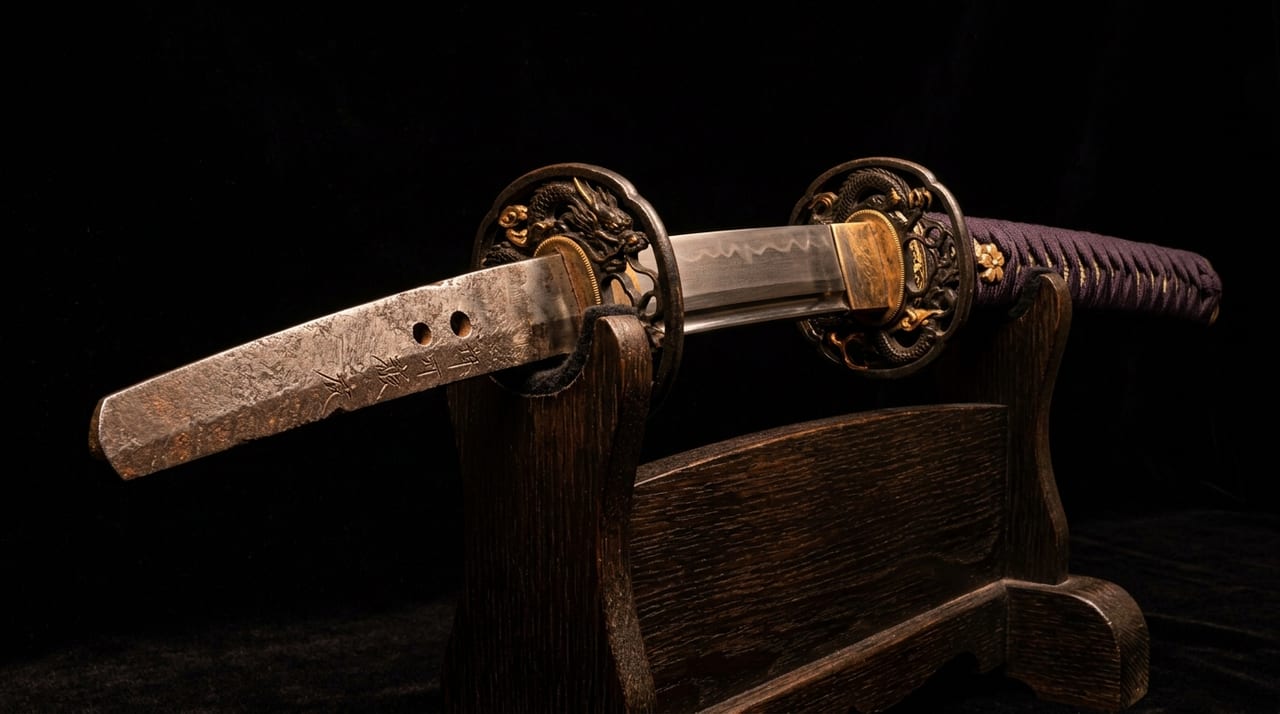 * Image is for illustrative purposes only.
Table of Contents
What is Hamon—The Boundary Where the Blade's Spirit Dwells
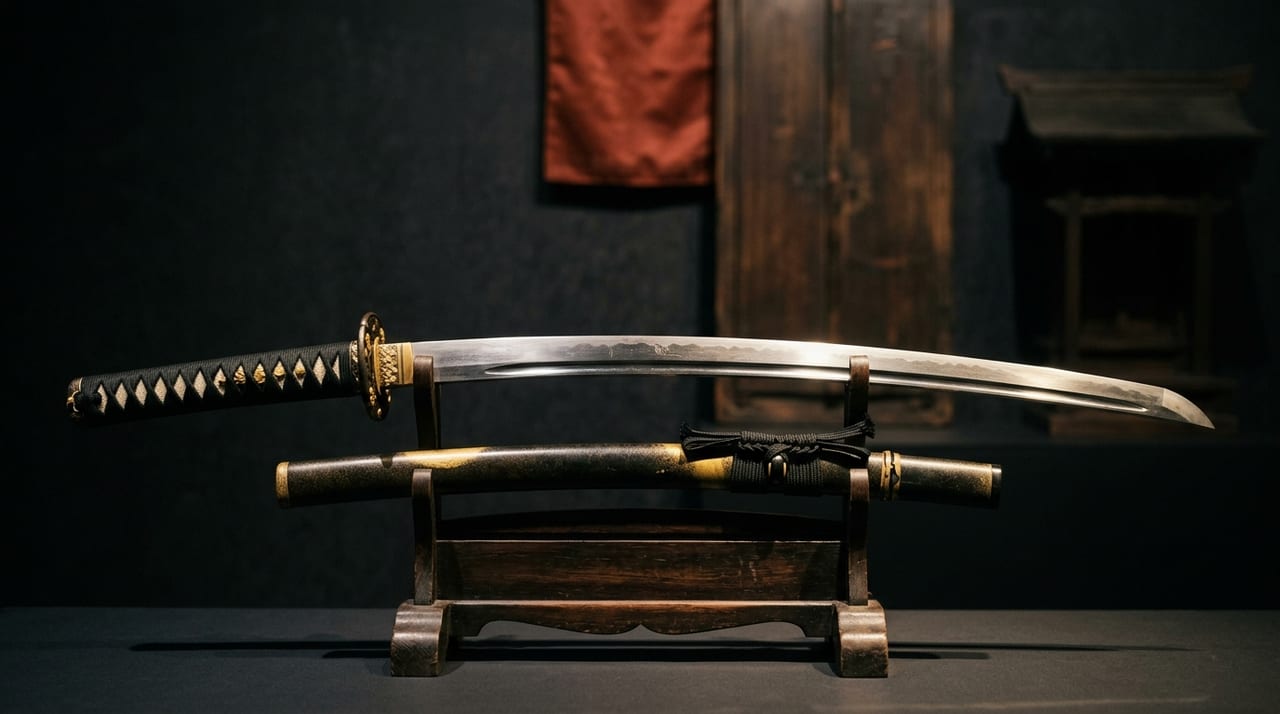
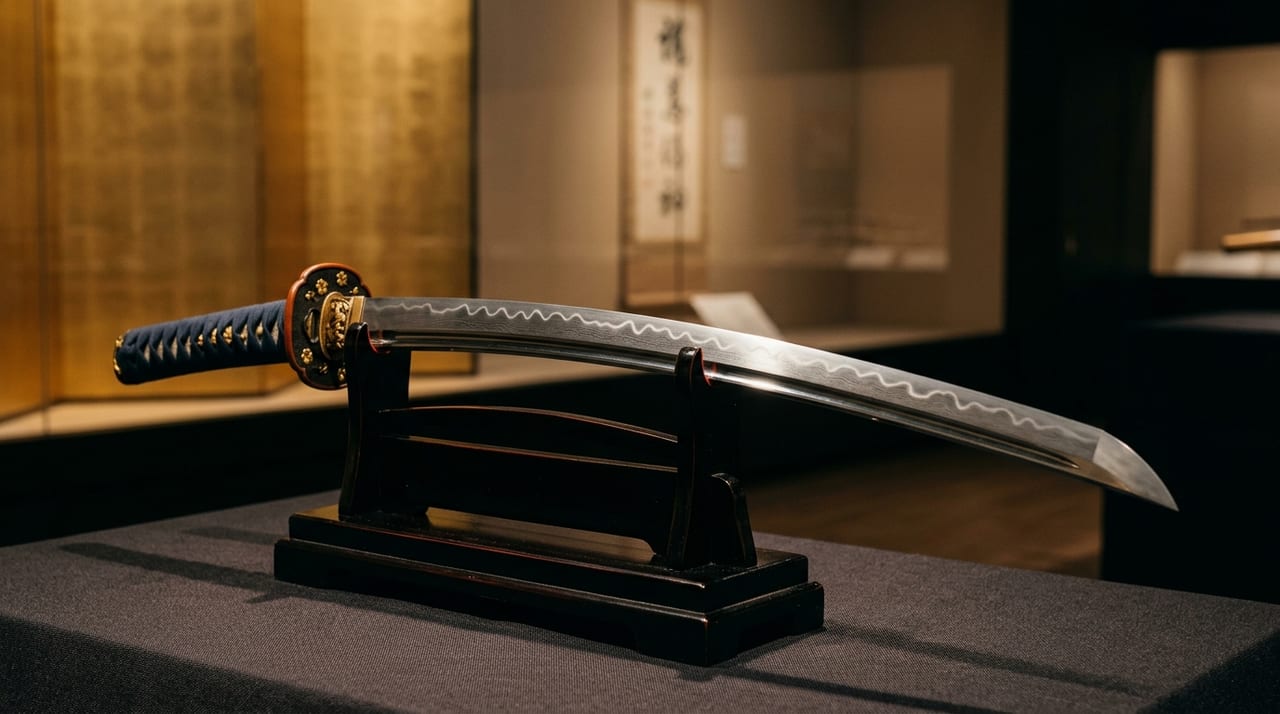
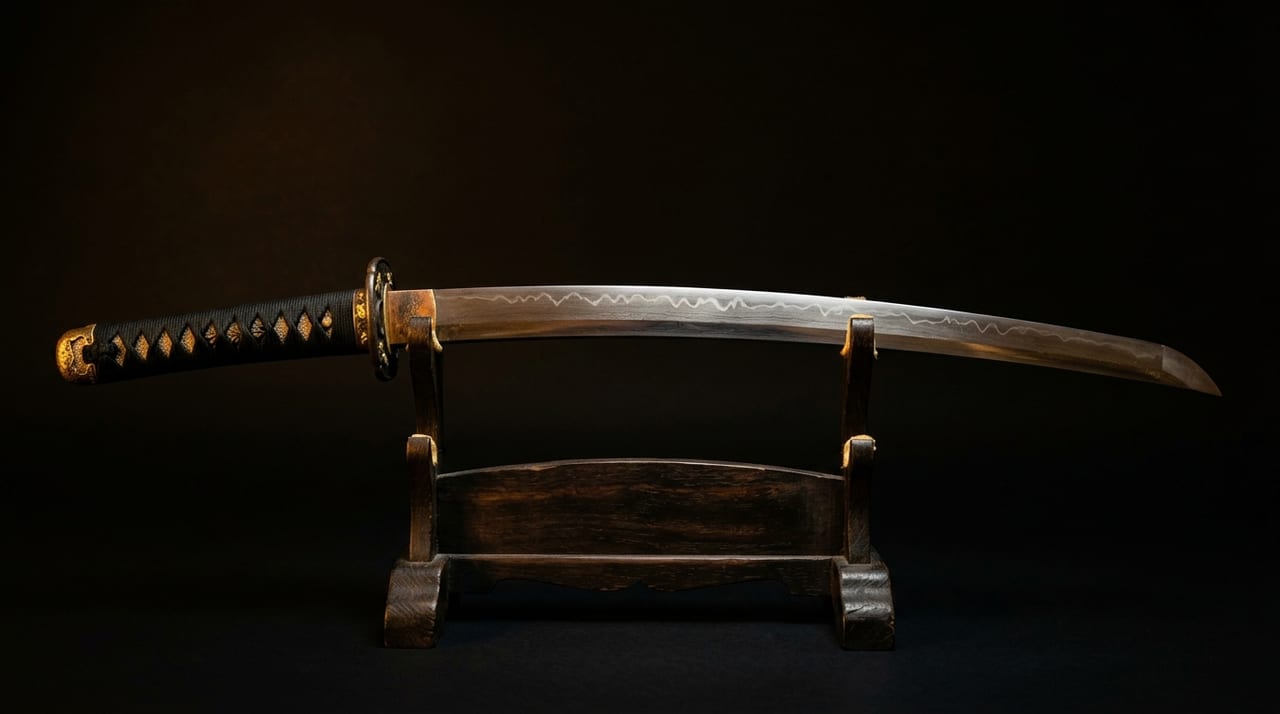
In the appreciation of Japanese swords, one of the most important elements is "hamon" (blade pattern). Hamon refers to the white striped pattern that appears near the cutting edge of the blade, indicating the boundary line between the hardened and flexible portions created by quenching (heat treatment). In English, it is called "hamon" or "temper line" and has become established as an international technical term.
Hamon is not merely decorative, but appears as the result of the most delicate and important process in Japanese sword making—quenching. It is an element that determines all aspects of the blade's sharpness, resilience, and aesthetic appeal, and reading the hamon directly leads to discerning the skill, era, and school of the swordsmith who created it. In the appraisal of the Japan Art Sword Preservation Society (NBTHK), hamon is considered the most important evaluation criterion.
How Hamon is Born—The Science of Quenching
To understand hamon, it is essential to know the quenching process.
After completing the blade, the swordsmith performs a process called "tsuchioki" (clay application). Fire-resistant clay is applied thinly to the cutting edge and thickly to the ridge and spine. The difference in clay thickness creates the difference in hardness after quenching.
The clay-coated and dried blade is heated to approximately 750-800°C in a furnace, and when a certain temperature is reached, it is rapidly cooled (quenched) in water or oil. Through this rapid cooling, the cutting edge transforms into "martensite," an extremely hard iron crystal structure, while the ridge is preserved relatively soft as "troostite" or "sorbite."
This boundary line between hard and soft appears on the blade surface as hamon. The shape of hamon is determined by how the clay is applied and the technique used during quenching, so the swordsmith's individuality and school characteristics are clearly reflected.
Types and Characteristics of Major Hamon Patterns
The following are representative hamon patterns and the systems in which they are frequently seen, along with their representative schools and smiths.
| Hamon | System (Tradition) | Representative Schools and Smiths |
|---|---|---|
| Suguha (straight blade) | Yamashiro tradition (Kyoto school) | Awataguchi, Rai school |
| Notare (undulating) | Soshu tradition (Kamakura/Odawara school) | Masamune, Sadamune |
| Choji (clove-bud) | Bizen tradition (Okayama school) | Ichimonji school, Osafune school |
Suguha (Straight Blade)
Suguha is the simplest hamon pattern, where the blade boundary runs in a straight line. It has been favored by master craftsmen since ancient times for giving an impression of elegance and dignity. It is commonly seen among Yamashiro tradition smiths and is typical of works by the Awataguchi and Rai schools. Some suguha include slight irregularities called "suguhachou," and though they may appear monotonous at first glance, they actually possess deep character.
The suguha of the Awataguchi school is particularly called "hososuguha" (fine straight blade), where the narrowly refined linear beauty of the blade boundary stands out. Though suguha appears simple at first, it requires absolute precision in clay application that tolerates no irregularities, so experienced smiths are well aware of its difficulty. For viewers, it is said to be a hamon whose depth is only understood after looking at it closely and carefully.
Notare (Undulating)
Notare is a wavy hamon that undulates gently in a wave-like pattern, characterized by continuous large wave forms. It is particularly common in the Soshu tradition (Kamakura/Odawara school) and is exemplified by works of Masamune and Sadamune. Depending on the size and density of the waves, it may be classified into categories such as "large notare" and "small notare."
Choji (Clove-Bud)
Choji is a hamon consisting of shapes that resemble clove buds, particularly common in the Bizen tradition (Okayama school). It is typical of the Ichimonji and Osafune schools and stands out for its visual splendor among hamon patterns. It has abundant variations such as "large choji," "reversed choji," and "triple choji," depending on the era and swordsmith.
Gunome (Alternating Circles)
Gunome is a pattern in which wavy hamon repeats regularly, deriving its name from continuous round wave forms resembling go stones (go markings) arranged in a row (the name "gunome" comes from a transformation of "go markings"). It originated in the Bizen tradition and later spread to various other schools. There are diverse variants such as "gunome choji" and "gunome midare."
Midare (Irregular Pattern)
Midare is a general term for patterns in which the above basic forms combine complexly to form varied, irregular designs. There are diverse variations such as "large midare," "small midare," and "hitatsura" (all hardened), which were specialties of Soshu and Mino tradition smiths.
Hitatsura (All-Hardened)
Hitatsura is a hamon in which hardening enters not only the cutting edge but also the body of the blade, creating such a complex pattern that the entire blade appears white. It is commonly seen in the later Soshu tradition from the Southern and Northern Courts period through the Muromachi period and has an extremely strong visual impact.
Details of Hamon—Nie and Nioi
Essential concepts in appreciating hamon are "nie" (ebullition) and "nioi" (fragrance).
Nie (ebullition) is granular luster appearing within the hamon that, when magnified, shows particles resembling sand grains. This is because the coarse structure of martensite crystals formed by rapid cooling reflects light, and it is often seen in old swords from the Kamakura through Muromachi periods. Swords with strong nie are called "nie-deki" and evoke wild charm and strength.
Nioi (fragrance) appears when the hamon appears soft and hazy, with fine and evenly distributed martensite crystals. It is commonly seen in Shinto and Shinshinto (new and newer swords) from the Edo period and gives an elegant and refined impression. It is also called "nioideki."
When appreciating hamon, the method of observing step by step while tilting the light at an angle is effective. Observation should proceed in the following order.
- Grasp the overall appearance (the rough flow of the shape)
- Confirm the shape of the blade boundary (suguha, choji, gunome, etc.)
- Discern the texture of nie and nioi
- Narrow the focus to the workings of fine details such as "kinsuji" (gold line) and "sunagashi" (sand flow)
By observing in this order, the structure and individuality of the entire hamon can be understood three-dimensionally.
Even with the same hamon shape, the impression and evaluation differ greatly depending on whether it is nie or nioi. The Soshu tradition with strong nie and the Bizen tradition with soft nioi are diametrically opposed in the "texture" of hamon beauty.