Edo Period Sword Culture and Samurai Refinement—Tōken (刀剣) Aesthetics and Propriety Born of an Age of Peace
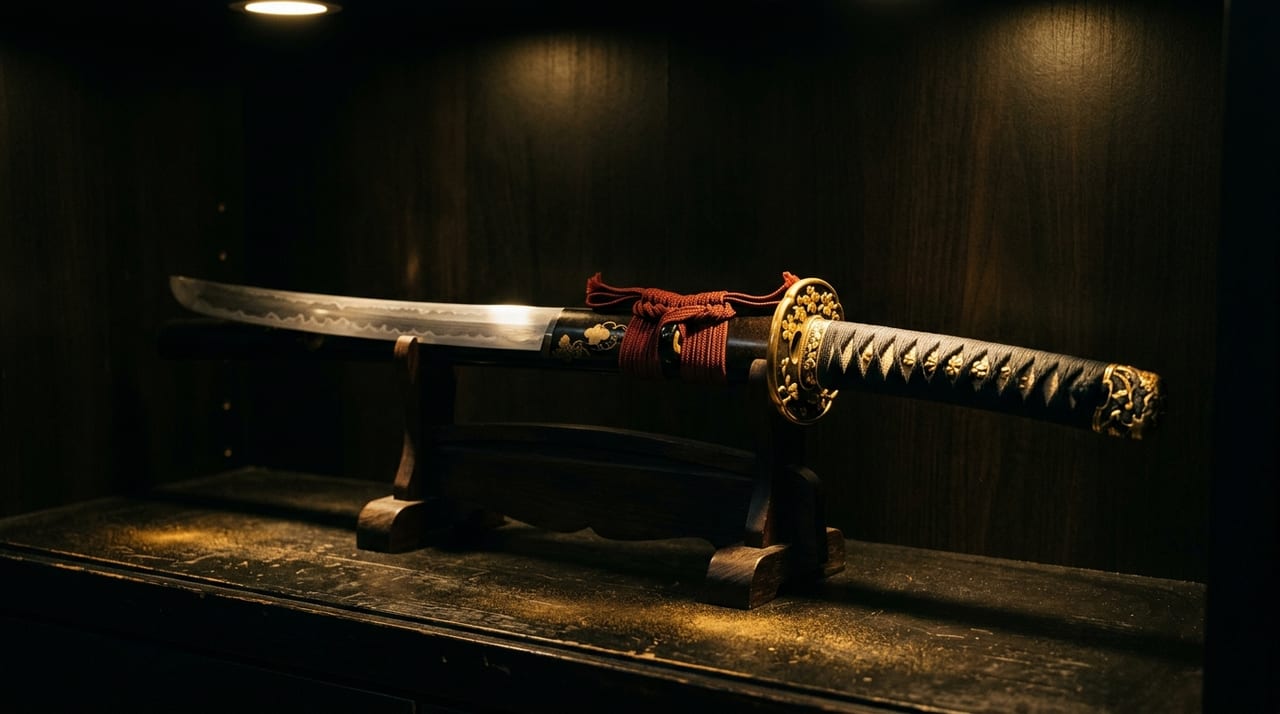 * Image is for illustrative purposes only.
Table of Contents
The Transformation of Swords in the Peaceful Edo Period
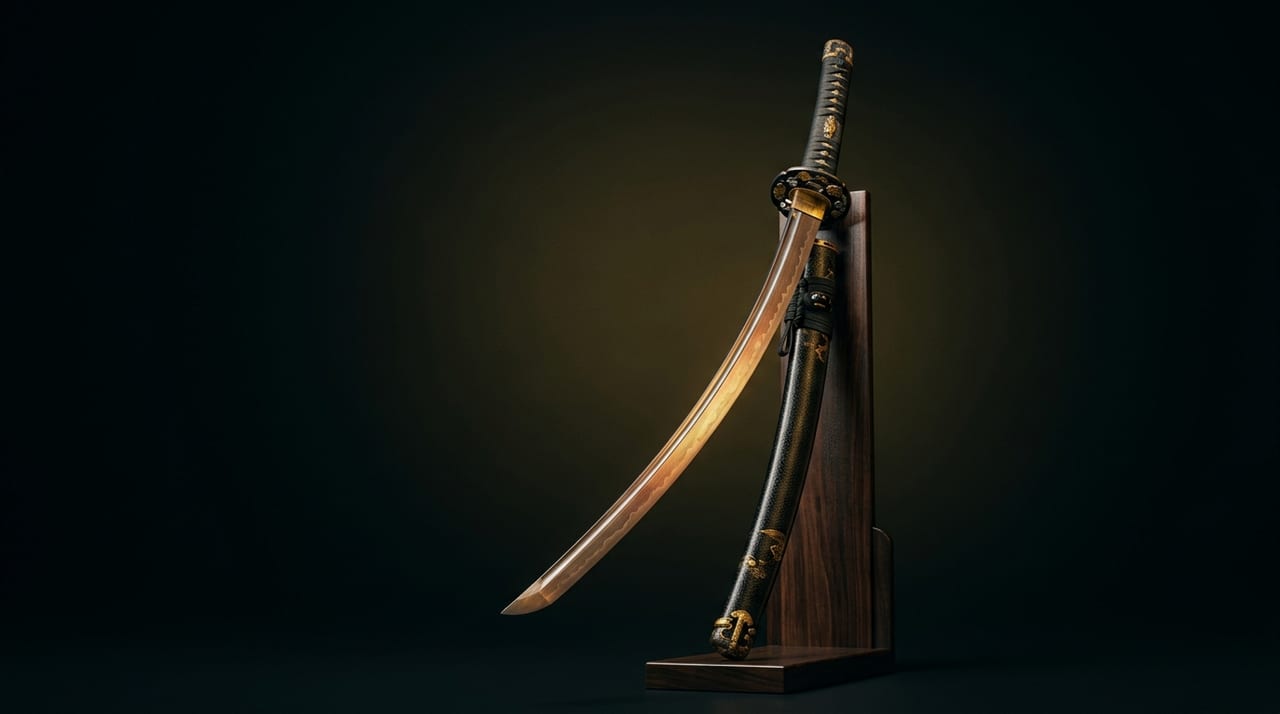
With the Summer Campaign of Osaka in 1615, the curtain fell on the Sengoku period, and a stable reign by the Tokugawa shogunate was established. The arrival of this "peaceful era" fundamentally changed the nature of Japanese swords. The meaning of swords underwent a profound transformation—from practical weapons for cutting enemies on the battlefield to symbols of samurai rank and spirit, becoming vessels for the "soul."
The more than 260 years of the Edo period (1603-1868) represent a unique era in the history of Japanese swords. Why did samurai continue to wear swords in an age without warfare? And how did sword culture develop?—This essay explores these questions from multiple perspectives.
The Sword Becomes the "Soul": The Integration of Bushido and the Blade
With the onset of the Edo period, the concept that "the sword is the soul of a samurai" became deeply embedded in society. Behind this ideology lay the theoretical formulation of bushido by thinkers such as Yamaga Sokō and Yamamoto Tsunetomo.
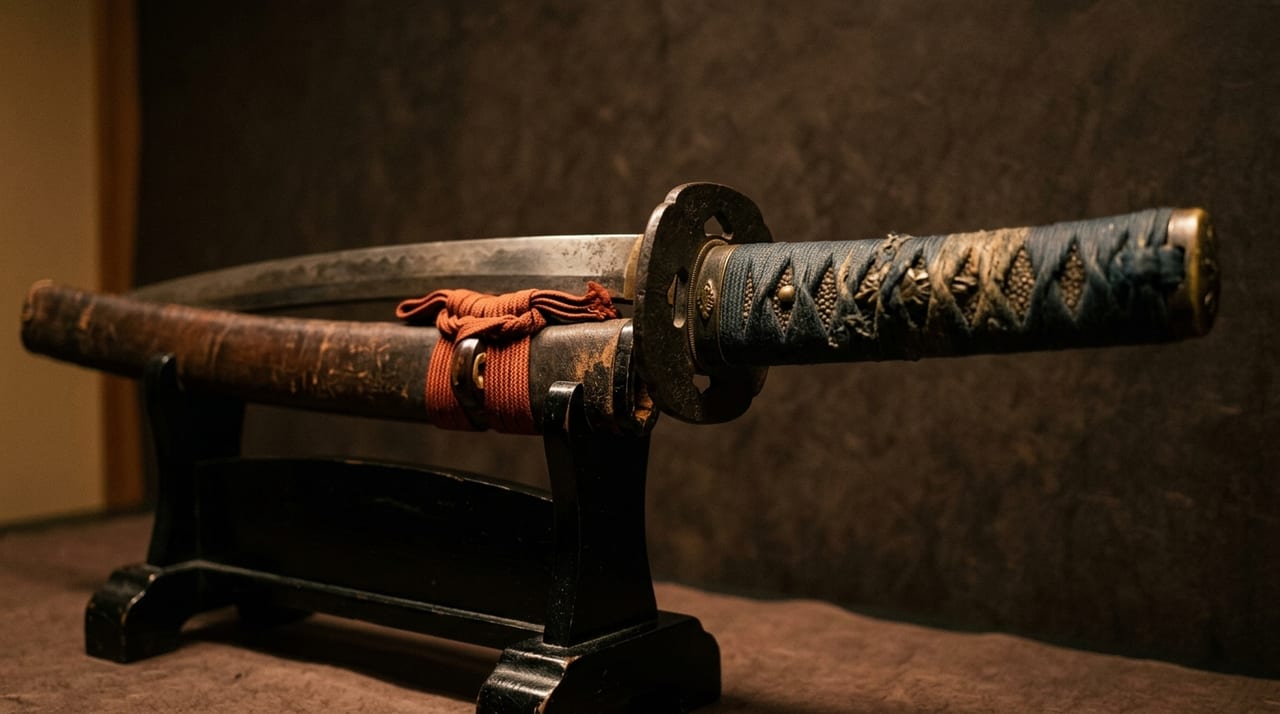
The "Hagakure" (completed around 1716), recorded by Yamamoto Tsunetomo, contains the famous passage "Bushido is found in death," yet the text also describes detailed codes regarding the handling of swords and proper etiquette. The sword embodied the samurai's very personality; leaving it on the ground or touching the blade with bare hands was considered a breach of propriety.
This ideology of "sword equals soul" gave rise to strict protocols in actual sword handling. The position at which one wore the sword, the manner of drawing it, the way of sheathing it, the protocol for viewing another's sword—all of these became part of samurai refinement.
Codes of Sword-Wearing: The Double Sword and Samurai Status
The most iconic image of an Edo-period samurai is the "daisho" (great and small)—the style of wearing both a katana and wakizashi simultaneously. This double-sword arrangement was the visible proof of samurai status, visually distinguishing them from farmers, merchants, and craftspeople (the so-called "common people").
However, not all dual-sword wearing was uniform. The type of swords that could be worn, their dimensions, and the style of fittings were precisely regulated according to the domain and a warrior's family rank.
Regulations for Daimyo Families
Daimyo faced restrictions on everything from the opulence to the materials of their sword fittings, depending on their domain's rice productivity and their relationship with the Tokugawa shogunate. The shikisho (formal) swords used in ceremonies demonstrating allegiance to the Tokugawa had rigidly fixed forms, and unauthorized modifications were not permitted.
For Hatamoto and Gokenin
For hatamoto and gokenin (direct retainers of the shogun), the type of sword to be used in the "ritual of audience" when reporting to Edo Castle was prescribed. It was common for them to use different swords for official visits and daily wear, and hatamoto serving at the castle typically owned multiple swords.
Common People and Sword-Wearing
As a rule, farmers and townspeople were forbidden from wearing swords. However, there were exceptions: village headmen, wealthy merchants, physicians and others were sometimes permitted "myōji taitō" (surname and sword-wearing). This was a privilege specially granted by the shogunate or domain, and served as a status symbol indicating high social standing.
Sword Protocol in Samurai Etiquette
The World of "Tōrei" (Sword Etiquette)
In samurai society, elaborate protocols surrounding swords were highly developed. This was called "tōrei." The principal forms of tōrei include the following.
- Ritual of Audience: When receiving an audience with the shogun or a daimyo, etiquette required removing one's sword and entrusting it to an attendant, demonstrating submission and trust by not bringing weapons into the chamber.
- Sashisoe Ritual: Before a superior, one wore the sword with the blade facing toward one's own body (inward), thereby demonstrating an absence of hostile intent.
- Haiken Protocol for Sword Appreciation: When admiring another's sword, one must always touch the blade through cloth (fukusa). Touching the blade with bare hands not only causes rust but was considered a breach of etiquette. To point the blade's edge at another person was extremely impolite; proper form required presenting it at an angle where the edge faced away.
- Placement of Swords at Night: When retiring, the sword was always placed by one's pillow with the blade facing toward oneself (the edge facing inward). This also allowed for immediate response in case of emergency.
Edo Sword Aesthetics: The Emergence of "The Sword as Art"
In the Edo period, free from warfare, the relationship between samurai and swords shifted from the practical to the aesthetic. Particularly from the Genroku period (1688-1704) onward, swords came to be valued as artworks and collector's items.
The Development of Sword Appreciation
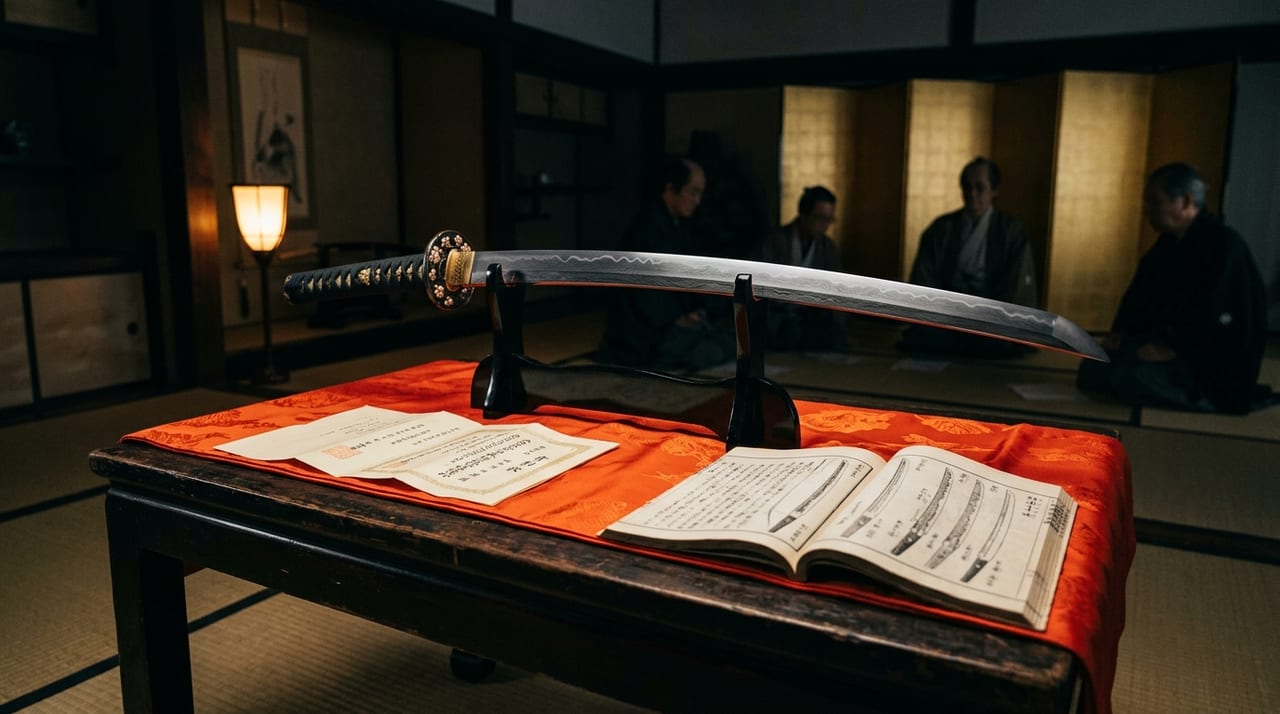
Sword appreciation spread from daimyo to lower-ranking samurai and even to wealthy merchants. Sword appreciation gatherings were held at the "kaisho"—entertainment and cultural salons within daimyo mansions. Participants brought their prized swords and discussed the merits of their signatures, hamon, jihada, and other characteristics.
Interest in Sword Fittings (Koshirae)
Aesthetic interest extended beyond the blade itself to "koshirae"—the complete set of fittings including saya, tsuka, and tsuba. The Gotō family and Owari metalworkers, working under commission from the Tokugawa shogunate and powerful daimyo, created elaborate sword fittings.
In particular, "kodougu" (small fittings)—such as menuki, fuchigashira, kogai, and kozuka—which comprise the koshirae, came to be highly regarded as Edo-period artworks. These kodougu, crafted with advanced techniques such as chasing, inlay, and casting, command high prices at modern auctions.
The "Ranking" Culture of Swords
From the middle Edo period onward, "sword rankings" modeled on sumo rankings began to be published. Master smiths were ranked as ozeki and yokozuna, becoming topics of discussion among enthusiasts. This ranking culture played a role in broadening interest in swords to include the general populace.
The Development of Sword Arts: Martial Training in an Age of Peace
In the Edo period, with the end of actual battlefield combat, swordsmanship took on the meaning of "spiritual discipline" and "training of body and spirit for samurai."
The Proliferation and Development of Schools
It is said that hundreds of kenjutsu schools existed throughout the nation during the Edo period. Notable schools include the Yagyū Shinkage-ryū, the Ittō-ryū, and the Shintō Musō-ryū. Each domain encouraged sword training among its samurai and established domain-affiliated dojos (kenjutsu keikojo).
The Spread of Shinai Training
In the latter half of the 18th century, training methods using the "shinai" (bamboo sword) and protective armor became widespread. Building on earlier "kata" (form) training with wooden swords, practical sparring with the shinai was added, improving practical sword skills. This shinai training became the direct predecessor of modern "kendo."
Late Edo Tensions and the Return of Swords
After 260 years of peace, as the late Edo period (bakumatsu) arrived in the late 19th century, social tensions rose and swords once again became "practical weapons." Sonnō jōi (revere the emperor, expel the barbarians) loyalists spread throughout the domains, and assassination incidents occurred frequently.
Swordsmen such as Okada Izō, known as "Hitokiri Izō," the Shinsengumi led by Kondō Isami, and Tanaka Shinbei rose to prominence. The swords they favored—such as those by Nagasone Kotetsu, Kiyomaro, and Koyama Munetsugu—are still highly regarded today as "famous swords of the bakumatsu."
When this tumultuous period ended and the Meiji Restoration arrived, swords faced new questions about their social significance. However, the deep aesthetic sensibility toward swords and the culture of artistic appreciation cultivated over 260 years of Edo were passed down to the present day in the form of "the Japanese sword as fine art," even after the sword ban.
Essentially, Edo-period sword culture was a culture of "dignity in peace." Precisely because there was no fighting, swords were polished, appreciated, and became symbols of propriety and beauty. This paradox is the essence of what makes the Japanese sword the world's unique "combat art object."