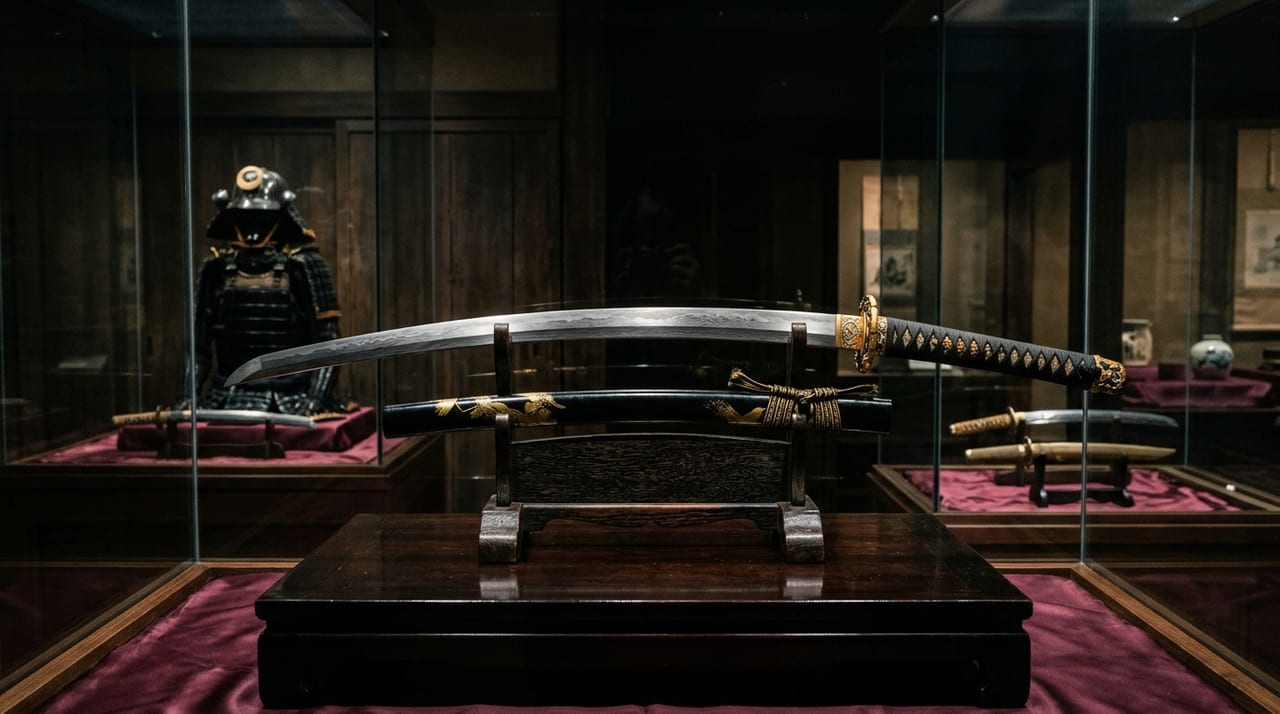
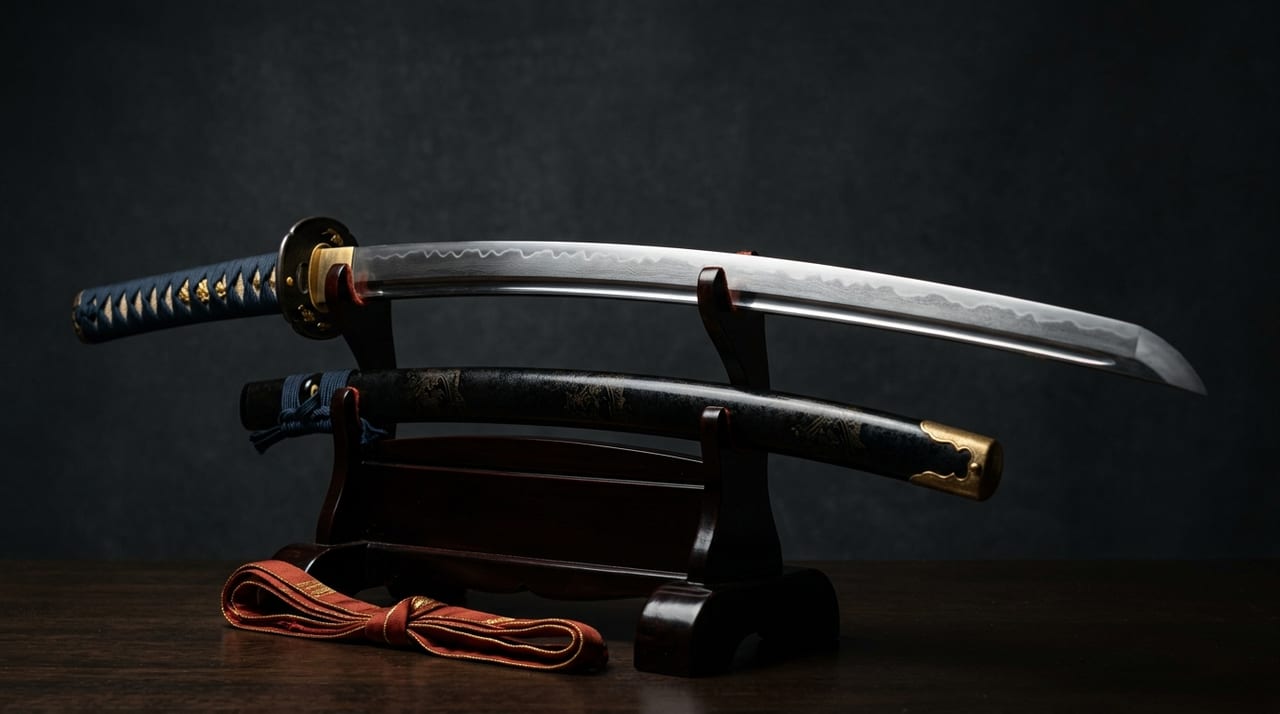
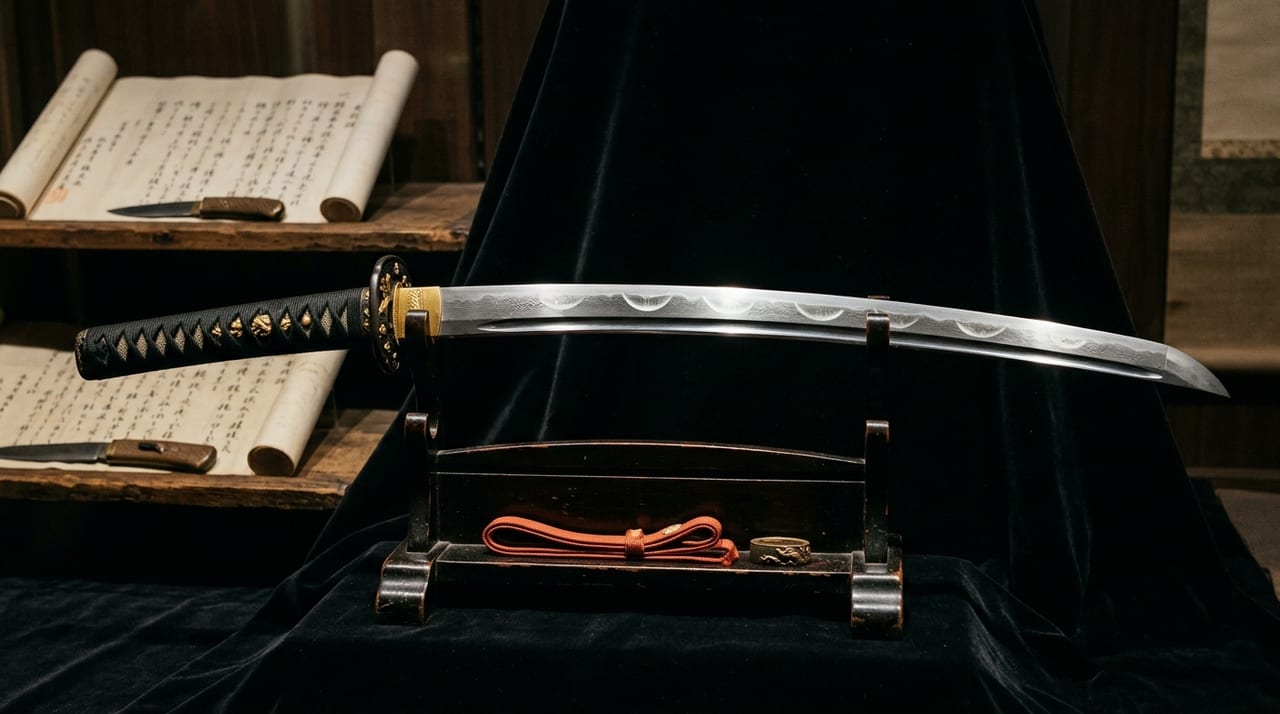
Swords of the Bakumatsu Shishi—The Beloved Blades of Sakamoto Ryoma, Kondo Isami, and Saigo Takamori
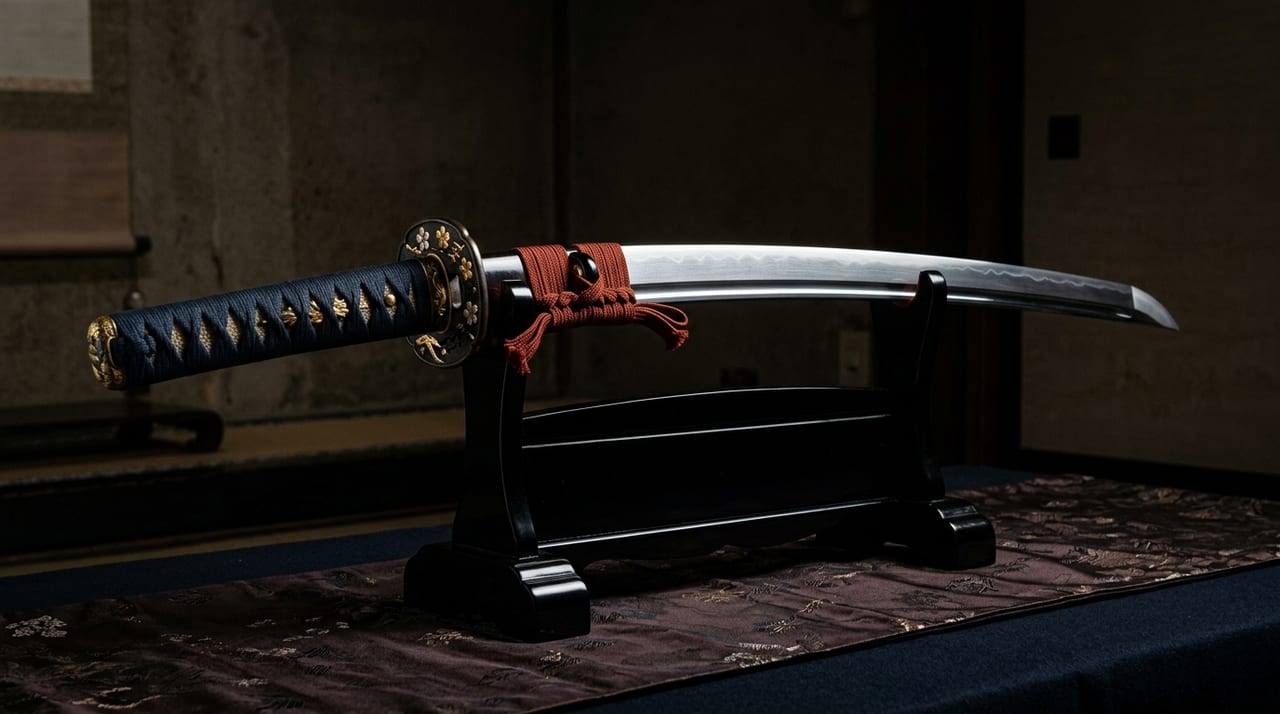 * Image is for illustrative purposes only.
Table of Contents
The End of the Tokugawa Period—An Age of the Sword
After 260 years of peace during the Edo period, the end of the Tokugawa period (1850s–1868) became an age when swords were again used in actual combat. The shock of the arrival of the Black Ships and the opening of Japan, the rise of the royalist-expulsion movement, the fierce conflict between the shogunate and the anti-shogunate factions—a sense of tension hung over the streets of this era, where one never knew when an assassin's blade might strike.
For the patriotic activists of this era, the sword was not a mere ornament but a tool on which they literally staked their lives. Who to cut down, and by whom to be cut down—that was the daily reality. The swords they chose, their training in sword schools, their split-second decisions on the battlefield—these were bound up not merely as historical facts but deeply with each person's individuality, beliefs, and destiny. To know the swords of this era is also to touch the inner world of those who lived through this turbulent time.
From the perspective of sword history, this era marked a particularly unique phase. Even as Western firearms spread rapidly, many patriotic activists did not abandon their swords. This was not merely conservatism but reflected an unwavering faith in the body and spirit honed through swordsmanship, and was also a matter of belief in the soul that dwelt within the blade.
Sakamoto Ryoma's Beloved Blade—the Mutsu no Kami Yoshiyuki and the Hokushin Itto-ryu
Among the swords that Sakamoto Ryoma (1836–1867) is said to have favored, the most renowned is the "Mutsu no Kami Yoshiyuki." There are various theories about when Ryoma, a native of Tosa (Kōchi), obtained this blade, but it is said he carried it at the time of the Ōmiya Incident in 1867, when he was assassinated.
The Mutsu no Kami Yoshiyuki is the work of a swordsmith representative of Tosa, and is noted for its beautiful hamon based on notare (a gently undulating temper line). It has a form close to the straight-blade tradition of shinogi-zukuri construction and is said to possess a sturdy build suited for actual combat. It is currently housed in the Kyoto National Museum and is designated as an Important Cultural Property of Japan.
It may seem surprising given Ryoma's image as a champion of "civilization and enlightenment," but Ryoma himself was a practitioner of the Hokushin Itto-ryu and is said to have achieved the rank of licensed master at the Chiba Sadakichi dojo. The Hokushin Itto-ryu was founded by Chiba Shusaku in Edo and is known as a rational sword technique that emphasizes practical striking techniques and footwork.
In his later years, Ryoma also carried a pistol for self-defense. But it was not a simple shift from "sword to pistol." Records remain indicating that during his assassination at the Ōmiya, Ryoma attempted to counter-attack with his sword, showing that to his final moment, the instincts of the swordsman remained deeply ingrained in his body.
Kondō Isami of the Shinsengumi and the Nagasone Kotetsu—Philosophy Surrounding Spurious Signatures
Kondō Isami (1834–1868), commander-in-chief of the Shinsengumi, is said to have favored a blade by Nagasone Kotetsu. Nagasone Kotetsu was a 17th-century swordsmith from Echizen (present-day Fukui Prefecture) and was particularly renowned among early-Edo smiths for the exceptional sharpness of his blades. His sharpness was praised with the saying "No blade surpasses the Kotetsu," and even then it was an extremely expensive and difficult-to-obtain masterpiece.
However, whether the "Kotetsu" that Kondo actually possessed was authentic has long been debated among historians. By the end of the Tokugawa period, numerous spurious mei (signatures) attributed to Kotetsu were already in circulation, and Kondo's Kotetsu has a history of being judged "counterfeit" by later generations. An anecdote survives in which Kondo responded: "Even if it is a forgery, if my spirit transfers into the blade, it will display a sharpness greater than the genuine."
This anecdote carries profound implications. What the samurai of this era sought in their swords was not merely the accuracy of provenance or signature. It speaks to how deeply rooted was the notion that the wielder's spirit, energy, and resolve could surpass the sword's inherent performance. The awe inspired by Kondo's Shinsengumi in the streets of Kyoto was sustained by something that transcended whether the blade was a true Kotetsu.
Takasugi Shinsaku and the Kiheitai—Swords Beyond Status
The "Kiheitai" (irregular militia), established by Takasugi Shinsaku (1839–1867), who led the anti-shogunate movement in Choshu Domain, was a groundbreaking military organization that included farmers, merchants, and artisans. The concept of welcoming anyone with actual combat ability regardless of status, rather than composing the force solely of samurai, was revolutionary for the time.
Although Takasugi himself, as a samurai of his domain, wore a sword, most of the blades worn by Kiheitai members were mass-produced utilitarian swords rather than works of renowned smiths. These were among the group of blades called "bakumatsu shinto" (swords of the end of the Tokugawa period), which proliferated during this era, generally featuring shallow curvature and a form with good maneuverability, prioritizing ease of use in close-range combat.
Takasugi was also proactive in adopting Western-style rifles and promoted practical tactics combining both swords and guns. This very stance was an act of relativizing the Edo-period value system that held "the sword is the samurai's soul." Breaking down the barrier of status and reorganizing the hierarchy of weaponry—Takasugi's Kiheitai was a symbol of transformation in sword philosophy as well.
Saigo Takamori's Philosophy of the Sword—"The Sword Is the Heart"
Saigo Takamori (1828–1877), a samurai of Satsuma Domain who lived through the end of the Tokugawa period and the Meiji Restoration, and who finally fell in the Satsuma Rebellion (1877), is said to have held a unique philosophy regarding the sword. Words attributed to him to the effect of "The sword is the heart. If the heart is correct, the sword cuts correctly. If the heart is troubled, the sword is troubled" reflect the sword philosophy of the Satsuma Jigen-ryu tradition.
The Jigen-ryu was a unique sword technique tradition in Satsuma Domain, a school that concentrated all its energy on a single powerful downward strike—the ichi no tachi—delivered from the "tonbo no kamae" (dragonfly stance). As the saying goes, "There is no need for a second strike"—a sword technique that invests everything in a single opening blow cannot be accomplished without mental focus and resolve. Saigo's sword philosophy was inseparable from the spirit of the Jigen-ryu.
In the Satsuma Rebellion, the Satsuma samurai led by Saigo were ultimately defeated by the modernly equipped imperial forces. Yet the final battle waged with the blades they held—is etched in history as an event of deep symbolic meaning, heralding the end of samurai and sword as Japan's historical identity.
Conclusion—Swords as Witnesses to History
The swords of the patriotic activists of this era were witnesses to the turning points in Japanese history. Sakamoto Ryoma's Mutsu no Kami Yoshiyuki is etched into history together with the master who fell at the Ōmiya, and Kondō Isami's Kotetsu lives on as a symbol of the Shinsengumi, transcending debates about its authenticity.
Organizing the relationship between the patriotic activists and their swords as seen thus far yields the following.
| Person | Beloved Blade / Sword Technique | Characteristics |
|---|---|---|
| Sakamoto Ryoma | Mutsu no Kami Yoshiyuki / Hokushin Itto-ryu | Said to have been carried during the Ōmiya Incident in 1867 and currently housed in the Kyoto National Museum as an Important Cultural Property |
| Kondō Isami | Nagasone Kotetsu | Debate surrounds whether the signature is genuine, though he is said to have answered that if his spirit transferred into the blade, it would display sharpness exceeding that of the genuine article |
| Takasugi Shinsaku | Mass-produced swords of the Kiheitai (bakumatsu shinto) | Shallow curve and good maneuverability; form prioritizing ease of use in close-range combat |
| Saigo Takamori | Jigen-ryu | Words saying "the sword is the heart" are attributed to him, inseparably connected with the Jigen-ryu technique of concentrating all force on a single strike from the dragonfly stance |
The swords preserved today in museums and private collections carry the breath of those who lived through or fell in the revolution of the Meiji Restoration. Provenance is valued in sword appreciation precisely because a sword is not merely an object of metal but a crystallization of history and human stories.
The image of people in the final days of the Tokugawa period who did not abandon their swords even as the age of firearms dawned calls into question the inseparable relationship between tool and spirit. To appreciate a sword is to reflect upon the life and death of the person who wielded it, and is also to touch the heart of Japanese history. The fact that many scholars and sword enthusiasts remain drawn to the blades of this era is not mere nostalgia but owing to the power of historical testimony that swords possess.