The Ashikaga Shogunate's Sword Collection — The Connoisseurship of the Dōbōshū Nurtured by the Muromachi Shogunate and the Swords of the "Higashiyama Gyobutsu"
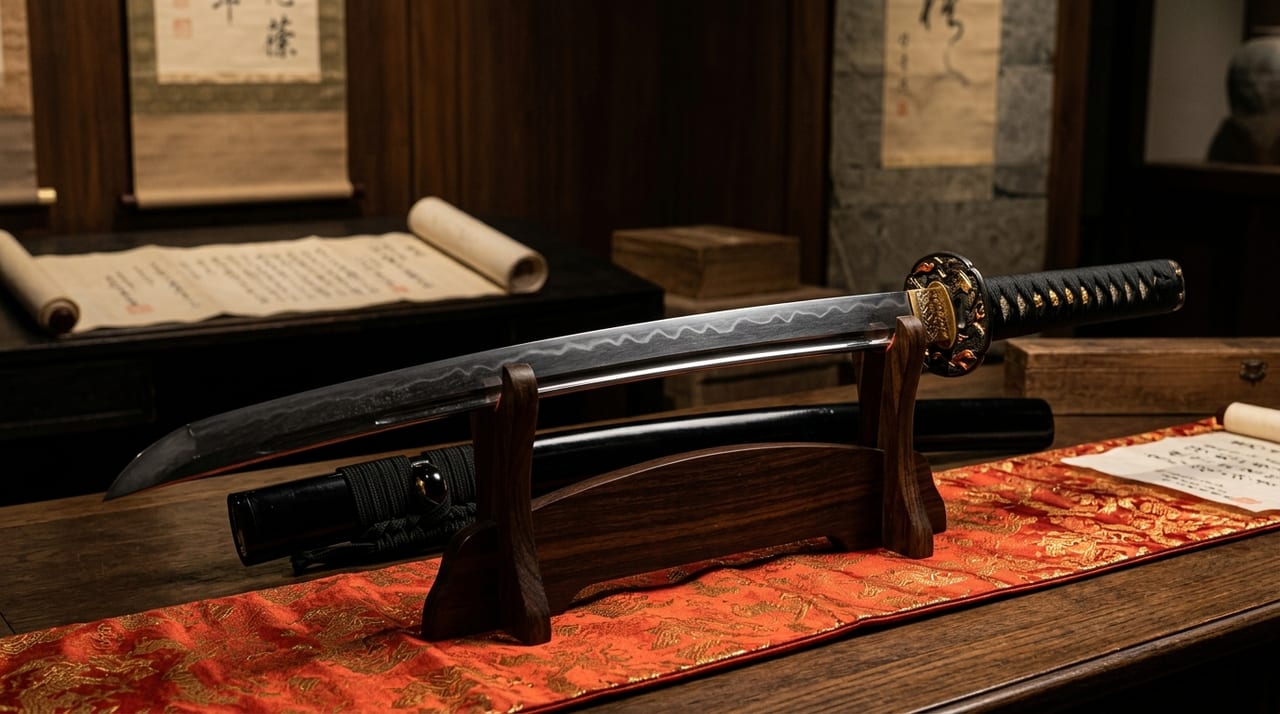 * Image is for illustrative purposes only.
Table of Contents
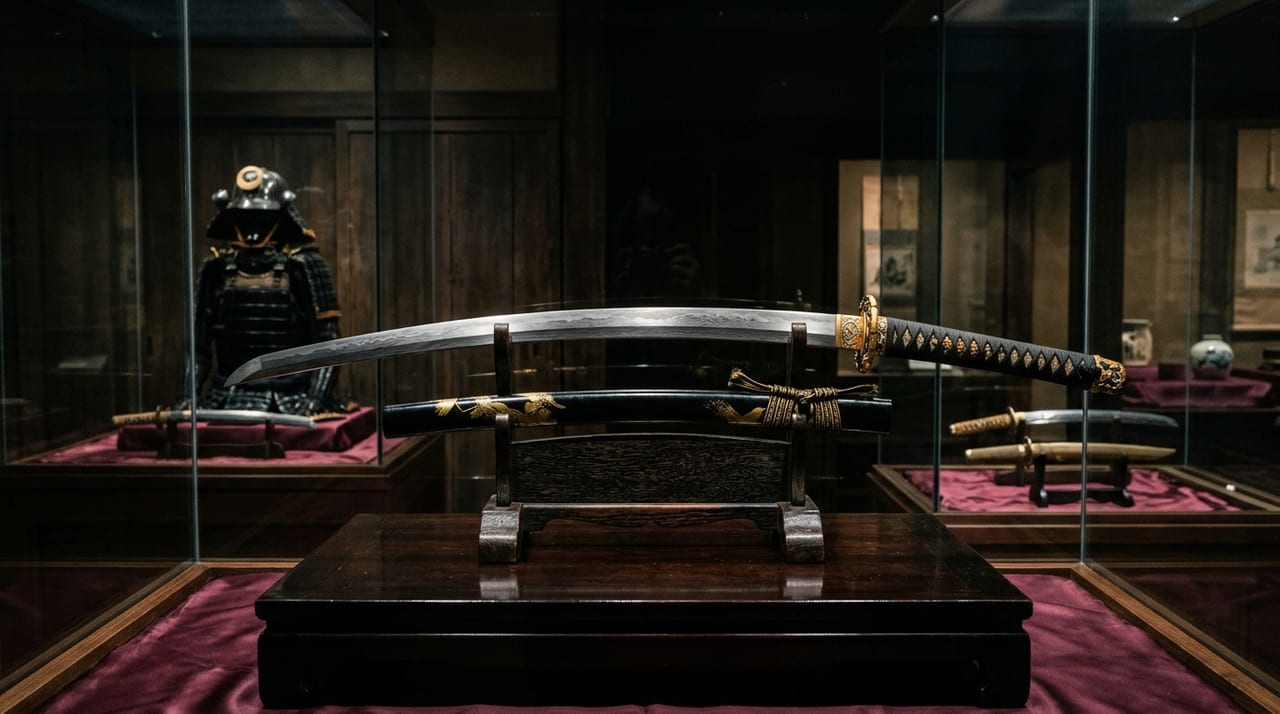
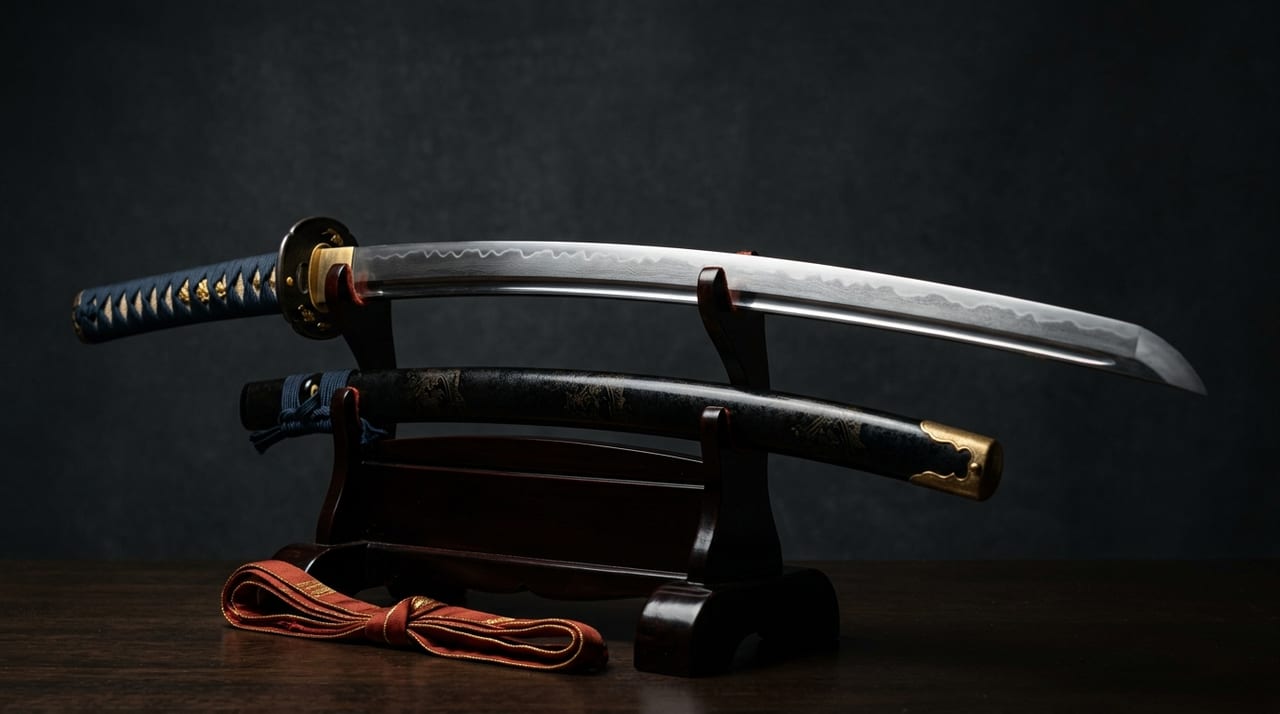
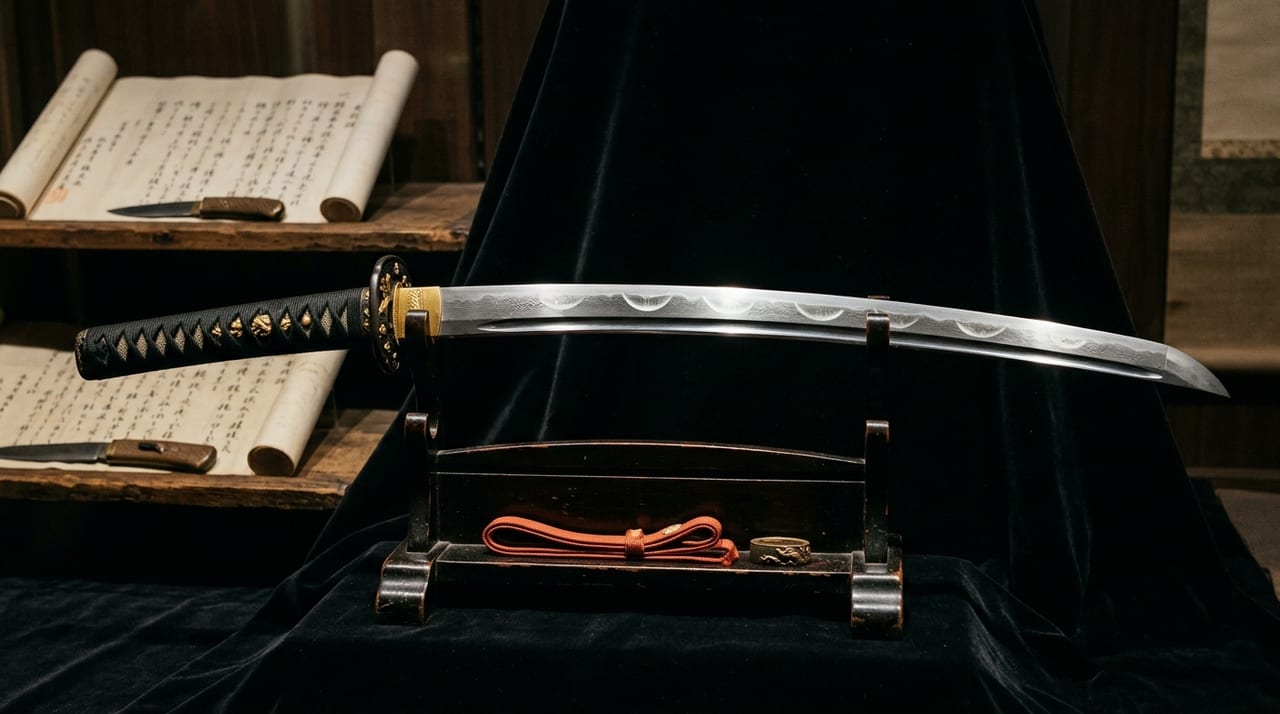
During the era of the Muromachi shogunate (1336–1573), the cultural status of Japanese swords underwent a significant transformation. Swords that had functioned in the Kamakura period as "media for warrior vows and gifts bestowed from above" came to take on the character of "works of art and collector's items" in the Muromachi period, and the foundations of a sword appreciation culture within warrior society were established. At the center of this transformation were the Ashikaga shogunate and the group of cultural specialists in their service known as the "dōbōshū."
Ashikaga Shogunate and Sword Collection — The Formation of the Gyobutsu System
From the outset of their rule, the Ashikaga shogunate engaged actively in the collection of works of art, and swords were an important pillar of that collection. Gyobutsu referred to the treasures managed by the shogunate, and among them swords were a core asset demonstrating the authority of the rulers of warrior society.
Ashikaga Takauji, the first shogun, accumulated renowned swords seized or received as offerings from temples, shrines, and warrior families throughout the country amid the upheavals of the Nanbokuchō wars. His gyobutsu included many fine works from the Kamakura period — renowned swords from Yamashiro and Bizen — and this became the starting point for the Muromachi shogunate's sword collection.
The two shoguns who were particularly passionate about collecting swords were the sixth shogun Ashikaga Yoshinori and the eighth shogun Ashikaga Yoshimasa. Yoshinori, alongside his consolidation of shogunal power, gathered a great number of renowned swords through presentations from daimyo and temples and shrines across the country. Yoshimasa withdrew into seclusion at the "Higashiyama-dono" (in the vicinity of the present-day Ginkakuji) during the period of turmoil following the Onin War (1467–1477) and devoted himself to the appreciation and collection of works of art. The objects collected by Yoshimasa came to be known collectively as the "Higashiyama gyobutsu" and became an important collection in the history of art appreciation in Japan.
Doboshu — The Sword Appraisal Specialists of the Shogunate
The specialist group that actually managed and appraised the Ashikaga shogunate's sword collection was the dōbōshū. The dōbōshū were originally people who attended closely on the shogun and provided miscellaneous services, performing arts, and cultural services; they frequently bore the title "Ami" (examples: Noami, Geiami, Soami).
The dōbōshū and the Hon'ami family each performed different roles.
| Party | Role |
|---|---|
| Dōbōshū | Serving as "karamono bugyo," they oversaw the appraisal of karae and karamono (objects of Chinese origin) and the supervision of sitting-room display arrangements, while also handling the general management of the shogunate's property |
| Hon'ami family (Hon'ami-ke) | A lineage that branched off from the dōbōshū; they hereditarily performed the polishing, appraisal, and issuance of origami (kanteisho) for Japanese swords, and established themselves as a specialist institution accepting appraisal commissions from the shogunate to daimyo alike |
Under a division of labor in which the dōbōshū handled overall property management and cultural presentation while the Hon'ami family handled specialized sword appraisal, the operation of the shogunate's sword collection functioned effectively. While the activities of the dōbōshū supported the foundations of the shogunate's property management and cultural authority, the systematization of sword appraisal scholarship advanced through the accumulation of practical knowledge by the Hon'ami family. It can be said that the later scholarly formalization of sword appraisal by the Hon'ami family also carried on this Muromachi-period division of specialization.
Swords of the Higashiyama Gyobutsu — Tendencies Among the Masterworks Chosen by Medieval Warriors
Among the swords collected as Higashiyama gyobutsu by the Ashikaga shogunate, and Yoshimasa in particular, a certain tendency is apparent. It is a strong preference for "works by master craftsmen of the Kamakura period (the first half of the kotō era)."
What Yoshimasa esteemed most highly were works from Yamashiro and Bizen of the Kamakura period, particularly swords of high technical achievement such as those of the Ichimonji school and the Awataguchiha. This shows that Yoshimasa (and the discerning eye of the dōbōshū) held the view that "swords from an older era — especially works by toko who were regarded as masters — are the ones that are truly valuable."
This value of "reverence for kotō" spread throughout Muromachi warrior society and formed a cultural norm that "ancient renowned swords rank above newly forged ones." This norm was carried on into the Edo period as well, and became the foundation for generating demand for kotō collections. The fact that the periodization of "kotō, shintō, shinshintō" continues to be valued in modern sword appraisal is evidence that this Muromachi-period value system has had a lasting influence.
Sword Diplomacy — Renowned Swords as Diplomatic Tools of the Ashikaga Shogunate
The Ashikaga shogunate also made active use of swords as diplomatic instruments. In the Japan-Ming trade, one of the central "tribute items" that the Japanese side offered to Ming was the Japanese sword.
The Mingshilu contains multiple confirmed references to Japanese swords being presented from the Ashikaga shogunate to the Ming emperor. The third shogun, Ashikaga Yoshimitsu in particular, received the title "King of Japan" from Ming and included a great number of swords among the gifts presented on that occasion. At the Ming court, Japanese swords were highly regarded as "the pinnacle of craftsmanship combining sharpness with beauty," and this became the starting point for the demand for Japanese swords in China thereafter.
This diplomatic gift-giving of swords also had an effect on the domestic sword industry. Because of the need to prepare large quantities of swords meeting a certain standard of quality for presentation to Ming, production oriented toward export increased at sword-producing centers including Bizen Osafune. This became one of the factors behind the "mass production system for Bizen swords" of the Muromachi period.
Dispersal After the Onin War — The Fate of the Higashiyama Gyobutsu
The Onin War (1467–1477) shook the power base of the Ashikaga shogunate to its foundations and had a devastating effect on the Higashiyama gyobutsu collection as well. In the course of the fighting the shogunal palace was destroyed and plundered, and the shogunate's treasures were dispersed.
The swords of the Higashiyama gyobutsu that survived the war subsequently changed hands still further in the course of history. Oda Nobunaga seized the remaining treasures of the Ashikaga shogunate, and Toyotomi Hideyoshi further consolidated renowned swords from across the country in the course of his unification of the realm. As a result, many swords that had been "gyobutsu of the Muromachi shogunate" later came to have the additional provenances of "possessed by Nobunaga," "possessed by Hideyoshi," and "possessed by the Tokugawa shogunate" inscribed over one another. The fact that the names of multiple wielders of power appear in sequence as the provenance of a single sword is itself a historical document attesting to the transfer of power from the Muromachi through the Edo period.
Conclusion — The Sword Appreciation Culture Established by the Muromachi Period
The legacy of the sword appreciation culture established by the Ashikaga shogunate and the dōbōshū is wide-ranging.
- The value of "reverence for kotō" is the prototype of modern Japanese sword appraisal standards
- The practical appraisal knowledge of the dōbōshū connects to the later Hon'ami family and the scholarship of sword appraisal
- The practice of collecting, managing, and using the Higashiyama gyobutsu for diplomatic purposes established the perspective of positioning the Japanese sword not as "a mere weapon" but as "a cultural asset and diplomatic commodity"
The sword culture of the Muromachi period lost its institutional foundations amid the upheavals of the Sengoku era and the disorder of the Onin War, but its spiritual and cultural legacy lives on in the depths of Japanese attitudes toward the sword.