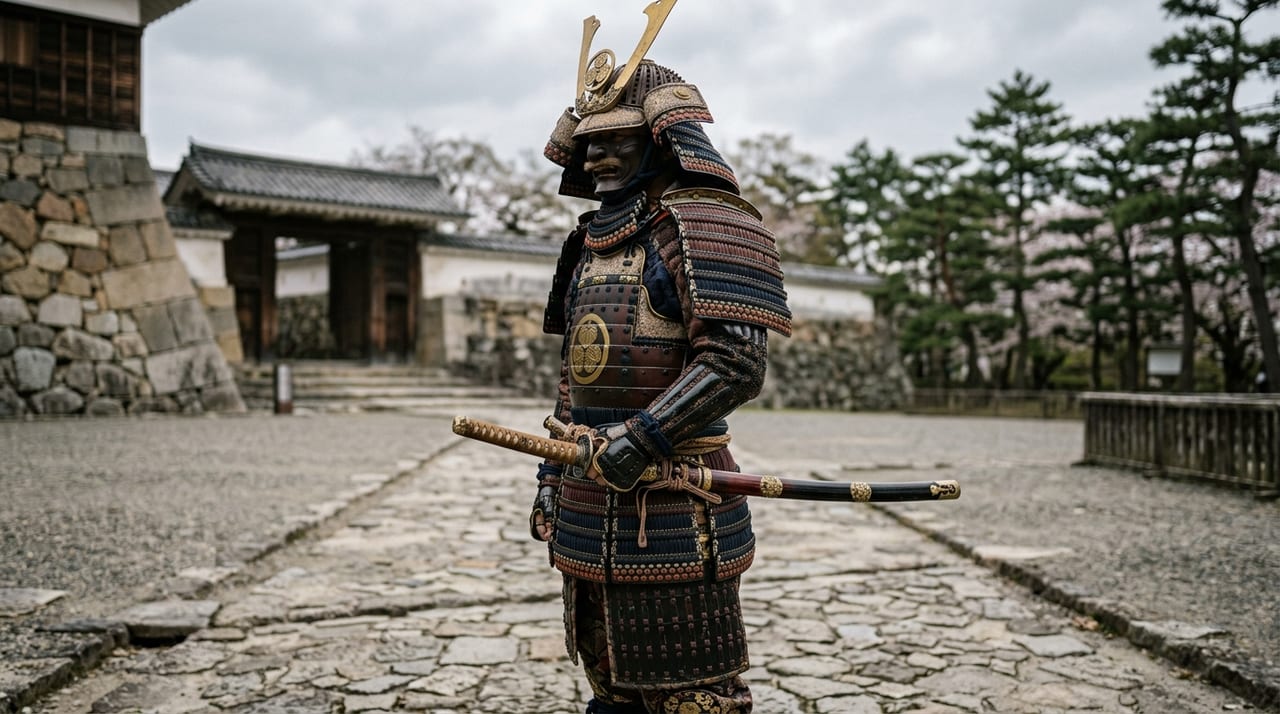
 * Image is for illustrative purposes only.
Hoshina Masayuki
保科正之
Founder of the Aizu Domain, Embodiment of Benevolent Rule Who Supported Edo Shogunate Administration
Description
Hoshina Masayuki (1611-1673) was a daimyō who flourished in the early Edo period, known as the half-brother of Tokugawa Iemitsu and the first lord of the Aizu Domain (present-day Aizuwakamatsu City, Fukushima Prefecture). As an embodiment of wise rule and benevolent governance, he made a great contribution to the stability of the Edo shogunate, and especially after Iemitsu's death, he led shogunal administration as guardian-adviser (taisei san'yo) supporting the young fourth shogun Ietsuna.
Masayuki was born in Edo in Keichō 16 (1611), the illegitimate son of the second shogun Tokugawa Hidetada. His origins were kept secret for a long time to avoid the jealousy of the official wife. In childhood, he was placed as an adopted son with Hoshina Masamitsu, lord of Takato Domain in Shinano, and received education as a samurai. When Hoshina Masamitsu died in Kan'ei 8 (1631), Masayuki succeeded to the headship and became lord of Takato Domain. He later met his elder brother Iemitsu and was recognized as his brother. However, although the shogunate recommended that he take the Matsudaira surname, Masayuki firmly declined out of gratitude to the Hoshina family that had raised him, and he kept the Hoshina surname for the rest of his life.
Masayuki's reputation as a wise ruler was especially evident in his response to the Great Fire of Meireki (the Great Edo Fire) of Meireki 3 (1657). When the Edo Castle tower keep was destroyed in this fire, Masayuki ordered that its reconstruction be halted and decided to use the funds for the relief and recovery of the victims. This decision not to rebuild it, on the grounds that the tower keep was unnecessary for the defense of the castle and was merely a place for looking out into the distance, is highly regarded by later generations as a symbol of Masayuki's benevolent governance. He also devoted himself to developing the shogunate's financial and administrative systems, and he established the Aizu Kakun Jugokajo (Fifteen Articles of the Aizu House Code), laying the foundation for domain governance in the Aizu Domain.
In relation to the Japanese sword, Masayuki was a wise ruler who respected the proper role of the samurai while also placing importance on civil governance. The swordsmithing culture of the Aizu Domain flourished throughout the Edo period, and with the establishment of domain governance under Masayuki, an environment was created in which Aizu swordsmiths were also protected. Masayuki's life, which embodied the Edo samurai ideals of loyalty, benevolent rule, and bushidō, continues to be told today as a figure who embodies the cultural significance of the Japanese sword as a symbol of the spirit and etiquette of the samurai.