Swords and Musha-e in Ukiyo-e — The Image of Swords in Edo Conveyed through Woodblock Prints
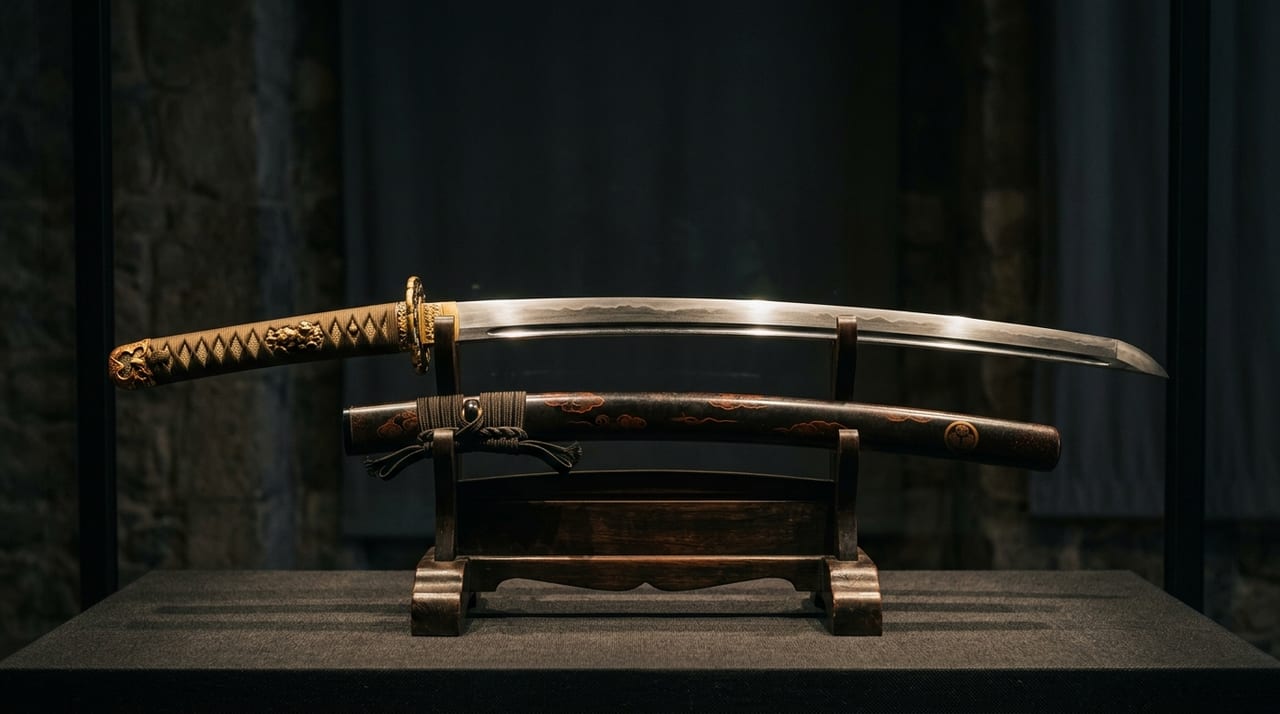 * Image is for illustrative purposes only.
Table of Contents
Ukiyo-e, which blossomed during the Edo period, is a woodblock print art form that vividly reflected the lives and entertainments of the people of the time, as well as their longing for history and legend. Among these works, swords frequently appear as an important motif in "musha-e," prints depicting warriors and heroes as their subject. Through ukiyo-e, we can catch a glimpse of the image that the people of Edo held of swords.
Musha-e as a Genre
Musha-e is a branch of ukiyo-e depicting warriors who appear in historical battles, heroes, legends, and tales. Powerful and dramatic scenes were favored — such as the battles of the Genpei War, the world of the Taiheiki, or heroic figures drawn from Chinese historical anecdotes. Weapons such as swords, naginata, and spears were indispensable elements in expressing the imposing bearing of such warriors, and were rendered boldly alongside dynamic figures.
Utagawa Kuniyoshi and Musha-e
Indispensable to any discussion of musha-e is Utagawa Kuniyoshi, a ukiyo-e artist who was active in the late Edo period. Kuniyoshi used unconventional compositions and a rich imagination to depict heroes and mighty figures dynamically, earning widespread popularity as a master of musha-e. In his works, the movements and tension of figures wielding swords are skillfully expressed, with swords playing a role in heightening the dramatic quality of the narrative. Many other artists besides Kuniyoshi also worked in musha-e, richly developing this genre.
The Image of the Sword Spread Among the Public
Ukiyo-e were printed in large quantities as woodblock prints and passed into the hands of commoners at relatively low cost. As a result, the image of swords depicted in musha-e came to be widely shared even by the many people who would never hold an actual sword. Famous swords wielded by heroes, swords wreathed in legend — ukiyo-e can be said to have played a role in permeating popular culture with the narrative quality and romantic allure associated with swords.
Perspectives for Reading Swords in Prints
When looking at swords in ukiyo-e, paying attention first to how they are worn and carried adds to the interest. The basic etiquette is that a tachi is suspended from the waist with the blade facing downward, while an uchigatana is thrust through the belt with the blade facing upward. There are cases where artists differentiate weaponry according to the historical setting — tachi-style for scenes depicting warriors of the Heian and Kamakura periods, uchigatana-style for scenes depicting Edo-period samurai and chivalrous street figures. The position of the hand gripping the tsuka, the lacquer of the saya and the color of the sageo, the stance at the moment of drawing the sword — in such details, the artist's observation and theatrical flair coexist. It is precisely because historical accuracy is not always guaranteed that reading "what was depicted faithfully and what was exaggerated" becomes the depth of musha-e appreciation. Since the depiction of swords varies greatly between artists and periods even for the same subject, comparing multiple works allows the individuality and ingenuity of each artist to emerge.
Kabuki, Narratives, and the Image of the Sword
The subjects of ukiyo-e were closely connected with the contemporary performing arts and literature of the time, such as kabuki and popular fiction genres like yomihon and kusazoshi. In yakusha-e depicting famous kabuki scenes, the sword held by an actor striking a mie pose symbolized the dramatic moment, while in narrative prints, legends involving swords and scenes of vendetta were favored subjects. The sword in a painting functioned not merely as a prop but as a sign conveying to viewers the social standing and resolve of the characters, as well as turning points in the narrative. Knowing these connections allows the breadth of popular culture of the time to be seen from a single musha-e.
Checkpoints for Appreciating Musha-e
Here we organize the key points to look for when appreciating or collecting musha-e.
- Source of the scene: The title and text within the print offer clues as to which scene from a battle or legend is depicted.
- Composition and movement: Look at how the direction of swords and naginata, and the placement of the figures' centers of gravity, generate the dramatic quality of the composition.
- Impression and condition: The impression of a woodblock print varies greatly depending on when it was pulled and how it has been preserved; fading of colors, deterioration of the paper, and whether the margins have been trimmed are basic points to check in print collecting.
- Publisher and censorship seals: Edo-period prints sometimes bear censorship seals known as aratame-in and publisher seals, which can serve as clues for estimating the date of production, though consulting specialized references is necessary for precise identification.
When acquiring prints through means that do not allow physical examination, the fundamentals of collecting are to carefully compare with published illustrations, read condition descriptions thoroughly, and ask the seller about any unclear points before making a decision.
Swords Viewed as Iconography
Swords depicted in ukiyo-e are not necessarily accurate in a realistic sense. Artists sometimes gave priority to dramatic effect and compositional beauty, exaggerating the length or sori of a sword, or the motion of wielding it. Yet it is precisely for this reason that ukiyo-e eloquently conveys, as iconography, the mental images and values that people of the time held toward swords. As a source for understanding how swords were represented within culture — separate from the perspective of studying actual swords — musha-e are a valuable resource.
Viewing sword culture through ukiyo-e makes it clear that swords transcended mere weaponry to become symbols of narrative and longing. At TOUKENZA, you can browse actual swords listed for sale in the online catalog. Please enjoy both the image of the sword within culture and the appeal of actual swords together. For any works that interest you, please feel free to contact us through the inquiry form.