Profit Structure and Pricing Strategy of Sword Retail Businesses - Operational Management from Sourcing to Sales
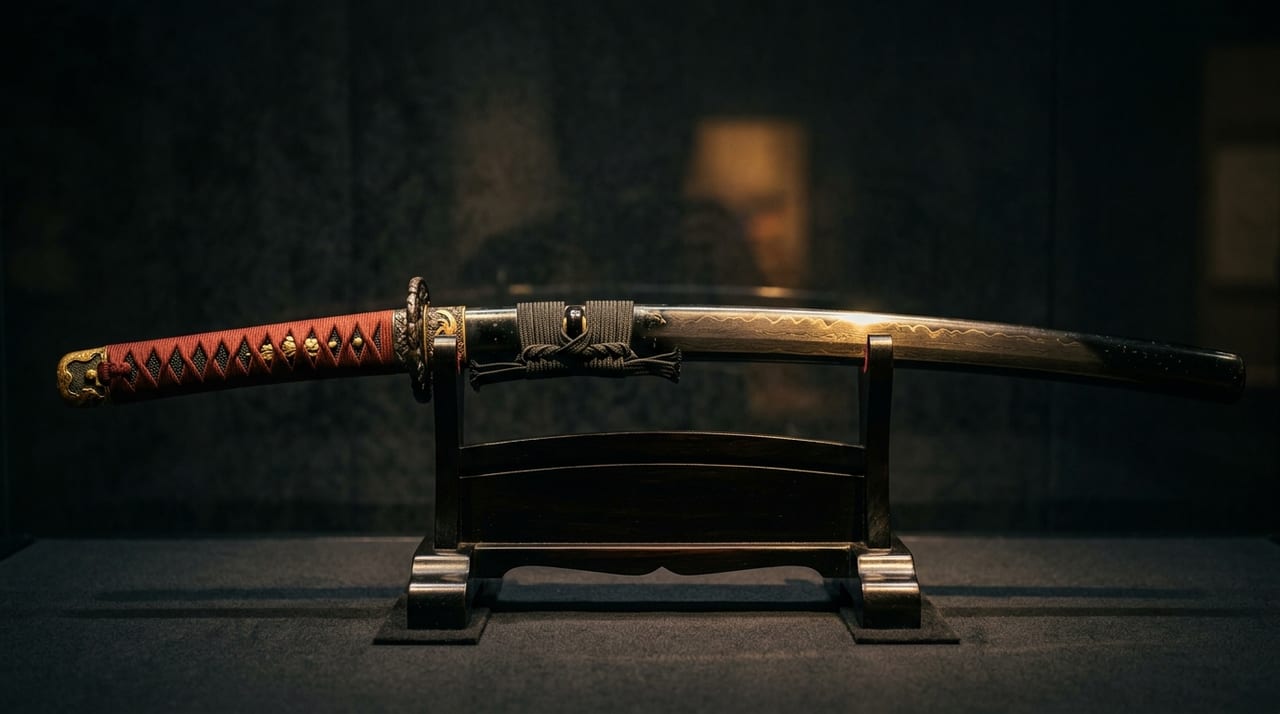 * Image is for illustrative purposes only.
Table of Contents
The management of Japanese sword retail is more complex than other industries in how it is affected by both product cost and selling price. This article identifies profit sources in sword sales and reveals practical pricing strategies.
Sourcing Routes by Product Category in Japanese Sword Retail
Japanese sword merchants source their main product categories, which generally fall into three groups.
- New swords (shinshin-to / contemporary swords): Direct orders from sword makers, or purchases through distributors. Unit prices range from 100,000 to 5,000,000 yen. Lead times are 3 months to several years after order.
- Older swords (ko-to / Keichō period / Edo-period swords): Sourced from estate liquidation businesses, antique markets, other sword merchants, and private sales consultations. Market circulation is limited and price fluctuations are large.
- Appraised items (items with NBTHK / NTHK certificates): The accompanying certification significantly influences price. Depending on the certification grade, product value can change by more than 5 times.
There is a gap between the sourcing cost and expected selling price for each category, based on market competition and demand cycles.
Composition of Gross Profit and Distribution Margins
The gross profit available to sword merchants is composed of four elements:
- Difference between cost and list price: For new swords, the market retail price is typically a 15-30% markup over the cost from sword makers. For older swords, the sourcing market is unstable, so merchants judge the purchase price based on their expertise.
- Sales commissions and consignment margins: When selling swords on consignment for other merchants, the transaction commission is typically 10-20%. For large transactions, it drops to 5-10%.
- Value-added services: Repair of saya, remaking into shirasaya, and arrangement of polishing. The brokerage fees for these services typically range from 5,000 to 30,000 yen per item.
- Customer credit score: Sales to new customers increase the labor involved in identity verification and legal responsibility checks. Sales to repeat and known customers reduce per-unit labor.
Gross Profit Strategies in New Sword Distribution
There are two ways to source new swords: direct deals with sword makers and through distributors.
Direct deals: Sword makers sell directly to merchants. Sword makers save on distribution costs, and merchants reduce intermediary margins. Through consultation, merchants often pay sword makers 80-85% of the planned selling price. Sword merchants can freely set their selling price and secure a gross margin of 20-30%.
Through distributors: A two-step process of sword maker → distributor (wholesale) → retail merchant. Retail merchants purchase from wholesalers at a cost about 15-20% below list price. If they then sell at 30% above list price, the merchant's gross margin becomes 15-20%. However, this involves less administrative processing than direct deals, and responsibility for returns and defective items is clearly defined.
Sale and Price Formation of Older Swords and Special Swords
The prices of older swords and swords by renowned sword makers change constantly. Merchants' price judgments depend on three information sources:
- Recent auction prices: Winning bid prices domestically and internationally. Reading market demand from the competitive situation of bids.
- Informal inter-dealer consultation: Unofficial consultations with other sword merchants. Sharing information like "a sword in the same condition sold for X last month."
- Direct sales to collectors: Merchants with customer lists directly contact customers seeking swords from specific sword makers or periods. In exchange for selling 10-20% above market price, they expect assured transactions.
The rough profit margin for older swords is typically 25-40%. However, when the market cools down, merchants may sell at cost.
Legal Risks and Hidden Operating Costs
Sword sales involve significant hidden administrative costs such as bank transfers, identity verification, and certificate confirmation.
- Labor for identity and age verification: Under the Firearms and Swords Control Law, merchants have an obligation to verify the purchaser. To avoid legal liability, there is the labor of copying and storing identification documents.
- Support for certificate transfer procedures: If the purchaser does not have a certificate, explaining the application procedures takes 30 minutes to 1 hour. Even merchants who do not charge a fee include this labor in their gross profit.
- Risk of counterfeits: The risk of overlooking false signatures or modified swords. Losses from appraisal errors that develop into lawsuits are substantial.
Taking these costs into account, actual gross margin is 5-15% lower than surface figures.
Online Sales and Changes in Gross Profit Structure
As online sales penetrate the sword industry, the gross profit structure is beginning to change.
- Securing regular customers: When online shop repeat rates are high, lifetime value per customer improves. Even with thin margins, loyalty can compensate.
- Expansion of cross-border transactions: Sales to overseas buyers at 130-150% of domestic prices are increasing. However, international transfer fees and customs procedures also increase labor.
- Intensified competition through information transparency: Market information is made visible through SNS and auction data, narrowing profit margins between merchants. Sales differentiation is shifting to product selection, restoration, and trust.
Future Direction of Business Strategy
To maintain gross margins, Japanese sword retailers must urgently shift from simple buy-sell spreads to the following:
- Customer education and trust building: Provide added value through beginner identification courses, exhibition explanations, and email consultations.
- In-house restoration and maintenance: Transition from brokering polishing, shirasaya crafting, and appraisal arrangements to in-house services, securing gross margins of 40% or higher.
- Collector matching: Identify customers seeking specific sword makers or periods in advance, making purchase decisions with future sales in mind.
Now that online catalogs enable browsing and comparison shopping, the merchant's value is shifting from "what to sell" to "who to sell to" and "how to explain it."