The Meiji Restoration and the Crisis of Japanese Swords | How the Katana Survived After the Haito Edict
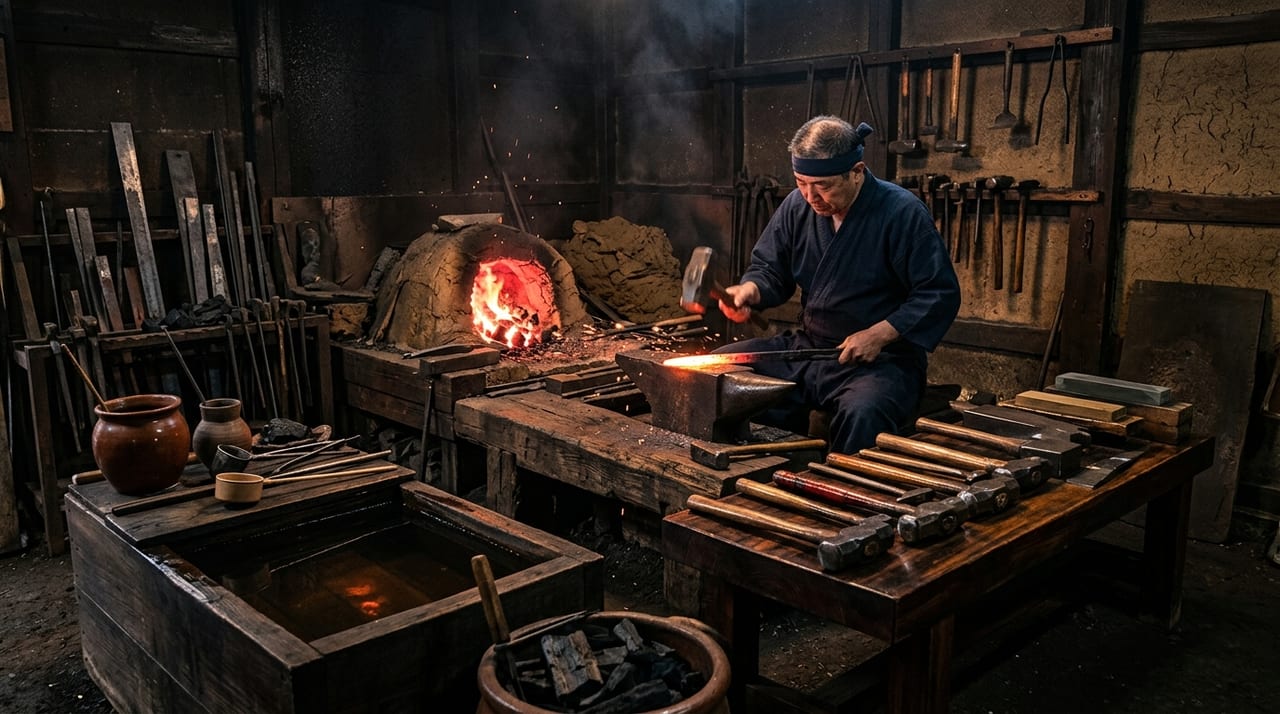 * Image is for illustrative purposes only.
Table of Contents
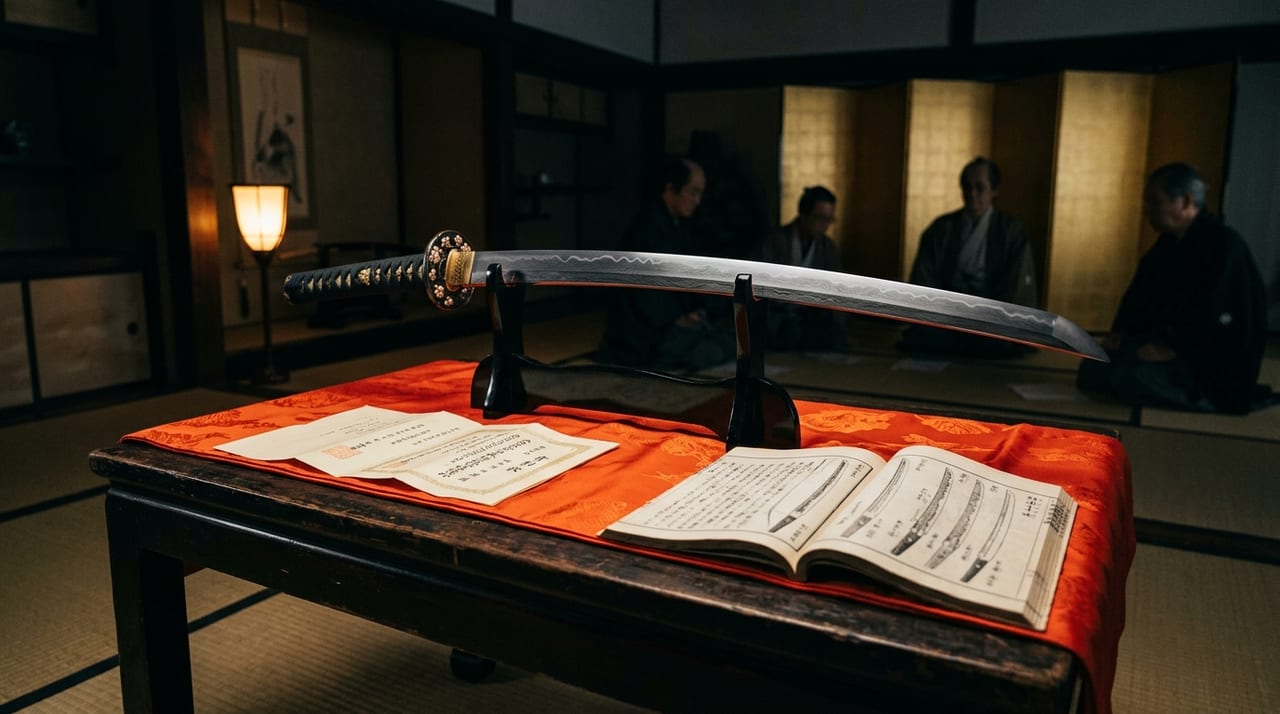
The 1876 "Haitorei (Sword Prohibition Edict)" was one of the most serious crises in the history of the Japanese sword. The blade, which had been indispensable as a symbol of the samurai class, became an "illegal weapon" overnight, and nationwide sword culture was shaken to its foundations. This article traces the fate of swords before and after the Meiji Restoration and explains how the Japanese sword overcame this crisis.
Background of the Haitorei
Following the Meiji Restoration (1868), the new government rapidly pursued modernization and westernization. As part of this, policies were implemented one after another to dismantle the privileges of the samurai class and create "commoners" as members of a nation-state. The main ones were as follows:
- Hanseki Houkan (Return of Lands and People, 1869)
- Haihan Chiken (Abolition of Domains and Establishment of Prefectures, 1871)
- Chitsuroku Shobun (Stipend Adjustment)
- Introduction of National Military Conscription
In the midst of these sweeping reforms, "sword-wearing," the symbol of the samurai, also became a target of denial. In 1871, the new government issued the Edict on Hair and Sword Freedom, promoting the liberalization of sword-wearing, but many former samurai continued to wear their blades, and remnants of samurai culture remained. Then in 1876, the "Sword Prohibition Edict (Haitorei)" was finally enacted, completely prohibiting the wearing of swords by ordinary citizens except police officers and military personnel.
The Shutdown of Sword Smiths and Economic Hardship
The Haitorei dealt a fatal blow to the swordsmiths who made Japanese swords. With the disappearance of samurai demand, new commissions became virtually nonexistent, and swordsmiths throughout the country were forced out of business.
Even mass production centers like Bizen Osafune and Mino Seki were no exception, and centuries-old sword-making industries fell into a catastrophic state. Many swordsmiths switched to manufacturing farm tools, kitchen knives, railroad parts, and other products, applying the techniques honed in sword-smithing, but could not regain their former glory.
Particularly serious was the impact on the transmission of skills based on the apprenticeship system. The art of sword-making, passed down from master to apprentice through generations, lost opportunities for transmission with the disappearance of demand, and precious knowledge was rapidly lost.
Large-Scale Loss of Swords
During the confusion of the Haitorei, enormous numbers of Japanese swords were discarded, sold, or lost to overseas. The main causes were as follows:
- Economic Hardship: Many samurai who lost their stipends sold family swords for their livelihood. Buyers were often antique dealers and foreigners, and it was not uncommon for them to be traded for a pittance.
- Change in Values: The traditional value of "the sword is the soul of the samurai" rapidly faded in the wave of new-era rationalism and modernization. Not a few people discarded swords as mere "old weapons."
- Overseas Flow: Foreign visitors to Japan during the Meiji period (diplomats, merchants, travelers) took large numbers of cheaply obtained Japanese swords back to their countries. The fact that many Japanese swords are now preserved in Western museums and private collections is mainly due to this period's outflow.
A Glimmer of Hope — The Yasukuni Sword and Military Sword Demand
However, the Japanese sword did not completely succumb to this crisis. Several factors supported the cultural survival of the Japanese sword.
The Yasukuni Sword of Yasukuni Shrine
From the late Meiji period through the pre-Showa war period, a "Japanese Sword Forging Society" was established within the grounds of Yasukuni Shrine, and swords called "Yasukuni swords" were produced. These served as practical blades for military personnel and supported a certain level of demand. The swordsmiths who made Yasukuni swords became an important lineage in the transmission of modern Japanese sword techniques and also contributed to the post-war revival of sword culture.
The First Sino-Japanese War, Russo-Japanese War, and Military Sword Demand
The outbreak of the First Sino-Japanese War (1894-95) and Russo-Japanese War (1904-05) increased demand for military swords. Officers needed to prepare their own swords, which provided swordsmiths with certain work. However, military swords included both those made by traditional methods and Western-style factory-produced goods, and this was an era of great variation in quality.
Large-Scale Military Sword Demand in the Early Showa Period
In the early Showa period, against the backdrop of the Sino-Japanese War and Pacific War, massive demand for military swords occurred. During this period, large quantities of mass-produced swords called "Showa swords" and "military swords" were manufactured, and there was a temporary revival of swordsmith work. However, this was special demand under the wartime system, and the artistic value was different from traditional Japanese swords.
Post-War Revival and Cultural Property Designation
After World War II, Japan was placed under occupation by the Allied forces and strictly restricted weapons ownership. Japanese swords were also targets of confiscation and destruction, and many masterpiece blades faced the danger of being lost. However, through the devoted efforts of sword enthusiasts and scholars, the "Japanese sword as an art object" was recognized as a subject of protection and was spared from destruction.
In 1948, the "Law Regulating the Possession of Firearms, Swords, and Other Weapons (Firearms and Swords Law)" was enacted, and art object Japanese swords that obtained registration certificates could be legally possessed. This law became the foundation of modern Japanese sword culture.
Furthermore, in 1950, the "Law for the Protection of Cultural Properties" was enacted, and many masterpiece swords were designated as National Treasures and Important Cultural Properties. This established a framework for state protection of cultural properties, and the preservation and study of swords was legally supported.
The Emergence of Modern Swordsmiths and the Rebirth of Tradition
After the post-war period of confusion, from the 1950s onwards, the revival of traditional sword-making techniques began. Master swordsmiths such as Miyairi Yukihira, Amada Shoji, and Tsukiyama Teiiichi created modern swords and were recognized as Important Intangible Cultural Properties (Living National Treasures).
The "Modern Sword Crafts Exhibition" sponsored by the Japan Sword and Art Sword Preservation Association functions as a venue for modern swordsmiths to present their works and refine their techniques, and also contributes to the training of young swordsmiths. Even today, hundreds of swordsmiths are active throughout the country, and while not reaching former scales, the tradition introduced through craftsman profiles continues to be passed on to the next generation.
Sword Culture Beyond the Crisis
From the Meiji Restoration to the present day, the Japanese sword has survived extinction multiple times. The Haitorei, war damage, the confusion of the occupation period—these waves survived by swords have become symbols of Japanese culture's resilience and the power of transmission, transcending mere art objects.
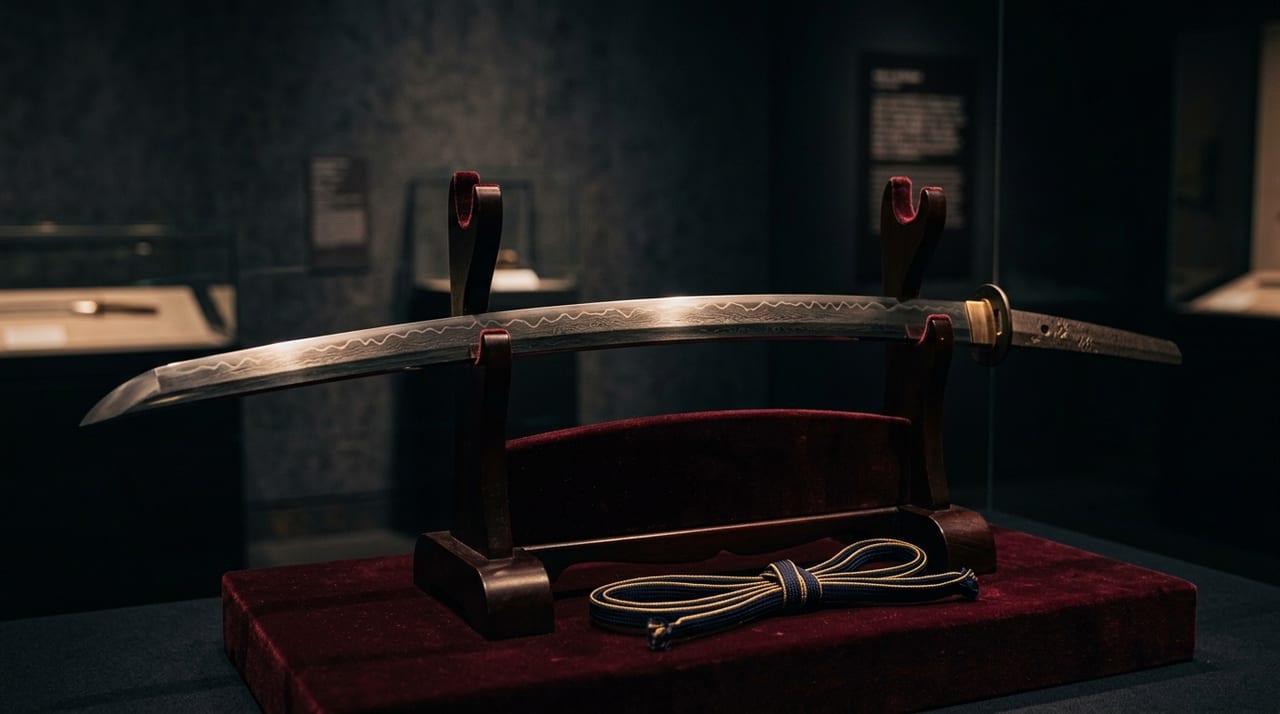
Today, the fact that we can appreciate National Treasure tachi in museums, touch the works of master swordsmiths in sword shops, or own a single Japanese sword ourselves is anything but a given. The sword culture that exists here is built on the efforts and affection of many people, and the accumulated coincidences of history.
By understanding the upheaval of the Meiji Restoration, we can feel deeper respect and gratitude for each and every Japanese sword that remains in the present day.