Entry of Overseas Buyers into the Nihontō Market — How Foreign Collectors Are Changing the Sales Strategy of the Sword Industry
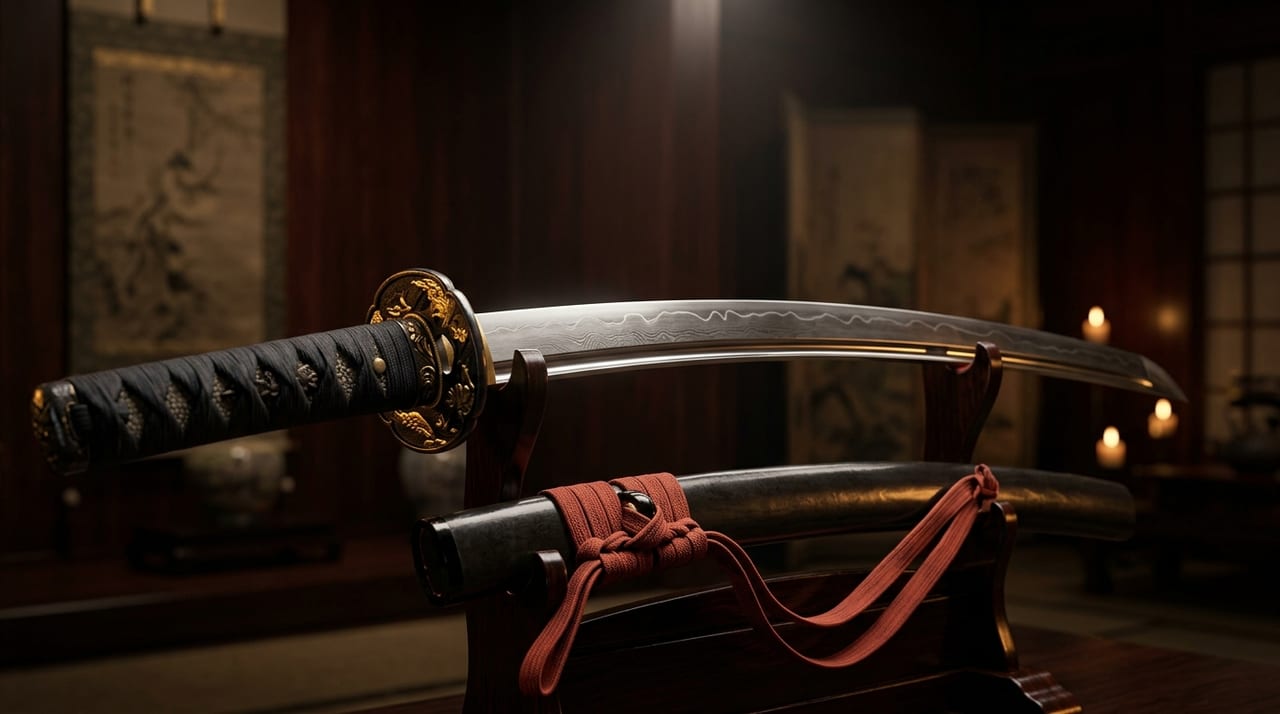 * Image is for illustrative purposes only.
Table of Contents
How Overseas Demand Is Changing the Nihontō Market
In recent years, the influence of foreign collectors from the West and Asia on the nihontō market has become greater than ever before. The prolonged weakness of the yen, the spread of Japanese culture through social media, and the popularity of content such as Touken Ranbu have combined to create a synergistic effect, and since the 2020s no small number of sword dealers have seen a sharp rise in inquiries from overseas. This article examines the realities facing foreign buyers as they enter the market and sets out the strategies that dealers should adopt.
Purchasing Trends and Preferences of Foreign Buyers
The preferences of overseas collectors differ markedly from those of domestic buyers.
| Region | Preference Trend |
|---|---|
| Western countries | Interest tends to concentrate on well-known kotō traditions such as Sōshū-den and Bizen-den, with a preference for mid- to high-priced swords accompanied by a kanteisho |
| Southeast Asia and Taiwan | Many visit with an eye toward relatively affordable gendaitō or kazuuchimono |
| Mainland China | Cultural interest is high, and buyers seek pieces by renowned smiths or swords with a clearly documented historical background |
Data on purchase price ranges shows that the average transaction value for overseas buyers often exceeds that of ordinary domestic collectors. High-priced pieces at the level of NBTHK Tokubetsu Jūyō Tōken or Jūyō Tōken and above are being actively sought by high-income foreign collectors, intensifying competition even at domestic auctions.
The Reality of Export Procedures: Laws and Required Documents
When a foreign buyer takes a nihontō back to their home country (i.e., exports it), several legal procedures are required on the Japanese side.
- Application to the Agency for Cultural Affairs for an antique art export inspection certificate: When exporting a nihontō, it is mandatory to obtain the Agency for Cultural Affairs' "Antique Art Export Inspection Certificate". This certifies that the sword in question has not been designated as kokuhō, jūyō bunkazai, jūyō bijutsuhin, or similar, and does not fall under the export prohibition provisions of the Act on Protection of Cultural Properties. Items designated as kokuhō, jūyō bunkazai, or jūyō bijutsuhin are in principle prohibited from being exported overseas under the Act on Protection of Cultural Properties, and this point is especially important when explaining the process to foreign buyers. The application documents — an application form, photographs of the export item, and copies of the registration certificate, two sets of each — must be submitted to the Agency for Cultural Affairs. Once the documents are complete and in order, the certificate is issued in principle within 10 business days, but the Agency for Cultural Affairs advises that due to increased applications it is currently taking longer than that, so applicants should apply with sufficient lead time (Agency for Cultural Affairs, "Antique Art Export Inspection").
- Return of the registration certificate: The registration certificate becomes void once the sword leaves Japan as a result of export. The certificate must be returned to the prefectural Board of Education that issued the original registration.
- Confirmation on the importing country's side: Laws governing the importation of nihontō differ from country to country. Some countries regulate swords as weapons, and others require a permit for the import of bladed items above a certain nagasa, so buyers must confirm the customs and regulatory information of the importing country in advance.
Language and Procedural Support as a Competitive Advantage
The complexity of the procedures involved when a foreigner purchases and takes out a nihontō has become a bottleneck for overseas sales. Few dealers have yet put in place document formats in English, and any dealer that can offer an export procedure proxy service gains a point of differentiation by that fact alone. Creating a multilingual FAQ (in English, Chinese, and French) and training staff who can handle inquiries in English have become pressing needs.
Digital Channels and Cross-Border E-Commerce
Most overseas buyers start by gathering information online. The experience of early-mover dealers has demonstrated that English- and multilingual-capable corporate websites, and the sharing of polishing and appraisal videos on Instagram and YouTube, boost purchase intent. As cross-border e-commerce platforms, Ebay and Ruby Lane are used, and industry-specific nihontō auction sites have also been gaining prominence.
In terms of social media use, sharing close-up videos of the hamon, footage of a tōshō forging, and the finishing process of a togishi, all with English captions, has proven effective. The hashtags "#nihonto," "#japanesesword," and "#katana" resonate powerfully with overseas fan communities.
Participation in Overseas Trade Shows and International Exhibitions
Some dealers have begun exhibiting at antique fairs and Japanese culture festivals held in cities such as New York, Paris, and London. Such in-person points of contact have become the starting point for long-term relationships with overseas customers. Participating in events held by Western nihontō enthusiast organizations such as NIHONTO CLUB is also effective and well suited to reaching researchers and collectors.
Outlook for the Future
Overseas demand for nihontō is expected to continue on an upward trend going forward. In periods when the yen remains weak in particular, the purchasing-power advantage of overseas buyers stands out, and there are concerns that the pace at which quality swords flow out of Japan could accelerate. Establishing export guidelines at the industry-association level and enriching educational programs on appreciation and purchasing for foreign buyers are becoming indispensable for the sustainable development of the industry as a whole.
While the growth in overseas buyers has the positive effect of raising international awareness of Japan's sword culture, it also carries the challenge of the outflow of quality swords abroad.