Showa-Era Tanto and Wakizashi in Military Use: Types of Officer Personal Defense and Ceremonial Short Swords and Their Cultural Context
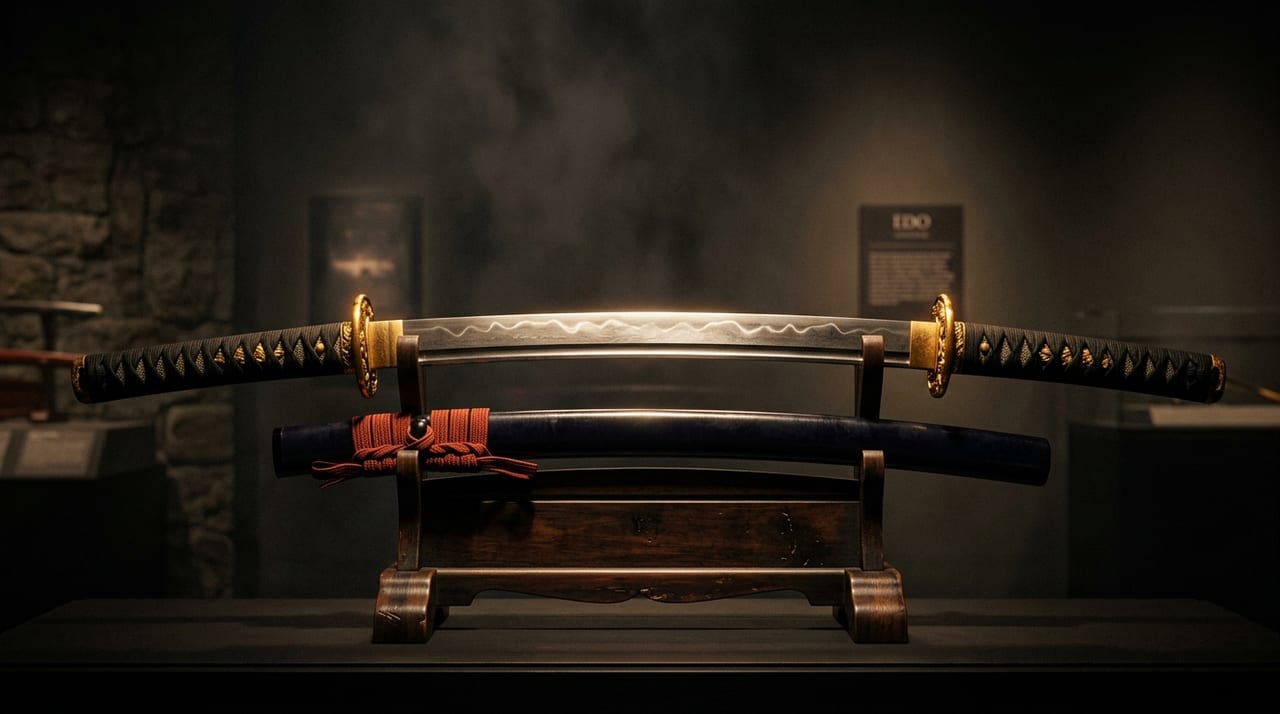 * Image is for illustrative purposes only.
Table of Contents
Showa-Era Short Sword Culture—A Context Distinct from Military Swords
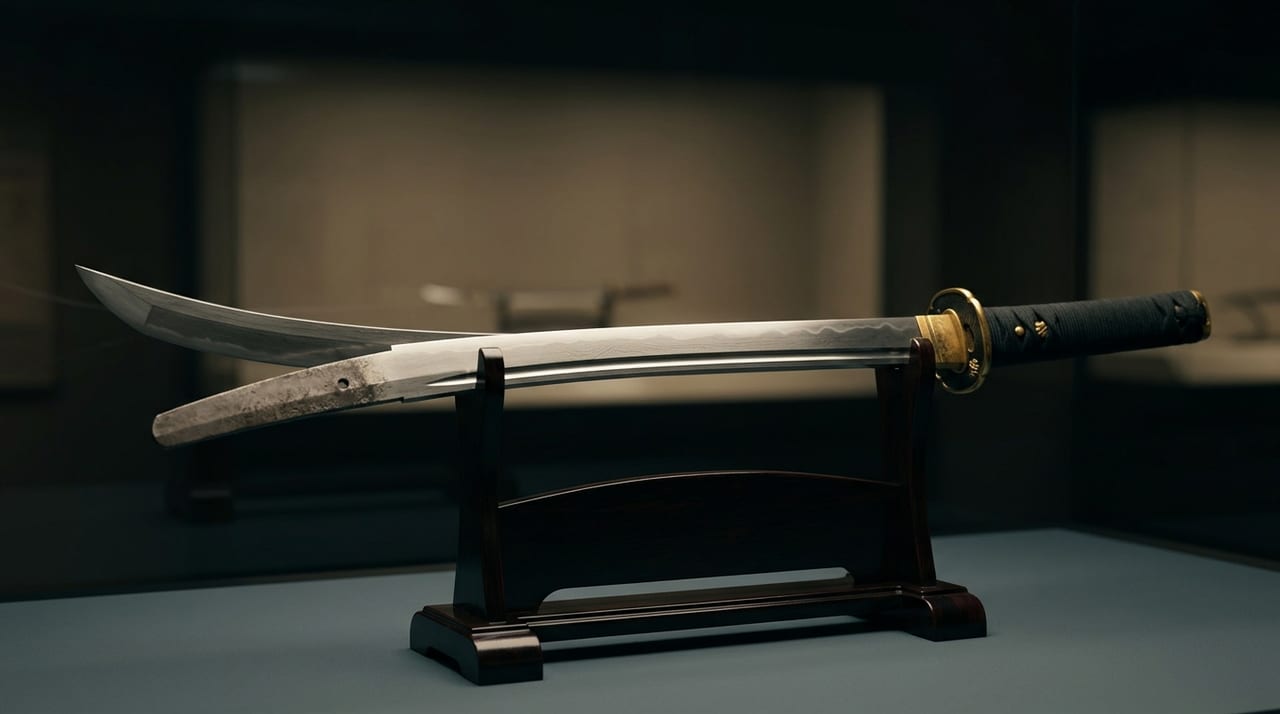
In the Showa period imperial army and navy, the formal sword worn by officers was prescribed as a "military sword"—a long sword in the form of a striking blade. From 1938 (Showa 13) onward, the Type 98 military sword became widely established as the regulation sword for army officers, while the navy employed its own unique naval military sword. Yet short swords and waki-zashi, despite not being regulation blades, remained an inescapable presence within officer culture.
That context can be broadly divided into four categories.
- "Personal self-defense and backup weaponry"
- "Imperial gifts from the Emperor and Imperial family"
- "Display as ritual and spiritual symbol"
- And most significantly in meaning, "preparation for seppuku (self-determination)"
Functioning as they did outside formal regulations, short swords and waki-zashi were mirrors that directly reflected the individuality, beliefs, and resolve of officers. Understanding these contexts becomes an essential perspective for correctly evaluating sword culture of the Showa period.
Short Swords as Imperial Gifts—The Highest Honor
The practice of awarding short swords as "imperial gifts" (ongeshihin) from the Emperor and Imperial family to distinguished officers continued throughout the Showa period. Such blades were also called "swords viewed by the Emperor" (tenran-to), and for the officers who received them, were regarded as the highest honor of their lifetime.
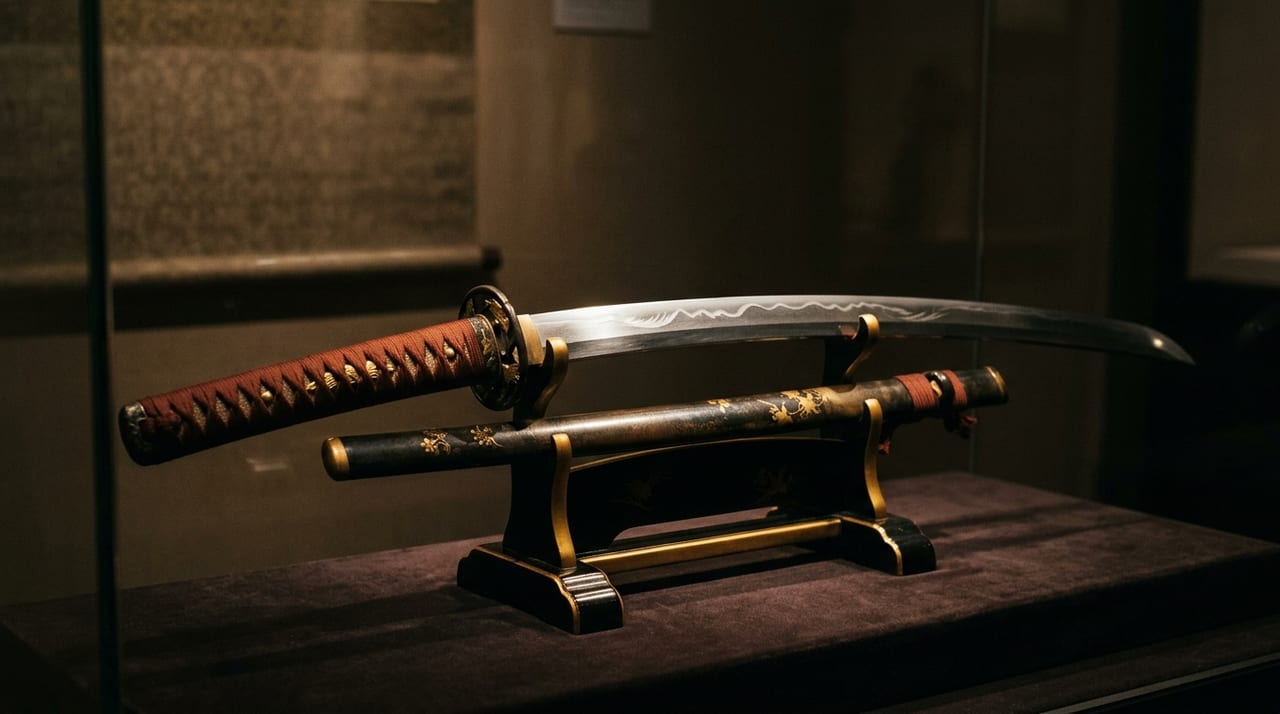
Short swords given as imperial gifts were typically high-quality pieces specially ordered by the Imperial Household Ministry, often forged by leading swordsmiths of the era such as Gassan Sadakichi and Miyairi Shohei, with fittings handled by metal craftsmen in the tradition of Goto Ichijo. The blade itself was required to be flawless and free of rust, coming with formal fittings in addition to a plain wooden scabbard (shirasaya). Decorative metal fittings featured chrysanthemum and paulownia crests, with designs that made it immediately clear the commissioning source was the Imperial Household Ministry.
Existing imperial gift short swords receive the highest evaluation in the collector's market. Individual pieces with clear provenance often command prices several times higher than general works by the same swordsmith—a gap that is far from rare.
Attendant Short Swords—Officers' Personal Equipment
Among officers of the army and navy, many secretly carried short swords as "attendant blades" (zuijin) in addition to their regulation military swords. While military swords were subject to strict formal and specification constraints, considerable personal discretion was allowed regarding attendant short swords.
The quality and individuality of attendant short swords showed extremely wide variation. On one end, there were those who inherited and carried family heirloom celebrated blades passed down from forefathers. Records remain of officers who brought copies of works by famous Edo-period masters such as Raiku Kunji and Soshu Sadamune. On the other hand, in theaters of war, plain and sturdy short swords focused purely on utility, as well as robust practical combat-oriented pieces forged by army-commissioned swordsmiths (swordsmiths officially certified by the imperial army during the Showa period) were also widely used.
Among Showa-period commissioned swordsmiths were masters such as Gassan Sadakichi and Miyairi Shohei, who would later be remembered in history; the short swords they forged as military supplies are still highly regarded today as the refined essence of Showa swordsmithing that combines artistry with practicality. Many such short swords receive evaluation equal to or exceeding preservation-sword ratings in modern sword evaluation.
Short Swords and Self-Determination Culture—Final Preparation
The most weighty spiritual context that short swords possessed in the Showa period was "preparation for self-determination." The spiritual education of the Greater Japanese Empire's army and navy thoroughly instilled the norm that "becoming a prisoner of war is dishonorable," requiring officers to be prepared to end their own lives in the face of honorable death or defeat.
In reality, detailed records remain of numerous instances in which commanders performed self-determination with short swords at fierce battlefields such as Guadalcanal, Imphal, Okinawa, and the Philippines. Immediately after the end-of-war imperial rescript broadcast, detailed records document officers performing self-determination with short swords at military command centers throughout the region, including the Eastern Military District. The self-determination of General Anan Korechika (August 15, 1945) is a symbolic example, and the short sword used is currently preserved and enshrined at Yasukuni Shrine.
From this historical background, some high-quality short swords from the Showa period are called "self-defense blades" (goshin-to) or colloquially "belly-cutting swords." When modern collectors handle this type of blade, deep respect for the historical context and sacrifice is essential, and caution is required against treating it merely as an antique.
Kaiken—Showa-Era Women and the Tradition of Self-Defense
Women participated in the military and military-affiliated organizations of the Showa period, including army and navy nursing officers and military nurses who served near the front lines. Among them were those who carried "kaiken"—small short swords.
The kaiken directly inherited the tradition of short swords that women of the samurai class in the Edo period used for self-defense. Typically, a modest blade of approximately 15 cm blade length was mounted in elegant fittings with red lacquer or decorated with gold dust inlay and shell inlay work, concealed in the breast or sleeve. Showa-period kaiken followed this form while also producing simpler versions that reflected the tensions of wartime.
In recent years, Showa-era kaiken have undergone revaluation from perspectives of "women's history" and "daily life in wartime," with increased collection and exhibition by domestic and international museums and research institutions. As a unique artifact where traditional aesthetic sensibility intersects with wartime tragedy, it occupies a distinctive position within sword history.
Guidance for Modern Collectors
Showa-period short swords and waki-zashi are less abundant in market circulation than regulation military swords (such as the Type 98), and individual pieces show extremely large variations in provenance and quality. This fact becomes both a risk and an appeal for collectors with limited experience.
Three matters require confirmation at the time of purchase.
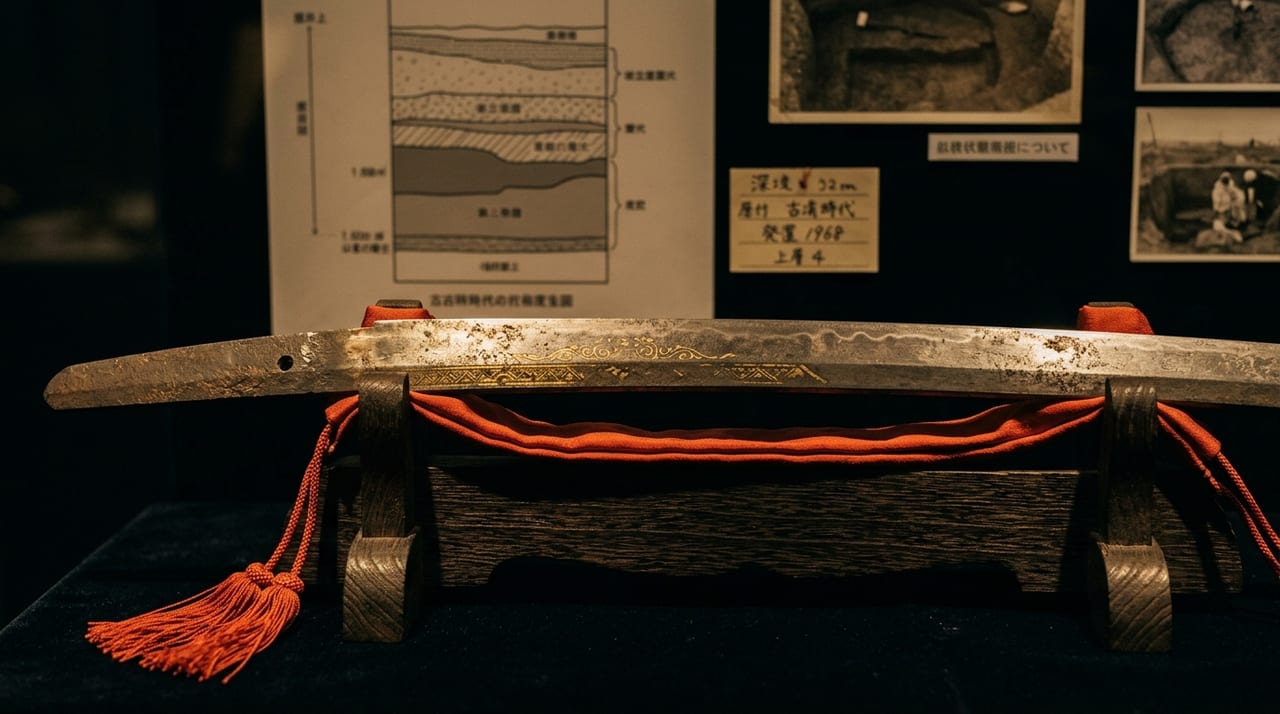
- Authentication of authenticity: During the Showa period, many industrial swords manufactured by machine (stamped swords) were produced. Whether a piece is an authentic hand-forged blade or not can be determined by experts through examination of the hamon uniformity, the texture (jihada) of the steel, and the finish of the nakago. In doubtful cases, confirm the attachment of an appraisal certificate (preservation-sword rating or higher) issued through the Japan Art Sword Preservation Society (NBTHK).
- Provenance investigation: Records of who possessed and carried the blade significantly influence the sword's value and context. Pieces acquired directly from relatives of former military personnel sometimes retain attached documentation such as officer service records, assignment orders, and photographs, which function as provenance verification.
- Confirmation of legal registration: Bladed weapons with a blade length of 15 cm or more (including Japanese swords) are subject to the Gun and Blade Law regulation, and possession without a registration certificate from the Board of Education is illegal. Purchase of pieces without attached registration certificates is strictly prohibited, and appropriate procedures are necessary for transfer and sale.
Showa-period short swords and waki-zashi transcend mere weapons, serving as historical testimony condensing the spirit, culture, and resolve of the Japanese people of that era. Confirming provenance and legal procedures and correctly evaluating and preserving them constitutes the responsibility placed upon modern collectors.