The Battle of Okehazama (1560) and Sword Culture: What a Surprise Attack Revealed About the Practicality of Sengoku Swords
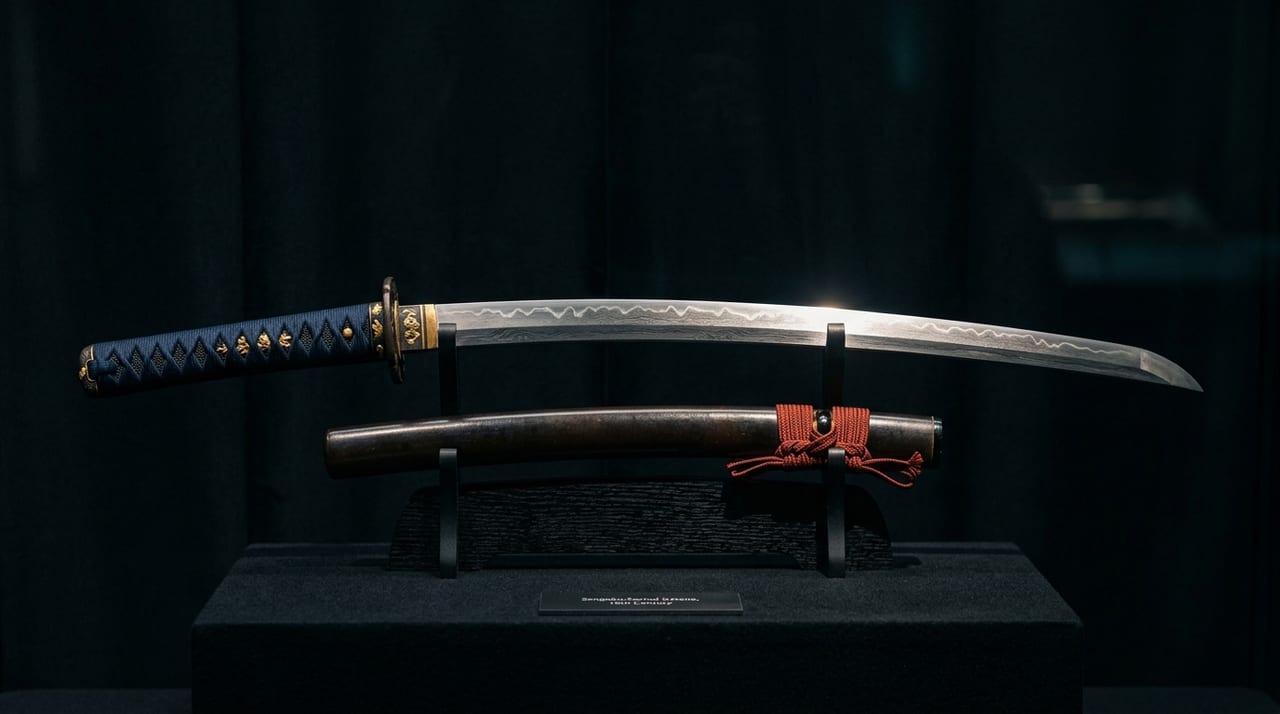 * Image is for illustrative purposes only.
Table of Contents
The Battle of Okehazama — The Sengoku Period's Greatest Reversal
On May 19 of the third year of Eiroku (June 12, 1560), in Okehazama in Chita District, Owari Province (present-day areas around Nagoya and Toyoake in Aichi Prefecture), the armies of Oda Nobunaga and Imagawa Yoshimoto clashed. Imagawa Yoshimoto, who had invaded Owari aiming to march on Kyoto, led a massive army said to number more than 20,000 according to some accounts. In contrast, the young Nobunaga, who had not yet fully secured control of Owari at that time, could muster only a few thousand troops. The difference in troop strength between the two armies was as follows.
| Force | Troop Strength |
|---|---|
| Imagawa Forces | Over 20,000 (various accounts) |
| Oda Forces | Several thousand |
By conventional military strategy, the outcome would have been clear. However, Nobunaga chose a means of sudden, lightning-like surprise attack that exploited the heavy rain. The Imagawa main camp, grown overconfident in its massive army's march, suddenly found itself in chaos, and Yoshimoto was struck down before he could defend his position. The shock of this battle, in which a great daimyo renowned throughout the realm fell in an instant, spread across the provinces, and Nobunaga's name became known nationwide overnight.
The Battle of Okehazama is recorded in history as the starting point of Nobunaga's subsequent path to hegemony, and continues to be recounted to this day as a battle that starkly demonstrated the importance of strategy and mobility during the Sengoku period.
Yoshimoto Samonji — A Celebrated Blade Passed from One Ruler of All Under Heaven to Another
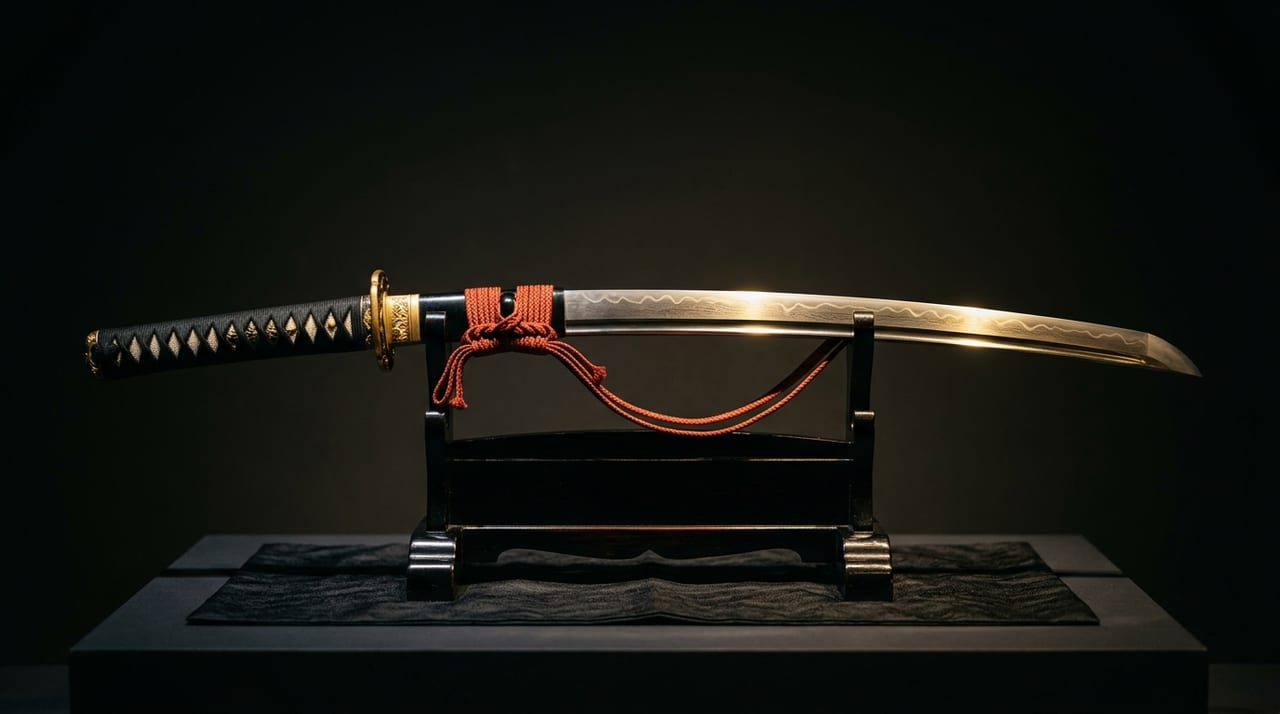
The entity most widely discussed in the context of sword history surrounding this battle is the "Yoshimoto Samonji." This sword, said to have been worn by Imagawa Yoshimoto, is recorded in the Shinchō kōki as having been obtained as a war prize when Nobunaga broke through Yoshimoto's main camp.
Samonji, said to be the maker of the Yoshimoto Samonji, was a sword smith who is believed to have been active based in Hakata in Chikuzen Province (present-day Fukuoka Prefecture) from the late Kamakura period through the Northern and Southern Courts period. He is positioned as the founder of the "Saha," a sword-making group in northern Kyushu, and his swords are characterized by dignified jigane and refined hamon. The Saha tradition continued into later generations and is evaluated as an important school in the sword history of Kyushu.
The blade is said to have passed to Toyotomi Hideyoshi after Nobunaga's death and was further transmitted to Tokugawa Ieyasu. Because of its provenance through three rulers of all under heaven, it is also called the "sword of the one who takes the realm," and is currently held and displayed at the Tokugawa Art Museum (Nagoya, Aichi Prefecture). It is designated as an Important Cultural Property, and to this day remains one of the celebrated blades that many sword enthusiasts aspire to see in person.
The fact that a single blade passed successively through the hands of powerful Sengoku warlords clearly demonstrates that swords held meaning beyond that of mere weapons. A warlord's possession of a celebrated blade was both a proof of military might and a symbol of authority and legitimacy.
The Role of the Sword in Close Combat
The mid-16th century, when the Battle of Okehazama was fought, was before firearms fully dominated the battlefield. Bows and spears were employed as the primary weapons for long-distance and medium-distance combat, though it appears that scenes taking on the character of close-quarters fighting also arose in the chaotic melee resulting from the surprise attack.
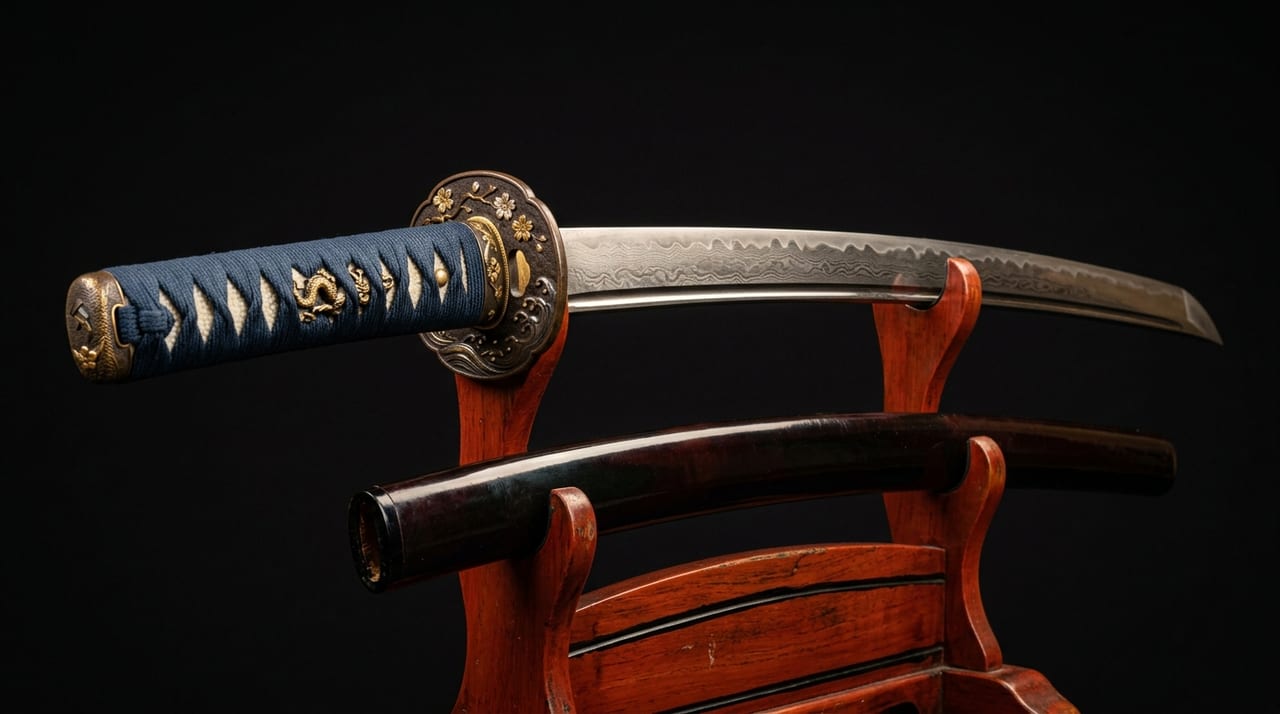
A survey of battle records from the Sengoku period shows that while the spear was emphasized as the primary weapon of the battlefield, the sword (uchigatana and tachi) functioned as the ultimate weapon for resolving close combat and charges. The swords worn by warlords and warriors were designed to combine practical sharpness with portability, and Sengoku-period sword smiths continually forged blades that answered the demands of the battlefield.
In surprise attacks and short-term decisive battles like Okehazama, swords, which are more maneuverable than long spears, could possess superiority depending on the situation. The act of striking down an enemy commander in a sudden melee was precisely the scene in which the sword demonstrated its greatest efficacy. This battle, in which strategy and mobility, more than the quality of equipment, determined victory and defeat, is rich with implications for considering the practical use of swords in combat.
Sengoku Daimyo and Swords — Celebrated Blades as Symbols of Authority
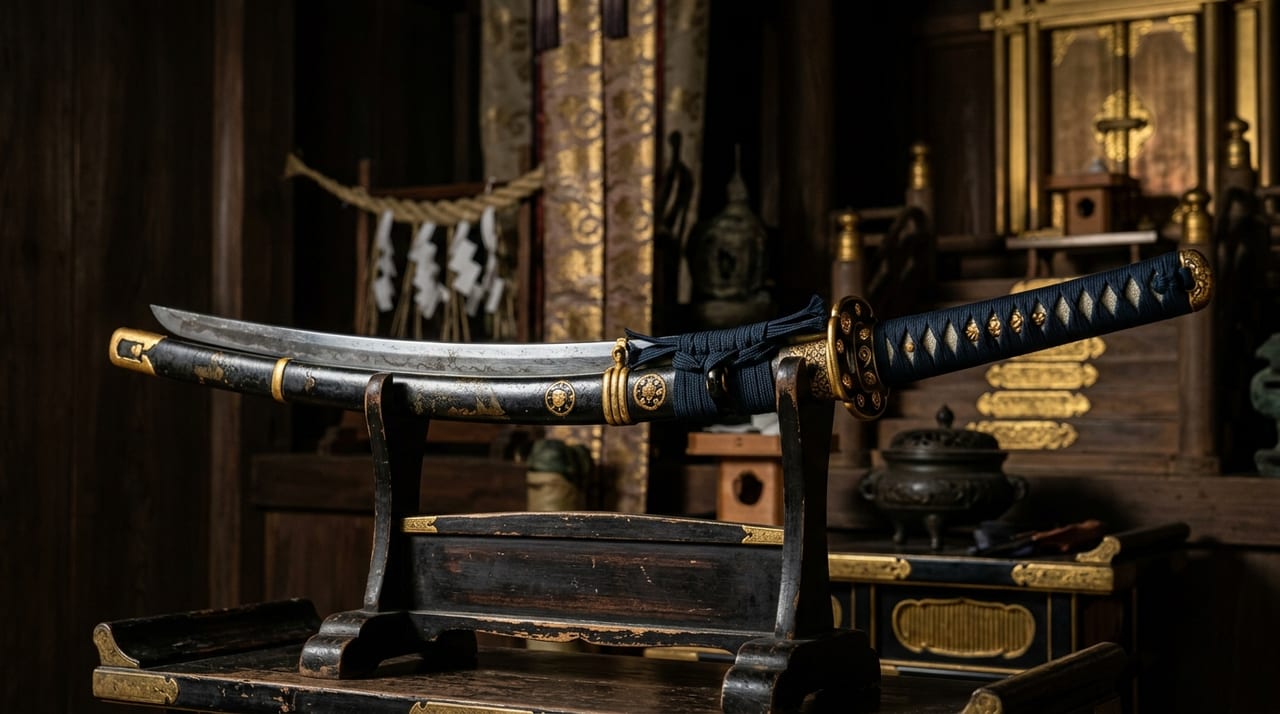
For warlords of the Sengoku period, the possession of a celebrated blade held special significance. Obtaining the work of an excellent sword smith, or a blade of distinguished provenance, was not merely a matter of practical value but also an act demonstrating political and social prestige.
Warlords employed celebrated blades for purposes such as the following.
- Bestowing them as rewards to retainers
- Using them as diplomatic gifts to other warlords
- Presenting them as offerings to shrines and temples
Swords functioned as media for gift-giving, commendation, and diplomacy, and their provenance (origin and former owners) greatly influenced their value.
As the example of the Yoshimoto Samonji demonstrates, a blade possessed by a famous warlord took on political meaning for its subsequent owners as well. The value added to a sword's provenance by its connection to historical figures remains a core focus of interest among modern sword enthusiasts.
Sword-smith technique also underwent significant development during the Sengoku period. There was a demand for swords that combined the toughness to withstand practical use with the elegance to satisfy the aesthetic sensibilities of warlords, and sword-smithing groups in various regions—Bizen, Soshu, Yamato, Mino, and others—honed their respective techniques. The 16th century, in which the Battle of Okehazama unfolded, coincides precisely with an era in which the sword cultures of these various regions were maturing.
Reading Sengoku History Through Swords
The Battle of Okehazama, with its dramatic course of events, is a symbolic incident for considering the sword culture of the Sengoku period. The close combat born of the tactic of surprise attack, the existence of the celebrated blade Yoshimoto Samonji, and the history of swords being passed among influential figures as symbols of authority—all of these teach us that the sword was, at once, a weapon and a concentrated expression of culture, authority, and history.
The reason a single Sengoku-period battle continues to attract modern sword enthusiasts is none other than that the swords involved in it still exist and transmit the very breath of that era to the present day. Unlike stone or wood, swords can be restored to their original brilliance through polishing. The fact that iron forged by sword smiths centuries ago still circulates as an object of appreciation and commerce speaks to the singular cultural position of the Japanese sword, rarely seen in other crafts.
Our site's Online Catalog introduces swords for sale that represent the traditions of sword smiths from various eras and regions. While referring to explanations organized by origin, era, and sword smith, we invite you to explore sword culture while contemplating the age of Okehazama.