Japanese Sword Price Guide 2026: Trading Price Ranges by Swordsmith Ranking and Era
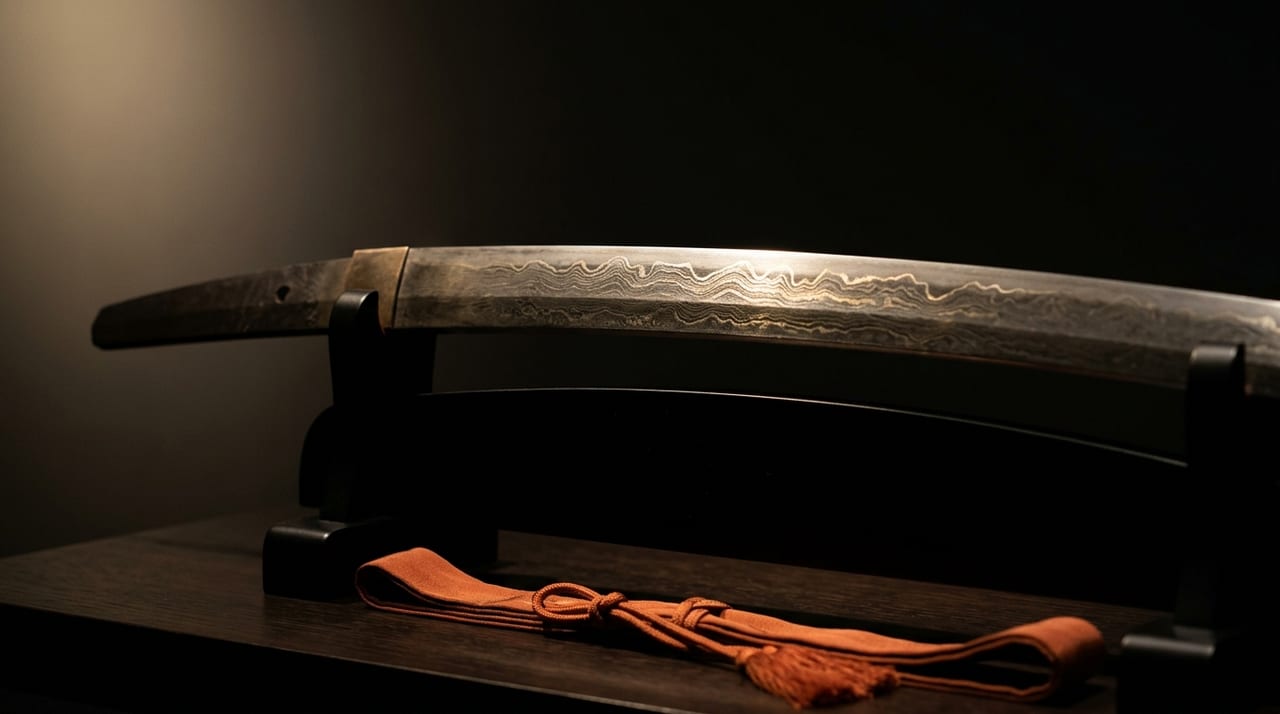 * Image is for illustrative purposes only.
Table of Contents
Why Are Japanese Sword Prices So Broad?
Japanese sword prices range extremely widely, from a few thousand yen (imitation swords and modern replica swords) to hundreds of millions of yen (estimated valuations of nationally designated treasures). This wide range exists because Japanese swords, as artworks and antiques, have their value determined by rarity, creator, condition, and demand.
This guide provides price range guidelines based on actual trading markets as of 2026 (domestic auctions, sword dealer prices, and NBTHK-authorized markets). Note that prices fluctuate significantly depending on market conditions and the individual condition of each sword, so these should be consulted only as rough guidelines.
Key Factors Determining Price
Main elements that determine Japanese sword prices:
| Factor | Impact on Price |
|---|---|
| Swordsmith Fame and Ranking | Greatest impact. Works by master smiths can be tens of times or more the price of unsigned swords. |
| Era (Period) | Old swords (Kamakura/Nanboku-chō) > New swords > Shinshin-to swords in value (depending on condition) |
| NBTHK Certificate Rank | Special Important > Important > Specially Preserved > Preserved in order of higher prices |
| Condition of Sword | Rust, damage, and polish condition. Good condition receives highest appraisal. |
| Artistic Value of Blade Pattern and Steel | Famous blade patterns receive high appraisal. |
| Provenance (History) | Added value if the sword has a history of being owned by daimyo or notable figures. |
Price Ranges for Unsigned Swords and General Items
Unsigned Uchigatana
The most common category in the Japanese sword market. With registration certificate but no NBTHK authentication:
- Condition: Fair (rust or damage present): ¥30,000–¥100,000
- Condition: Good (minor rust only): ¥100,000–¥300,000
- Condition: Excellent (well-polished, no damage): ¥300,000–¥800,000
With NBTHK "Preserved Sword" authentication: ¥100,000–¥500,000 (depending on condition)
Unsigned Wakizashi and Tantō
- Condition: Fair to Good: ¥50,000–¥200,000
- NBTHK Preserved or higher: ¥150,000–¥500,000
Price Ranges for Signed Swords from the Edo Period (New and Shinshin-to Swords)
For signed swords by Edo-period smiths, the reputation of the swordsmith and the authentication certificate rank are the main price-determining factors:
Edo General Swordsmiths (Signed, Lesser-known Makers)
- Preserved Sword: ¥80,000–¥300,000
- Specially Preserved Sword: ¥200,000–¥700,000
Edo Famous Swordsmiths (Suishinshi Masahide, Taikei Naotane, Koyama Munetsugu, etc.)
- Preserved Sword: ¥150,000–¥600,000
- Specially Preserved Sword: ¥400,000–¥1,500,000
- Important Sword: ¥1,000,000–¥4,000,000
- Special Important Sword: ¥3,000,000–¥10,000,000 and above
Price Ranges for Old Swords (Up to Pre-Keichō Period)
Price differences for old swords are very significant depending on era, production region, and swordsmith:
Bizen-School Old Swords (Unsigned, General)
- Preserved Sword: ¥200,000–¥700,000
- Specially Preserved or higher: ¥500,000–¥2,000,000
Famous Bizen Swordsmiths (Osafune Nagamitsu, Kanemitsu, etc.)
- Important Sword: ¥2,000,000–¥10,000,000
- Special Important Sword: ¥5,000,000–¥30,000,000 and above
Yamashiro and Yamato-School Old Swords
- Famous Smiths of Sanjo Munechika and Awataguchi School (Important to Special Important): Over ¥5,000,000–¥50,000,000
- National Treasure/Important Cultural Property designations: Not available on the market (held in museums and by the Imperial Household Agency)
Price Ranges for Modern Swords (Shōwa to Reiwa Periods)
Modern swords lack the "historical rarity" of old swords due to their recent manufacture, but works by Living National Treasures command high prices:
General Modern Swordsmiths
- General works (signed, good condition): ¥200,000–¥800,000
- Specially Preserved or higher: ¥500,000–¥1,500,000
Famous Modern Swordsmiths (Active or Recently Deceased, Non-Living National Treasures)
- Important Sword: ¥1,000,000–¥5,000,000
Works by Living National Treasures and Holders of Important Intangible Cultural Properties
- Gassan Sadaichi II: Important = ¥1,000,000–¥3,000,000, Special Important = ¥3,000,000–¥8,000,000
- Sumitani Masamine: Same level
- Miyairi Yukihira: Same level
Price Ranges for Military Swords (Shōwa War-Period Works)
Shōwa-period military swords are a separate category from traditional Japanese swords:
Machine-Produced Military Swords (Shōwa Swords)
- Good condition: ¥20,000–¥80,000
- Officer's sword: ¥50,000–¥200,000
Hand-Forged Military Swords (Traditional Method)
- General works: ¥100,000–¥400,000
- Fine works by Army-commissioned smiths: ¥300,000–¥1,000,000
Military swords are divisive as "relics of war," but there is stable demand for them as collector's items.
Ancillary Factors Affecting Price
Value of Fittings (Koshirae)
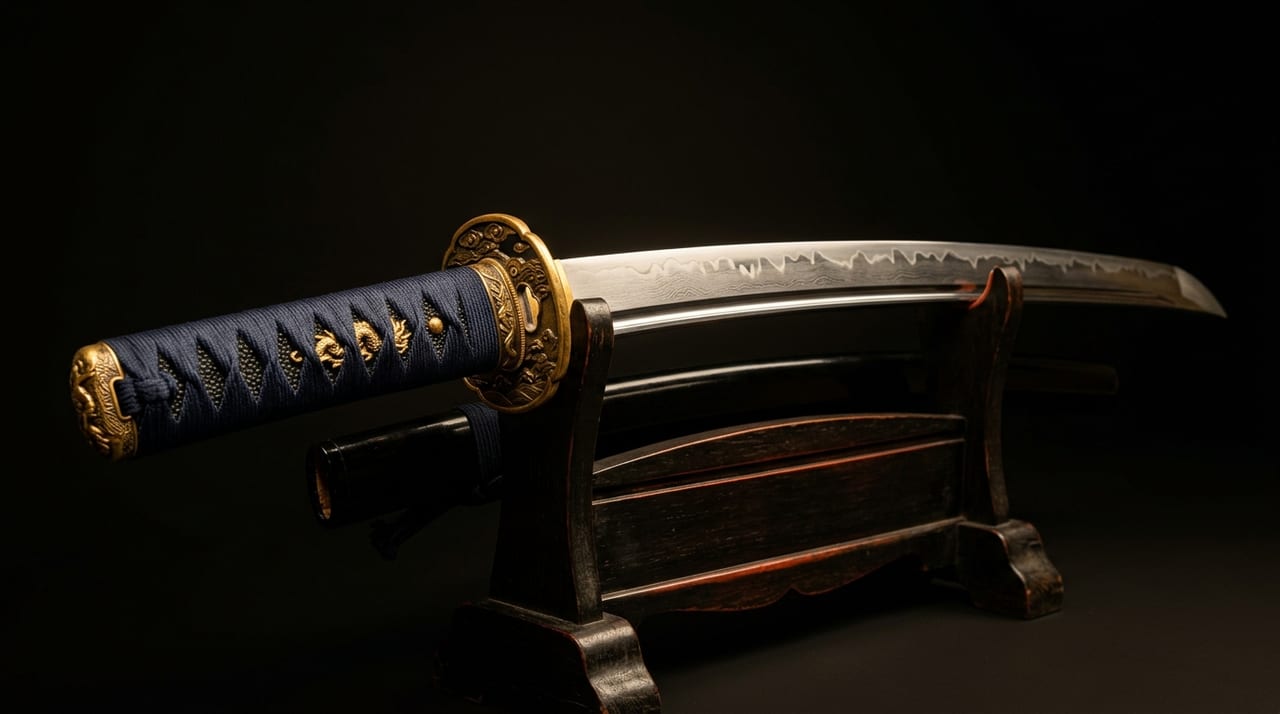
Fittings (scabbard, handle, handguard, etc.) besides the blade itself also affect value. Fittings with fine metalwork by master craftsmen can sometimes exceed the blade's price.
Handguards by Edo master craftsmen (Hirado, Mito, Owari, etc.): Can individually be ¥100,000–¥1,000,000 and above.
Importance of the White Scabbard (Shirasaya)
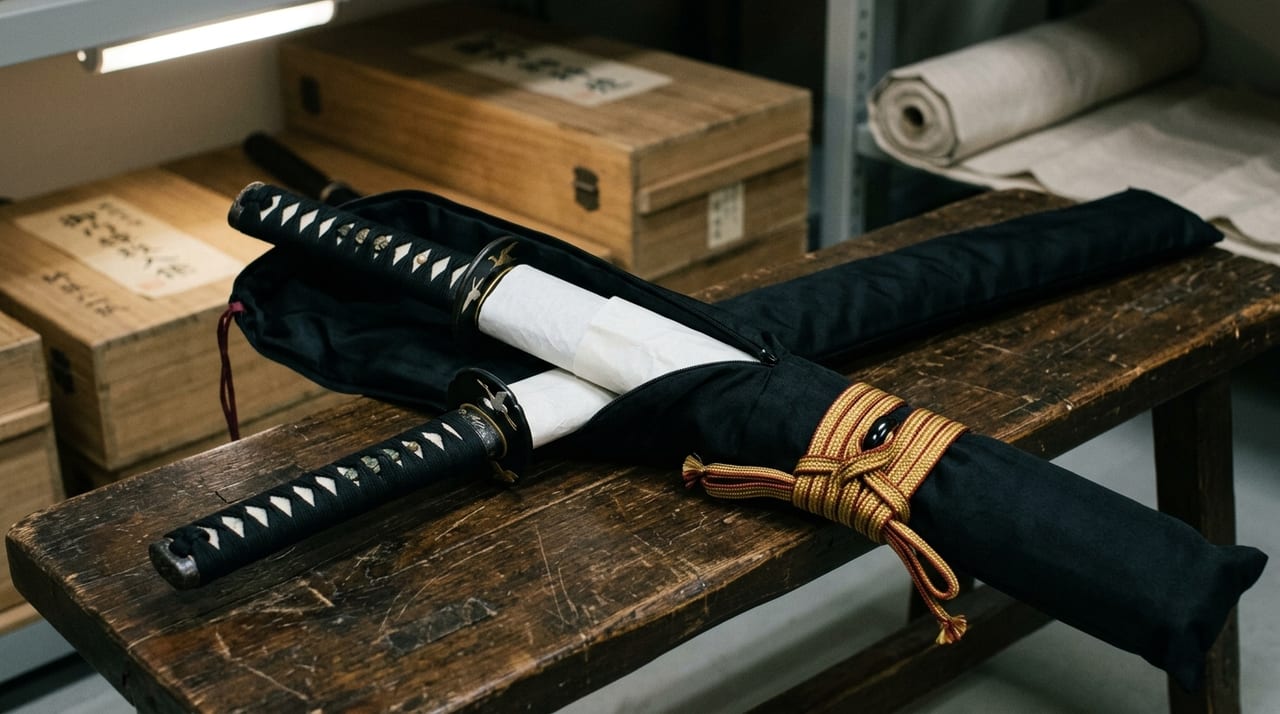
The condition of the white scabbard (wooden storage scabbard) is also subject to appraisal. A white scabbard with a signature by a polisher or scabbard maker increases its credibility.
Polish Condition
The condition of the polish directly affects price. If "modern polishing is complete" or "polishing by a specialist" is evident, the price increases. Conversely, swords "requiring polish" receive a proportionate discount.
2026 Market Characteristics—Impact of Inbound Demand
As of 2026, demand from inbound (foreign) collectors strongly influences the Japanese sword market:
Weak yen effect: Amid continued yen weakness, foreign collectors find Japanese swords priced in yen comparatively affordable. Collectors from Europe, North America, and the Middle East in particular are actively purchasing.
Game and anime effect: Interest in Japanese swords among younger people has grown due to the influence of games and anime like Touken Ranbu and Demon Slayer, creating strong demand in the entry-level price range (¥100,000–¥500,000).
Expansion of online trading: Online auctions in Japan and abroad have been developed, narrowing information disparities. Direct trading between provincial sword dealers and overseas buyers is increasing.
Summary—Evaluating Japanese Sword Prices Correctly
A Japanese sword's price is the "sum total of its value." The reputation of the swordsmith, era, authentication certificate, condition, and provenance interweave complexly to form the final market price.
For beginner collectors, we recommend starting with "NBTHK Preserved certificate-bearing, good-condition Edo smith works (in the ¥100,000–¥500,000 range)." Even at this price point, many works are available that fully showcase the artistic appeal of Japanese swords.