The Consignment Sales Business Model for Nihontō — The Market Structure in Which Sword Dealers, Owners, and Consignors Coexist
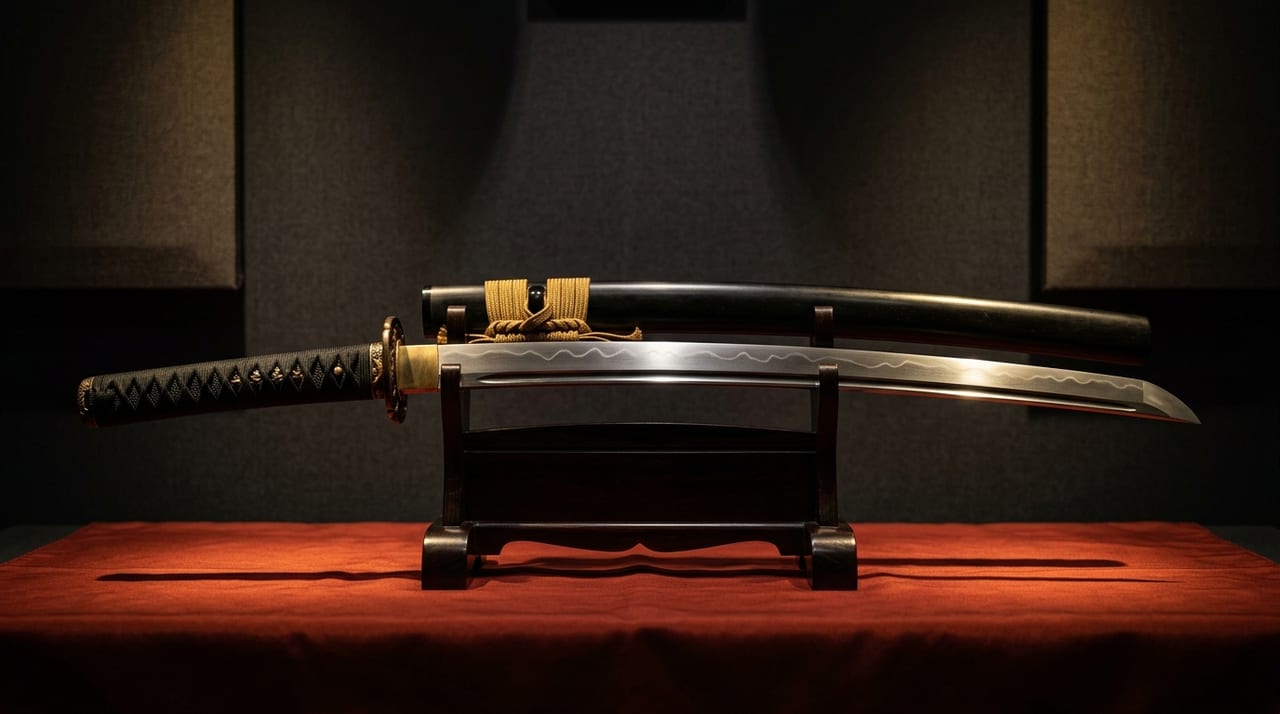 * Image is for illustrative purposes only.
Table of Contents
What Is Consignment Sales? — The "Other Method" of Nihontō Distribution
There are broadly two methods for selling nihontō: "outright purchase" (kaitori) and "consignment sales" (itaku hambai).
Outright purchase is a method in which a sword dealer purchases the sword outright and pays on the spot. While the seller can convert to cash immediately and without risk, the purchase price tends to fall below market value — because the dealer factors in risk and resale costs.
Consignment sales is a model in which the seller (consignor) entrusts the sale to a sword dealer (consignee) while retaining ownership, and pays a fixed percentage of the selling price as a fee upon conclusion of the sale. The seller receives no payment until the sword is sold, but the final transaction price may exceed that of an outright purchase.
This article explains how consignment sales function in the nihontō market from a practical standpoint.
The Basic Flow of Consignment Sales
Step 1: Appraisal and Intake
The consignor entrusts the sword to the sword dealer and undergoes an appraisal. The following items are assessed during the appraisal.
- Presence and type of registration certificate (a Firearms and Swords Registration Certificate is mandatory)
- Condition of the sword (polish condition, presence of flaws or rust)
- Identification of the tōkō (swordsmith) and presence of a kanteisho (appraisal certificate)
- Presence and condition of koshirae (mounting)
Based on the appraisal results, an estimated selling price range is presented. Unlike an outright purchase, no money changes hands at this stage.
Step 2: Conclusion of the Consignment Agreement
If both parties reach agreement, a consignment agreement is drawn up. The agreement typically specifies the following items.
- Details of the consigned item (characteristics of the sword, registration certificate number)
- Minimum selling price (the floor price below which the consignor will not sell)
- Fee rate (the percentage the sword dealer receives upon a successful sale)
- Consignment period (typically three to six months, in some cases one year)
- Handling after the period ends (return, extension, or conversion to outright purchase)
- Liability and insurance during storage
Step 3: Sales Activity
The sword dealer searches for a buyer through sales channels such as websites and auctions. During this period, ownership of the sword remains with the consignor.
Step 4: Sale and Settlement
Once a buyer is found, the sword dealer contacts the consignor and settlement is carried out.
Settlement Calculation Method
- Sword dealer's fee = selling price × fee rate stipulated in the contract
- Consignor's proceeds = selling price − sword dealer's fee
How Fee Rates Are Determined — What to Confirm Before Signing
Consignment sales fees for nihontō vary by dealer, and some dealers apply different rates for different selling price ranges. The fee rate, minimum fee, and handling in the event of non-sale should be confirmed in writing before signing a contract.
Consignment via auction often incurs separate costs such as listing fees, hammer fees, and photography fees, and the total cost may end up higher than standard consignment.
Advantages of Consignment Sales — From the Consignor's Perspective
A Higher Selling Price Than Outright Purchase Can Be Expected
The greatest advantage is maximizing the selling price. With outright purchase, sword dealers often buy at around 60 to 70 percent of market value in consideration of resale risk. With consignment sales, a selling price close to market value can be expected, and it is not uncommon for the final proceeds — even after deducting the fee — to exceed those of an outright purchase.
The Timing of Sale Can Be Chosen
If the sword does not sell during the consignment period, the owner can retrieve it. This is a suitable option for owners who are not in a hurry to convert to cash but want to sell at a fair price.
A Specialized Sales Network Can Be Leveraged
Sword dealers have their own customer base comprising collectors, enthusiasts, and overseas buyers. Utilizing a specialized dealer's sales network will certainly broaden reach to appropriate buyers compared to an individual selling on their own.
Risks and Precautions of Consignment Sales
There Is a Possibility the Sword Will Not Sell
The nihontō market is niche, and it can take time to find an appropriate buyer. Swords in poor condition, works by tōkō with limited demand, and swords of unusual form tend to take especially long.
If the sword has not sold by the end of the consignment period, the consignor must choose between retrieving the sword, continuing at a lower price, or switching to an outright purchase.
Risks During Storage
While the sword is in the custody of the sword dealer, it is necessary to clarify in advance how to handle any unforeseen accidents such as fire, theft, or damage. Before signing a contract, always confirm which party bears the cost of insurance during storage.
The Issue of Sword Dealer Reliability
It cannot be said that there are no unscrupulous dealers in the industry. It is important to confirm the following before consigning.
- Display of the secondhand dealer's sign (bearing the permit number and other details, pursuant to Article 12 of the Secondhand Articles Dealer Act)
- Membership status in industry associations (such as the All-Japan Sword Dealers' Cooperative Association)
- Track record and reputation (word of mouth, inquiries to industry contacts)
- Preparation of a written contract (verbal agreements only are dangerous)
Choosing Between Consignment Sales and Outright Purchase — Decision Criteria
| Situation | Recommendation |
|---|---|
| Cash needed urgently | Outright purchase |
| Sufficient time available | Consignment sales |
| High-value sword (with important kanteisho, etc.) | Consignment sales (for price maximization) |
| Low-value sword (around tens of thousands of yen) | Outright purchase (may not justify consignment costs) |
| Value of the sword is unclear | Obtain appraisals from multiple dealers before consigning |
Conclusion — Consignment Sales Is a Transaction That "Buys Time"
Consignment sales of nihontō is a business model suited to owners who prioritize "selling at a fair price" over "converting to cash immediately." With a proper understanding of fees, risks, and the period involved, and on the premise of a written contract with a trustworthy sword dealer, it becomes easier to achieve a selling price that outright purchase cannot match.
There are three types of literacy needed to become a "savvy consignor" — a sense of market prices, an eye for choosing dealers, and the ability to read a contract. Acquiring these three skills becomes the seller's greatest weapon in the nihontō market.