The Goseibai Shikimoku and Kamakura Warrior Society: How Penalties for Violence and Injury Indirectly Restrained Armed Conflict and Sword-Carrying Custom
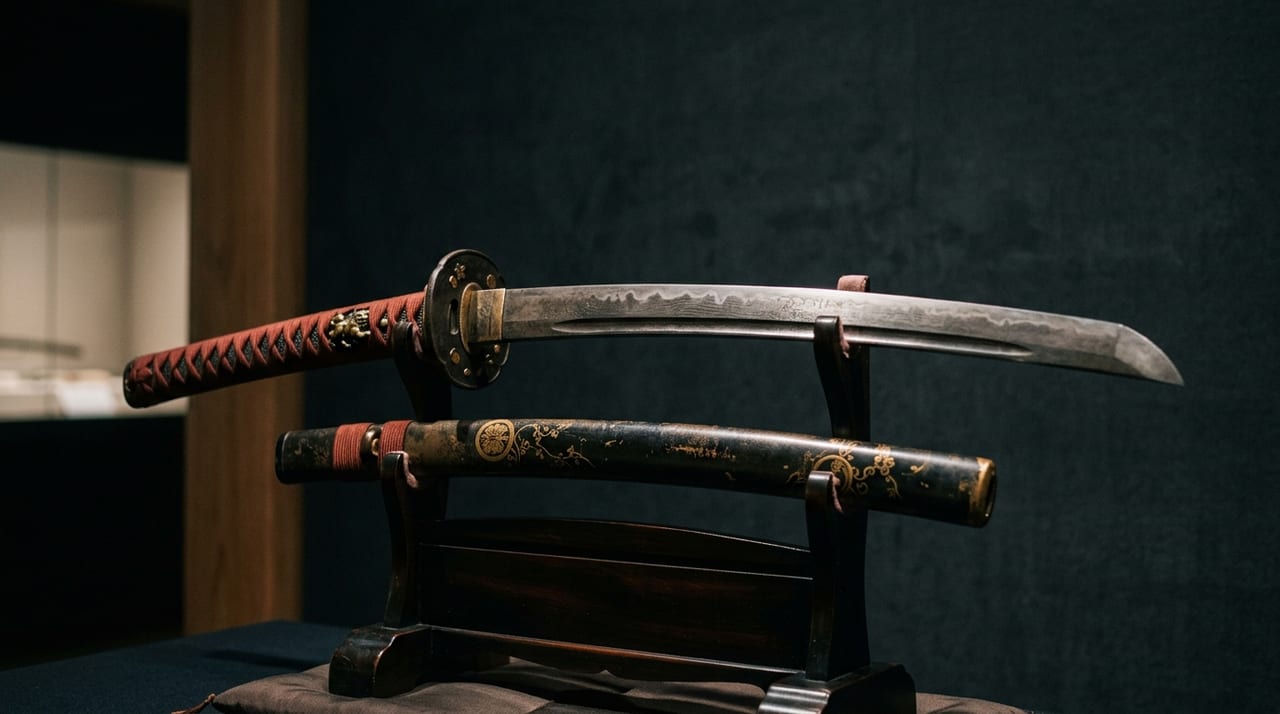 * Image is for illustrative purposes only.
Table of Contents
What are the Goseibai Shikimoku?: Japan's First Warrior Code Enacted in Jōei Year 1
In Jōei 1 (1232), Hōjō Yasutoki, the third shikken of the Kamakura shogunate, promulgated all 51 articles of the "Goseibai Shikimoku" (also called the Jōei Shikimoku). Separate from the ritsuryo legal codes that the aristocratic court relied upon, this was compiled based on customs and reasoning unique to warrior society, making it Japan's first comprehensive warrior law.
The primary purpose of its establishment was to clarify standards for fairly adjudicating disputes over fiefs (shoryo soron) between retainers (gokenin). The Kamakura shogunate had already expanded control into western provinces following the Jōkyū Incident (1221) and faced increasing territorial disputes that needed to be resolved using a standard of judgment unique to warrior society, distinct from the court's ritsuryo codes. The Shikimoku was born as a legal code responding to these practical demands and possessed the character of consolidating past precedents and customs as "reasoning" (dōri). It is important to first note that it was not created for the purpose of regulating the specifications or possession of weaponry, including swords.
Clauses Punishing Wounds and Homicide—Judging "the Consequences of Actions," Not Weaponry
The Goseibai Shikimoku includes several clauses that punish injuries resulting from bladed weapons or the use of force. Representative examples follow.
- Article 10, "Punishment for Homicide and Wounds" — a clause defining punishments for murder and assault
- Article 12 — a clause defining punishment for those who utter akkou (abusive speech or slander)
- Article 13 — a clause defining punishment for those who commit chouchaku (beating)
What these clauses regulate is not the specifications of swords, methods of carrying them, or the matter of possession itself. It is important to note that they target for punishment the "consequences resulting" from the use of force or violent acts. In other words, it is appropriate to understand the Shikimoku not as a law directly regulating weaponry, but as a legal system that sought indirectly to suppress the use of force by adjudicating the consequences of actions.
For the gokenin, fiefs were simultaneously the foundation of their economic livelihood and the very basis supporting their status as retainers. Should wounds or homicide be discovered, it could lead directly to confiscation of fiefs or loss of status; thus this punishment clause likely functioned as a strong deterrent against the use of force. Even though the Shikimoku did not prescribe the form of weaponry, a mechanism to indirectly suppress the use of force operated by imposing grave consequences for the results of one's actions.
The Practice of Bearing Swords is Transmitted Through Historical Sources Separate from the Shikimoku
Regarding the "practice of bearing swords"—how Kamakura warriors carried swords—no provisions are found in the Goseibai Shikimoku itself. This point is important for understanding the character of the Shikimoku. The Shikimoku was only a standard for adjudicating disputes over fiefs and a legal code defining punishments for wounds, homicide, and the like; it was not a document that directly prescribed the protocols or permissibility of bearing swords.
The actual practice of bearing swords in the Kamakura period is transmitted through historical sources of a different lineage, beginning with the shogunate's official history, the Azuma Kagami. The Azuma Kagami is a compilation of records organizing the achievements of the Kamakura shogunate in chronological order and differs entirely in both purpose and form from legal codes like the Goseibai Shikimoku. From it, we can discern that bearing a tachi or katana served as a symbol indicating one's status as a gokenin, and that it developed as part of the military mobilization system symbolized by "iza Kamakura." Even during peacetime, the gokenin are thought to have displayed their position as warriors bearing an obligation of military service to the shogunate by wearing swords.
It is necessary to distinguish and understand the punishment clauses of the Shikimoku and the custom of bearing swords as transmitted by the Azuma Kagami as separate entities differing in both their origins and character. To conflate the two and view the Shikimoku as if it had even prescribed protocols for bearing swords would be a misunderstanding arising from mistaking the character of the sources.
The Role of Punishment Clauses in Warrior Society
The punishment clauses of the Goseibai Shikimoku relating to wounds and homicide can be positioned as a legal code that, rather than directly regulating the form of weaponry, indirectly contributed to maintaining order in Kamakura warrior society by punishing the consequences of the use of force. While its primary character was as a standard for adjudicating disputes over fiefs, by also including punishment provisions for violent acts, it functioned to suppress to a certain degree private use of force among gokenin.
The Shikimoku's approach of "maintaining order by punishing the consequences of actions" is said to have influenced warrior law in later periods. The idea of suppressing the use of force in society through punishment clauses, rather than regulating weaponry itself, is a perspective often overlooked in understanding Kamakura warrior society. To oversimplify the Goseibai Shikimoku as merely "a law regulating weaponry" would result in misunderstanding both its original character as a standard for adjudicating disputes over fiefs and the actual state of maintaining order indirectly through punishment clauses.
Among the swords created against the backdrop of Kamakura warrior society, not a few masterpieces are transmitted today as National Treasures and Important Cultural Properties. By separately understanding the character of legal codes and historical sources, we should be able to see more dimensionally how Kamakura warrior society related to swords and under what order it maintained them. TOUKENZA's online catalog handles swords distinctive of each historical period. For those interested in the historical background of Kamakura warrior society, we invite you to view actual swords in our online catalog. Should you have any questions, please contact us via the inquiry form.