最新消息 — 最新入荷資訊請查閱商品目錄。 查看 →
深入了解日本刀知識與文化的見解
NHK Taiga dramas reach millions of viewers annually and have significantly influenced public interest in nihonto. This article examines the sword depictions in recent productions and the role historical dramas play in sword culture.
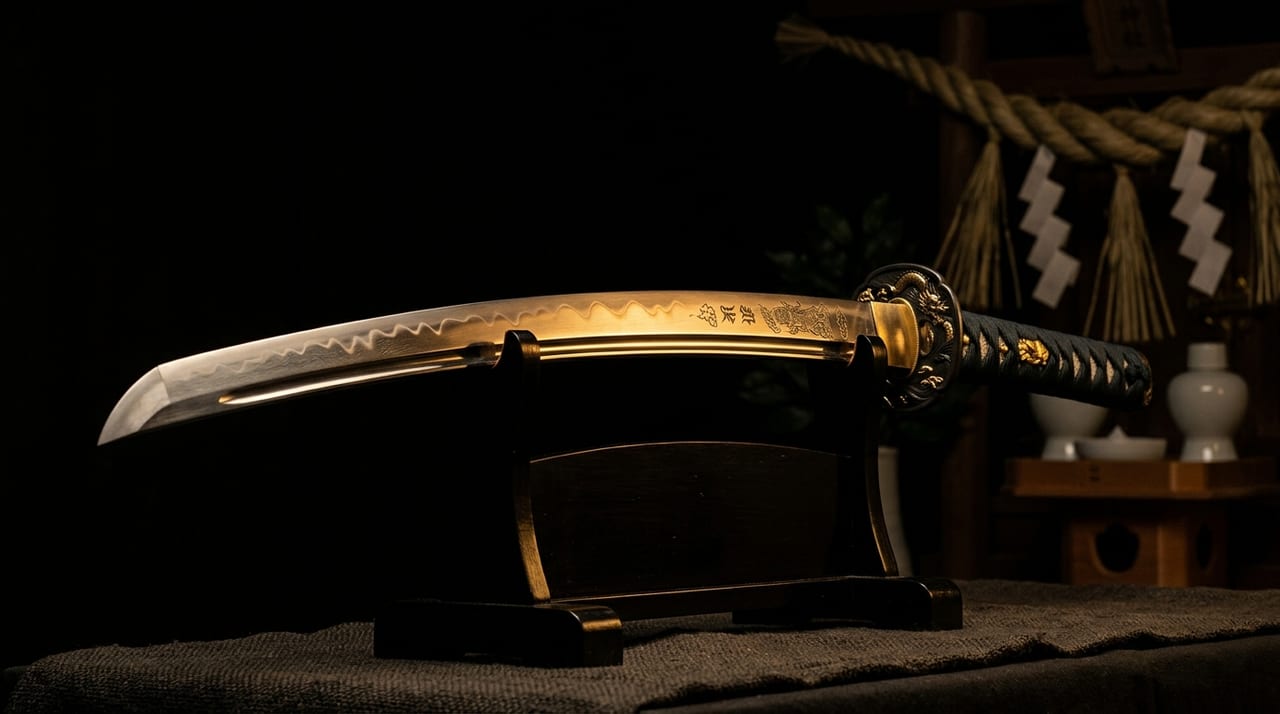
Japanese sword forging was not mere metalworking, but a spiritual act profoundly intertwined with esoteric Buddhism and Shinto ritual. This article explains the actual practices and ideological foundations of smithing rituals: what role prayers before the forge, auspicious objects, and talismans played in the sword-making process.
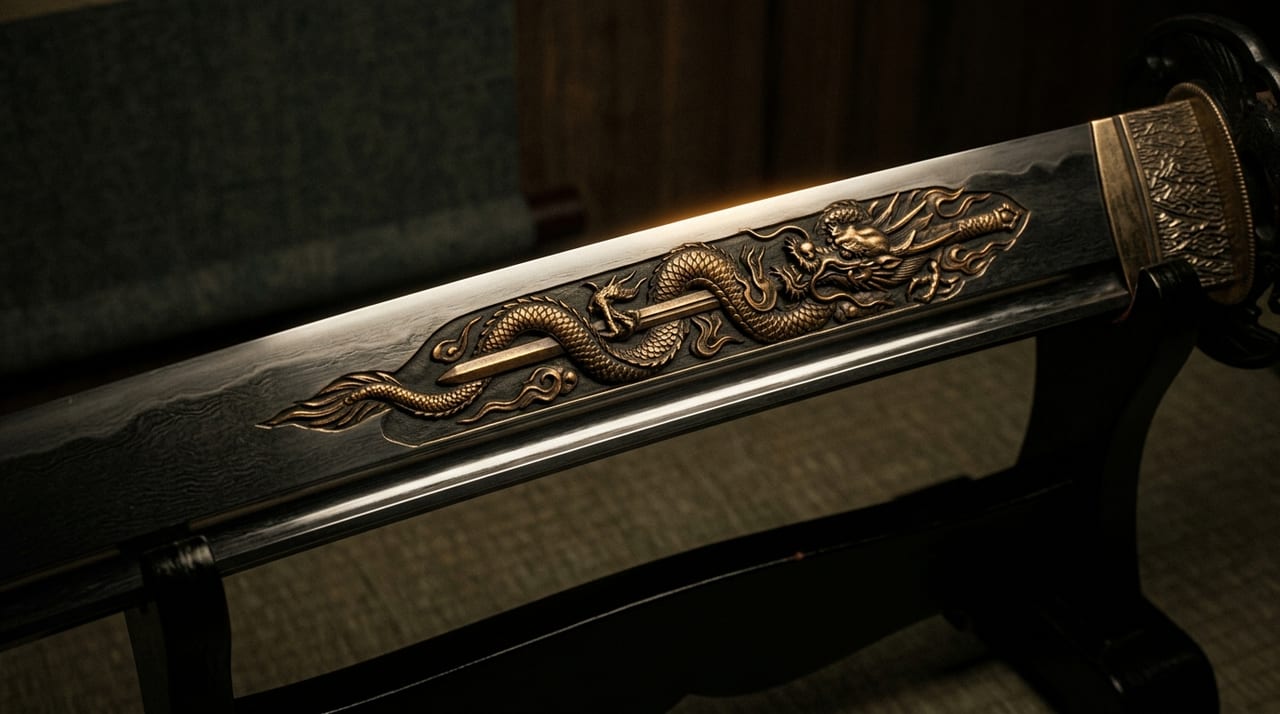
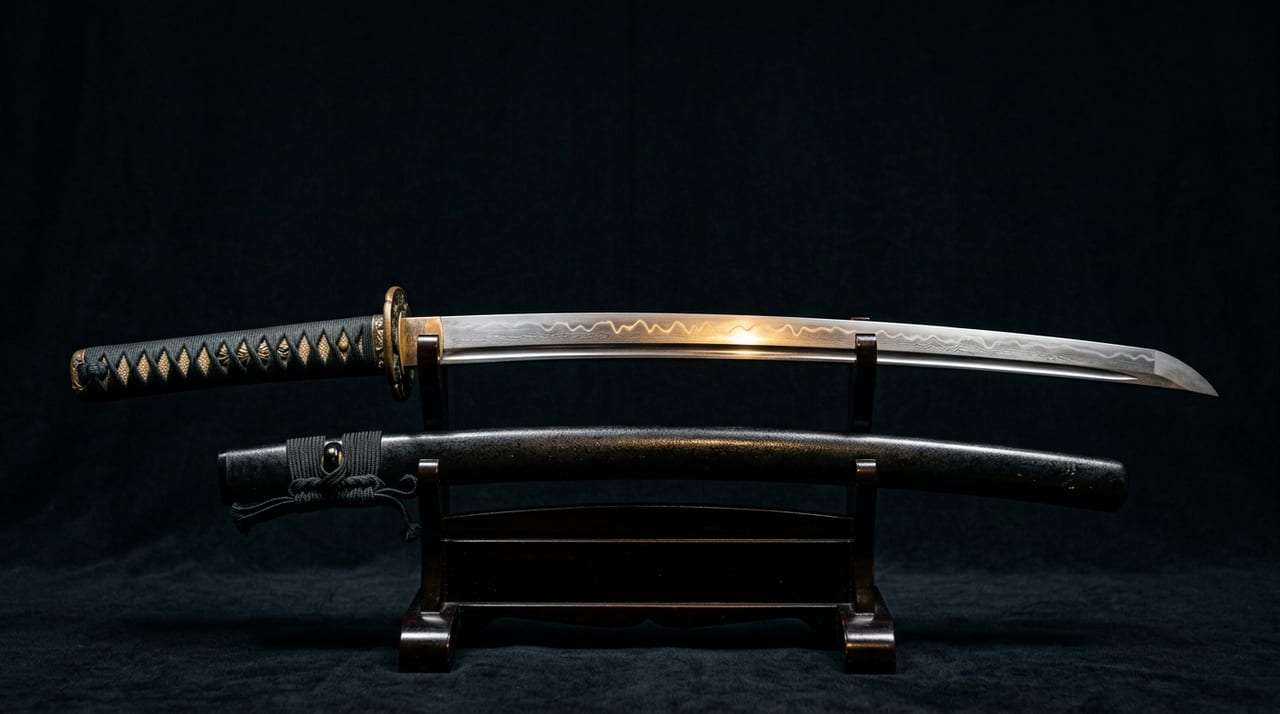
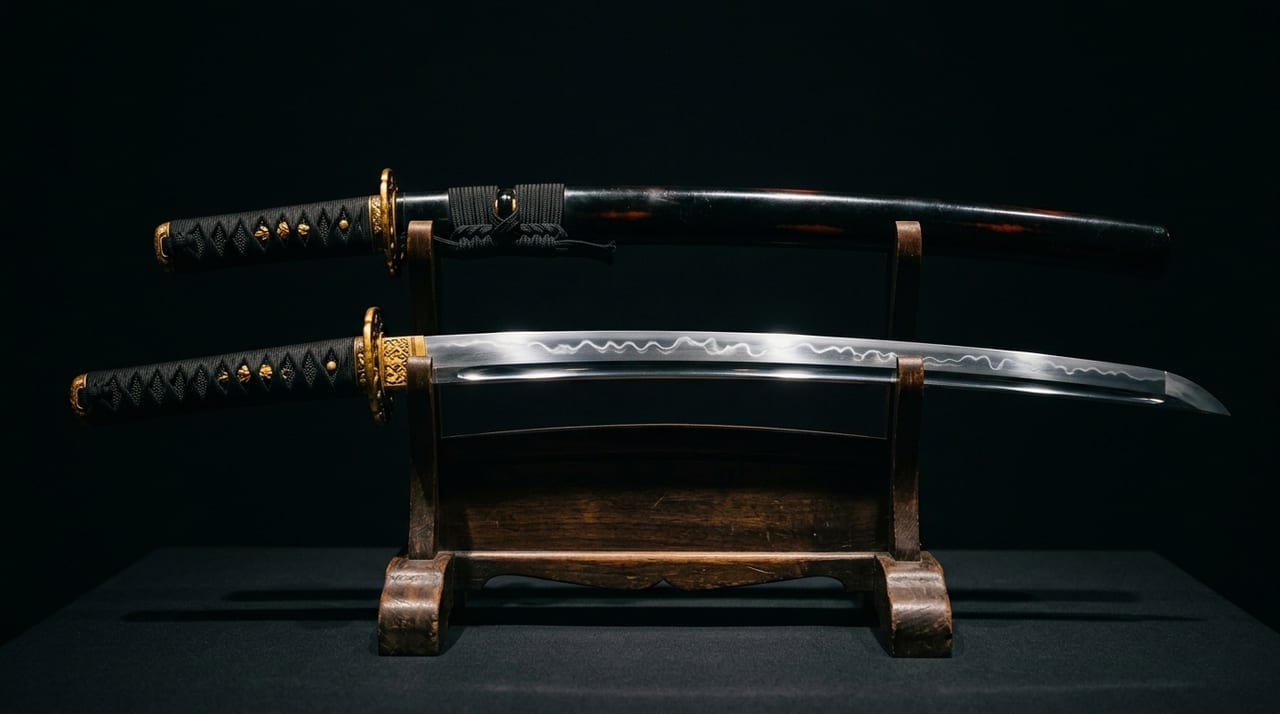
The grooves (hi) and carvings (horimono) on nihonto blades combine functional design with spiritual symbolism. This guide explains the types, meanings, and how to appreciate these decorations as a sword enthusiast.
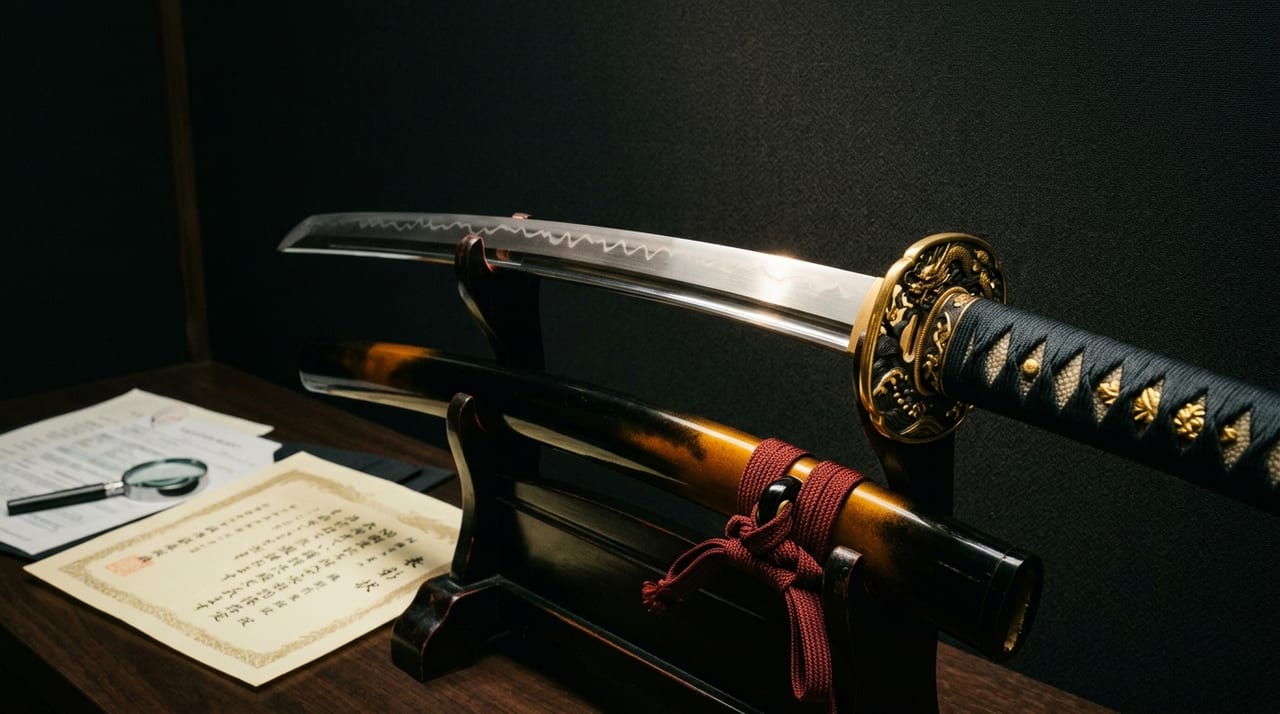
Whether dealing with inherited swords or thinning a collection, selling nihonto requires knowing how appraisal works, who to trust, and what drives value. This guide walks through the practical steps.
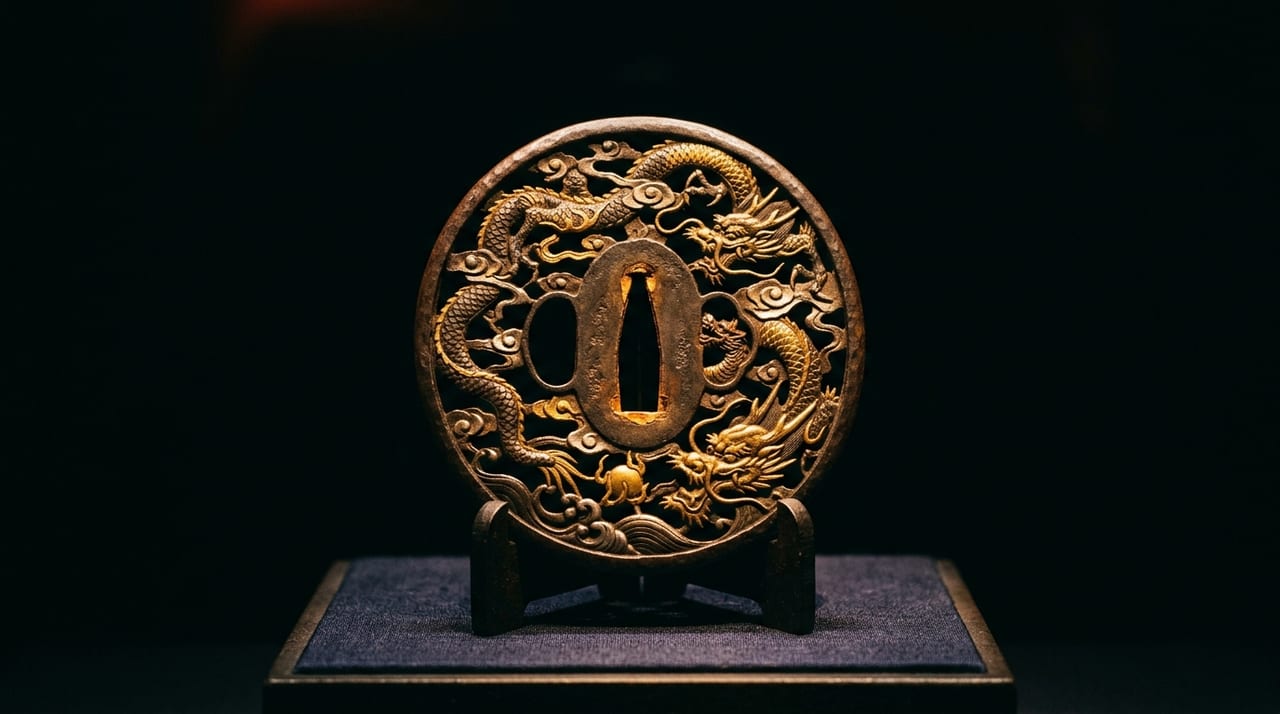
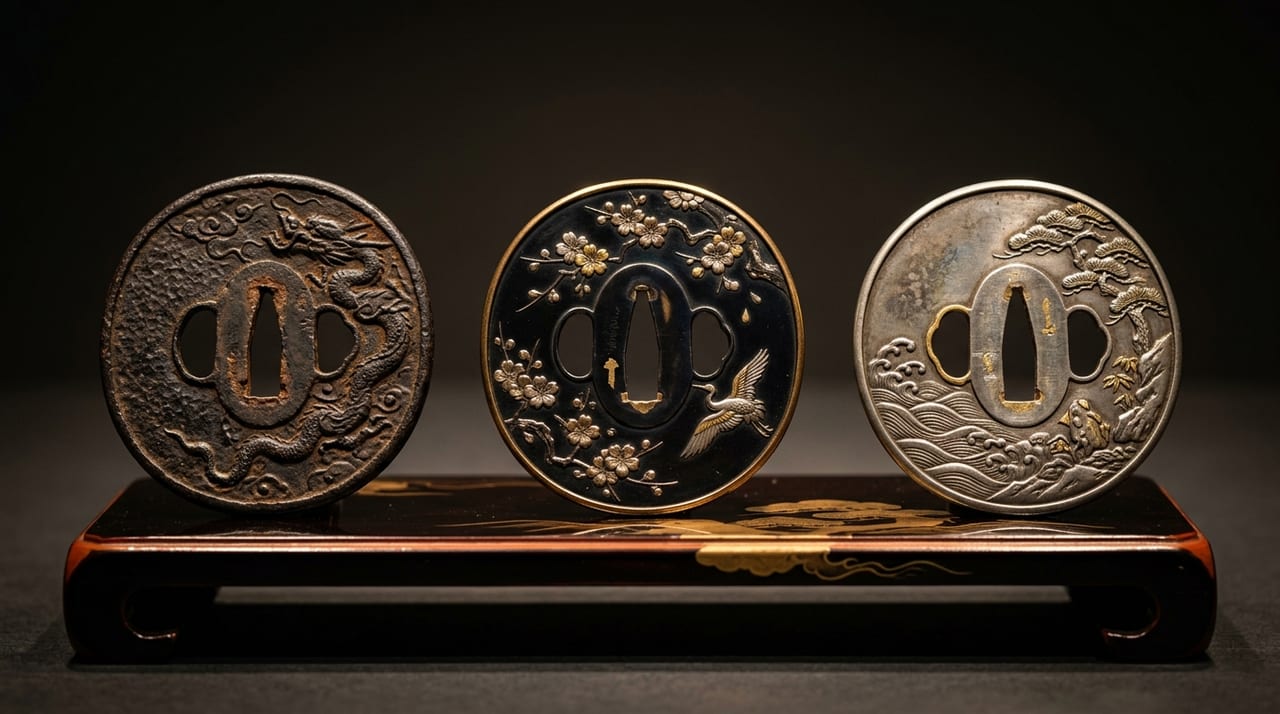
For those looking to collect tsuba (sword guards), understanding pricing factors, where to buy, and basic authentication is essential. This guide covers practical knowledge for entering the tsuba market.
Popular manga and anime series like Demon Slayer and Rurouni Kenshin have introduced millions to Japanese swords, but how accurate are their depictions? This article examines the real sword culture behind the fiction.
Throughout Europe, Asia, and other regions, dojos teaching iaido (居合道), kenjutsu (剣術), and battojutsu (抜刀道) are spreading worldwide. This article examines the current state of overseas Japanese sword practice communities and explores why practitioners seek the shinken (真剣).
For collectors who own Japanese swords, selecting appropriate insurance is an important matter. This article explains the differences between standard fire insurance and personal property insurance versus art-specific riders, methods for confirming coverage details, and the practical procedures for filing insurance claims.
The care methods for tsuba (鐔) vary depending on the material. This article explains practical methods for rust prevention and storage, taking into account the distinct characteristics of iron tsuba, shakudo tsuba, and shibuichi tsuba.
The sword scenes depicted by Akira Kurosawa in film left a profound impression on audiences worldwide. This article explores how blades were directed and staged in works such as 'Seven Samurai,' 'Sanjuro,' and 'Swordsman,' and how they relate to actual Japanese sword culture.
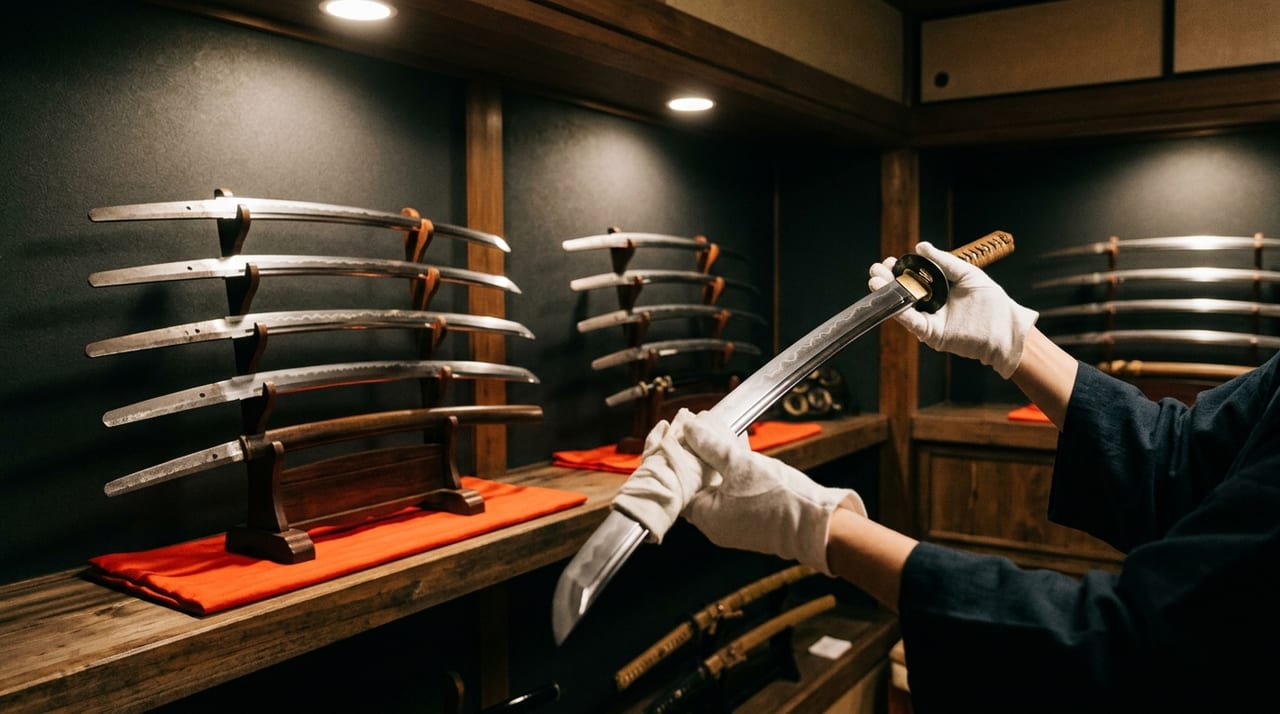
A tōken haiken-kai (刀剣拝見会) is a private gathering where Japanese sword enthusiasts bring their blades to view and appreciate together. This practical guide assembles essential information for beginners, from participation etiquette through hosting preparations.
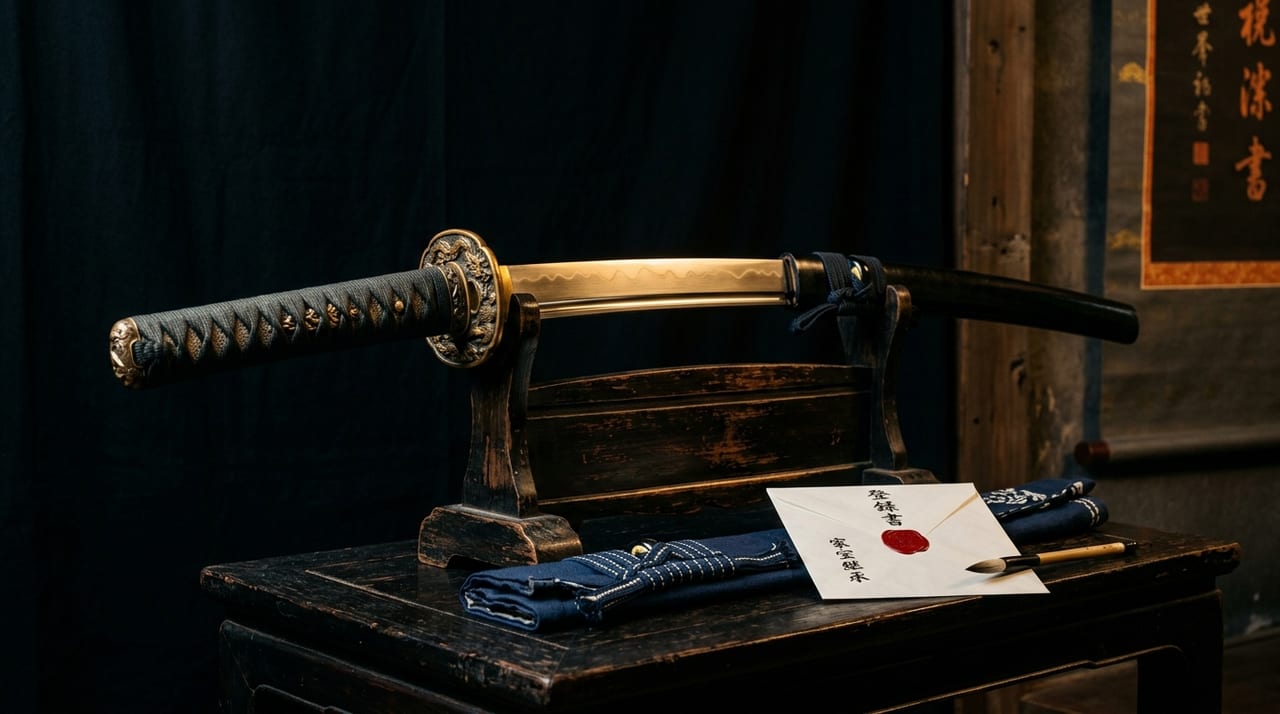
Practical guide for heirs who inherit Japanese swords: how to transfer registration, notify authorities, continue possession legally, or arrange a legitimate sale.