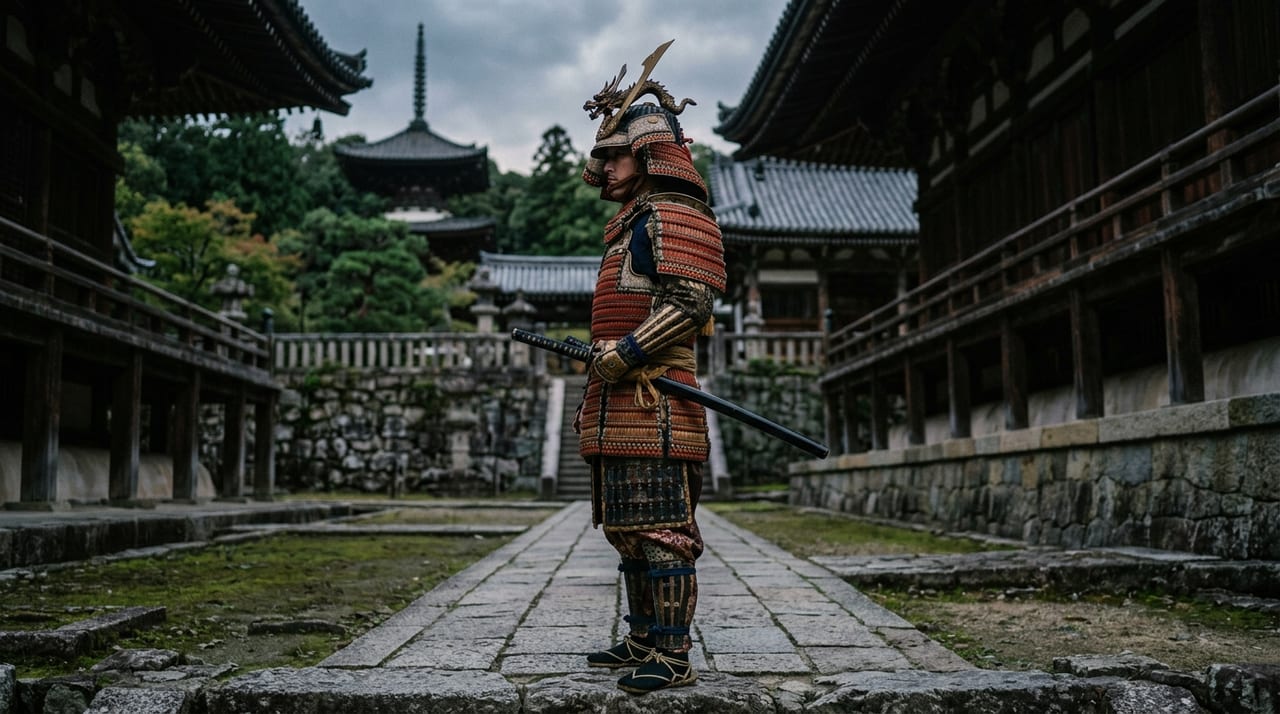
 * Image is for illustrative purposes only.
Okada Izō
岡田以蔵
One of the Four Great Hitokiri (Assassins) of the Bakumatsu, Swordsman of the Tosa Kinnōtō
Description
Okada Izō (1838-1865) was a swordsman who went up to the capital from Tosa Province (present-day Kōchi Prefecture) during the turbulent Bakumatsu period. Known by the epithet "Hitokiri Izō" (Izō the Killer), he is one of the Four Great Hitokiri (assassins) of the Bakumatsu. He belonged to the Tosa Kinnōtō organized by Takechi Hanpeita (art name Zuizan), and is said to have carried out many assassinations in Kyoto during the sonnō jōi movement.
Izō was born into a family of lower-ranking samurai (kashi) in Tosa and began studying swordsmanship from an early age. He became a live-in disciple of Takechi Hanpeita, the leader of the Tosa Kinnōtō, and went with Takechi to Edo, where he studied Kyōshin Meichi-ryū at Momoi Shunzō's Shigakukan. He also continued his martial arts training in the Chūgoku region and Kyūshū. He is also said to have had contact with Sakamoto Ryōma. From 1861, as the Tosa Kinnōtō grew increasingly radical, Izō became active as an assassin and is said to have cut down many pro-shogunate figures, although accounts of the details vary depending on the historical sources.
The swordsmanship Izō used is considered most likely to have been Kyōshin Meichi-ryū, and his swift blade and sharp judgment are said to have underpinned his success as an assassin. His deep connection with the sword was his life itself, and his attempt to survive the turbulent age with the sword alone symbolizes the tragedy of the swordsmen of the Bakumatsu.
In 1864, Izō was captured by the Tosa Domain and tortured, and it is also said that he revealed the names of his comrades, including Takechi Hanpeita. Executed in Tosa in 1865, Izō lived a short life of just 27 years. As a swordsman who lived through the upheaval of the Bakumatsu, however, he became the subject of many works of literature, film, and drama, and the name "Hitokiri Izō" is still widely known today. Because of his relationships with Sakamoto Ryōma and his master-disciple bond with Takechi Hanpeita, he remains an indispensable figure in any discussion of Bakumatsu history.