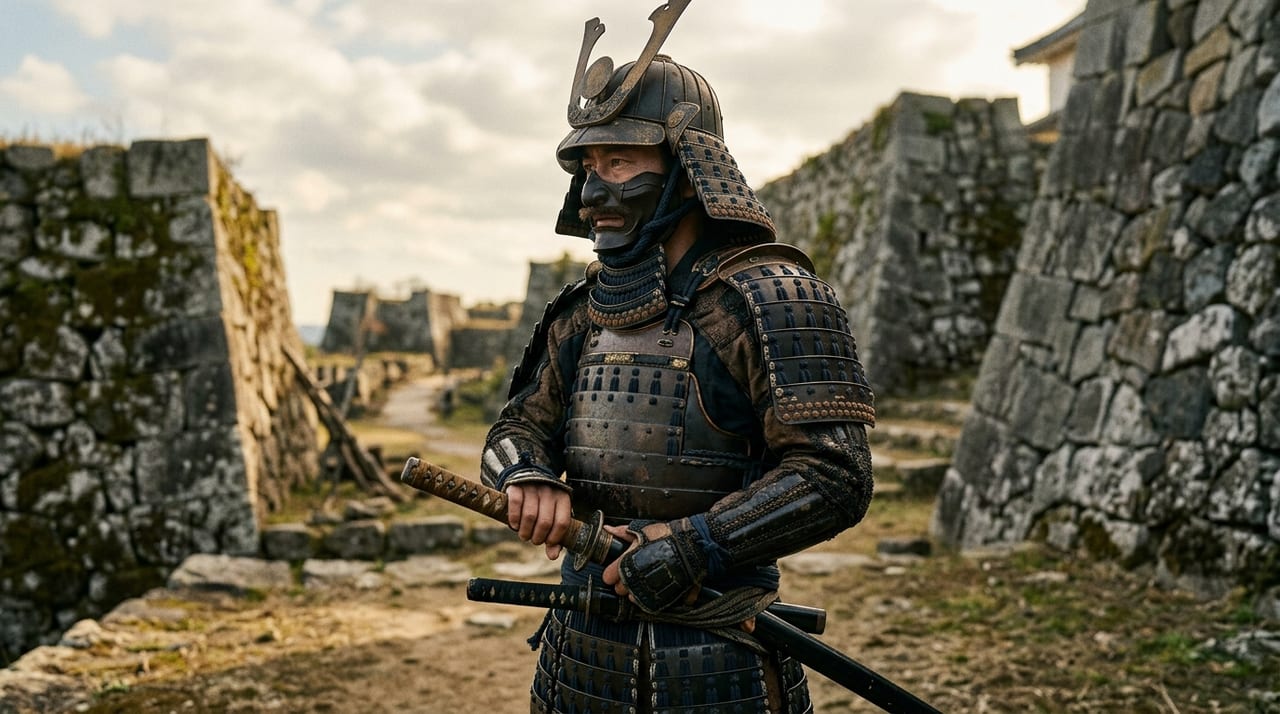
 * Image is for illustrative purposes only.
Horibe Yasubei
堀部安兵衛
Swordsman of the 47 Rōnin of Akō, the Chivalrous Swordsman of Edo Who Made His Name at the Takadanobaba Duel
Description
Horibe Yasubei (1670–1703) was a samurai who served the Akō Domain during the Genroku period. He was one of the Forty-seven Rōnin of Akō, took part in the raid on Kira Kōzuke no suke's residence, and ended his life by seppuku as a loyal warrior. He is also known as a martial artist, through the duel at Takadanobaba, and he is widely remembered as a samurai who embodied the chivalrous spirit of the early Edo period, including the circumstances in which he changed his name from Nakayama Yasubei to Horibe Yasubei.
Yasubei was born as the son of Nakayama Yajiemon of the Shibata Domain in Echigo Province (present-day Shibata City, Niigata Prefecture). After his father died as a rōnin, he went to Edo, entered the dōjō of Horiuchi Masaharu, distinguished himself through his talent for swordsmanship, and received full transmission of the school's teachings. In Genroku 7 (1694), he appeared at the scene of a duel at Takadanobaba and assisted Sugano Rokurozaemon, a fellow student with whom he had an uncle-and-nephew-like bond, in his duel. He cut down three opponents, and his exploit spread through Edo as the "slaying of eighteen men." This feat caught the eye of Horibe Yahei of the Akō Domain, who adopted him, and he came to be called Horibe Yasubei.
After Asano Takumi no kami drew his sword on Kira Kōzuke no suke inside Edo Castle (Genroku 14, 1701) and the Akō Domain was stripped of its holdings, Yasubei remained in contact with his comrades in Akō while living as a rōnin and waited for an opportunity for revenge. On 30 January 1703 (Genroku 15/12/14), as one of the Forty-seven Rōnin led by Ōishi Kuranosuke, he carried out the raid on Kira's residence and succeeded in killing Kira. In the second month of Genroku 16 (1703), the following year, he was ordered by the shogunate to commit seppuku. He was 34 years old.
In his relationship with the Japanese sword, Yasubei is known as the foremost swordsman among the Forty-seven Rōnin. He used a Japanese sword in the duel at Takadanobaba, and his swordsmanship in repelling several opponents was passed down to later generations. In the raid on Kira's residence, he attacked through the rear gate and fought bravely with an ōdachi (great sword). Since the mid-Edo period, his prowess as a swordsman has become widely known among the common people through Chūshingura and other gishiden tales of loyal retainers, and he continues to be discussed as an important figure in the context of sword culture, as a person who embodies the symbolic meaning of the Japanese sword and the loyalty of the samurai.
Notable Swords
- The Blade Wielded at the Takadanobaba Duel
- The Ōdachi Wielded in the Raid on the Kira Residence