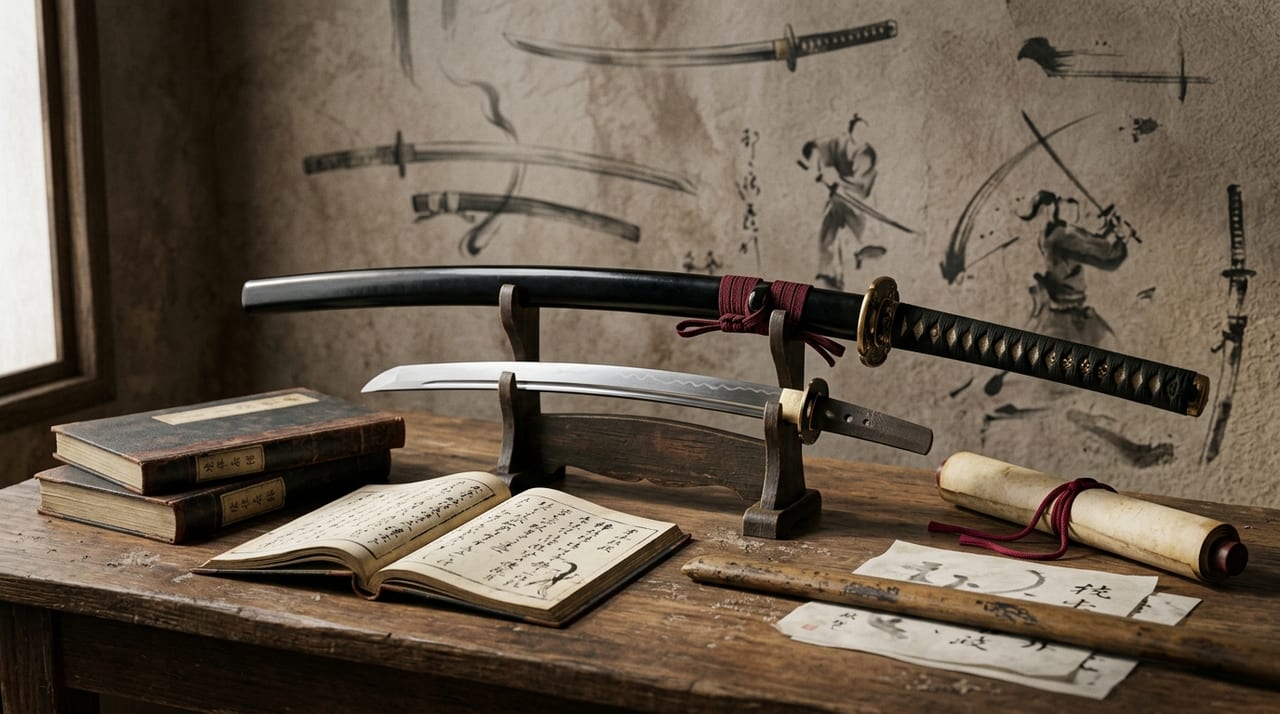
 * Image is for illustrative purposes only.
Love and Honor
武士の一分
The final film in director Yoji Yamada's trilogy based on Shuhei Fujisawa's novels (2006), following The Twilight Samurai and The Hidden Blade. A low-ranking samurai's tasting official loses his sight from poison, and fights a duel to defend his wife's honor and his own dignity as a warrior. Starring Kimura Takuya, it is regarded as one of the most moving sword films in Japanese cinema.
Description
Shuhei Fujisawa and Yoji Yamada's Trilogy
"Love and Honor" (Bushi no Ichibun) is the final chapter of a trilogy in which director Yoji Yamada adapted short stories by samurai fiction writer Shuhei Fujisawa, following "The Twilight Samurai" (2002) and "The Hidden Blade" (2004). Shuhei Fujisawa is known for his "Kaizaka-han" series set in Shōnai domain (present-day Tsuruoka, Yamagata Prefecture), and was an author who carefully depicted the daily lives and human conflicts of lower-ranking samurai. Through this trilogy, Yoji Yamada established the image of the samurai as "people who live"—a departure from the heroic and entertainment-driven swordplay of traditional period dramas. Rather than a symbol of power and honor, the sword is depicted as an existential instrument that can suddenly determine the fate of oneself or one's family. Its quiet intensity earned high acclaim at international film festivals. The original work by Fujisawa Shuhei is "Blind Sword Echo" (Mōmoku-ken Kodama-gaeshi), collected in "Kakushi-ken Shūfū Shō," which explores the theme of a samurai who has lost his sight confronting his strongest adversary through sharpened hearing and years of sword discipline. This is a universal drama that questions the spiritual strength of humanity and the essence of martial arts.
The Philosophical Theme of Blindness and Swordsmanship
The central theme of the film is the question "How does a blind swordsman fight?"—a matter of historical importance in sword arts. In actual Japanese swordsmanship, schools and techniques such as "iaijutsu" and "Musōryū" exist that sharpen the senses to handle the blade, and the state of swordsmanship that does not rely on vision has been discussed in many sword manuals throughout history. The widespread acceptance of blind master swordsmen like Zatoichi in popular culture reflects an underlying understanding in Japanese culture that swordsmanship is not merely a technique of sight and physical strength, but rather something achieved through the integration of spirit and sensation. The training scenes of Mimura Shinnosuke after losing his sight, portrayed by Kimura Takuya, were carefully filmed under the supervision of actual swordsmen, capturing the authentic reality of sword training on screen. The depiction of stillness in the sword stance, control of breathing, and the perception of an opponent's presence carries a realism that deeply resonates with modern practitioners of kendō and iaijutsu.
Life and Swords of Lower-Ranking Samurai in the Edo Period
In the film's depiction of lower samurai life, the sword as a "two-sword arrangement" was simultaneously a symbolic marker of samurai status and, in practical terms, seldom used—almost ornamental in nature. Yet lower samurai lived with the daily contradiction of potentially being called to stake their lives in mortal combat. In actual Edo period practice, samurai sword training varied by domain, but regular attendance at training halls was often mandatory, with lower-ranking samurai in particular expected to acquire practical combat technique. "Love and Honor" carefully depicts this realistic relationship between lower samurai and their swords, conveying a sword culture rooted in daily life rather than glamour. Yamada's direction maintains both perspectives—treating the sword as a "tool" and as a symbol of "pride"—thereby expressing the multifaceted nature of the Edo period sword.
The Shōnai Region and Dewa Sword Culture
The Kaizaka-han, the setting of the narrative, is modeled on Shōnai domain (present-day Yamagata Prefecture), which belonged to the Dewa province and possessed its own sword-making traditions. Swords from the Tōhoku region generally prioritize practical utility with robust, sturdy configurations, distinct from the refined aesthetics of the refined new swords produced in the Kantō and Kansai regions. Shōnai domain is known as a domain that fought to the end as a bakufu loyalist during the Bakumatsu period, and its samurai's bushidō spirit and practical sword training were renowned in other domains. Swordsmiths of Dewa (Yamagata and Akita) maintained their unique techniques even in regions distant from major centers of consumption, leaving behind numerous works of distinctive regional appeal. The landscape and samurai culture depicted in "Love and Honor" are deeply intertwined with this historical background of Dewa sword culture, and the pride of local samurai and their devotion to the sword resonate with the spiritual core of the work.
Modern Impact and Toukenza
"Love and Honor," released in December 2006, debuted at number one in the box office and received high acclaim both domestically and internationally. The Yamada trilogy became the standard depiction of "realistic Edo period samurai" in the modern context, and influenced many subsequent works to adopt the perspective of the samurai as "people who live." It also heightened interest in Fujisawa's original fiction and greatly contributed to public understanding of Japanese samurai culture and sword culture. The quiet pride of the Northeast samurai depicted in Fujisawa's literature communicates anew to the modern age that the Japanese sword is not merely a weapon but the symbol of the samurai's soul. Toukenza handles numerous swords from the mid-to-late Edo period, transmitting to modern collectors the nature of uchigatana and wakizashi as they existed in the daily lives of samurai. Our joy lies in conveying sword culture not as glamorous tales of heroism but as sincere human drama, through actual masterworks of the period. We are confident that those who have touched the quiet world of sword combat in Yamada's trilogy, when they hold a true Edo period uchigatana or wakizashi in their hands, will feel in its weight and balance the breath of the era in which the samurai lived.
Real Swords Featured
Hizen Tadayoshi (Pinnacle of Practical Swordsmanship)
The first Hizen Tadayoshi (Hashimoto Tadakuni) founded the 'Hizen tradition' in Saga Prefecture during the early Edo period. His blades, known for straight or gently undulating hamon and excellent steel quality, became the standard of practical elegance for samurai. For a retainer like Shinnosuke in Love and Honor, a Hizen blade represents exactly the kind of sword a respected lower-rank samurai might have owned.
Echigo no Kami Kanesada (Osaka New Sword Masterwork)
Kanesada was a leading Osaka swordsmith of the Genroku–Kyōhō era, whose work appealed to samurai and wealthy townsmen alike. His lively midare-hamon (irregular temper pattern) and solid construction made him a standard-bearer for the mid-Edo period. Blades like his represent the actual swords carried by samurai in the era depicted in Love and Honor.
Sendai Fujiwara Kunimitsu (Tohoku Regional Excellence)
Kunimitsu served the Date clan's Sendai domain in the early-to-mid Edo period and is among the finest regional swordsmiths of northeastern Japan. Adjacent to the Shōnai domain that inspired Fujisawa's fiction, Sendai blades embody the martial culture of Tohoku samurai — practical, dignified, and deeply regional in character.
Dewa Province Regional Swords (Practical Tohoku Blades)
Swordsmiths in Dewa Province (modern Yamagata and Akita) maintained independent traditions apart from major urban centers. Their work tends toward functional shinogi-zukuri configurations with honest, unflashy hamon — the ideal sword for a working samurai of the northeast. These are the blades Shōnai domain retainers most likely carried.
Mumei Uchigatana (The Retainer's Working Sword)
Most lower-ranking samurai in the Edo period carried unsigned blades by regional smiths rather than famous swordsmiths. These unmarked but carefully forged uchigatana were the true working swords of Japanese samurai culture — maintained with pride but valued for function over prestige. TOUKENZA carries examples of these honest Edo-period working swords alongside celebrated masterpieces.
See authentic Japanese swords
See authentic Japanese swordsThis page is intended to introduce Japanese sword culture and is not affiliated with any of the works mentioned.