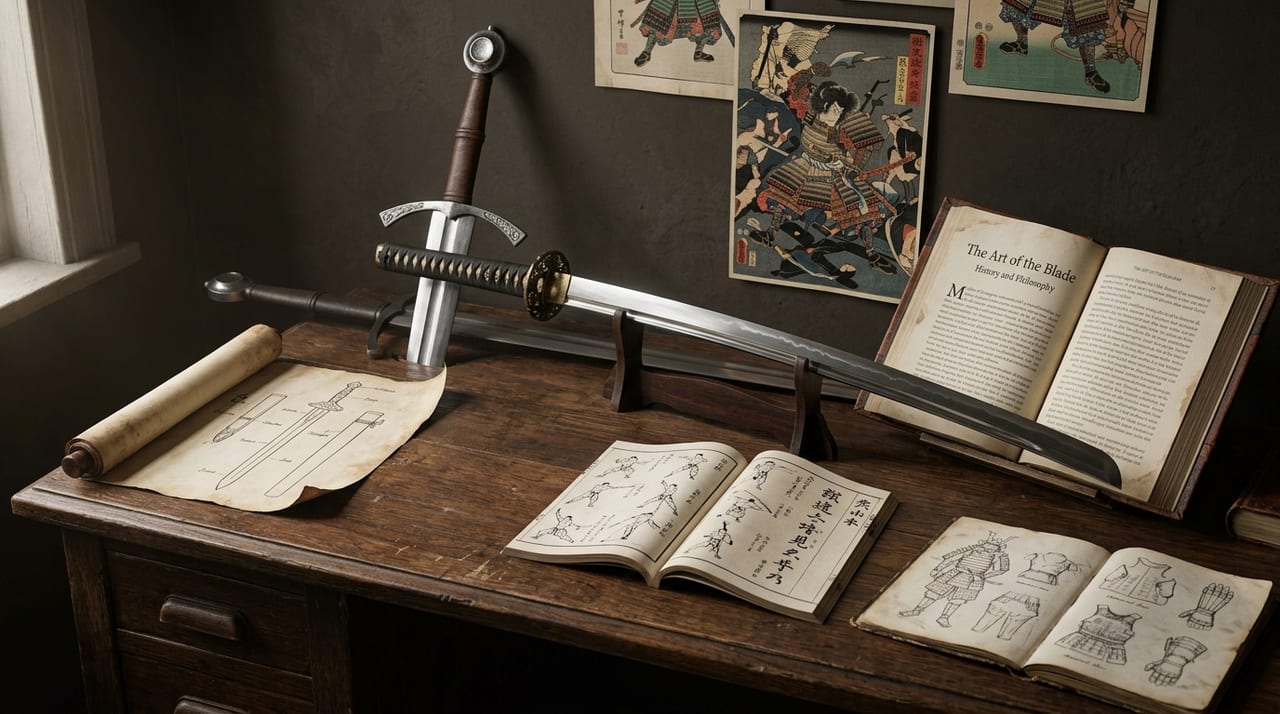
 * Image is for illustrative purposes only.
Dragon's Dogma 2
ドラゴンズドグマ 2
An open-world action RPG released by Capcom in March 2024, the true sequel to the original Dragon's Dogma (2012). It follows the Arisen — a hero whose heart has been stolen by a dragon — on a quest to reclaim it. Featuring diverse vocations including Fighter, Warrior, Sorcerer, and Mystic Spearhand, the sword-centric combat of Fighter, Warrior, and Swordmaster vocations fuses Western medieval sword aesthetics with the Eastern concept of ki (vital energy). One of 2024's defining action RPGs with over 1.5 million copies sold worldwide.
Description
Dragon's Dogma 2 — A Modern Action RPG Fusing Medieval Sword Aesthetics with Eastern Ki Philosophy
Dragon's Dogma 2 (March 2024, Capcom), the first true sequel in 12 years to the original Dragon's Dogma (2012), significantly expands the world of its predecessor. Simultaneously released on PC (Steam), PlayStation 5, and Xbox Series X|S, it achieved strong global sales and established itself as one of 2024's most notable action RPG titles. Its significance from the perspective of Japanese sword culture lies in how its "swordplay" game design — centered on swords and great swords — references the surface aesthetics of European medieval knightly swordsmanship (longsword and greatsword culture) while embedding at its core the philosophy of Japanese martial arts and swordsmanship: ki, maai (combative distance), and the weight of a single decisive strike.
### The Arisen's Swordsmanship — Awakening of Ki and the Sword's Power
The Arisen — the series protagonist who awakens to special powers after having their heart stolen by a Dragon — resonates with the concept of "awakening of ki" in Japanese martial arts. In Japanese kenjutsu and budo, ki is understood as "the source of vital energy, spiritual concentration, and physical capability," with "fullness of ki (ki no jujitsu)" positioned as the "ultimate source of martial power transcending technical skill." The Arisen's "Dragon's Dogma awakening" can be read as a Western fantasy interpretation of this "awakening of ki." The Arisen, who continues to fight despite having their heart (life's core) stolen, functions as a contemporary fable of the martial philosophy of "transcending physical deficiency through spiritual power" — particularly the relationship between Zen and swordsmanship (the concept of "the sword of no-mind").
### Job-Specific Sword Aesthetics — Fighter, Warrior, and Swordmaster
Dragon's Dogma 2 features multiple vocations centered on the sword, each embodying a different "philosophy of swordsmanship."
The Fighter vocation, combining one-handed sword and shield, emphasizes "the balance of defense and offense" — referencing European medieval "knightly swordsmanship." Yet the "guard-break (counter to perfect defense)" mechanic resonates with the Japanese kenjutsu concept of "ukenagashi" — deflecting an opponent's attack and instantly counterattacking.
The Warrior vocation, using great swords to embody "the swordsmanship of power and weight," possesses, in its "charged attack" mechanic using large weapons, aesthetics common to the culture of Japanese odachi wielders' "large swings using centrifugal force." The "weight of a single strike" from an all-out odachi swing shares the same cultural grammar as the Warrior's "charged attack" — the kenjutsu philosophy of "concentrating maximum energy at a single point."
The Mystic Spearhand vocation, combining sword and magic as a "sorcerer-swordsman," can be read as a contemporary fantasy interpretation of the Japanese traditional concept of "jujutsu-ken" (the ritual-empowered sword) — infusing a blade with magical or spiritual power.
### "Capcom as a Sword Game Developer" — Japanese Context for Western Sword Aesthetics
Dragon's Dogma is developed by Capcom (a Japanese game maker headquartered in Osaka), and its sword design reflects "Capcom's tradition of sword game design" — Japanese developers embedding Eastern sword philosophy within the exterior of Western swordsmanship. Capcom established this approach in the Devil May Cry series (from 2001) — embedding Japanese sword philosophy (combo kata, the Devil Trigger as ki management) within the exterior of Western swords — and Dragon's Dogma 2 represents the latest development of this Capcom sword game design philosophy.
### "Dragon and Sword" — The Sword as Universal Myth
The foundational narrative of Dragon's Dogma 2 — "the Arisen whose heart was stolen by a Dragon defeats the Dragon with a sword" — is a contemporary game version of the universal mythological theme: "the hero defeats the dragon with a sword." This "hero, dragon, and sword" motif also appears in Japanese mythology as the Ame-no-Murakumo-no-Tsurugi — later Kusanagi-no-Tsurugi — that severed Yamata no Orochi, embodying as Japan's oldest mythological sword the universal theme of "conquest of the dragon by the sword." Dragon's Dogma 2's story of the Arisen defeating the Dragon embodies the universality of this shared human "myth of sword and dragon" in Western fantasy garb, and can be understood as a contemporary expression of the "symbolic power of the sword" common to Japanese, Chinese, and European mythology.
### Perspective for Sword Collectors
Dragon's Dogma 2 is a valuable reference work for deeply understanding the "cultural uniqueness of the Japanese sword" in comparison with other sword cultures, from the perspective of "the fusion of European medieval sword aesthetics and Eastern sword philosophy." By comparing the forms and uses of the longsword, greatsword, and lance weapons appearing in the game with the Japanese tachi, uchigatana, and naginata, one can gain a sensory, embodied understanding — through the medium of game experience — of the core question in sword cultural history: "why did the Japanese sword evolve its distinctive curvature and single-edged form?"
Real Swords Featured
Longsword (standard European medieval knight's sword, double-edged, thrust and slash)
Greatsword (large two-handed sword, equivalent in large-blade culture to the Japanese odachi/nodachi)
Naginata (long-handled curved blade, the Eastern version of 'reach weapon' culture shared with the lance)
See authentic Japanese swords
See authentic Japanese swordsThis page is intended to introduce Japanese sword culture and is not affiliated with any of the works mentioned.