Japanese Swords Preserved by the World's Museums — From the British Museum to the Metropolitan, the Current State of Overseas Collections
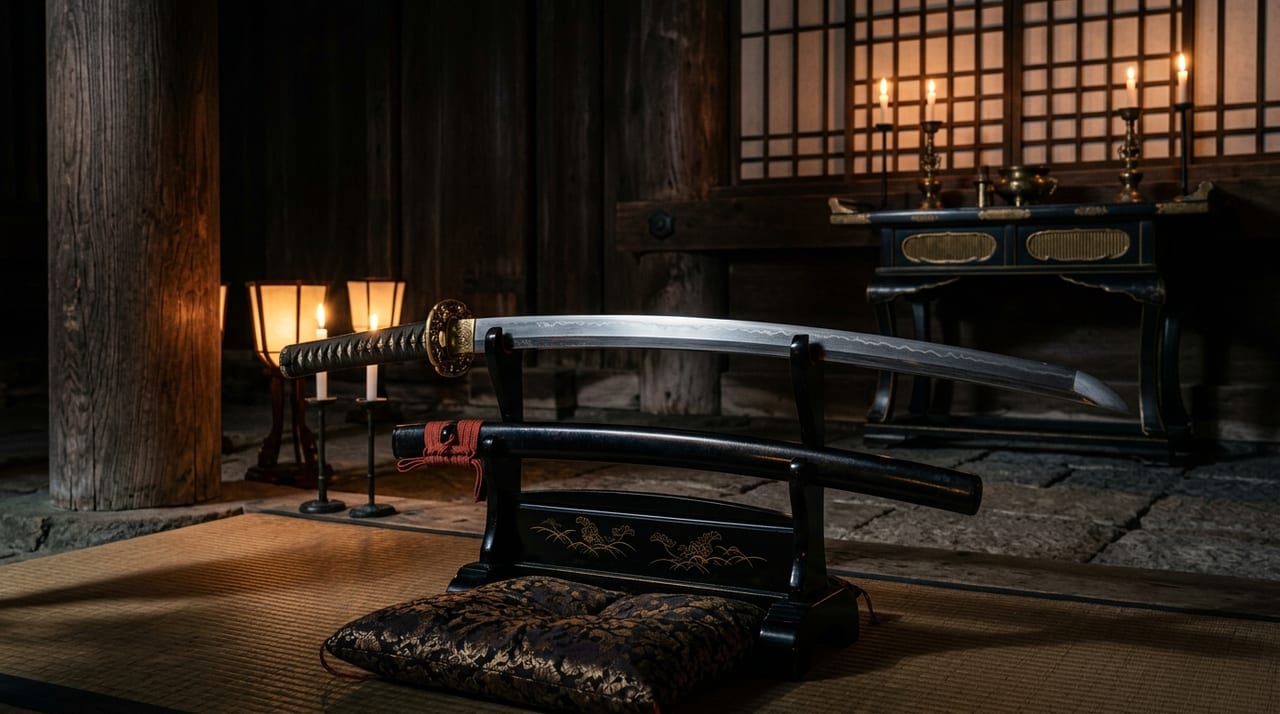 * Image is for illustrative purposes only.
Table of Contents
The Global Museumification of Nihontō — The Formation of International Recognition as Cultural Heritage
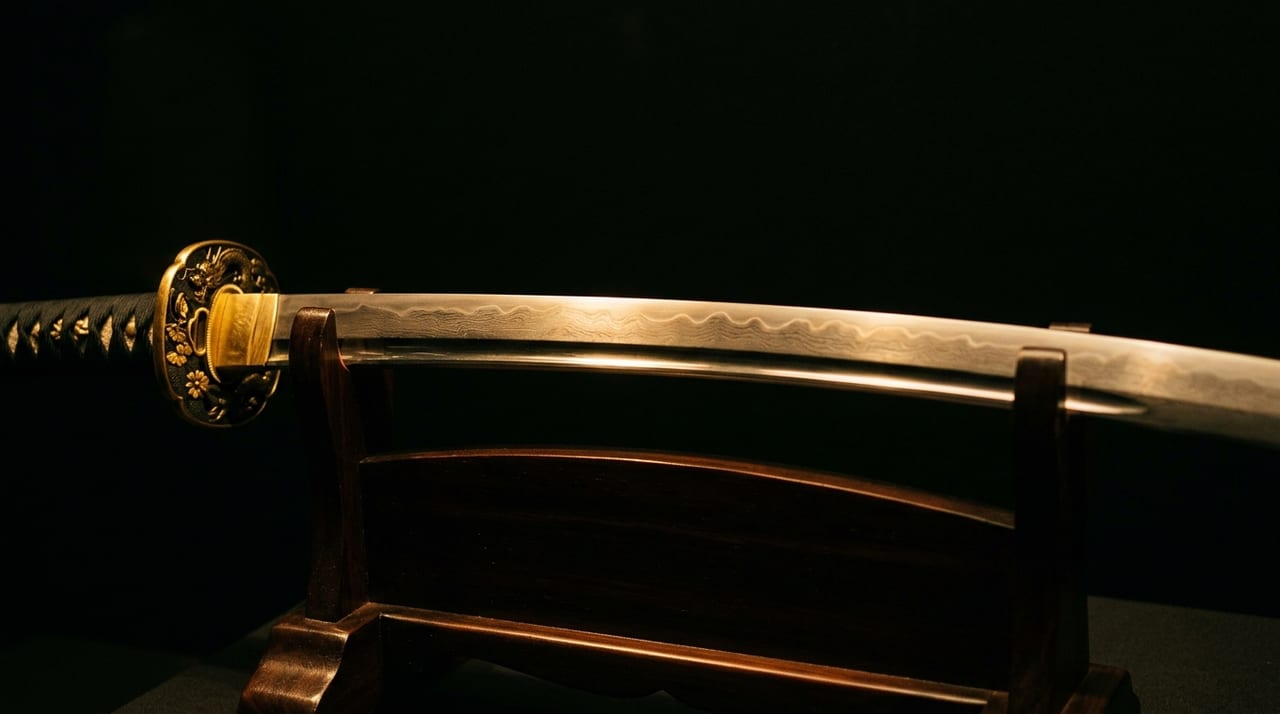
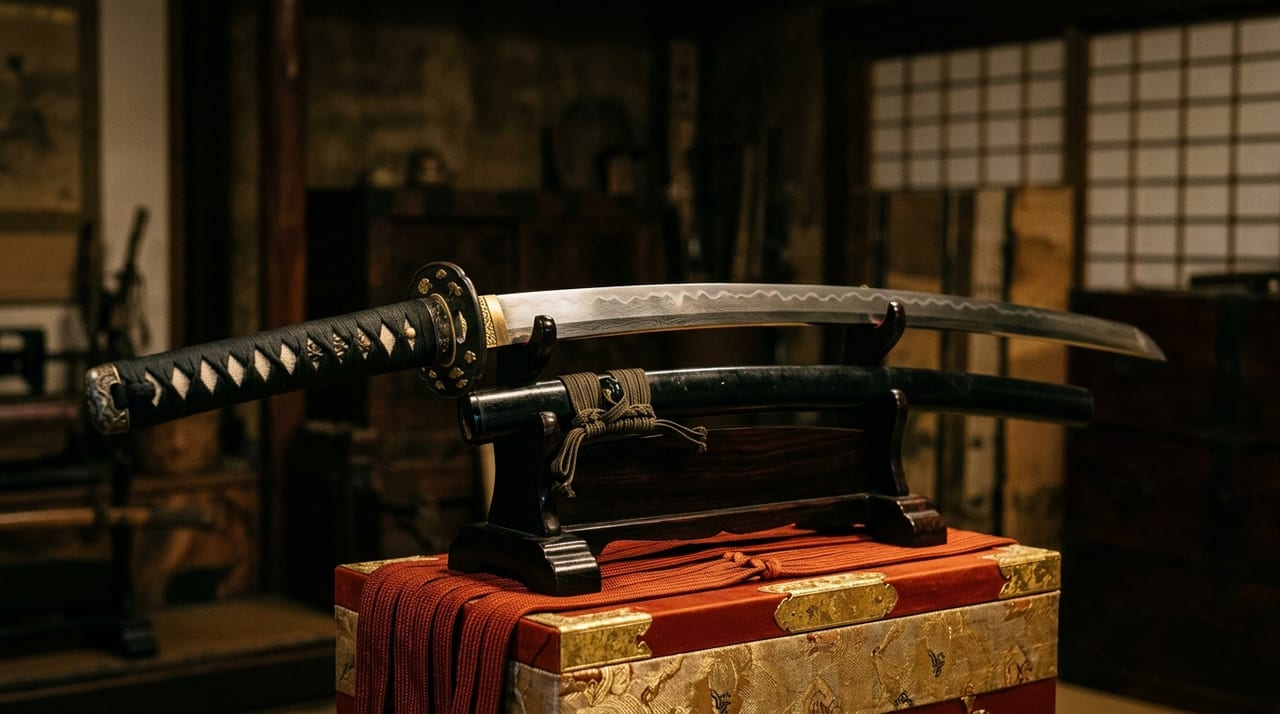
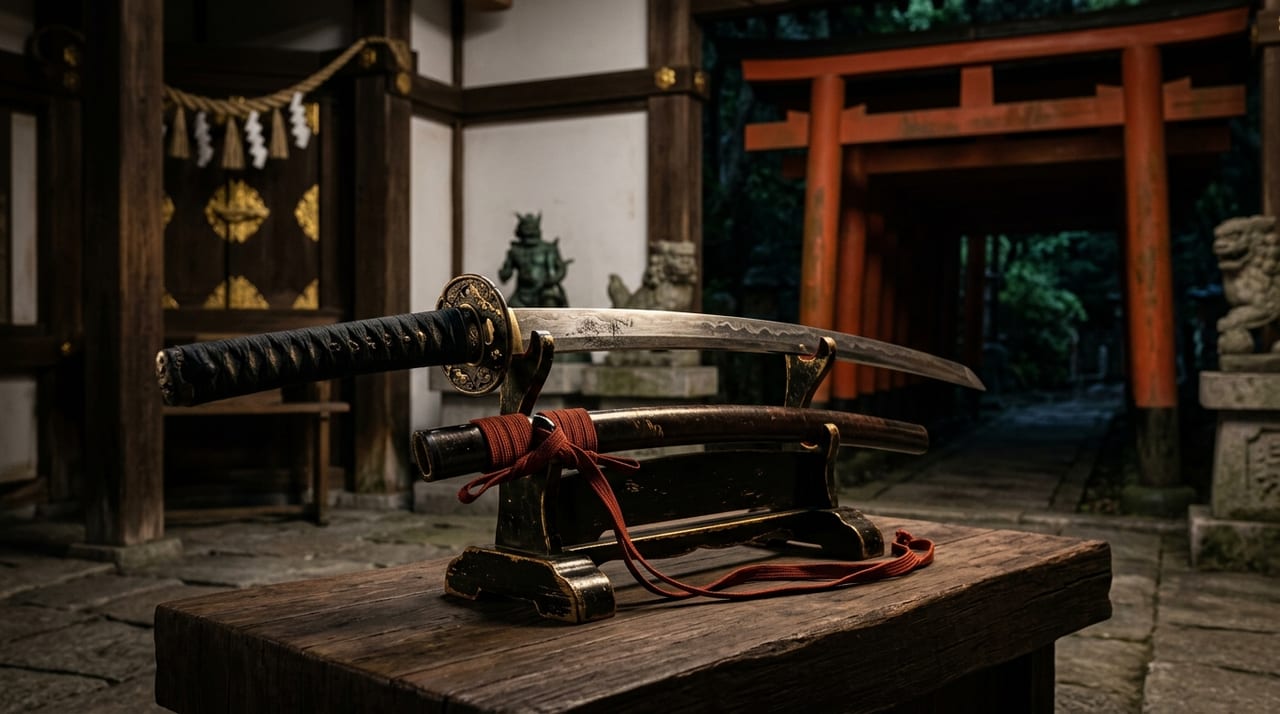
The growing worldwide interest in nihontō extends beyond a mere increase in commercial demand, leading to an expansion of exhibitions and research in museums and cultural institutions. From leading museums in Europe and North America to cultural institutions in Asia and cultural centers in developing countries, institutions that place nihontō at the core of their curated exhibitions are appearing one after another. This global "museumification" can be understood as a process of repositioning nihontō from mere weapons to world cultural heritage. The fact that the experience of "viewing" a sword has come to be shared across national borders is an event that is transforming the very way nihontō, as a craft genre, is received.
The Expansion of Nihontō Exhibitions in Western Museums
Museums of global authority, including the following, have begun planning nihontō as a standalone exhibition theme.
- The Metropolitan Museum of Art, New York
- The British Museum, London
- The Louvre, Paris
These exhibitions are an attempt to move away from the conventional treatment as "exotic crafts" and re-evaluate swords within the context of world art history. In this exhibition format, the following elements are presented in an integrated manner, deepening the international understanding of swords.
- Advanced metallurgical techniques
- Aesthetic refinement
- Historical and social context
At such museums, in order to avoid exposing the blade to light and humidity for extended periods, the practice of regularly rotating items on display is common even for permanent exhibitions, so visitors should bear in mind that they will not necessarily encounter the specific sword they are looking for on any given visit. The dates and exhibition lists for special exhibitions are generally announced on each museum's official website, making advance confirmation essential when planning a trip or visit.
Cultural Diplomacy and Regional Competition in East Asia
In East Asian museums in China, Taiwan, South Korea, and elsewhere, nihontō exhibitions have also become an important tool of cultural diplomacy. The display of nihontō outside Japan directly contributes to raising the international presence of Japanese culture. At the same time, comparative exhibitions alongside the sword traditions of each region throw into sharp relief the unique position of nihontō in East Asian art history. For example, exhibitions placing nihontō alongside ancient Chinese swords and traditional Korean swords illuminate the technical and aesthetic differences, producing an effect that makes the distinctive qualities of nihontō recognized internationally. Such comparative exhibitions also serve as a clue for visitors to understand in relative terms the formal characteristics that are difficult to notice when viewing nihontō alone — features such as the sori, the method of forming the hamon, and the design tendencies of the koshirae.
The Internationalization of Academic Research Foundations
Alongside the expansion of museum exhibitions, academic research on nihontō is also becoming internationalized. The number of specialists in nihontō research at universities in Europe and North America is increasing, and international academic societies and research networks are beginning to form. The diversification of academic interest — from material analysis and restoration research into manufacturing techniques to the elucidation of historical context — is promoting the international sharing of the body of knowledge on nihontō. Joint research in which institutions share collections and provenance records with one another, as well as symposia involving the mutual exchange of researchers, are also being conducted, and cases have emerged in which information regarding provenance and authenticity that would have been difficult to determine from a single museum's resources is supplemented by cross-referencing the materials of multiple institutions.
Collaboration with the Tourism Industry and Regional Revitalization
The expansion of museum exhibitions is generating spillover effects on regional economies through collaboration with the tourism industry. Visits to the Japanese Sword Museum, tourism to kaji workshops, and related cultural experience programs are becoming internationalized as tourism products. In regions where traditional tōshō are concentrated in particular, the increase in overseas visitors has become an important factor in regional revitalization, and a mutually supportive relationship has formed between the preservation of sword culture and the development of the tourism industry. Facilities that allow visitors to observe the production processes of togi and koshirae, and programs offering hands-on experiences combined with demonstrations, are also being established, and the expanding opportunity to engage with the process of completing a single sword — rather than simply viewing the finished product — is also a factor drawing travelers' interest.
Digital Archives and International Knowledge Sharing
The digitization of nihontō archives by museums and research institutions is also advancing. The international publication of high-resolution images, 3D models, and detailed descriptive materials means that knowledge about swords is freed from geographical constraints. Researchers and enthusiasts in remote locations are now able to study the collections of leading museums in detail, and the foundation for academic exchange is expanding. Even for readers who find it difficult to visit in person, browsing the online collection databases that each museum makes publicly available can in some cases allow them to check the hamon, the condition of the jigane, and the design of the koshirae to a certain extent, and these can also be utilized as material for research before traveling or for comparing the styles of tōkō and schools of interest.
The Difference Between Museum Appreciation and Personal Collecting and Ownership
Most nihontō held in museum collections are managed for the purposes of research, exhibition, and preservation, and the premise differs from an individual keeping a comparable sword at hand. While a museum's collection is ultimately an object for "viewing," when an individual owns or buys and sells a sword, the presence or absence of a kanteisho that can confirm authenticity and provenance becomes an important basis for judgment. Authentic nihontō in domestic circulation are often accompanied by a kanteisho from a specialist institution, which serves as one guide for distinguishing pieces whose provenance or authorship is difficult to determine. For readers who have deepened their interest in nihontō through museum exhibitions and are considering actually owning a sword themselves, understanding this system of appraisal and certification — which is difficult to gain from viewing exhibition pieces alone — will make it easier to take the first step into collecting.
The Rise in Recognition of Value as Cultural Heritage
The display of nihontō in museums is accelerating the shift in positioning from martial implements to works of art. This process raises the international appraisal of swords while also heightening a sense of social responsibility toward the preservation and transmission of manufacturing techniques. The movement toward UNESCO Intangible Cultural Heritage registration can also be understood as part of this cultural re-evaluation. The very placement of swords in the public space of a museum has the effect of encouraging in viewers a recognition of them as "cultural assets to be preserved," and this also contributes to building the social foundation that supports the transmission of the craft skills of artisans who produce swords.
Challenges and Prospects
One challenge in globalization is the concern that swords exhibited abroad will not be returned to Japan. There is also the dilemma that rising prices due to cultural heritage status reduce accessibility for younger generations within Japan. The task ahead is to overcome these challenges while building a foundation for nihontō to be continuously recognized and valued as world cultural heritage. The healthy development of both aspects — the experience of appreciation in museums and the collection and transmission of swords by individuals — will continue to hold important meaning in passing on nihontō as cultural heritage to the next generation.