The Nanbokuchō Upheaval and Tōkō Management — The Rapid Growth of the Forge and Technological Innovation Born from Wartime Demand
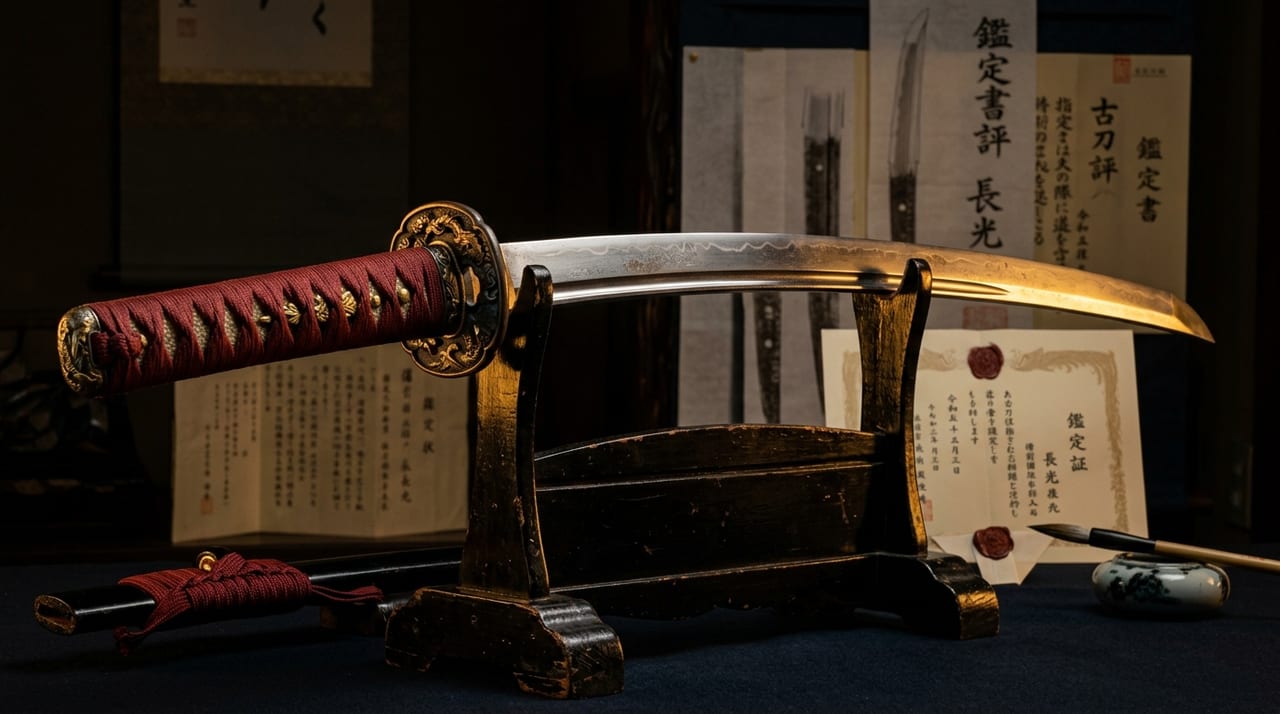 * Image is for illustrative purposes only.
Table of Contents
The Nanbokuchō period (1336–1392) is called the "golden age of tōkō" in the history of the Japanese sword. The rapid surge in demand for weapons caused by large-scale civil war brought about rapid expansion of the kaji industry and technological innovation. This article analyzes tōkō management and the economic fluctuations of the forge during this era.
The Nanbokuchō Conflict and the Explosion of Sword Demand
The Nanbokuchō upheaval lasted 56 years into the early Muromachi period. During this time, daimyo and shugo across the country required enormous numbers of swords.
Increased Demand from Warfare
- Rapid increase in troop numbers: Through the mobilization of the shogunate forces led by Ashikaga Takauji, the opposing Southern Court armies, and kokujin lords across the country, the number of combatants expanded to hundreds of thousands.
- Rising attrition rate: The rate of damage in open-field battles was high, and the lifespan of a single sword became shorter than usual.
- Frequency of equipment replacement: The gifting of swords as rewards for battlefield merit became more active.
Estimates suggest that several thousand to tens of thousands of swords were produced per year during these 56 years.
Geographical Distribution and Movement of Tōkō
In response to increasing demand, the movement of tōkō became more active.
Expansion of Sword-Production Centers
- Bizen (Okayama Prefecture): A major production center since ancient times, with hundreds of tōkō.
- Sōshū (Kanagawa Prefecture): Rose to prominence from the latter half of the 13th century to the first half of the 14th century.
- Kyoto: The base of the imperial court and old power structures.
During the Nanbokuchō period, however, forges across the country converted to sword production in response to demand. Kaji craftsmen in Kyushu (Satsuma and Bungo), Etchū (Toyama Prefecture), and even Owari entered sword production one after another.
Competition to Acquire Tōkō
Daimyo sought to secure talented tōkō under exclusive arrangements.
- The Ashikaga shogunal house: Made prominent tōkō in Kyoto direct retainers.
- The Ōuchi clan (daimyo of the Chūgoku region): Invited tōkō from Kyushu and Bizen.
- The Shiba clan (daimyo of the Tōkai region): Concluded exclusive supply contracts with skilled tōkō in Owari.
The "selling of one's service" and transfers of individual tōkō also became common, and the conditions of compensation and status guarantees improved rapidly.
Organization of the Forge and Technical Division of Labor
In order to meet the explosion in demand, the organization of the forge grew more complex.
Changes in the Composition of a Single Workshop
The traditional arrangement was a small-scale setup of one to three master tōkō and three to five apprentices. During the Nanbokuchō period, specialized division-of-labor craftsmen were organized under a single master tōkō.
- Preparatory forging craftsmen: Forged the basic shape of the blade (labor-intensive).
- Yaki-ire craftsmen: Specialists in water quenching and fire adjustment.
- Polishing craftsmen: Finish polishing (sometimes subcontracted to a separate craftsmen's group).
- Metal fittings craftsmen: Handled the fitting of habaki, mekugi, and other fittings.
Thanks to this division of labor, annual production under the same master tōkō increased to five to ten times the previous level.
Acceleration of Material Procurement
The supply of tamahagane required for sword production also increased rapidly.
Increased Operations of Tatara Smelting
In the Hii River basin of Shimane Prefecture (a major production center of tatara iron since ancient times), operations accelerated from the traditional two to three operations per year to a pace of one to two operations per month during the Nanbokuchō period.
As a result, the price of tamahagane rose moderately, and lead times for delivery to tōkō were shortened.
Compensation and Status of Tōkō
The economic status of tōkō improved dramatically.
Changes in the Compensation System
In the traditional system (the Kamakura period), compensation for one sword consisted of several koku of rice and clothing. During the Nanbokuchō period, this changed as follows.
- Base compensation: 10 to 20 koku of rice per sword (five to ten times the previous level).
- Special allowances: Grant of land holdings to prominent tōkō (treatment as warriors).
- Battlefield merit additions: Award of land grants (fields and paddies) in proportion to sword production.
Rise in Social Status
Tōkō came to be recognized as "daiku" (an elite profession commanding the same respect as architectural craftsmen). Some prominent tōkō, such as those of the Fukuoka Ichimonji School of Bizen, participated as senior retainers of daimyo in political consultations beyond sword production.
Technological Innovation and Diversification of Styles
The increase in demand and compensation simultaneously brought about technological innovation.
Development of New Hamon
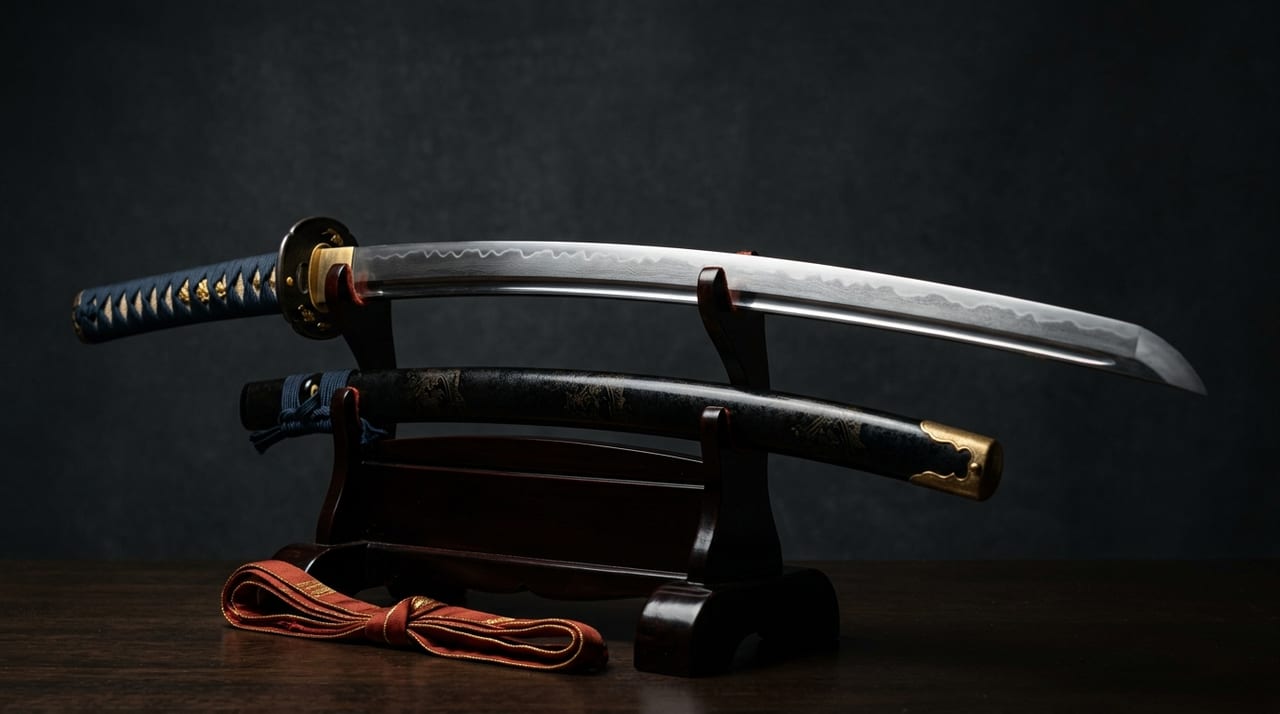
The gonome-ba and midareba established by the late-Kamakura Sōshū-den (Masamune and others) spread widely and developed during the Nanbokuchō period. Gonome-ba has an alternating wavy pattern with a continuous, powerful appearance, while midareba was further developed by the Sōshū school as a complex and splendid hamon.
These combined practical value (durability and cutting performance) with aesthetic value, and were prized among daimyo and warriors.
Distinctive Styles of Regional Tōkō
Swords with regional character suited to local demand were developed in various areas.
- Satsuma Tradition: A wide, powerful blade adapted to the fighting style of southern Kyushu.
- Etchū Tradition: Compact and lightweight, advantageous in mountain warfare.
- Owari Tradition: Emphasizing practicality, a lower-cost version meeting the demand of armed farmers.
The End of the Nanbokuchō Period and the Transformation of the Tōkō Industry
When the Nanbokuchō were unified in 1392, the warfare came to an end. Demand for swords dropped rapidly, and tōkō faced a turning point.
Industry Adjustment
- Many small-scale forges of the "wartime-response type" went out of business.
- Prominent tōkō workshops shifted to producing "high-grade swords for collectors."
- Technical division of labor contracted, and a return to individual workshops progressed.
However, the sword-making techniques and organizational know-how established during this period became the foundation for the subsequent development of sword-forging.
Summary
The warfare of the Nanbokuchō period brought about the "golden age" of the tōkō industry. The explosion in demand raised compensation and rapidly elevated the social status of tōkō. At the same time, organization, division of labor, and technological innovation accelerated. The hamon and styles that spread and developed during this period continue to be respected to this day as classics of Japanese sword aesthetics. The technological and economic legacy born from the negative phenomenon of warfare must be assessed in its proper historical perspective.