Manga, Anime, and Japanese Sword Accuracy — The Precision and Fiction Depicted in "Demon Slayer" and "Rurouni Kenshin"
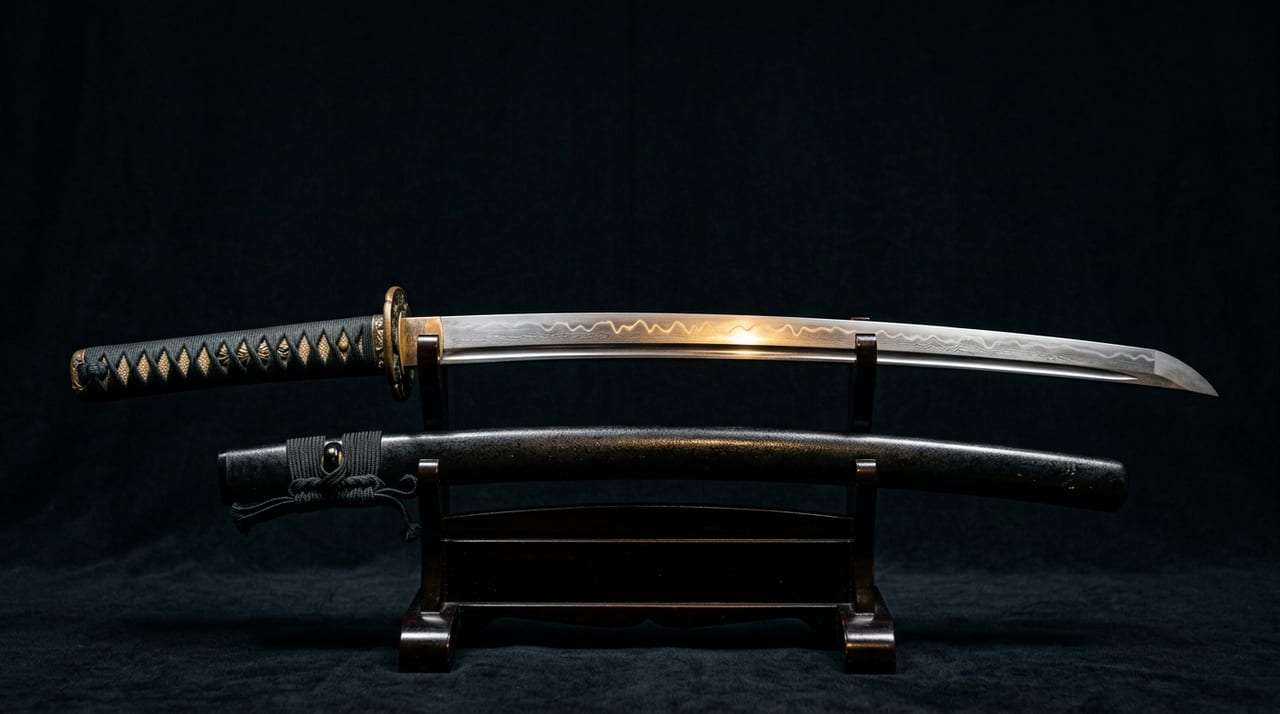 * Image is for illustrative purposes only.
Table of Contents
The Fact That Manga and Anime Have Spread Japanese Sword Culture
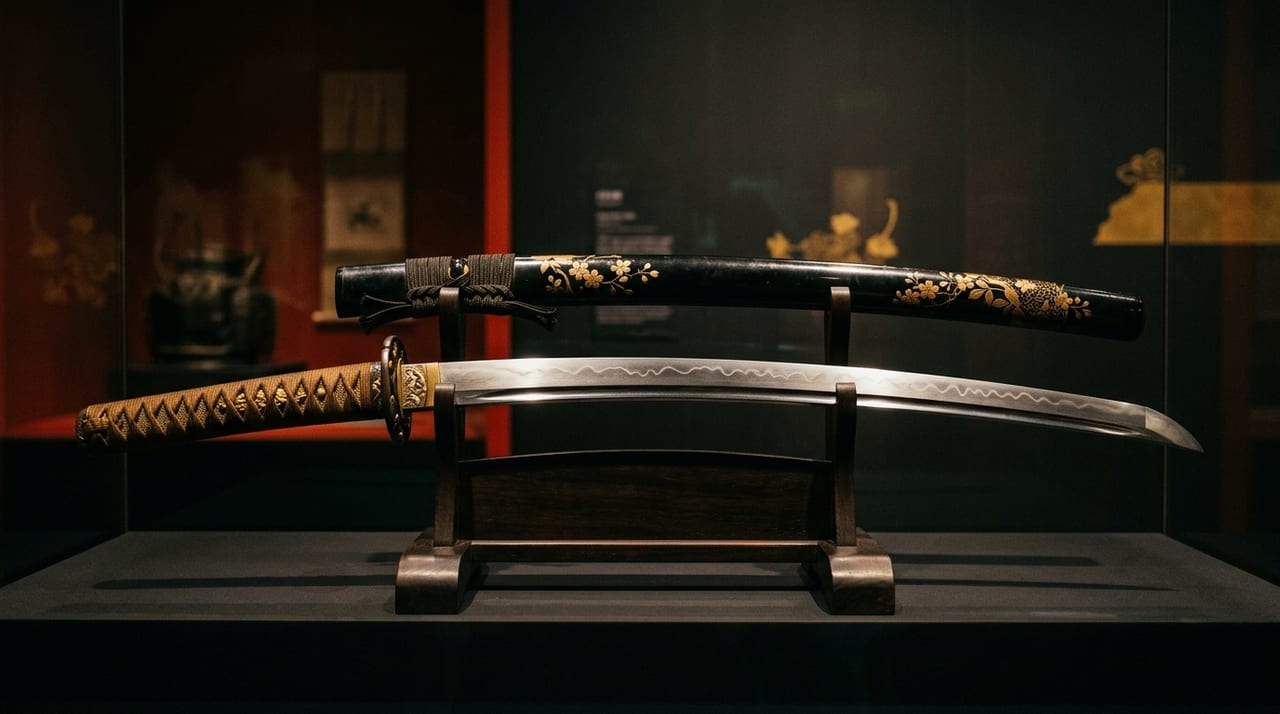
"Demon Slayer," "Rurouni Kenshin," "Katanagatari," "Spirited Away," and other representative Japanese manga and anime works frequently feature Japanese swords. In particular, "Demon Slayer" achieved explosive success both domestically and internationally, and the motif of the nichirintō used by Kamado Tanjirō became an opportunity to heighten interest in Japanese swords. The increase in visitor numbers at the Japanese Sword Museum and the revitalization of the sword market following the Tōken Ranbu boom are not unrelated to the influence of such manga and anime.
However, the depiction of swords in entertainment does not necessarily align with the actual culture, construction, and history of Japanese swords. Coming to understand "what is close to historical fact and what is creative exaggeration" — within a range that does not diminish the appeal of the works — serves as a gateway to deepening one's understanding of Japanese swords.
The Sakabatō in "Rurouni Kenshin" — Does It Really Exist?
The sakabatō used by the protagonist Himura Kenshin in "Rurouni Kenshin" is a sword in which the blade and mune (back of the blade) are arranged in reverse from normal, designed with the setting of subduing opponents without cutting. Does this "sword with the blade facing the mune side" actually exist in Japanese sword culture?
To state the conclusion first: the sakabatō is a purely fictional concept. The hamon, jigane, and direction of sori in a Japanese sword are all designed on the premise of a structure with "the blade facing outward," and even if a blade were attached to the mune side, yaki-ire (quenching), sori formation, and fitting into the saya would fundamentally not work in reality. However, mine-uchi — striking with the slightly rounded mune of a single-edged blade — was an actual technique, and is recorded in historical sources as a means of subduing opponents without killing them. The logic behind the concept of the sakabatō can be felt to lie along the extension of this mine-uchi.
The Nichirintō in "Demon Slayer" — From the Perspective of a Tōkō
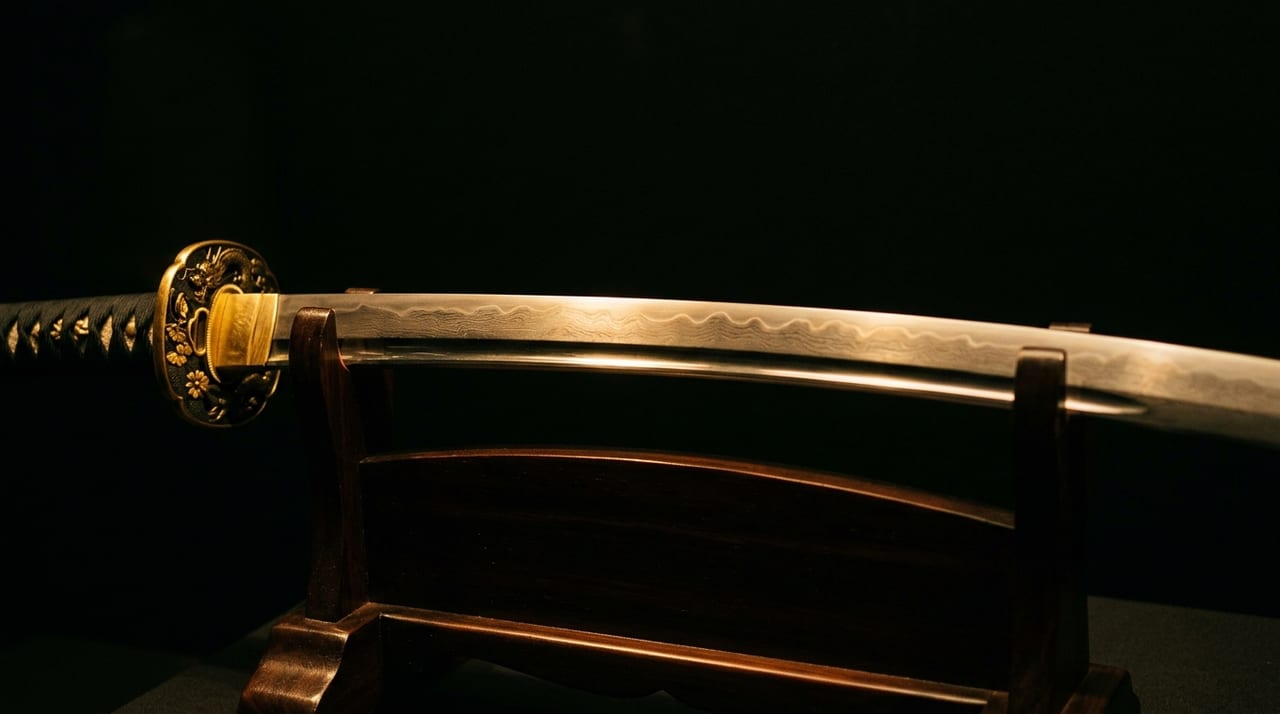
The nichirintō that appear in "Demon Slayer" have the setting that the color of the blade changes according to the physique of the wielder. No such color-changing function exists in real Japanese swords, but from the perspective of the diversity of hamon, it is certainly true that actual swords take on extremely individual expressions depending on the combination of wielder and tōkō.
Also, in the work there are frequent depictions of Tanjirō's nichirintō breaking or chipping, but care is needed regarding the actual strength of Japanese swords. A Japanese sword forged from high-quality tamahagane is designed to be resistant to simple breaking through a two-layer structure of "flexible steel and hard blade" (kawagane and shingane). However, it is also historical fact that chipping and breaking occurred on the battlefield and in actual combat, and there are records of warriors in the Sengoku period carrying multiple swords. While it is a manga-style exaggeration, it is interesting that it reflects a facet of the historical fact that swords were also consumables.
Historical Period Settings and Sword Types — The Accuracy of Research
"Rurouni Kenshin" is set in the Meiji period, and this is consistent with a period setting in which the uchigatana was mainstream. The period depicted around the time before and after the implementation of the Sword Abolishment Edict (Haitōrei) (1876) nearly follows historical fact as the last era in which samurai wore swords.
On the other hand, action depictions such as "fighting multiple enemies alone" and "bisecting a human body with a single stroke" differ greatly from the actual practice of kenjutsu and the use of Japanese swords. As practitioners of iai and classical kenjutsu point out, actual cuts with a real sword require precision and weight transfer, and the manga-style "superpower" type of expression is purely an entertainment exaggeration.
Depictions of Tōsōgu and Koshirae
In the depiction of Japanese swords in manga and anime, the accuracy of research into tōsōgu (sword fittings) — tsuba (hand guard), tsuka (hilt), and saya (scabbard) — tends to be polarized. In works that use actual swords as motifs, such as "Tōken Ranbu," the shapes of tsuba and the designs of koshirae are often based on historical tōsōgu.
On the other hand, in works featuring originally designed swords, the functional beauty of actual tōsōgu is often omitted.
- The fit of the sword and saya
- The blade-stopping function of the tsuba
- The role of menuki in fixing the tsuka
This can be understood as a simplification for the purposes of expression, but for readers interested in actual tōsōgu culture, it can also become an opportunity to research real koshirae.
The Impact of Manga and Anime on the Sword Industry
The influence of entertainment has manifested in the diversification of the age range and entry points of Japanese sword collectors and enthusiasts. Japanese sword collecting was once considered a hobby centered on middle-aged and older men, but since the manga and anime boom of the 2000s, cases of younger generations — particularly women — developing an interest in Japanese sword culture have increased.
Many on-site voices from the Japanese Sword Museum and sword markets report that younger visitors have increased. For such people, manga and anime serve as a "gateway," and the subsequent expansion of interest into the history, artistic value, and craftsmanship of actual swords is a welcome change from the perspective of preserving Japanese sword culture.
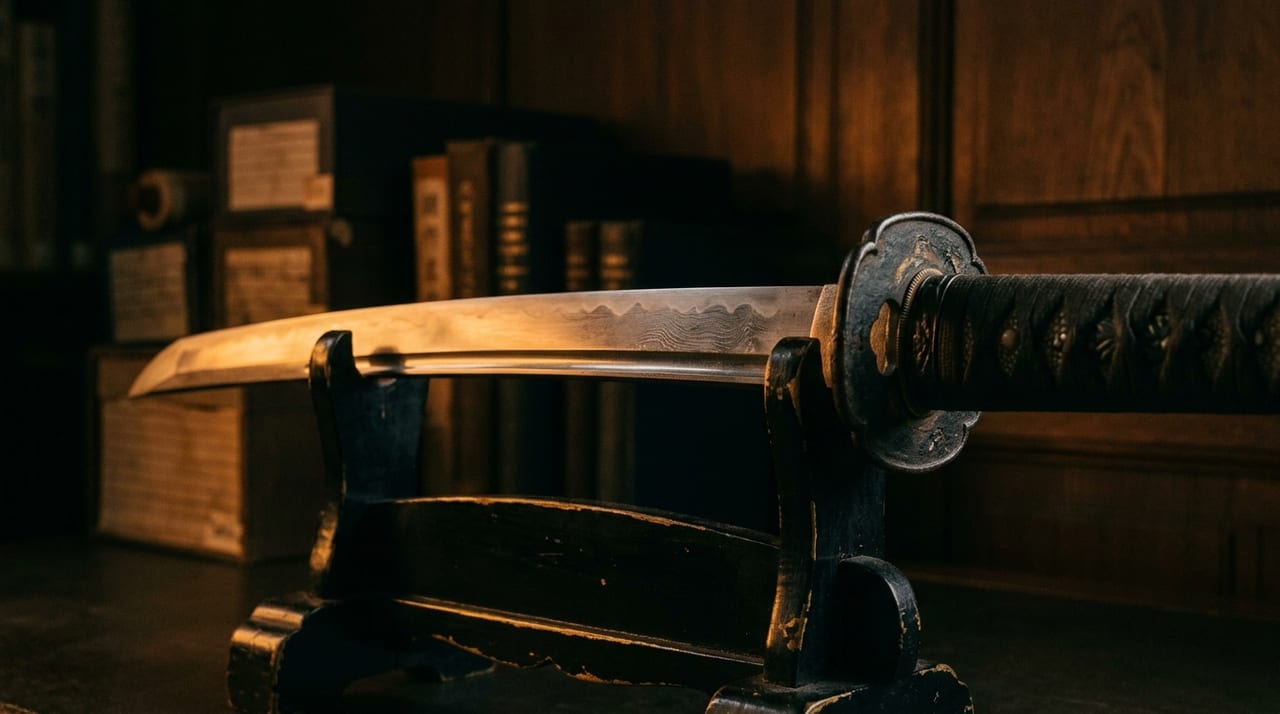
When readers who first became interested in Japanese swords through manga and anime encounter the actual form of swords — the hamon floating on the jigane of tamahagane, the nakago bearing the mei of a master swordsmith, a single blade with a provenance spanning hundreds of years — they can discover an authentic appeal that transcends fiction.
From Fiction to Reality — Enjoying the Experience with Accurate Knowledge
Rather than criticizing manga and anime depictions as "differences from historical fact," adopting the perspective of "seeking in actual Japanese sword culture the answers to the questions posed by fiction" leads to a richer way of enjoying them. If you rephrase the color change of the nichirintō as "the individuality of the hamon that changes through yaki-ire (quenching)," you can see why actual tōkō are so particular about the formation of hamon. The concept of the sakabatō generates "interest in mine-uchi as an actual technique."
For someone who entered the world of Japanese swords through the door of manga and anime, picking up an actual work and touching its weight, the way the jigane catches light, and its quiet beauty, they can discover a depth of authentic swords that fiction could not fully express — surely such an experience is the greatest value in the coexistence of manga, anime, and Japanese sword culture.