Neuheiten — Aktuelle Neuzugänge finden Sie in unserem Katalog. Ansehen →
Einblicke in das Wissen über japanische Schwerter und die Kultur
CT and 3D scanning technology are revolutionizing the recording and preservation of Japanese swords. From digital preservation of the hamon (刃文) to virtual exhibitions, this article explains the cutting-edge efforts and challenges in the field.
Buoyed by favorable yen exchange rates and growing overseas demand, the Japanese sword export market is experiencing significant transformation. This article provides a clear expert perspective on how the maturation of collector culture across Europe, North America, and Asia—combined with the complex regulatory landscape across nations and the emergence of online sales platforms—is reshaping the sword industry.
In an age when games and anime attract young people to Japanese sword culture, the industry faces a challenge in cultivating next-generation collectors and sustaining tradition.
NFT and blockchain technology are beginning to transform how Japanese swords are documented, authenticated, and traded. This article explores the emerging intersection of centuries-old blade culture and cutting-edge digital ownership models.
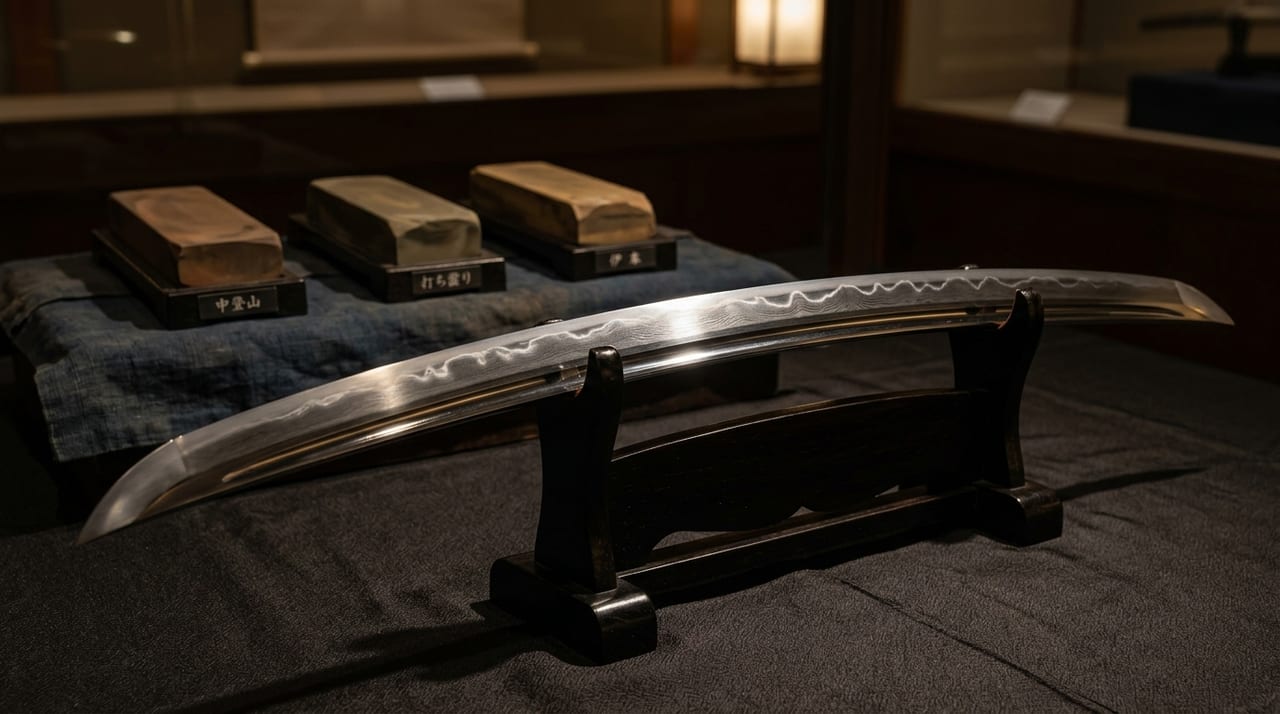
The skill of polishing masters (togishi) who bring out the beauty of Japanese swords is a complex technical system where metal engineering and traditional aesthetics intersect. From foundational polishing to finishing polish, this article details the process through which the science of whetstones and the craftsman's intuition breathe life into a single blade.
From the austere iron guards of the Koto period to the ornate fittings of the Edo era, this article explores the defining characteristics of major tsuba schools—Higo Kinko, Shoami-ha, and Umetada-ha—and guides readers into the art of appreciation and collecting.
Tachi and katana fundamentally differ in how they are worn, dimensions, curvature, and purpose. This article explains historical transitions and appraisal methods from a professional perspective.
From the Kamakura period to the Bakumatsu era, this article traces the evolution of the tanto through its forms, cultural roles, masterworks, and enduring value as a collector's art object.
From the historical formation of the daisho pair to the wakizashi's unique roles and the aesthetic unity of matched fittings, this article explores the cultural heart of the Japanese sword tradition.
Hagire (刃切れ) is one of the critical flaws in Japanese swords. If overlooked during appreciation or purchase, it risks significantly diminishing value. This guide explains the causes of hagire, identification methods, and practical countermeasures.
The 260 years of peace during the Edo period transformed the Japanese sword from a practical weapon into a symbol of status and a work of art. This article examines the deepening of sword-making and appreciation culture brought about by this transformation.
Japan's four seasons can both protect and damage swords. Learn seasonal storage strategies for rainy season humidity, winter condensation, and summer temperature swings.