最新消息 — 最新入荷資訊請查閱商品目錄。 查看 →
深入了解日本刀知識與文化的見解
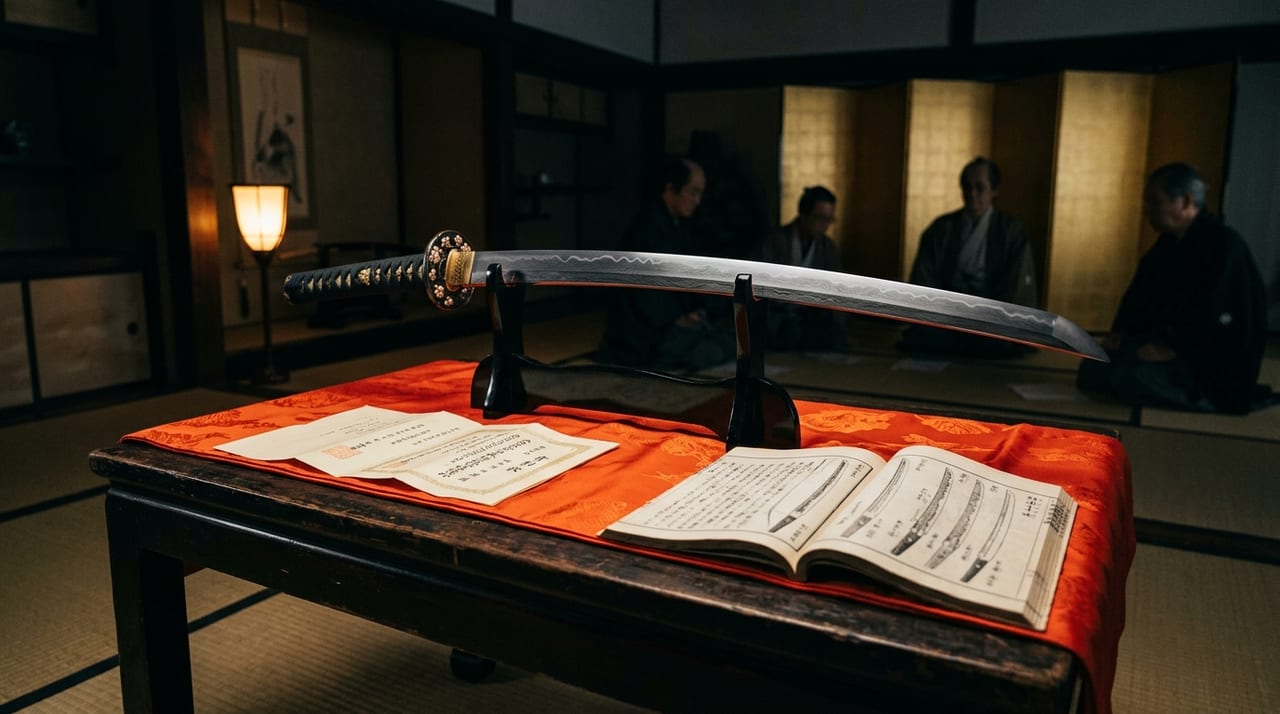
The difference between Showa industrial swords and traditional nihonto extends far beyond appearance. Steel composition, crystalline structure from forging, quenching methods — this article analyzes the scientific basis for distinguishing authentic forged blades from industrial Showa-to, with practical implications for appraisal.
The Showa-era Japanese sword world split sharply between mass-produced industrial swords and authentically crafted nihonto. This article examines the crisis of quality degradation facing the sword world during this period and the stories of smiths and preservationists who fought to maintain traditional standards.
Soshu-den — the Kamakura tradition established by Masamune, Sadamune, Hiromitsu, and Akihiro — represents nihonto's most powerful aesthetic. Characterized by explosive nie activity, bold hamon, and strong jihada, this tradition shaped all subsequent sword-making. This article profiles the school's masters and their distinctive approaches.
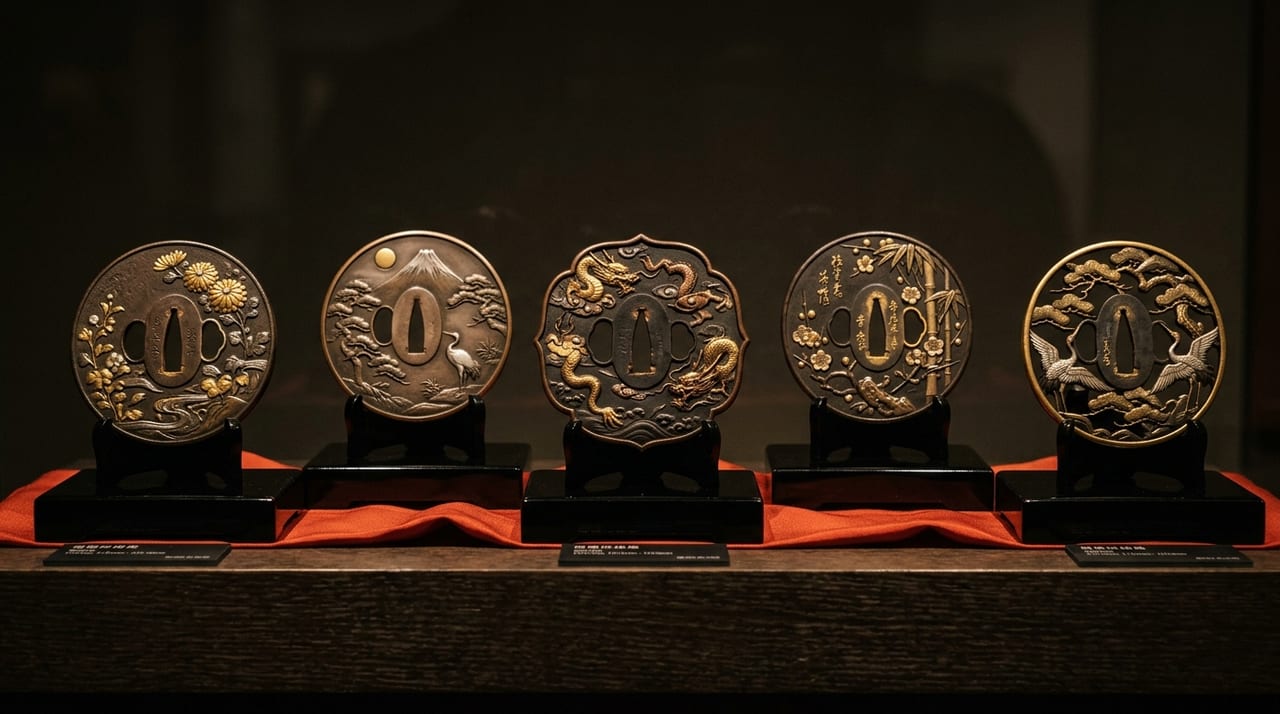
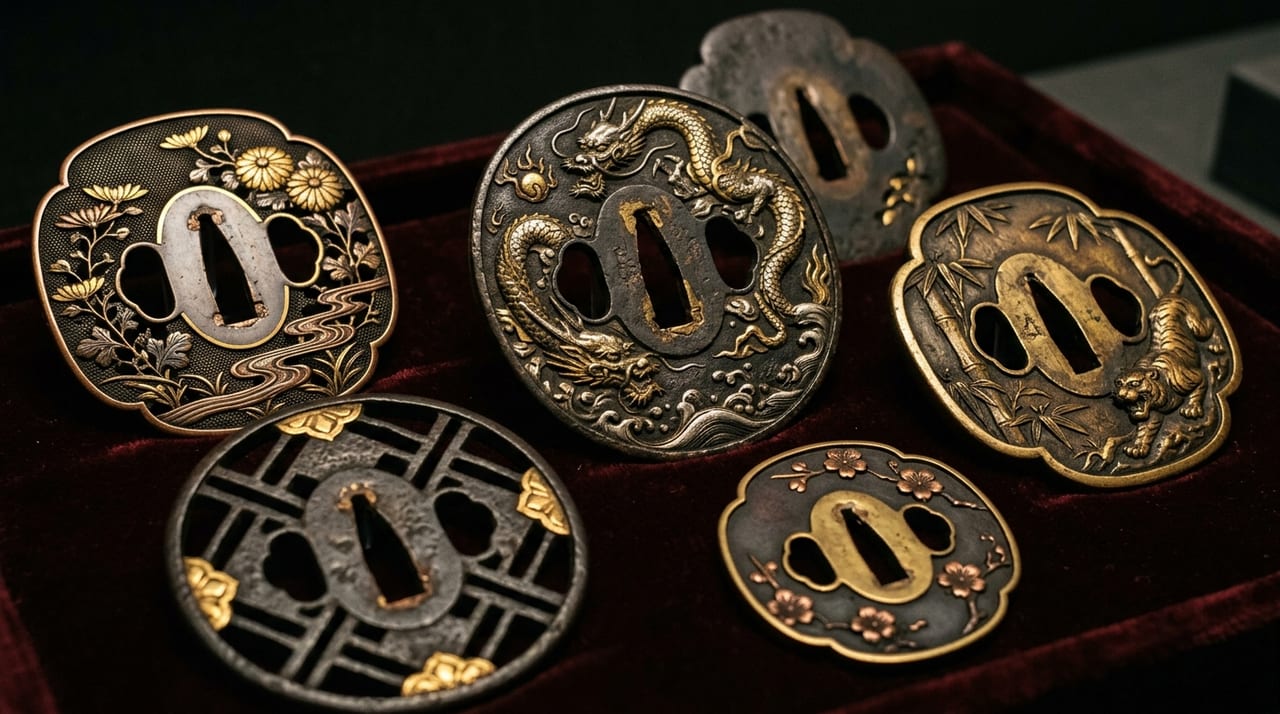
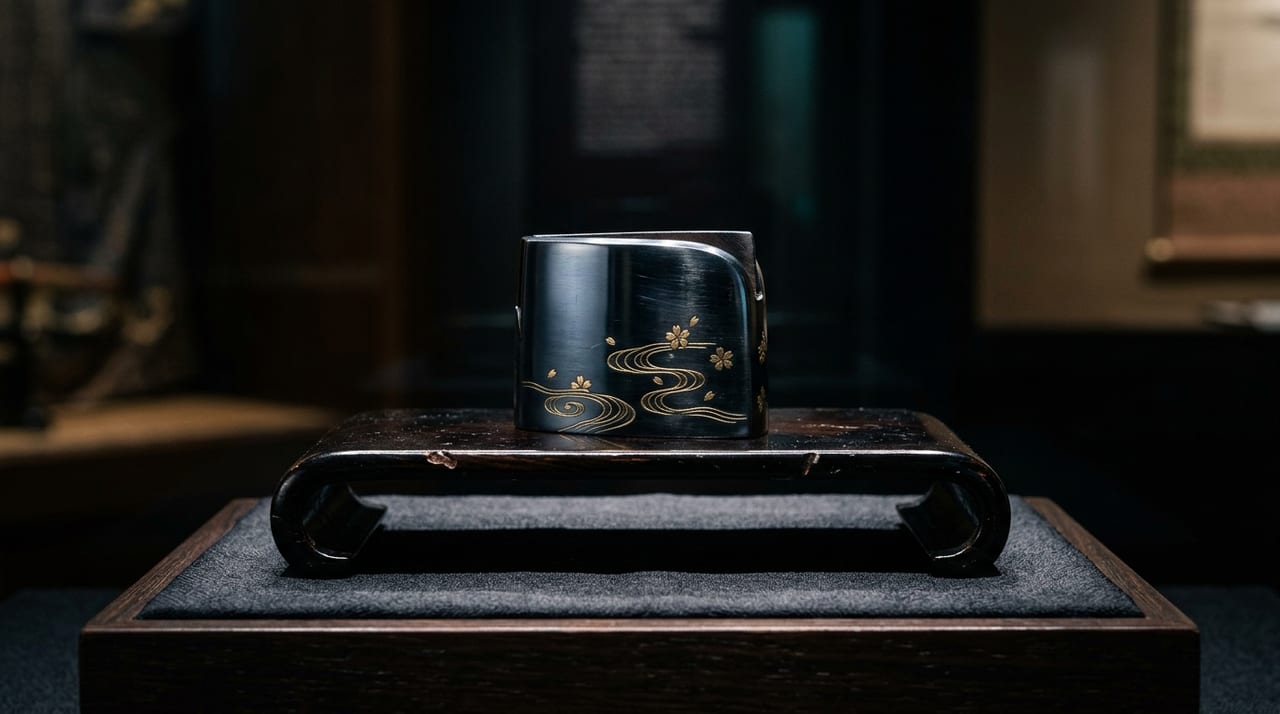
A comprehensive guide to sukashi (openwork) tsuba — explaining ji-sukashi, yo-sukashi, and ryo-sukashi techniques, motif categories, the historical development of openwork styles by school and period, and how to appreciate these distinctive sword guards.
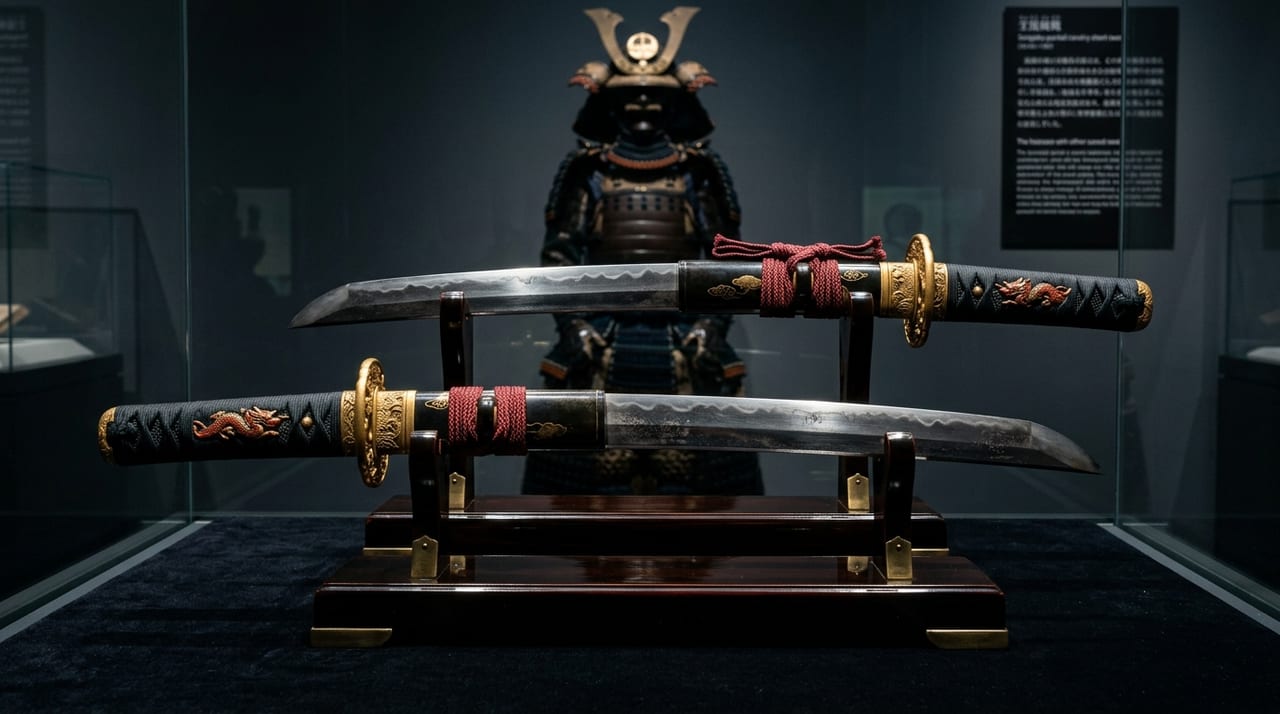
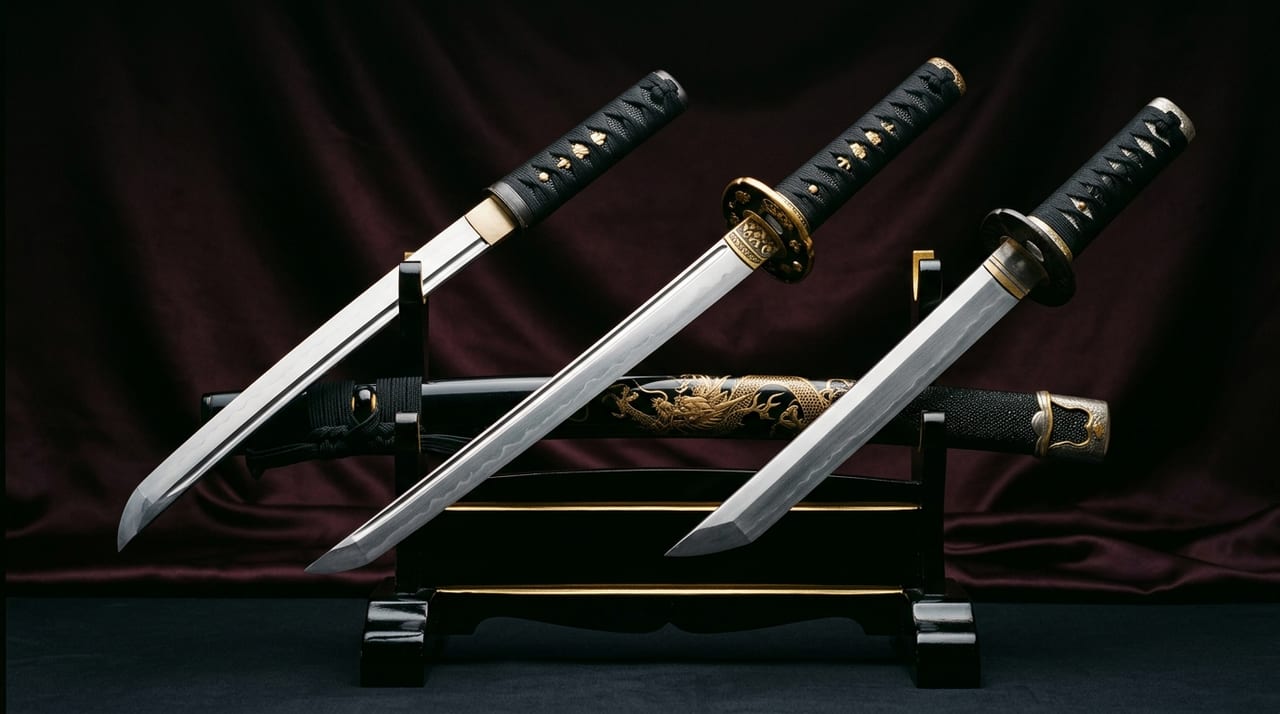
Sunnobi tanto are daggers exceeding one shaku (approx. 30 cm) in blade length but shorter than a wakizashi — occupying a distinctive middle ground. This article explores why this unique length emerged during the Nanbokucho and Muromachi turmoil and how to appreciate these blades.
In the immediate aftermath of Japan's August 1945 surrender, GHQ's disarmament campaign led to the confiscation of millions of swords. As treasured blades were melted down and tradition faced extinction, Japan's sword preservation movement emerged to reclaim nihonto's status as cultural heritage. This is that history.
Selling nihonto online requires mastery of three pillars: legal compliance, cross-border e-commerce infrastructure, and SEO strategy. This guide covers dealer licensing, export permits, multilingual site building, and organic search acquisition from Japan and abroad.
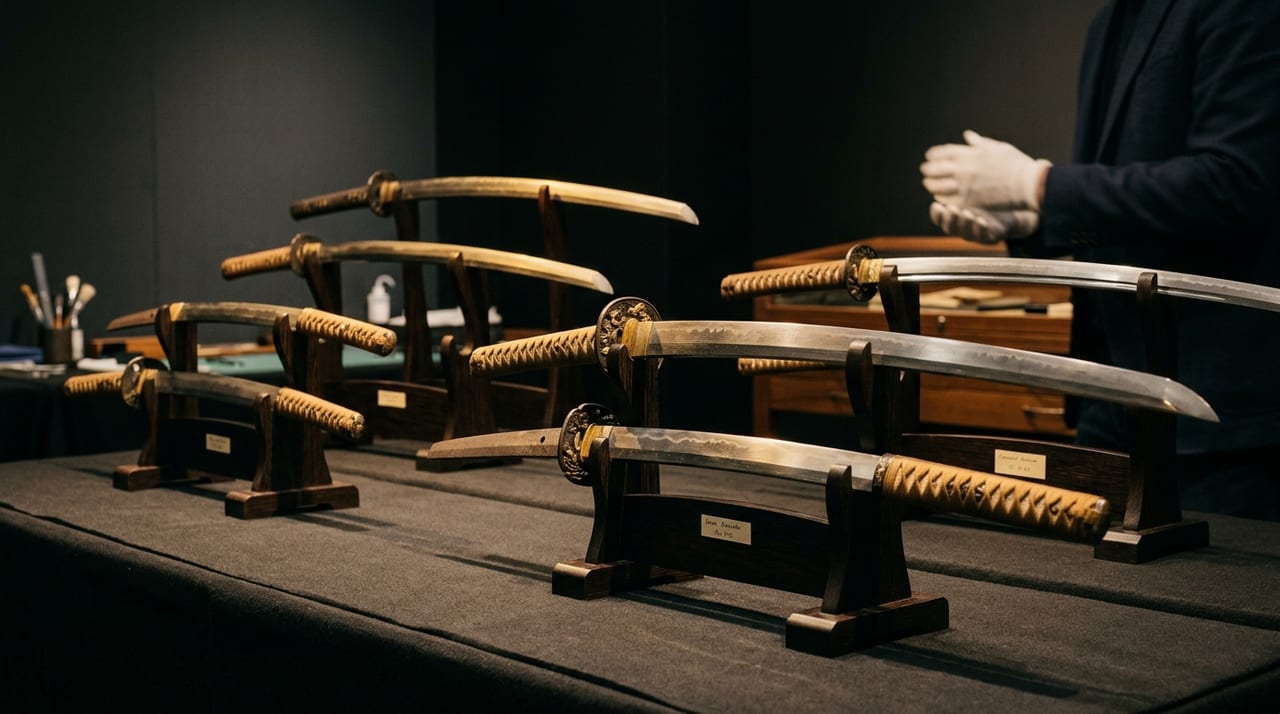
A comprehensive guide to practical knowledge and strategies for Japanese sword dealers seeking success in international markets—from export procedures and pricing strategy to language support, building trust, and troubleshooting issues.
The Japanese sword industry has distinct apprenticeship systems for smiths, polishers, scabbard makers, and dealers. This article examines the current realities — entry conditions, training periods, living costs, and paths to independence — and their implications for industry succession.
With the increasing number of foreign visitors to Japan, the Japanese sword industry faces new opportunities. This article explores the fusion of tourism and industry through blacksmith workshops, sword-making experience programs, and international collector sales, while clarifying the necessary legal knowledge.
Owning fine swords is not enough in today's competitive market. This guide covers practical PR strategies for sword dealers and smiths: securing media coverage, exhibiting at events, and building a compelling brand story that attracts collectors from Japan and overseas.
An expert analysis of how challenges facing tamahagane production—including resource depletion, succession crises, and rising costs—intersect with growing international interest to shape the future viability of Japan's traditional sword industry.