最新消息 — 最新入荷資訊請查閱商品目錄。 查看 →
深入了解日本刀知識與文化的見解
The current state of 3D scanning and AI authenticity appraisal, the intersection of NFTs and Japanese swords, the spread of virtual auctions, the impact of SNS on acquiring young collectors, and examples of digital transformation initiatives in the sword industry are explained.
The mei (signature) cut into a nihonto's nakago (tang) is simultaneously the blade's identity document, a calligraphic art form, and a technical craft unto itself. This article covers mei types (front/back), script styles, tools, school-specific characteristics, and how experts detect forgeries.
Major institutions from the British Museum to the Musée Guimet hold significant collections of Japanese swords. This article explores how nihonto came to be preserved around the world and the cultural diplomacy role these collections play today.
Japanese sword polishing is a precise task that begins with "foundation polishing" (shitaji-togi) and proceeds through multiple finishing stages, where the polisher (togishi) brings out the beauty of the blade pattern (hamon), ground steel (jigane), and point through each application of whetstones. This column provides detailed explanation of all steps including the whetstones used, their purposes, and technical points.
From a mandatory five-year government-supervised apprenticeship to the realities of a twenty-four-sword annual production cap, this piece examines the economic and human challenges facing Japan's modern swordsmiths.
The togishi—Japanese sword polisher—stands as an independent master craftsman equal in status to the swordsmith, wielding natural whetstones and fingertip sensitivity to reveal the hamon and jihada hidden within the steel. This article explores the craft's techniques, philosophy, and the modern crisis of vanishing natural stones.
From domestic sword fairs and specialized auctions to Christie's and Bonhams international sales, tsuba trade across multiple venues. This guide covers research methods, market price assessment, and practical bidding strategies for collectors.
The tsuba market contains later replicas, altered signatures, and condition misrepresentation. This article explains the methods used by professional appraisers to authenticate tsuba, covering iron patina, signature analysis, and carving characteristics.
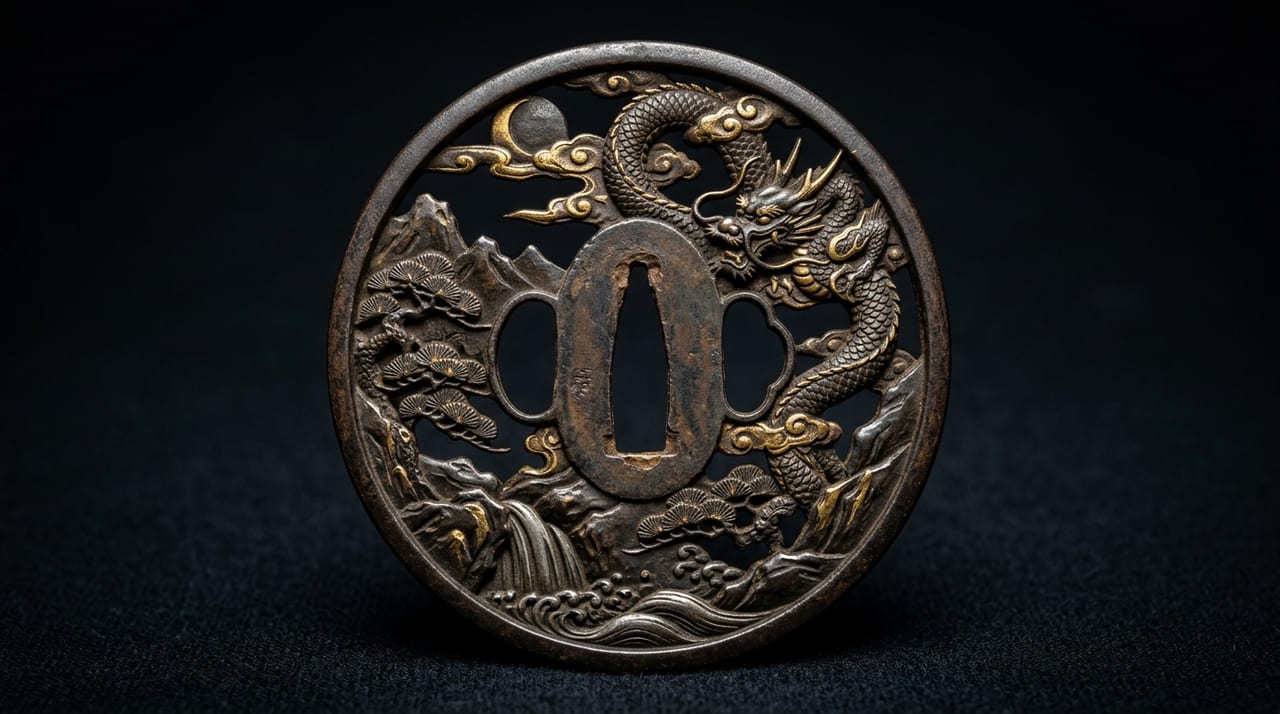
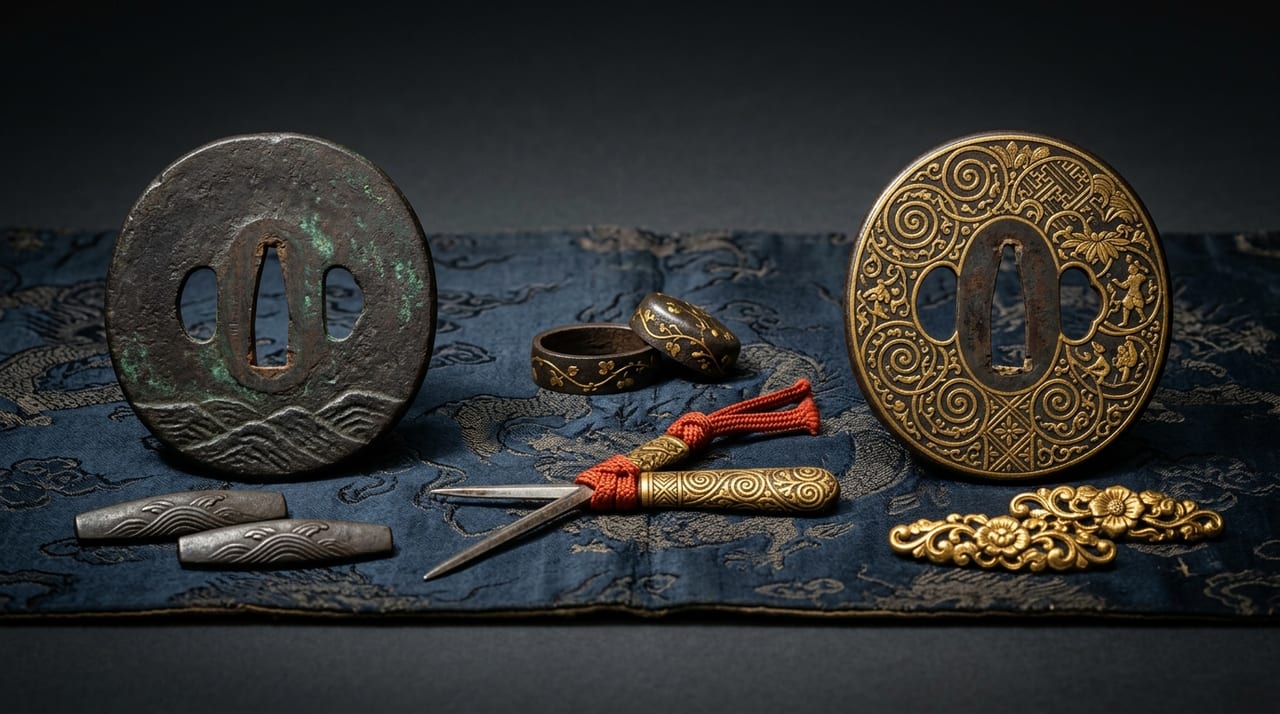
A comprehensive guide to the carving techniques used in tsuba decoration — ke-bori (hair engraving), katakiribori (oblique chisel carving), maru-bori (round carving), taka-bori (high relief) and others — explaining their principles, visual effects, use contexts, and identification points for collectors.
Tsuba (sword guards) offer an accessible entry point into nihonto collecting, with a wide range of price points and schools. This guide covers the 2026 tsuba market, major auction trends, and practical advice for new collectors.
The ground metals of tsuba — shakudo, shibuichi, gold, silver, and iron — each have distinctive chemical properties and visual characteristics. This article explains the composition, color, treatment, and aesthetic rationale for material choices across different schools and periods.
International collecting of tsuba dates to the late 19th century, and strong overseas demand continues today. This article examines major foreign collections, auction data, cultural contexts, and practical guidance for Japanese sellers and foreign buyers navigating the international tsuba market.