最新消息 — 最新入荷資訊請查閱商品目錄。 查看 →
深入了解日本刀知識與文化的見解
The Osaka Campaign (1614-1615) revealed how siege warfare at Osaka Castle rendered traditionally favored long blades disadvantageous in confined spaces. Veteran warriors' practical experience fed back into the sword market, prompting sword makers to redesign their craft. Rather than simply shortening blades, they pursued a complete redesign philosophy to maintain cutting performance and durability. The resulting Edo-period uchigatana (打刀) form exemplifies how battlefield experience transformed sword design.
Sword dealers (刀剣商) face succession crises as tacit expertise in appraisal (目利き) and customer relationships resist transmission. The article examines why young people abandon family businesses—economic uncertainty, higher education, urban migration—and challenges in valuing inventory for inheritance. It explores emerging solutions through digitalization and online sales while analyzing implications for sustaining authentic Japanese sword (nihonto) culture as expert dealers decline and new enthusiasts emerge through digital media.
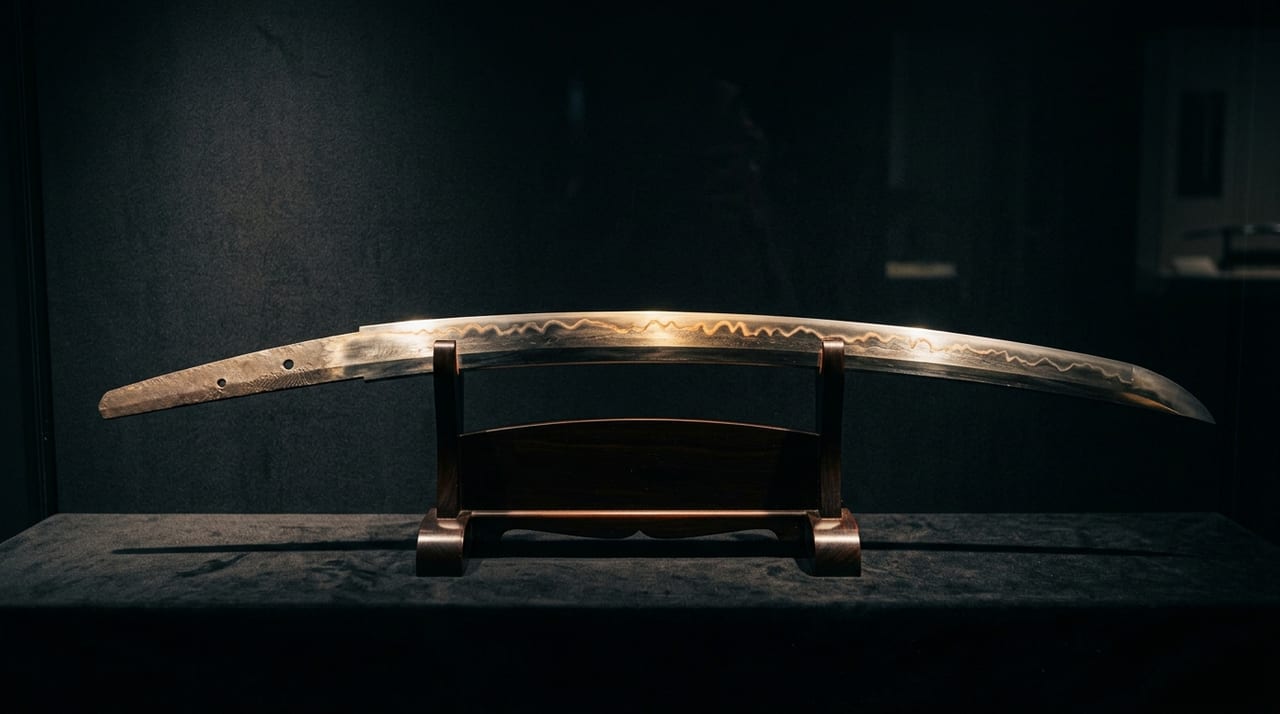
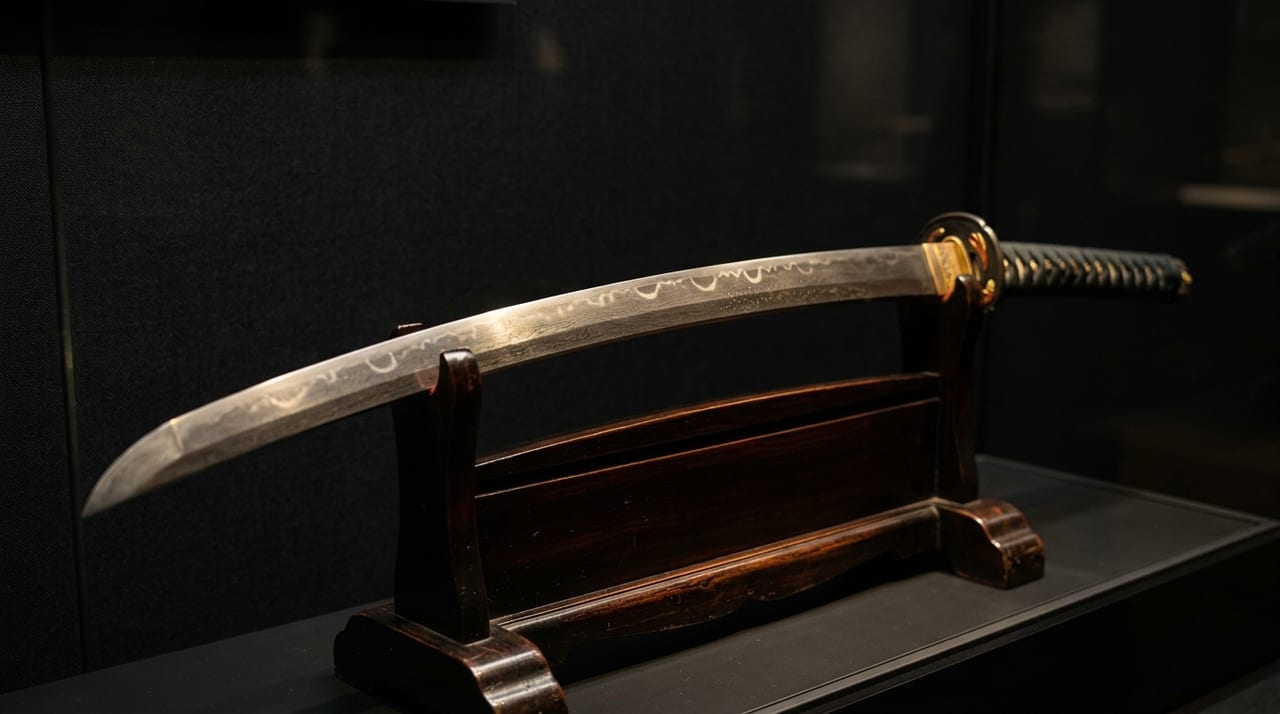
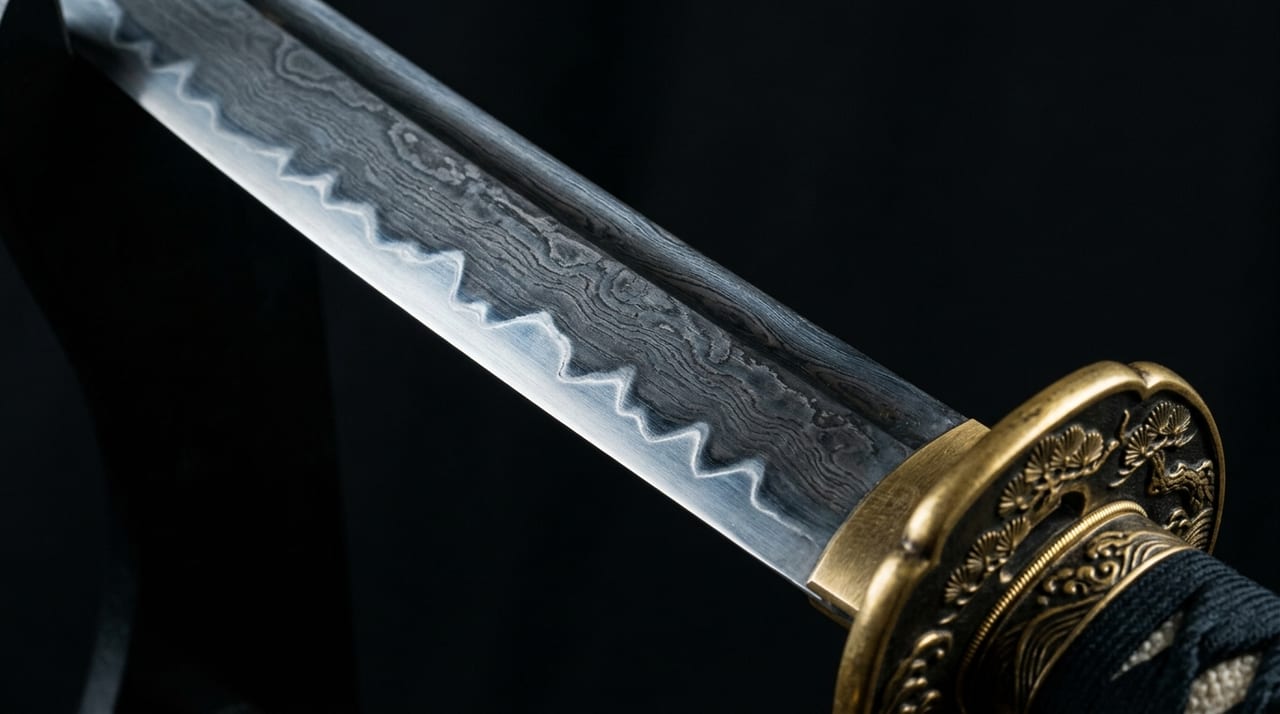
Osafune Kanemitsu was a master swordsmith of the Bizen Osafune school active during the Nanboku-cho period (14th century). Renowned for large-scale tachi and naginata-length blades, his works feature bold hamon (刃文) patterns with expansive midare (undulating forms) and distinctive utsuri (映) in the steel. These pieces demonstrate the advanced forging techniques and artistic sophistication he developed to meet the warfare demands of his era.
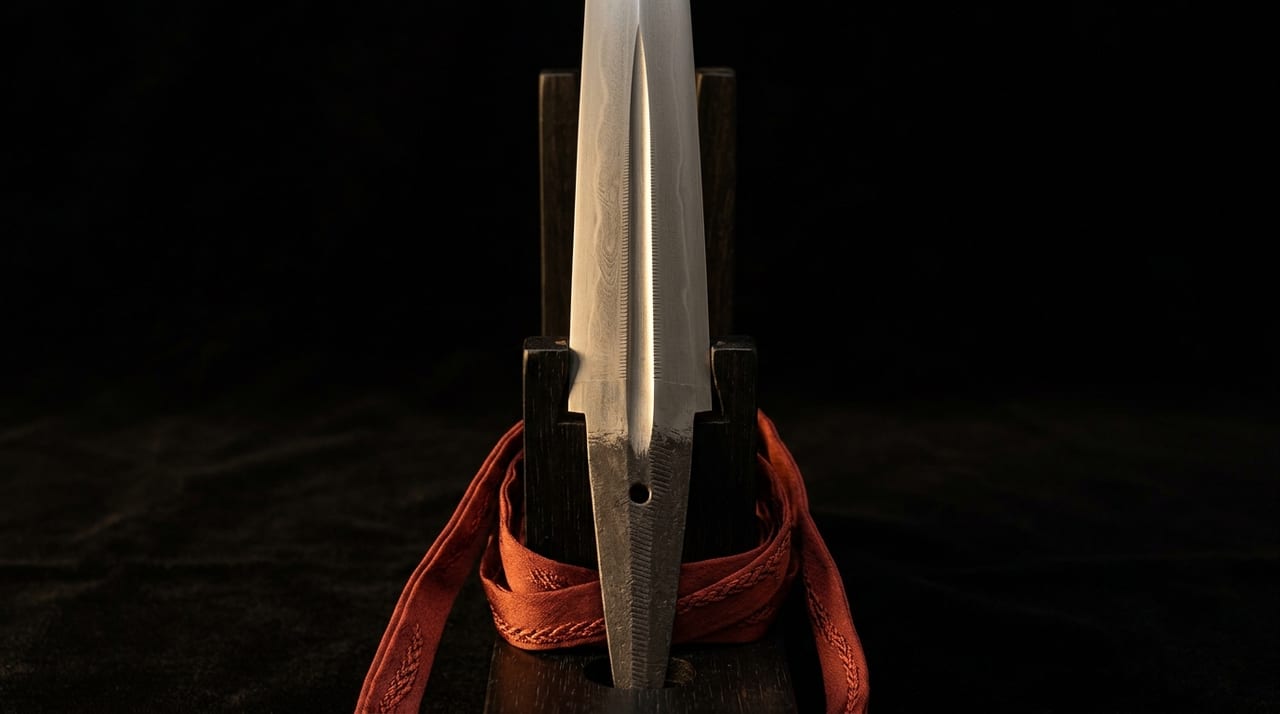
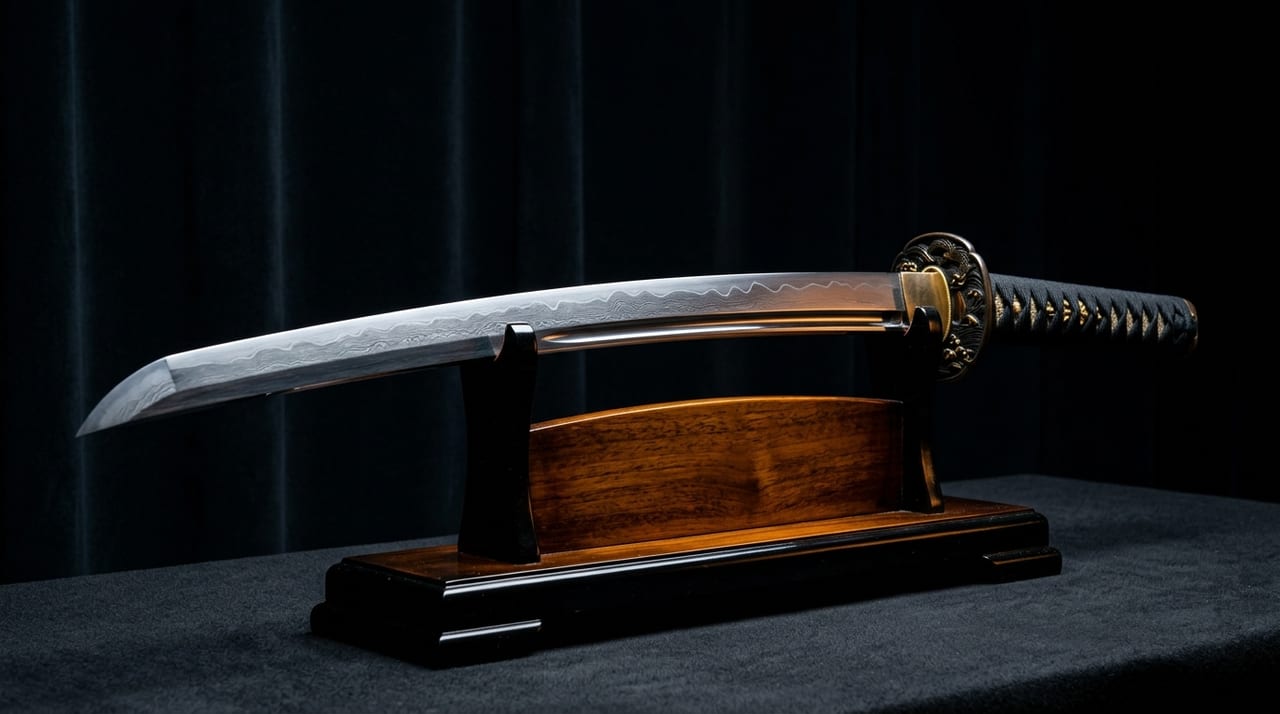
The mune (棟) is the ridge line on the back of a Japanese sword blade, classified into four main types: iori-mune (庵棟), maru-mune (丸棟), kaku-mune (角棟), and mitsu-mune (三ッ棟). The shape and finishing techniques of the mune reflect each sword-making school's technical traditions and preferences of the era, serving as key factors in dating swords and determining their attribution to specific smiths and schools. This article explores the practical aspects of appreciating and authenticating Japanese swords through careful observation of the mune.
Modern sword craftsmen increasingly use electric grinders, furnaces, and other equipment, raising questions about tradition in Japanese sword-making. This article explores how Japan's Cultural Agency and NBTHK certification standards address these developments, and presents three contrasting perspectives: prioritizing finished quality, emphasizing traditional hand techniques, or focusing on traditional materials (tamahagane) and core methods. The article also discusses electric furnaces' research value and limitations in reproducing traditional aesthetic qualities of historically-forged blades.
Explains the actual state of the imitation sword and iaido practice sword industry, which differs from authentic Japanese swords in all aspects—legal regulations, manufacturing processes, and distribution channels. Organizes the industry structure, from domestic manufacturing centered on Seki City, competition with inexpensive foreign products, to the intersection of the iaido population and the authentic Japanese sword market.
Explores decarburization (脱炭, dattan) and burn (焦げ, yake), surface oxidation phenomena in Japanese sword forging that damage blade quality. Covers three core prevention techniques: precise temperature control using fire-color judgement (火色, hiiro), minimized heating time, and protective agents like straw ash (藁灰, warabai) applied as flux. Discusses active removal of burnt sections during forging and polishing methods for addressing minor defects.
This article covers magnetization of Japanese swords: how it occurs during forging and storage, the problems it causes for appraisal and preservation, and practical demagnetization methods including AC demagnetization, along with daily prevention strategies such as storing swords away from speakers and magnets.
Sanjo Munechika was a master swordsmith from late Heian Yamashiro, creator of the national treasure "Mikazuki Munechika" (三日月宗近). This article examines the blade's distinctive three-moon-shaped uchimoke (打除け) pattern, his legendary significance, foundational role in the Yamashiro-den (山城伝) tradition, and technical continuity with the Awatagiuchi school (粟田口派).
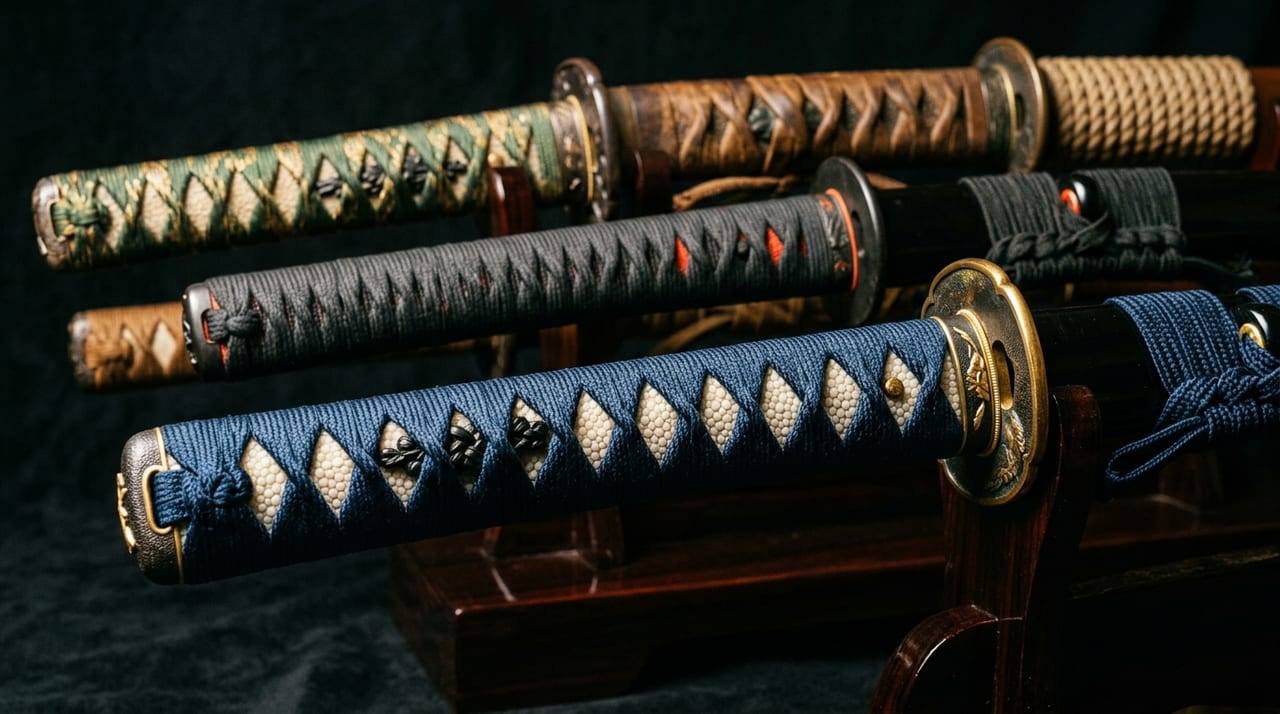
Tsuka-maki (柄巻き), the art of wrapping a Japanese sword's grip, is essential for both functionality and safety—providing anti-slip protection, absorbing shock, and preserving the wooden core. This article explores the materials used (silk thread, cotton thread, and leather) and the techniques employed by specialized craftspeople. Learn how tsuka-maki specialists (柄巻師) achieve the precise, uniform tension required across different wrapping styles, while examining how modern machine-wrapping both enables mass production and challenges the survival of traditional hand-craft techniques in contemporary martial arts practice.
Modern swordsmiths face a triple raw material challenge while working under a 24-blade annual production cap: supply constraints on tamahagane steel, depletion of natural whetstone deposits, and the growing difficulty of sourcing charcoal and other traditional materials. This article outlines the current state of each challenge and the practical responses swordsmiths have adopted.
As interest in Japanese sword culture grows among foreign visitors to Japan, inbound-oriented facilities and programs are being developed, including forge tours, iaido experiences, and multilingual support at sword museums. This article organizes the current experience offerings and the challenges of developing them as tourism resources.