最新消息 — 最新入荷資訊請查閱商品目錄。 查看 →
深入了解日本刀知識與文化的見解
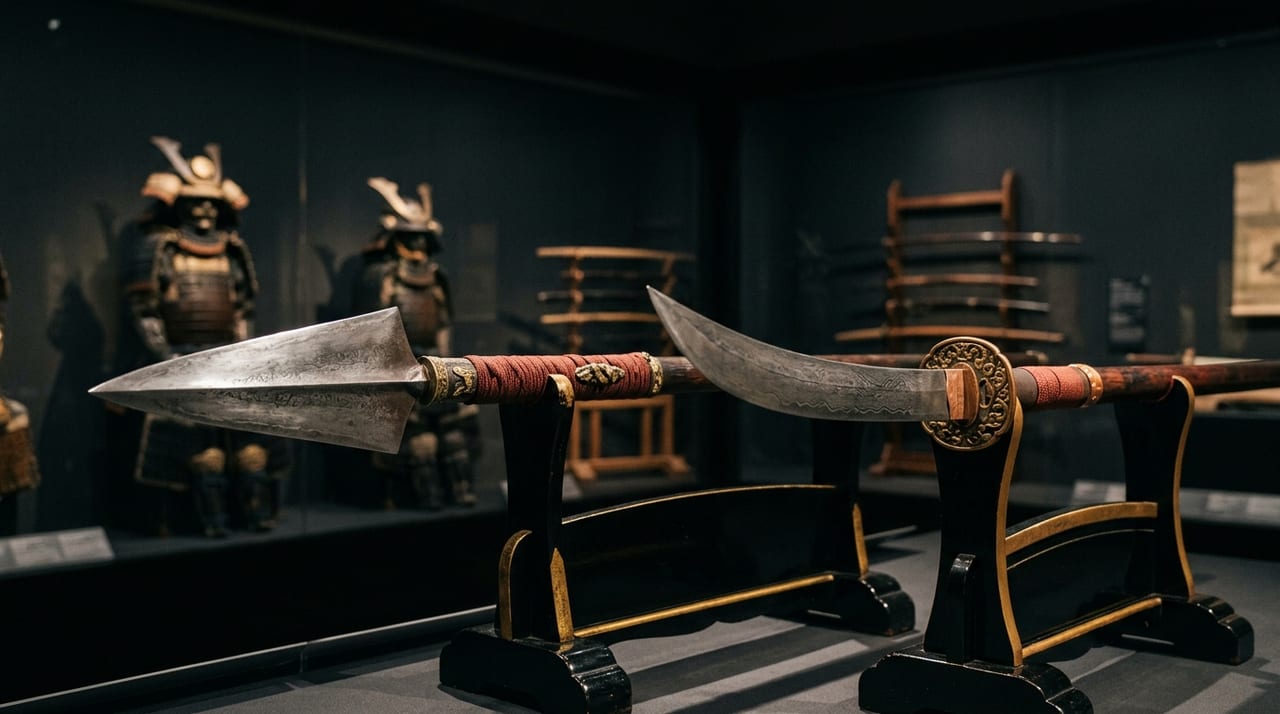
A detailed analysis of why the yari spear displaced the naginata halberd as the dominant infantry weapon during the transition to the Sengoku period.
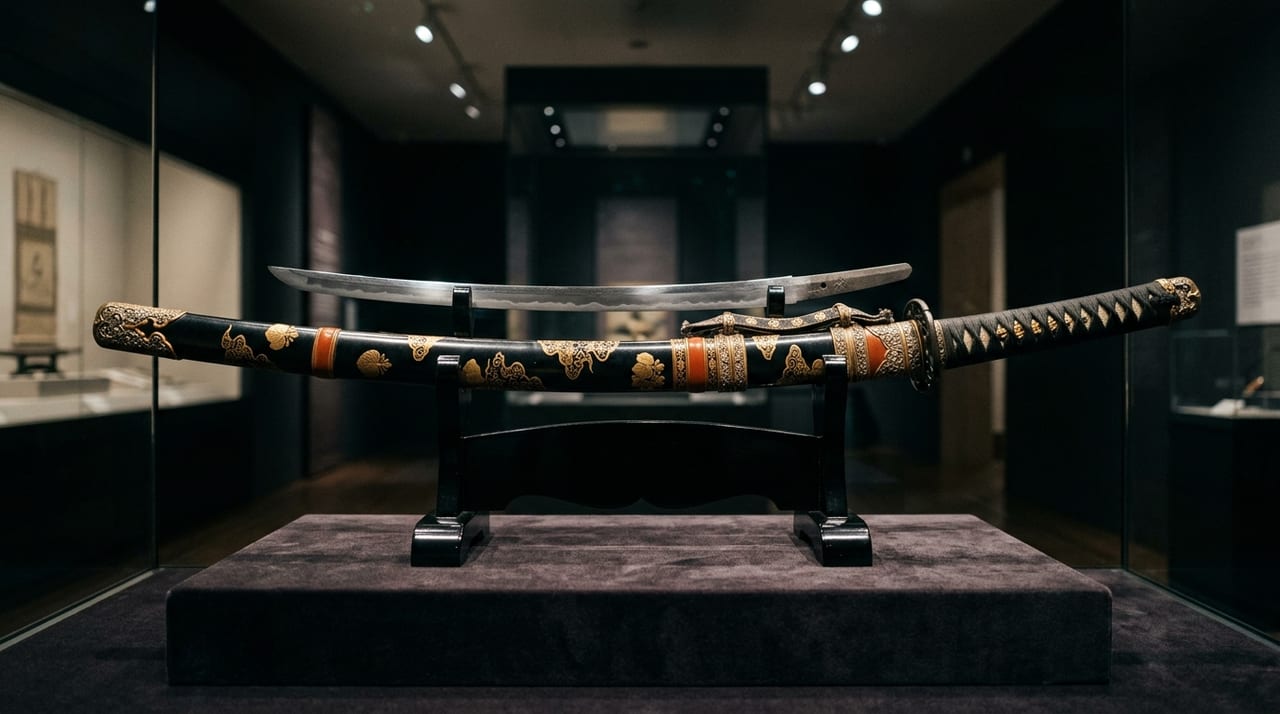
An exploration of sword culture, court ritual weapons, and institutional changes during the capital transfers from Nara to Heian (770s-800s).
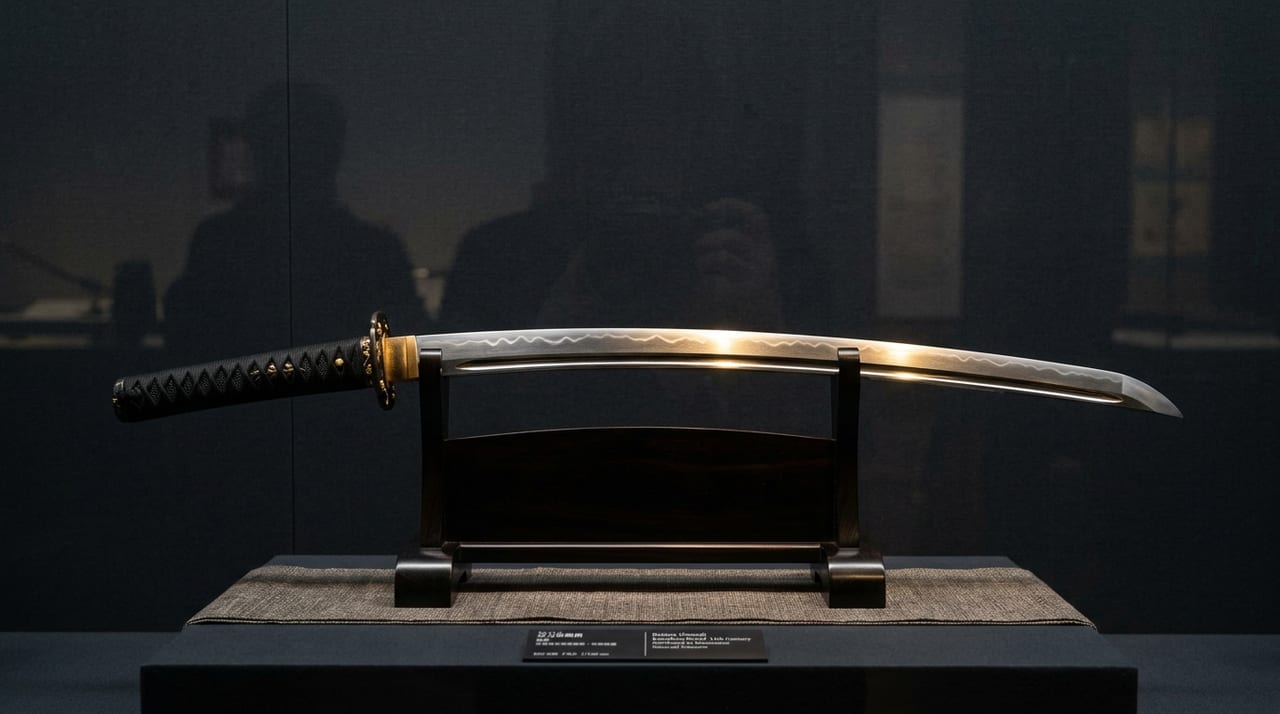
A practical guide to appreciating nihonto at exhibitions, covering etiquette, key points of observation, and major sword events across Japan.
A comprehensive guide to selecting professional Japanese sword restoration specialists, covering polishing, shirasaya, and metalwork repairs.
An examination of the sayanurishi specialist who applies lacquer and leather wrapping to sword scabbards: historical techniques, types of urushi, leather methods, and modern succession.
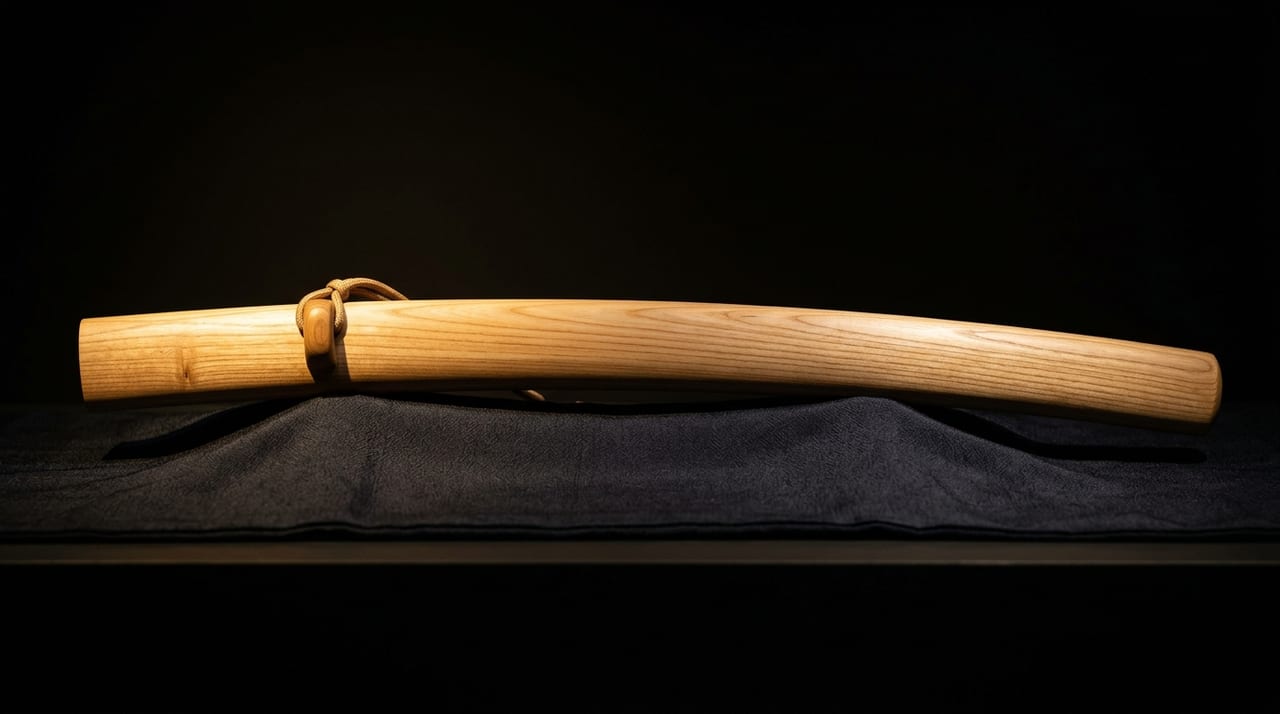
An expert examination of how sword scabbard makers select, dry, and cut magnolia wood, and why material science is critical to scabbard quality and longevity.
Explores the Asuka period as Japan's critical era for importing sword-making technology from Sui and Baekje kingdoms through Shotoku's reign. Explains how continental steel refinement and tempering techniques were adapted to Japan's geography and resources, establishing the foundation for uniquely Japanese hamon (刃文) patterns and sword culture.
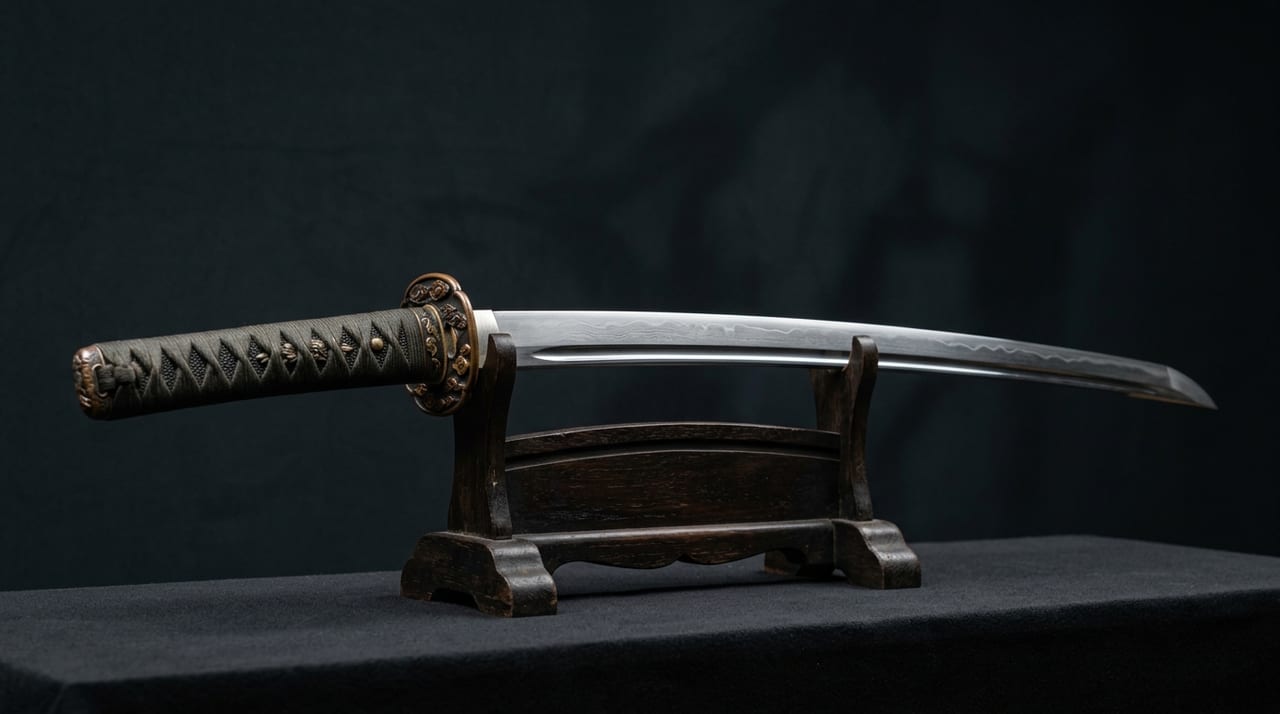
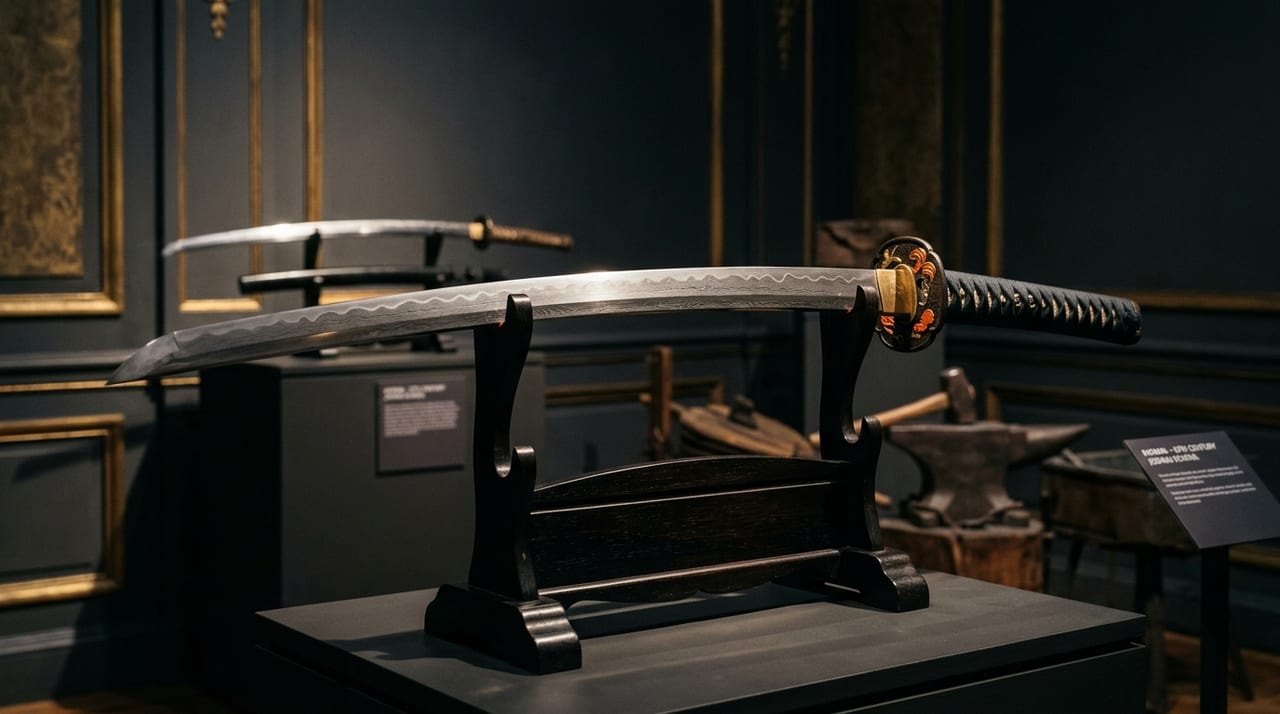
During Edo's 260-year peace (1603–1868), the Japanese sword transformed from a practical weapon into a spiritual symbol of samurai identity. This article examines the sword culture that flourished: the daisho (daito and wakizashi) marking status, the rigorous tourei (刀礼, sword etiquette) governing conduct, and aesthetic appreciation of swords as fine art. Explore how peace elevated the sword into an enduring cornerstone of samurai refinement and artistic beauty.
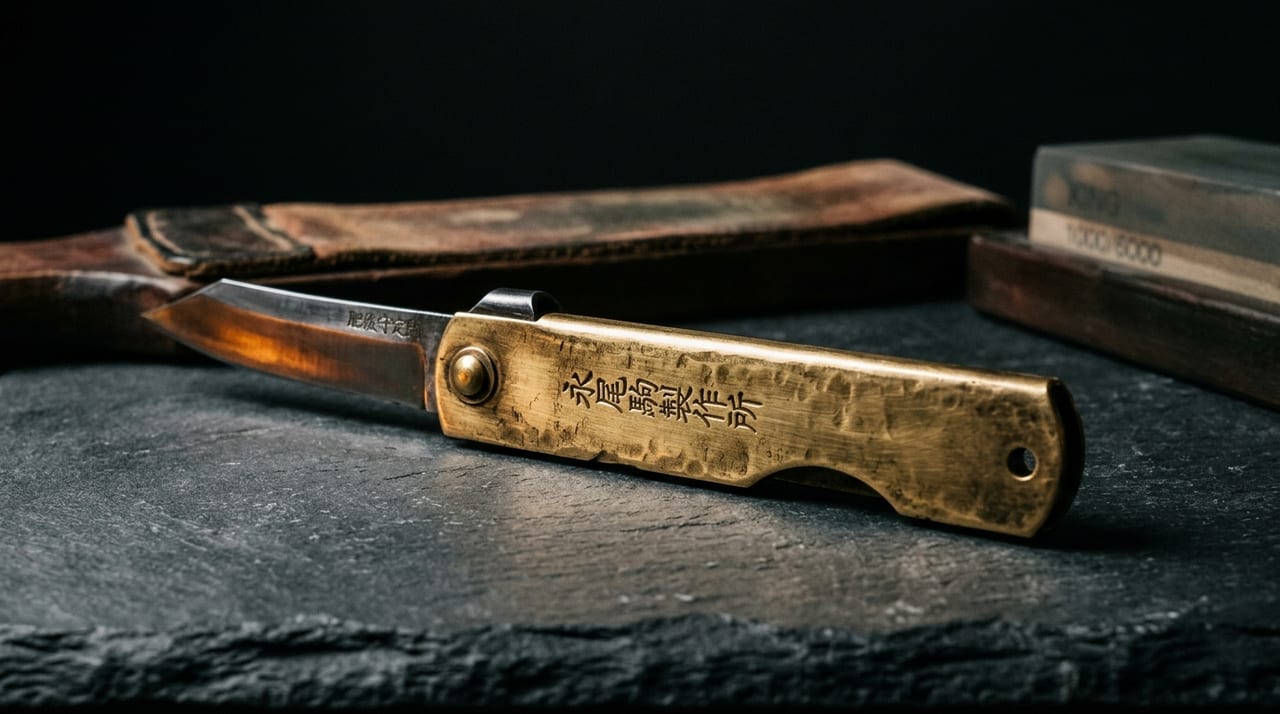
Not samurai's long swords, but the Higo no Kami (肥後守) that ordinary people carried. This folding pocket knife from Miki, Hyogo Prefecture, represents the crystallization of Japan's everyday knife culture—a traditional product that craftsmen continue to hand-finish one by one, even today.
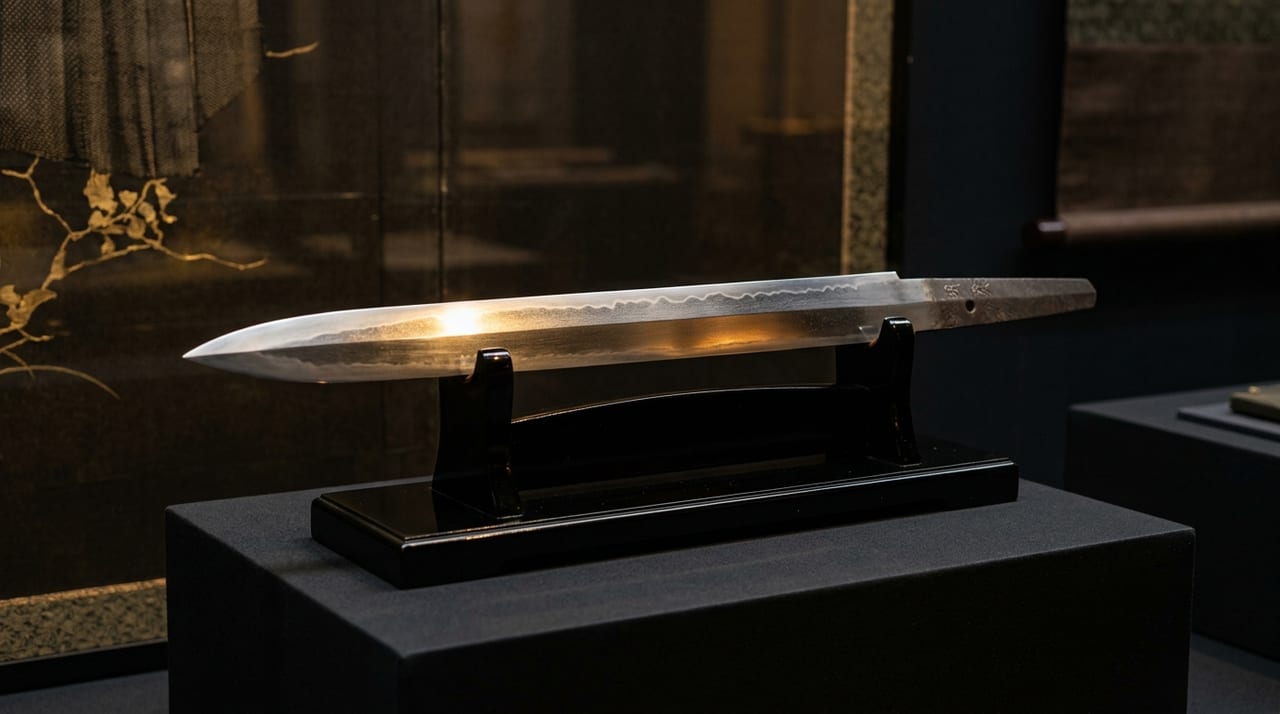
An explanation of the kacchudoshi, a specialized short blade designed to penetrate gaps in medieval Japanese armor, covering its unique blade geometry, materials, combat techniques, and how it differs from the yoroidoshi.
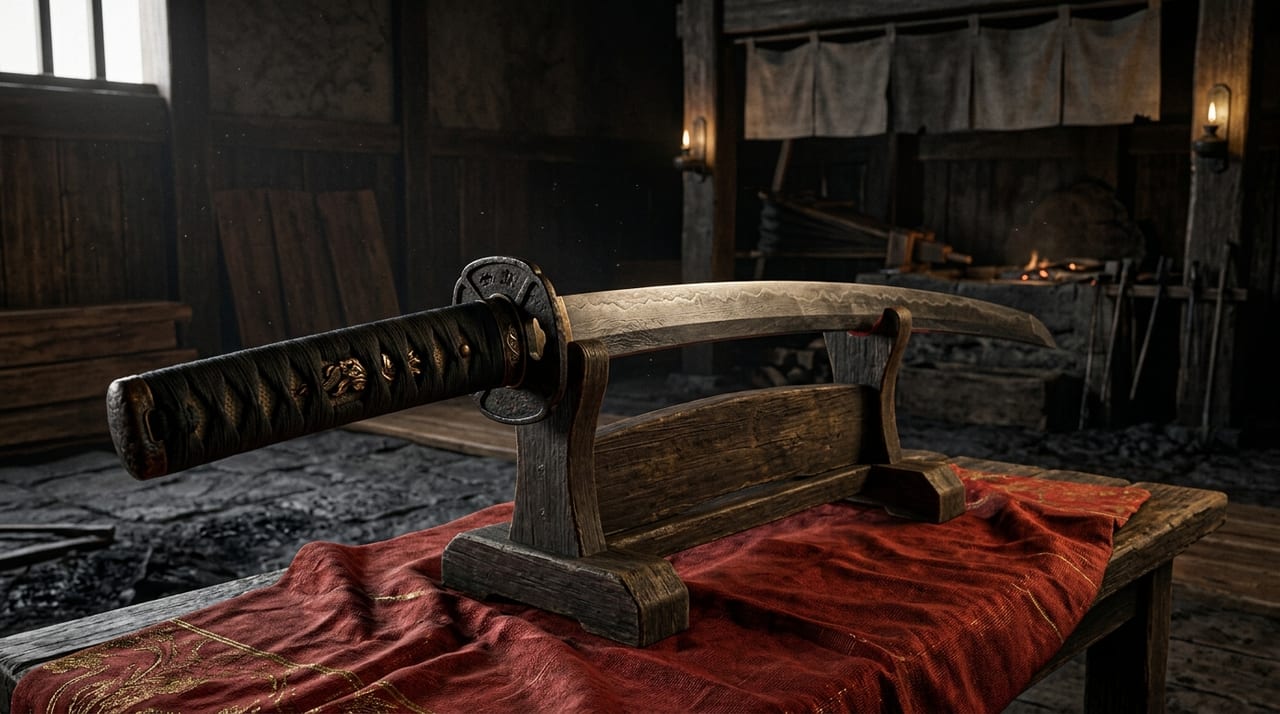
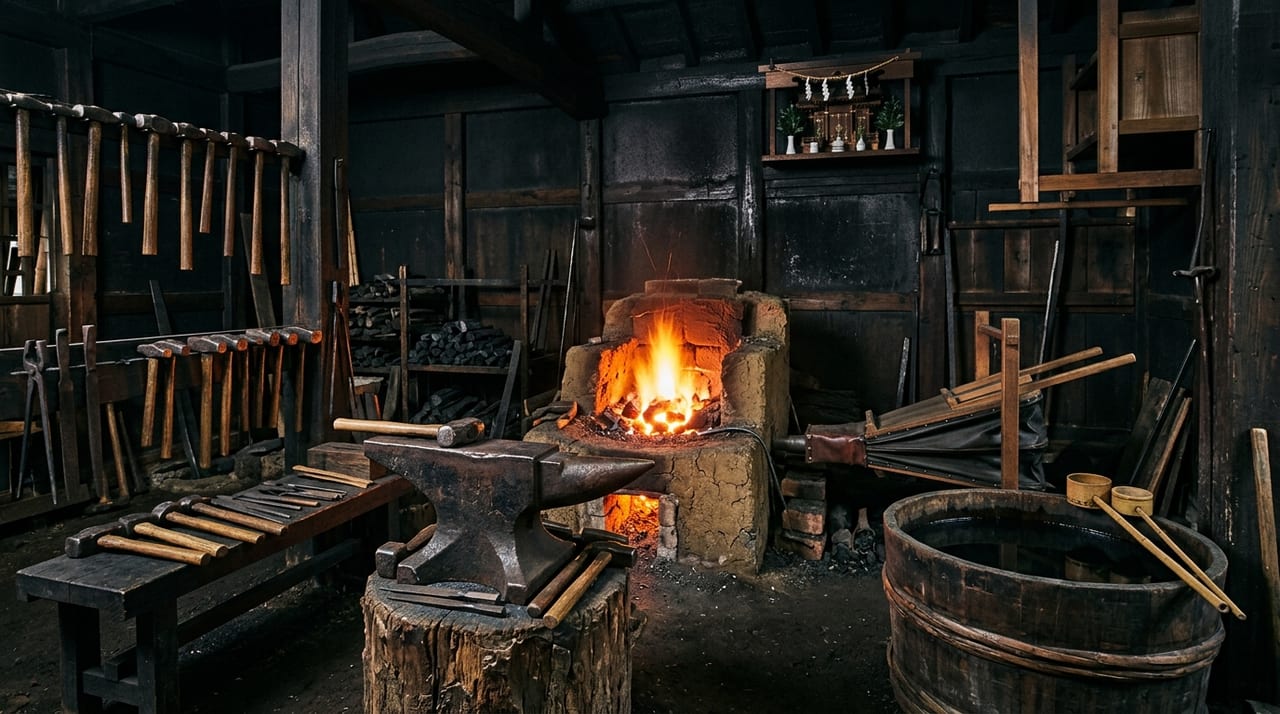
A detailed look at the construction, design, and equipment layout of a modern certified swordsmith's forge, including placement of furnace, bellows, anvil, and quench tank, along with legal requirements, ventilation, and noise mitigation considerations.
An examination of how the assassination of Shogun Ashikaga Yoshinori in 1441 reshaped the mid-Muromachi sword industry, including surging demand driven by power vacuums among daimyo and how swordsmiths in Bizen, Mino, and Yamato adapted their production.