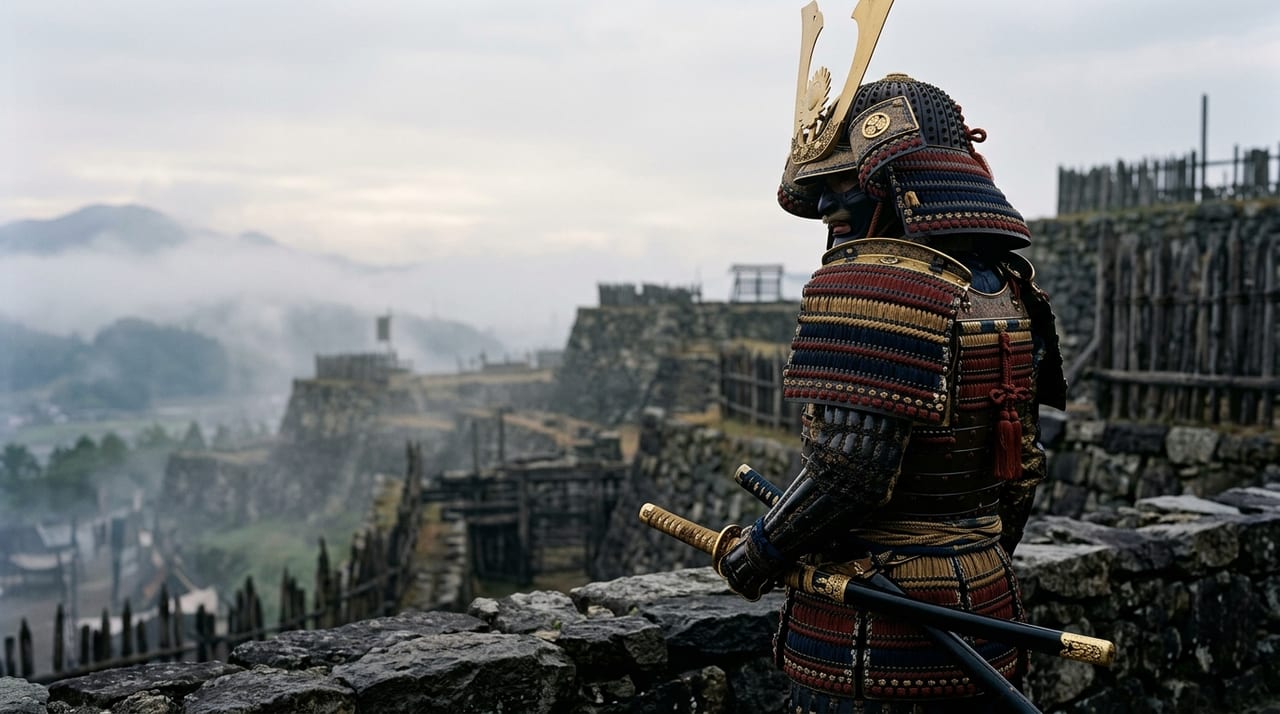
 * Image is for illustrative purposes only.
Sanada Nobutsuna
真田信綱
Description
Sanada Nobutsuna (1537–1575) was a warrior of the Sengoku period and the eldest son of Sanada Yukitaka, a warrior of Shinano. His younger brothers were Sanada Masateru, Sanada Masayuki (who later became head of the Sanada family), and Sanada Nobutada. He served Takeda Shingen, and it is said that he received the character 'Nobu' from Shingen and took the name Nobutsuna. He is also counted among the Twenty-Four Generals of Takeda and is remembered as a brave warrior.
Succession to the Sanada Family Headship
In 1574, when his father Sanada Yukitaka died, Nobutsuna formally inherited the headship of the Sanada family as the eldest son. Leading the Sanada family, which had served the Takeda clan since his father's time, he fought in various campaigns under Takeda Katsuyori.
Death at the Battle of Nagashino
At the Battle of Nagashino in 1575, Nobutsuna marched out following Takeda Katsuyori. In this battle, Nobutsuna fought valiantly with an ōdachi (great sword), said to have been made by Aoe Sadatsugu, measuring three shaku three sun (about one meter), and pressed toward the anti-cavalry palisades of the allied Oda and Tokugawa forces. However, he came under fire from the musket units and was killed in action together with his younger brother Sanada Masateru.
The Blood-Stained Jinbaori and Shinkō-ji Temple
It is said that after Nobutsuna's death, his head was wrapped in a jinbaori (war surcoat) and carried back to Kai by his retainers, and that this 'blood-stained jinbaori' is preserved at Shinkō-ji Temple in Ueda. Shinkō-ji is said to have been founded with the involvement of his younger brother Masayuki, who inherited the family headship, to mourn his elder brother, and the temple grounds still contain the graves of Nobutsuna and his wife. As a brave warrior who fell at Nagashino, Nobutsuna's name has been passed down to later generations together with the legend of the ōdachi.
Related Warriors
板垣信方
Sengoku PeriodItagaki Nobukata
One of Takeda's Twenty-Four Generals, Trusted Right-Hand of Shingen Who Led the Conquest of Shinano
寿桂尼
Sengoku PeriodJukei-ni
Principal Wife of Imagawa Ujichika and the 'Ama-midai,' the 'Female Sengoku Daimyo' Who Assisted Imagawa Governance Across Four Generations
お市の方
Sengoku PeriodOichi no Kata
Younger Sister of Oda Nobunaga, Renowned as the Greatest Beauty of the Sengoku Era, Who Experienced the Fall of Two Castles
武田義信
Sengoku PeriodTakeda Yoshinobu
Heir of Takeda Shingen, the Disinherited Tragic Successor