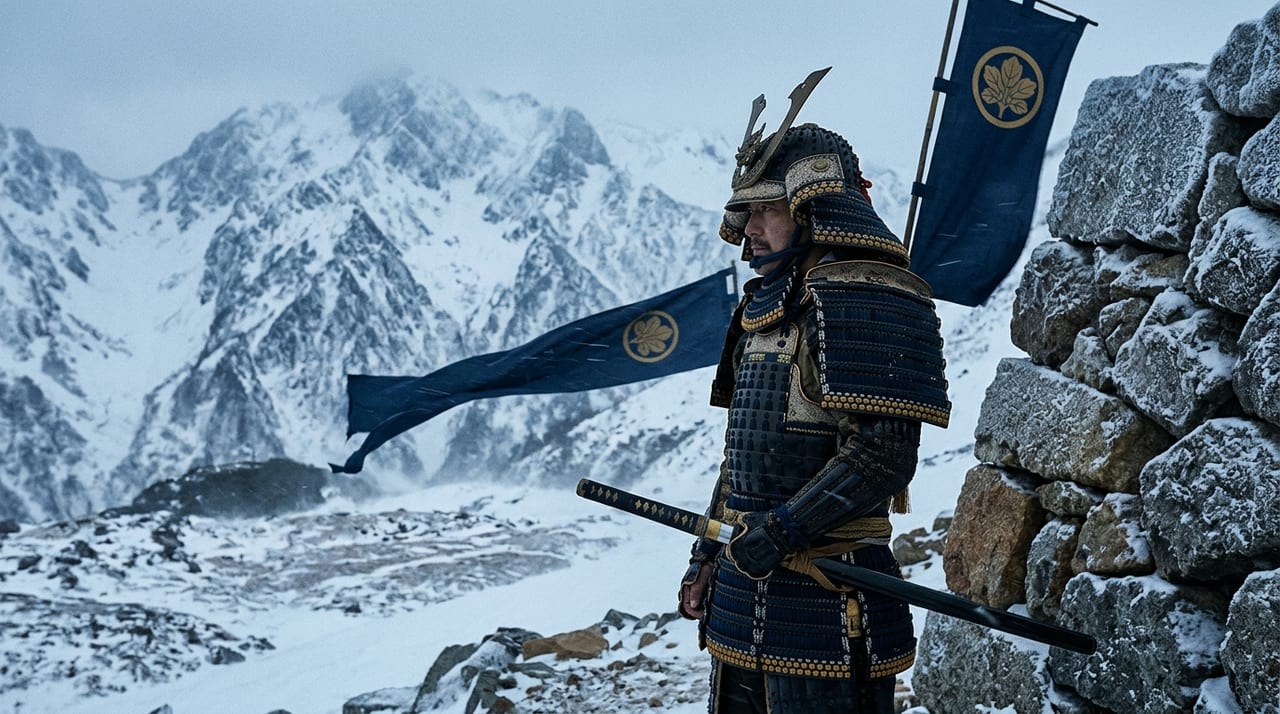
 * Image is for illustrative purposes only.
Sakanoue no Tamuramaro
坂上田村麻呂
Seii Taishogun and Dainagon
Description
Sakanoue no Tamuramaro (758-811) was an early Heian-period court noble and military official, and one of the most renowned Seii Taishōgun in Japanese history. He served the four emperors Kōnin, Kanmu, Heizei and Saga, and left great achievements in the subjugation of the Emishi in the Tōhoku region.
In Enryaku 20 (801), he launched an eastern campaign as Seii Taishōgun, and in Enryaku 21 (802) he forced the Emishi leader Aterui to surrender. He then passed through the posts of Sangi and Chūnagon, and at the time of the Kusuko Incident in Kōnin 1 (810) he was promoted to Dainagon while also serving as Major Captain of the Right Inner Palace Guards (Ukon'e no Taishō). He became the guardian of Heian-kyō and a military linchpin of the imperial court.
In relation to swords, the Important Cultural Property "Sohaya" (held by Kiyomizu-dera in Harima) is traditionally said to be a long sword dedicated by Tamuramaro, and it is said to have been donated to that temple after he subdued a demonic deity. Likewise, the Important Cultural Property "Kokushitsu-ken" (black-lacquered sword) held by Kurama-dera in Kyoto is also transmitted orally as a long sword dedicated by Tamuramaro. The gold-mounted tachi (kinsō tachi) excavated in 1919 from the Nishinoyama Tomb in Yamashina Ward, Kyoto, which is presumed to be his burial site (held by the Kyoto University Museum), has been designated, together with other grave goods, as the National Treasure "Excavated Objects from the Nishinoyama Tomb, Yamashina."
He is also known through the origin legend that credits him with founding Kiyomizu-dera, and the military renown of the Sakanoue clan continued into the generation of his son, Hironomaro. In later ages he was deified as a god of war and a symbol of martial fortune, and warriors came to venerate him at shrines and temples across the country.
Notable Swords
- Sohaya
- Black-Lacquer Sword
- Gold-mounted tachi (kinsō tachi)