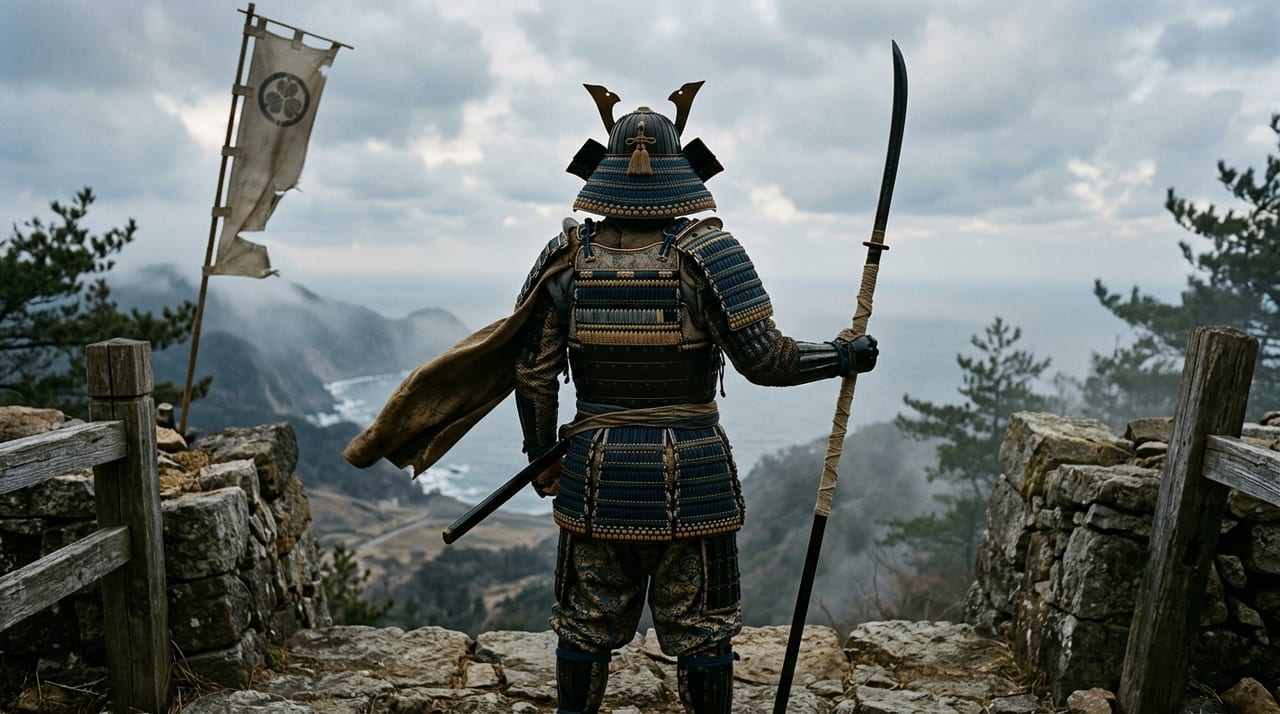
 * Image is for illustrative purposes only.
Hojo Takatoki
北条高時
14th Regent of the Kamakura Shogunate (Last Tokusō)
Description
Hōjō Takatoki (January 9, 1304 (Kagen 1/12/2) – July 4, 1333 (Genkō 3/Shōkei 2/5/22)) was the fourteenth regent (shikken) of the Kamakura shogunate. He was the third son of Hōjō Sadatoki, the ninth regent. As the last head of the Hōjō tokusō main line, he ended his life along with the fall of the shogunate.
Regency Politics and Internal Troubles
In Enkyō 2 (1309), at the age of seven, he underwent the coming-of-age ceremony (genpuku), and in 1316 he took office as the fourteenth regent. In Shōchū 3 (1326), he resigned the regency due to illness and took Buddhist vows (dharma name Sōkan), but he remained at the summit of the shogunate as tokusō. However, he is said to have been sickly, and affairs of government were in practice handled by powerful retainers such as Adachi Tokiaki and Nagasaki Takasuke. Takatoki himself is known for his deep fondness for dog fighting, and later accounts have emphasized his pleasure-seeking side, such as his indulgence in dengaku performances. However, most of these records are based on later war chronicles (the Taiheiki), so their reliability must be treated with caution.
The Fall of the Shogunate
When Emperor Go-Daigo attempted to overthrow the shogunate in the Genkō War (1331–1333), the shogunate responded through the Rokuhara Tandai. However, Nitta Yoshisada attacked Kamakura in the fifth month of Genkō 3 (1333), and the shogunate's forces suffered a string of defeats. On the twenty-second day of the fifth month, Takatoki, together with more than 870 members of his clan and retainers, took his own life at Tōshōji temple (Kamakura). He was 31 years old by the traditional count. With this, the regency politics of the Hōjō family and the Kamakura shogunate came to a complete end.
Later Assessments
In the Taiheiki he is often portrayed as an incompetent ruler, but in recent research the view that he was a figure placed in a difficult position under political pressure from both within and without has also grown stronger. The mass suicide at Tōshōji is counted among the tragic scenes in Japanese history under the heading “the last days of the Hōjō clan.”
Related Warriors
河野通有
Kamakura PeriodKono Michiari
Commander of Iyo Navy, Hero of the Mongol Invasions
安達泰盛
Kamakura PeriodAdachi Yasumori
Leader of the Koan Reforms Who Fell in the Shimotsuki Incident
竹崎季長
Kamakura PeriodTakezaki Suenaga
Higo Gokenin Who Petitioned Kamakura for His Reward and Left the Mongol Invasion Scrolls
菊池武房
Kamakura PeriodKikuchi Takefusa
Tenth Head of the Kikuchi of Higo Who Led His Clan Against the Mongol Invasions