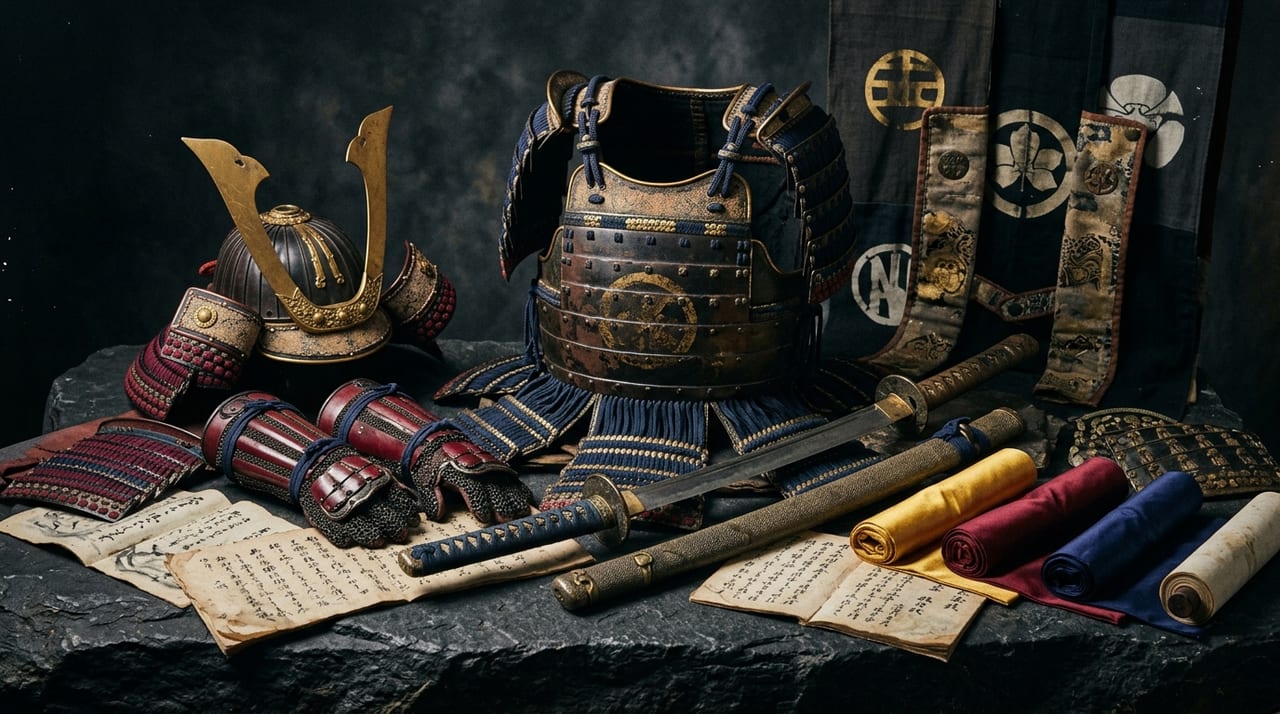
 * Image is for illustrative purposes only.
Wampaku! Touken Ranbu
わんぱく!刀剣乱舞
Spin-off anime based on the online game Touken Ranbu ONLINE, co-developed by DMM GAMES and Nitroplus. Announced in 2026 as a collaboration with Sanrio, the series depicts the comedic daily lives of the Touken Danshi—anthropomorphized characters based on famous historical Japanese swords. Touken Ranbu is one of Japan's most influential media franchises for promoting awareness of actual historical swords.
Description
Overview
Wampaku! Touken Ranbu is a spin-off anime based on Touken Ranbu ONLINE, the online game co-developed by DMM GAMES and Nitroplus (launched 2015). A collaboration with Sanrio was announced in 2026 for this production. The title—wampaku meaning energetic and mischievous—signals a comedic, lighthearted tone distinct from earlier Touken Ranbu anime adaptations.
About the Touken Ranbu Franchise
Touken Ranbu ONLINE is a browser and smartphone game in which famous historical Japanese swords are anthropomorphized as the Touken Danshi. Characters include representations of national treasure-class swords such as Mikazuki Munechika, Yamanbagiri Kunihiro, Dojigiri Yasutsuna, Hizamaru, Higekiri, and Juzumaru Tsunetsugu. The game is praised for naturally teaching players about the history, provenance, and characteristics of real swords. The franchise has expanded into anime, stage plays, and musicals, becoming Japan's most influential media property for promoting Japanese sword culture.
Cultural Impact
The Touken Ranbu franchise has demonstrably increased attendance at sword exhibitions in Japanese museums and art galleries. Facilities including the Tokyo National Museum have collaborated on special exhibitions tied to the franchise, significantly expanding interest in Japanese sword culture among younger audiences and women. The Sanrio collaboration in Wampaku! Touken Ranbu aims to widen this reach further, serving as an accessible entry point into the world of Japanese swords.
Featured Swords
Representative historical swords appearing in the Touken Ranbu franchise include Mikazuki Munechika, Yamanbagiri Kunihiro, Dojigiri Yasutsuna, Hizamaru, Higekiri, and Juzumaru Tsunetsugu—all museum-held national treasures or important cultural properties whose recognition has grown substantially through the franchise.
Real Swords Featured
Mikazuki Munechika
A tachi attributed to the Heian-period smith Sanjo Munechika. Named for the crescent-moon (mikazuki) patterns in its temper line. One of the Tenka-Goken (Five Greatest Swords) and praised as the most beautiful. National Treasure, held at the Tokyo National Museum, and an iconic character in Touken Ranbu.
Yamanbagiri Kunihiro
A work by the Azuchi-Momoyama-period smith Horikawa Kunihiro, made as a faithful copy of the famed blade Honsaku Chōgi for the Nagao clan. Tied to a legend of slaying a mountain hag (yamanba). A representative work of Kunihiro, designated an Important Cultural Property.
Dojigiri Yasutsuna
A tachi attributed to the Heian-period Hoki smith Ohara Yasutsuna. Tied to the legend of Minamoto no Yorimitsu slaying the demon Shuten-doji of Mt. Oe. One of the Tenka-Goken and regarded as the finest of named swords. National Treasure, Tokyo National Museum.
Higekiri
A heirloom tachi of the Minamoto clan, said to be named because it cut a criminal clean through to the beard. Bears many alternate names such as Onimaru and Kumokiri, paired with Hizamaru as a treasured Minamoto sword.
Hizamaru
A heirloom tachi of the Minamoto clan, said to be named because it cut a criminal through to the knees. Known by alternate names such as Usumidori and Kumokiri, it forms a brother pair with Higekiri.
Juzumaru Tsunetsugu
A tachi attributed to Aoe Tsunetsugu. Said to be the personal sword of the priest Nichiren, named for the prayer beads (juzu) hung on its hilt. One of the Tenka-Goken, held at Honko-ji temple in Amagasaki.
See authentic Japanese swords
See authentic Japanese swordsThis page is intended to introduce Japanese sword culture and is not affiliated with any of the works mentioned.