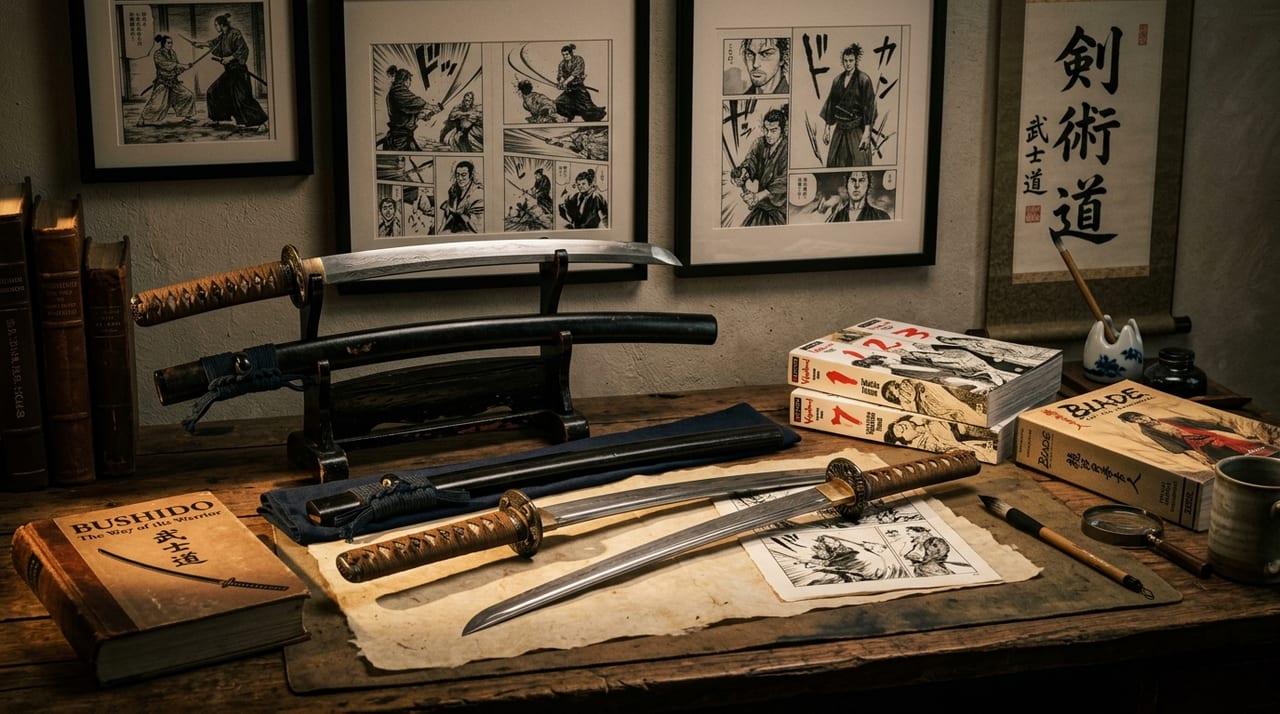
 * Image is for illustrative purposes only.
Toyotomi Kyodai! (NHK Taiga Drama, 2026)
大河ドラマ 豊臣兄弟!
The 65th NHK Taiga Drama, airing from January 4, 2026. Script by Hiroyuki Yatsu; lead role of Toyotomi Hidenaga played by Taiga Nakano. It depicts the life of Hideyoshi's younger brother Hidenaga—known as the "Yamato Dainagon" (Great Counselor of Yamato)—who rose from peasant origins to become the indispensable support pillar of the Toyotomi regime. Sōsuke Ikematsu plays Toyotomi Hideyoshi.
Description
Overview of the Work
Toyotomi Kyodai! is the 65th NHK Taiga Drama, airing on NHK General TV since January 4, 2026. The screenplay is by Hiroyuki Yatsu and the music by Hideaki Kimura. Taiga Nakano stars as Toyotomi Hidenaga (Koichirō). Sōsuke Ikematsu plays Toyotomi Hideyoshi, Shun Oguri plays Oda Nobunaga, Kōhei Matsushita plays Tokugawa Ieyasu, and Jun Kaname plays Akechi Mitsuhide. The star-studded cast has drawn attention as the 2026 NHK Taiga Drama.
Who Was Toyotomi Hidenaga?
Toyotomi Hidenaga (1540–1591) was the younger brother of Toyotomi Hideyoshi by the same mother, and he played an active role as his elder brother's right hand in the unification of the realm. Known as the 'Great Counselor of Yamato' (Yamato Dainagon), he based himself in Yamato Province (present-day Nara Prefecture) and made Kōriyama Castle (Yamato-Kōriyama) his seat. While Hideyoshi directed politics, diplomacy, and military affairs, Hidenaga handled the practical administration and earned the trust of the people. He is regarded as a rare aide, so much so that it is said the Toyotomi house's rule would have been secure had Hidenaga lived longer. Hidenaga took part in many battles as a warlord, and the drama reflects the real image of samurai who carried swords and spears.
Yamato Province, Kōriyama Castle, and Sword Culture
Yamato Province (Nara Prefecture), Hidenaga's home base, is the homeland of 'Yamato-den' (Yamato tradition), a major center of Japanese sword making. Yamato-den was a sword-making tradition that developed from the late Heian period into the Kamakura period under the patronage of the great temples and shrines of Nara (Tōdai-ji, Kōfuku-ji, and Kasuga Taisha). It comprises five schools: the Senjuin, Taima, Tegai, Hoshō, and Shikkake schools. Because Hidenaga based himself at Kōriyama Castle, a senior retainer of the Toyotomi regime sat at the center of this Yamato-den sword culture sphere. This gives the story a historical context that cannot be overlooked from the perspective of Japanese sword culture.
Warlords and Swords in the Sengoku Period: The Sword Culture of Hidenaga's Era
The Tenshō era (1573–1592), during which Hidenaga was active, was a transitional period in sword history in which 'practical swords of the Sengoku period' and 'art swords of the Momoyama culture' existed side by side. Under the Oda and Toyotomi regimes, swordsmiths received strong patronage, and both Nobunaga and Hideyoshi politically used the collection and bestowal of famous blades. Hidenaga, too, as a daimyō, wore a sword and took part in military and diplomatic occasions.
Broadcast Information and Cultural Significance
The drama is currently airing (2026). It is noted as a rare taiga drama that shines a light on a figure who supported domestic administration under the Toyotomi regime. From the perspective of Japanese sword culture, it is a story centered on a man who ruled Yamato Province, the homeland of Yamato-den. For sword enthusiasts, it offers geographical and historical points of interest.
Real Swords Featured
Yamato-den swords (Senjuin and Tegai schools)
Yamato Province, the home base of Toyotomi Hidenaga, is famous as a sword-making region of Yamato-den. Yamato-den smiths of the Senjuin and Tegai schools flourished from the late Heian period into the Kamakura period, and in Hidenaga's era, when he ruled that land, the sword culture of Yamato continued.
See authentic Japanese swords
See authentic Japanese swordsThis page is intended to introduce Japanese sword culture and is not affiliated with any of the works mentioned.