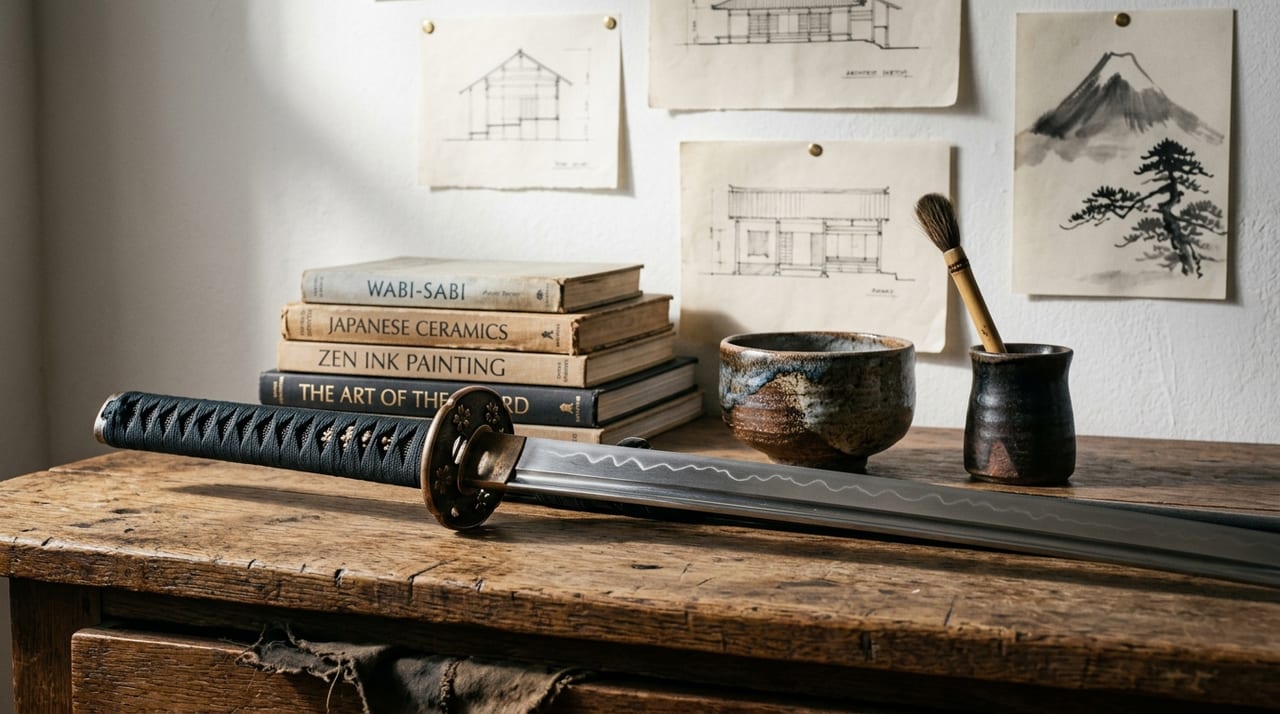
 * Image is for illustrative purposes only.
Ikusa Gami
イクサガミ
A Netflix original live-action drama based on Shōgo Imamura's novel "Ikusagami". Set in Kyoto's Tenryū-ji temple in Meiji 11 (1878), it follows 292 former samurai who have had their swords taken away under the Sword Abolition Edict and who fight for survival in a brutal game. Junichi Okada stars and also serves as producer and action planner. Streaming worldwide on Netflix from November 13, 2025. It ranked No. 1 on the Netflix Weekly Global Top 10 (Non-English TV) and entered the weekly Top 10 in 88 countries and regions.
Description
Work Overview
"Ikusagami" (Netflix English title: Last Samurai Standing) is a Netflix original live-action drama (6 episodes) based on the novel of the same name by Shōgo Imamura. It was released worldwide simultaneously on November 13, 2025. Junichi Okada served as lead actor, producer, and action planner. The screenplay was written by Michihito Fujii, Kento Yamaguchi, and Risa Yashiro, and the directors were Michihito Fujii, Kento Yamaguchi, and Tōru Yamamoto. Production was handled by Office Shirous.
The Sword Abolition Edict and the Loss of Swords
The story's starting point is the Sword Abolition Edict (Haitōrei) of the Meiji era. Issued in Meiji 9 (1876), this edict banned the wearing of swords except for those wearing formal ceremonial dress, military personnel, and police officials, among others. It denied the privilege of carrying swords, which had been a symbol of samurai status. Meiji 11 (1878), the setting of this work, is a point "ten years after the era of glorious samurai ended," and the protagonists, still forbidden to carry swords, are on the verge of losing their reason for being.
The 292 former samurai gathered at Tenryū-ji temple in Kyoto are forced to take part in a game in which "the last one left alive receives a prize of 100,000 yen." The rule is to head for Tokyo while fighting over wooden name tags, but in reality it becomes a life-or-death struggle.
Depiction of Sword Schools
The work refers to a sword school called Kyōhachi-ryū. The protagonist, Shūjirō Saga, is a formidable swordsman known by the epithet "Kokushū the Man-Slayer," yet he harbors a psychological barrier to drawing his sword.
Historical Background
The Sword Abolition Edict issued after the Meiji Restoration (1868) stripped the samurai class of the symbolic rights it had established during the Edo period. Swords were more than mere weapons; they were symbols of the samurai's spirit, status, and pride, and their abolition meant the fundamental dismantling of the class system. Set against this historical rupture, the work directly portrays the theme of "samurai stripped of their swords."
Reception
It reached No. 1 on the Netflix Weekly Global Top 10 (Non-English TV) and became a hit, entering the weekly Top 10 in 88 countries and regions. Netflix Japan has also confirmed that a second season is in production. Junichi Okada's action scenes have been highly praised, and the series is positioned as an important work in Netflix's international rollout of Japanese original period dramas.
Real Swords Featured
Swordcraft Under the Sword Abolition Edict (Kyōhachi-ryū)
A martial arts school that appears in the work. It represents the system of martial techniques inherited by former samurai who were forbidden to bear swords by the Sword Abolition Edict (Haitōrei), preserved even in an age without swords.
See authentic Japanese swords
See authentic Japanese swordsThis page is intended to introduce Japanese sword culture and is not affiliated with any of the works mentioned.