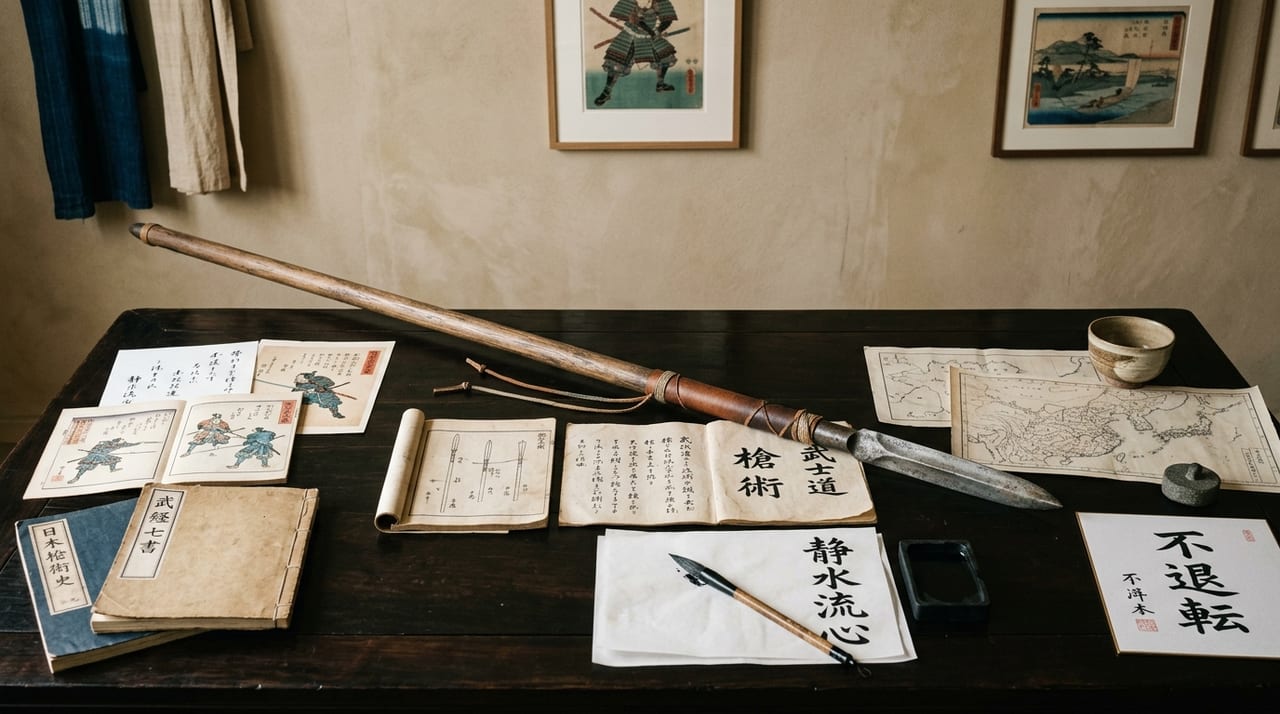
 * Image is for illustrative purposes only.
Akira Kurosawa's Samurai Films
黒澤明のサムライ映画
Director Akira Kurosawa brought numerous masterpiece period dramas to the world, including Rashomon, Seven Samurai, Yojimbo, Sanjuro, The Hidden Fortress, Kagemusha, and Ran. His depiction of Japanese sword technique, sound, and light revolutionized world cinema history.
Description
Akira Kurosawa (1910–1998) was one of the greatest masters in Japanese cinema history, and his period drama works fundamentally transformed the visual representation of Japanese swords on film. In Seven Samurai (1954), he simultaneously depicted the functional beauty of swords in group combat and the terror of death, profoundly influencing filmmakers worldwide. The final scene of Sanjuro, with its blood-spray imagery, is engraved in cinema history as one of the most shocking depictions of a Japanese sword's cutting power on screen. In Ran, the armor and swords of Sengoku warlords were expressed in their ultimate aesthetic form from an artistic perspective, prompting a reevaluation of Japanese swords as works of art. The sword techniques, forms, and sound design in Kurosawa's works became reference points for subsequent action films, period dramas, and games, making an immeasurable contribution to the global dissemination of Japanese sword culture.
Real Swords Featured
Swords from Seven Samurai Production
In Seven Samurai, actual iaijutsu and kendo experts served as choreography consultants, and authentic sword mountings were prepared for filming. The nodachi wielded by Toshiro Mifune's character Kikuchiyo is one of the most memorable sword designs in cinema history.
Uchigatana and Tachi from Ran
In Ran, a variety of swords were used based on Sengoku period research, including uchigatana, tachi, and naginata. Together with costume designer Wada Emi (Emiko Wada, Academy Award winner for Costume Design), the sword mountings were meticulously crafted as works of art with authentic historical detail.
See authentic Japanese swords
See authentic Japanese swordsRelated Content
Nobunaga's Ambition
Game信長の野望
Japan's longest-running historical simulation game series by Koei Tecmo (1983–). Players control Sengoku warlords including Oda Nobunaga in a quest for national unification. The series systematically parameterizes warriors' swords and equipment, providing one of the most comprehensive frameworks for learning about Japanese sword history, distribution, and connections to historical figures.
Seven Samurai
Film七人の侍
Akira Kurosawa's timeless masterpiece that introduced the world to Sengoku-era warriors and swords, influencing all subsequent action cinema.
Legend & Butterfly (Film, 2023)
Filmレジェンド&バタフライ(映画・2023年)
Toei 70th Anniversary commemorative work (directed by Otomo Keishi, screenplay Furusawa Yoshita, released January 2023). Kimura Takuya portrays Oda Nobunaga and Ayase Haruka portrays his primary consort Nōhime (Kicho), depicting the unknown bond between Nobunaga and Nōhime. A large-scale historical film with a total production cost of 2 billion yen and cumulative attendance exceeding 1.8 million. Rooted in the historically documented famous swords of Nobunaga — Sozan Samonji (Yoshimoto Samonji) and Heshikiri Hasebe — this is an important work from the perspective of sword culture, in which Nobunaga's sword aesthetics under the banner of 'Tenka Fubu' (Rule the Realm Through Arms) intersect with Nōhime's strength.
Nioh 2
Video Game仁王2
A Sengoku-period action RPG released in 2020, developed by Team Ninja and published by Koei Tecmo Games. As a prequel to the earlier "Nioh," it stars a half-yokai protagonist with yokai blood, who crosses swords with demons while encountering real Sengoku-period warlords.
This page is intended to introduce Japanese sword culture and is not affiliated with any of the works mentioned.