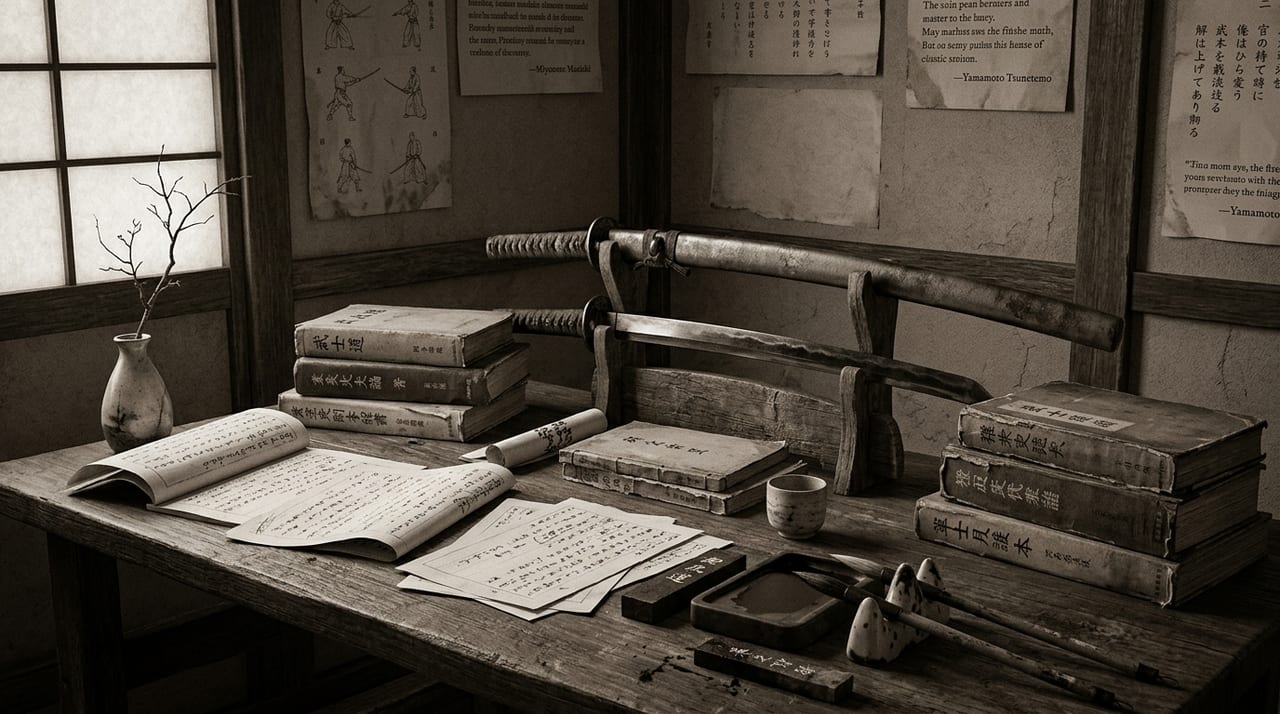
 * Image is for illustrative purposes only.
John Woo Films
ジョン・ウー作品
Films directed by Hong Kong director John Woo (Wu Yusen). Through the 'gun-fu' style of A Better Tomorrow (1986) and Hard Boiled (1992), and the Three Kingdoms sword combat of Red Cliff (2008–2009), Woo spread the aesthetics of weapon action in East Asian cinema globally.
Description
John Woo Films: East Asian Weapon Action Aesthetics and the Poetics of Sword Combat
Wu Yusen (John Woo in English, born 1946) is a film director who represents the golden age of Hong Kong cinema. He holds a unique place in world film history through the aesthetics of “stylized action”: slow motion, two-gun shooting, white doves, and symmetrical composition. His representative works are A Better Tomorrow (1986), The Killer (1989), and Hard Boiled (1992) from the Hong Kong period; Face/Off (1997) and Mission: Impossible 2 (2000) from the Hollywood period; and Red Cliff (2008–2009) from the Chinese period.
A Better Tomorrow (1986) and the Sword-Like Spirit of Gikyō (Chivalrous Righteousness)
A Better Tomorrow stars Ti Lung, Leslie Cheung, and Chow Yun-fat and is a Hong Kong noir film. It transplants the traditional themes of wuxia films (sworn brotherhood, gikyō, betrayal, and revenge) into the criminal world of modern Hong Kong. The aesthetic of “men who risk their lives for righteousness,” established in this film, deeply resonates with the spiritual theme of “samurai who draw their swords for righteousness” in Japanese ninkyō films and jidaigeki.
“Using guns rather than swords (nihontō), its spiritual grammar follows the sword philosophy of the samurai.” John Woo’s Hong Kong noir works, as a modern expression of this “samurai spirit that does not change even when the weapon changes,” have points of intersection with Japanese sword culture.
Red Cliff (2008–2009): Sword Combat and Depictions of Generals of the Three Kingdoms
Red Cliff, which John Woo produced as a return to Chinese cinema, is a historical spectacle film based on the Battle of Red Cliffs (208) of the Three Kingdoms period. The Chinese version totals about 4 hours 48 minutes across two parts (Part I: 146 minutes, Part II: 142 minutes), and its production budget reached 80 million US dollars.
The film features actual weapons of the Three Kingdoms period, including the jian (straight sword), the dao (sabre), the bow, and the spear. Battle scenes of generals such as Zhao Yun, Zhou Yu, and Zhuge Liang are filmed on a large scale. The design and use of Chinese swords of the Three Kingdoms period (mainly the huanshou dao, a ring-pommel sabre, and the straight jian) embody the forms of East Asian sword culture before the emergence of nihontō (late Heian period, 10th–11th centuries), and they function as a context for understanding the historical prehistory of the Japanese sword.
The Aesthetics of Gun-Fu and the Inheritance of the Aesthetic Grammar of Sword Combat
Gun-fu, the action style John Woo established, stages gunfights using the movement principles of martial arts and swordsmanship. It embodies on screen the concept of “an aesthetic grammar of combat that does not change even when the weapon changes.” “The symmetrical movement of two pistols,” “movements equivalent to drawing a sword that burst into motion from a single still moment,” and “sense of distance, timing, and the coordination of the whole body”: these elements have an aesthetic structure functionally similar to the movement principles of Japanese kenjutsu and iaidō. They show the essence of John Woo’s visual style, which “realizes the grammar of sword combat through the tool of the gun.”
Film scholar David Bordwell also discusses the direction of Hong Kong action films, including John Woo’s, in his book Planet Hong Kong (2000).
Real Swords Featured
Huanshou dao (ring-pommel sword) — the standard combat blade of Han-to-Three Kingdoms China, the sword type worn by the generals in Red Cliff
Spring and Autumn bronze jian as exemplified by the Goujian Sword — the design predecessor of the Three Kingdoms-era straight sword (jian)
See authentic Japanese swords
See authentic Japanese swordsThis page is intended to introduce Japanese sword culture and is not affiliated with any of the works mentioned.