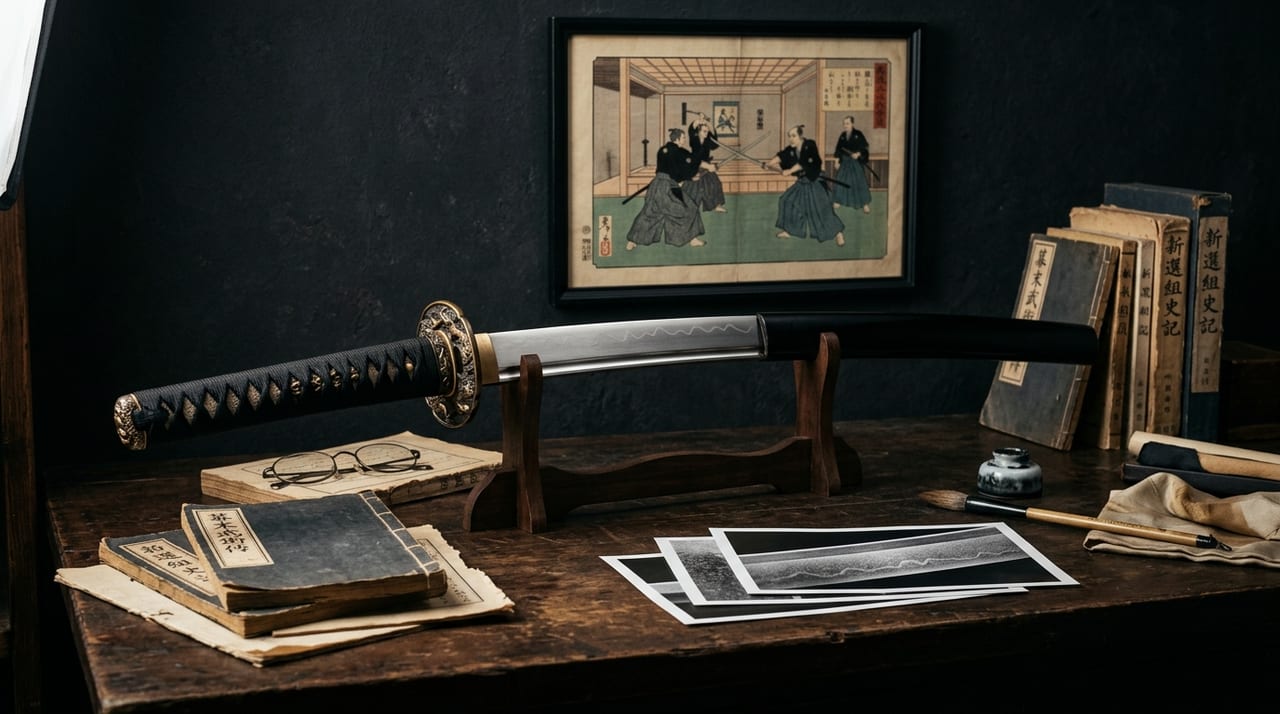
 * Image is for illustrative purposes only.
Fate/Samurai Remnant
Fate/Samurai Remnant
An action RPG co-developed by Koei Tecmo (Omega Force) and TYPE-MOON, released in 2023. Set in early Edo-period Japan, it follows the ronin Miyamoto Iori, drawn into a Servant-summoning ritual called the "Waxing Moon Ritual." The historical swordsman Miyamoto Musashi and Shinsengumi captain Okita Souji both appear as Servants; Okita's Noble Phantasm depicts her sword ranking up to "Kikuichimonji Norimune," weaving real swordsmen and sword legends into the fiction.
Description
Overview
Fate/Samurai Remnant is an action RPG co-developed by Koei Tecmo (Omega Force) and TYPE-MOON, released in 2023 for PlayStation 4/5, Nintendo Switch and PC as an entry in the popular Fate franchise. Set in early Edo-period Japan, it follows the ronin Miyamoto Iori, who is drawn into a secret ritual called the "Waxing Moon Ritual" and summons the Saber-class Servant Yamato Takeru. As the story progresses, Iori allies with the courtesan Takao Dayu and her own Berserker-class Servant.
Miyamoto Musashi as a Historical Swordsman
The Berserker Servant summoned by Takao Dayu turns out to be Miyamoto Musashi, Iori's late master. Musashi was a real swordsman, founder of the two-sword Niten Ichiryu style, said never to have lost a duel in his lifetime. His late treatise The Book of Five Rings remains a classic of swordsmanship and strategy to this day. The game's Musashi is built on this historical figure.
Okita Souji and the Kikuichimonji
The game also features Okita Souji, captain of the Shinsengumi's First Unit, as a Saber-class Servant. Using her Noble Phantasm "Oath Haori," her sword ranks up in appearance to "Kikuichimonji Norimune." There is, however, no historical record confirming that Okita actually owned this blade. Because such swords were already extremely rare and costly at the time, it is considered unlikely that a swordsman of Okita's standing possessed one; the association originates in a legend from Shimozawa Kan's novel Shinsengumi Shimatsuki, later repeated in Shiba Ryotaro's Shinsengumi Keppuroku. Historically, Okita's actual sword is more often identified as Kashū Kiyomitsu.
A Blend of History and Legend
While using the Servant-summoning framework common to the Fate series, the game weaves real swordsmen, historical fact and popular legend — Musashi's Niten Ichiryu style and the folklore surrounding Okita's sword — into its characters. Rather than a faithful historical reenactment, it reconstructs the "tales of great swordsmen" handed down from the Edo period to the present.
Cultural Impact
Fate/Samurai Remnant was well received both in Japan and abroad as a new entry in a major franchise, reintroducing real swordsmen such as Musashi and Okita — and the legends attached to their swords — to a wide audience through the game. The gap between the popular Kikuichimonji legend and the historical record is itself an interesting case study in how fiction has carried and amplified sword-related folklore.
Real Swords Featured
Kikuichimonji Norimune
Widely known as Okita Souji's sword, though historians consider this unlikely given how rare and costly such blades were. The claim originates in a legend from Shimozawa Kan's novel Shinsengumi Shimatsuki, later repeated in Shiba Ryotaro's Shinsengumi Keppuroku; the historical record more often points to Kashū Kiyomitsu as Okita's actual sword.
See authentic Japanese swords
See authentic Japanese swordsThis page is intended to introduce Japanese sword culture and is not affiliated with any of the works mentioned.