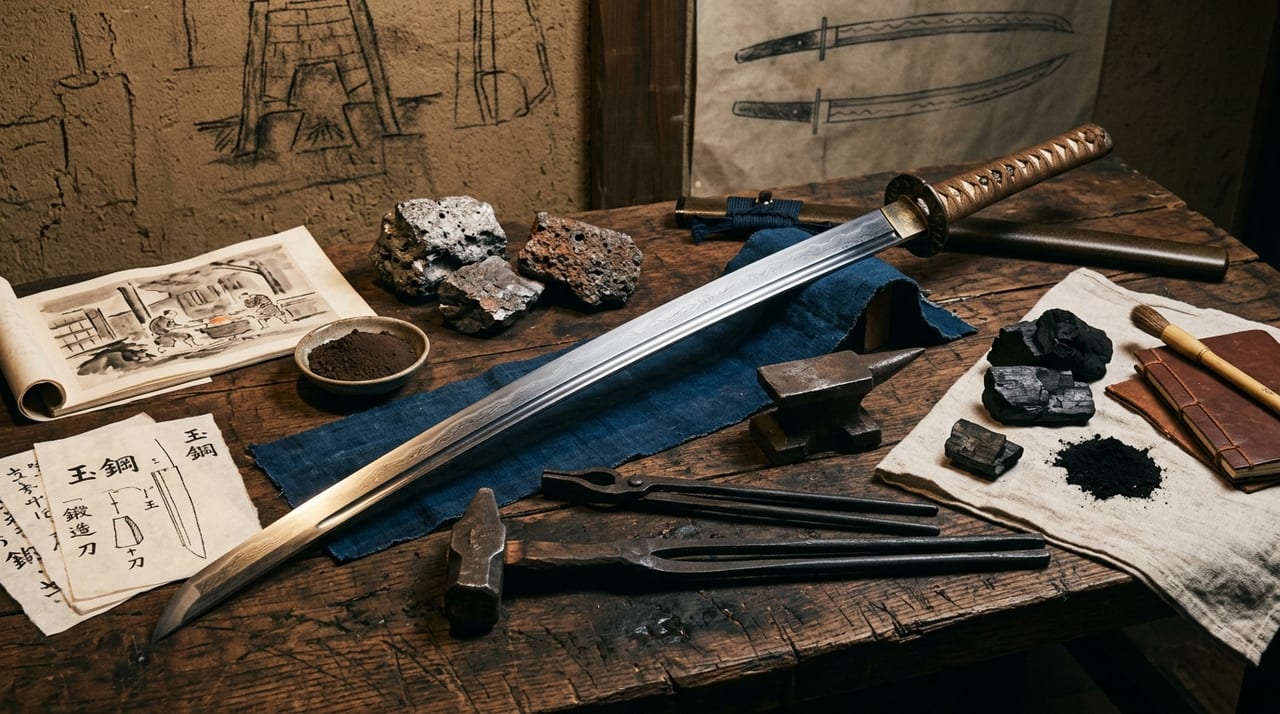
 * Image is for illustrative purposes only.
Bleach: Thousand-Year Blood War - The Conflict
BLEACH 千年血戦篇-相剋譚-
The third cour (Part 3) of the anime adaptation of Kubo Tite's *Bleach* final arc "Thousand-Year Blood War", which began airing on 5 October 2024. Produced by PIERROT FILMS, with Taguchi Tomohisa as chief director and Murata Hikaru as director. It depicts the battle between the Shinigami and the Quincy army "Invisible Empire", which attacked Seireitei.
Description
Overview
Bleach: Thousand-Year Blood War - The Conflict is the third cour (Part 3) of the anime adaptation of Kubo Tite's manga Bleach, covering its final arc, "Thousand-Year Blood War". It began airing on 5 October 2024 on the TV Tokyo network. It was produced by PIERROT FILMS, with Taguchi Tomohisa as chief director and Murata Hikaru as director. The opening theme is "Kotoba ni Sezu Tomo" by SIX LOUNGE, and the ending theme is "MONOCHROME" by suisoh.
Place in the Series
About ten years after the TV anime version of Bleach ended in 2012, the adaptation of the final arc began in 2022. The Thousand-Year Blood War is the story of the Quincy organization "Invisible Empire" (Wandenreich), which had lurked in hiding for a thousand years and invades the Soul Society. Note that the subtitle of the fourth cour, which follows Part 3, is "Kakaeshinden", while the October 2024 broadcast covered by this entry is "Soukokutan" (The Conflict).
Style
The battle scenes of the original work are rebuilt with a visual design of high contrast reminiscent of ink painting and bold color expression. Centered on the battles between Shinigami and Quincy, multiple battlefields are depicted in parallel.
Swords Appearing in the Series and Related Topics
The Zanpakuto held by Shinigami are swords born from their owners' souls. Calling their names releases them (Shikai and Bankai), and they display unique abilities. Although they are based on the form of Japanese swords, the idea that a blade bears a name and a spirit resonates with the culture of inscriptions and legends attached to famous Japanese swords. However, Zanpakuto are fictional swords within the work and are not based on any specific existing sword.
Cultural Impact
The original work, a long-running shōnen manga, has many readers in Japan and abroad, and the designs of Zanpakuto and Bankai are often cited as representative examples of sword-themed character design. The anime adaptation drew renewed attention to a series that had been on hiatus for a long time.
Related Content
Seven Samurai
Film七人の侍
Akira Kurosawa's 1954 enduring masterpiece, one of the most influential works in the history of world cinema. Set in the late Sengoku period, its story of seven masterless samurai gathered to protect a village from bandits vividly depicts the social role of the samurai and the practical side of the sword. It is a monumental work that made Japanese swordcraft known to the world, and it influenced countless films, including The Magnificent Seven, Star Wars, and Mad Max.
Nioh 2
Video Game仁王2
A Sengoku-period action RPG released in 2020, developed by Team Ninja and published by Koei Tecmo Games. As a prequel to the earlier "Nioh," it stars a half-yokai protagonist with yokai blood, who crosses swords with demons while encountering real Sengoku-period warlords.
Lupin III (Goemon Ishikawa & Zantetsuken)
Anime & Mangaルパン三世(石川五ェ門・斬鉄剣)
A franchise created by Monkey Punch in 1967 that has spread worldwide as a long-running anime series. The Zantetsuken sword carried by Goemon Ishikawa XIII—capable of cutting through anything—became an iconic symbol of Japanese swords in pop culture. Ranked 3rd in a 2025 anime sword popularity poll.
Nobunaga's Ambition
Game信長の野望
A historical simulation game series developed and sold by Koei Tecmo Games since 1983. It is a national-favorite series in which players control Sengoku daimyo, including Oda Nobunaga, in pursuit of unifying the country. Depending on the title, famous swords also appear as items, making it a historical game series that touches on the bond between Japanese swords and warlords.
This page is intended to introduce Japanese sword culture and is not affiliated with any of the works mentioned.